What a High-Strength Idler Is
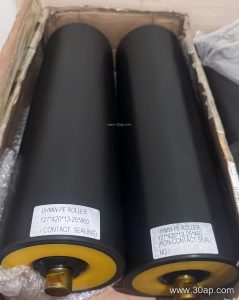
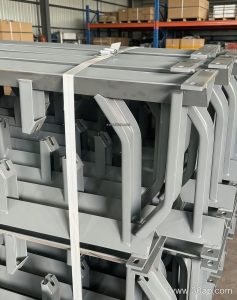
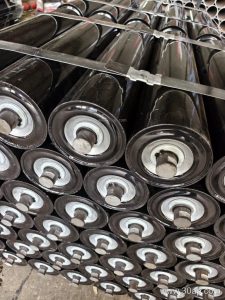
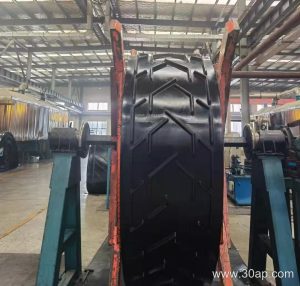
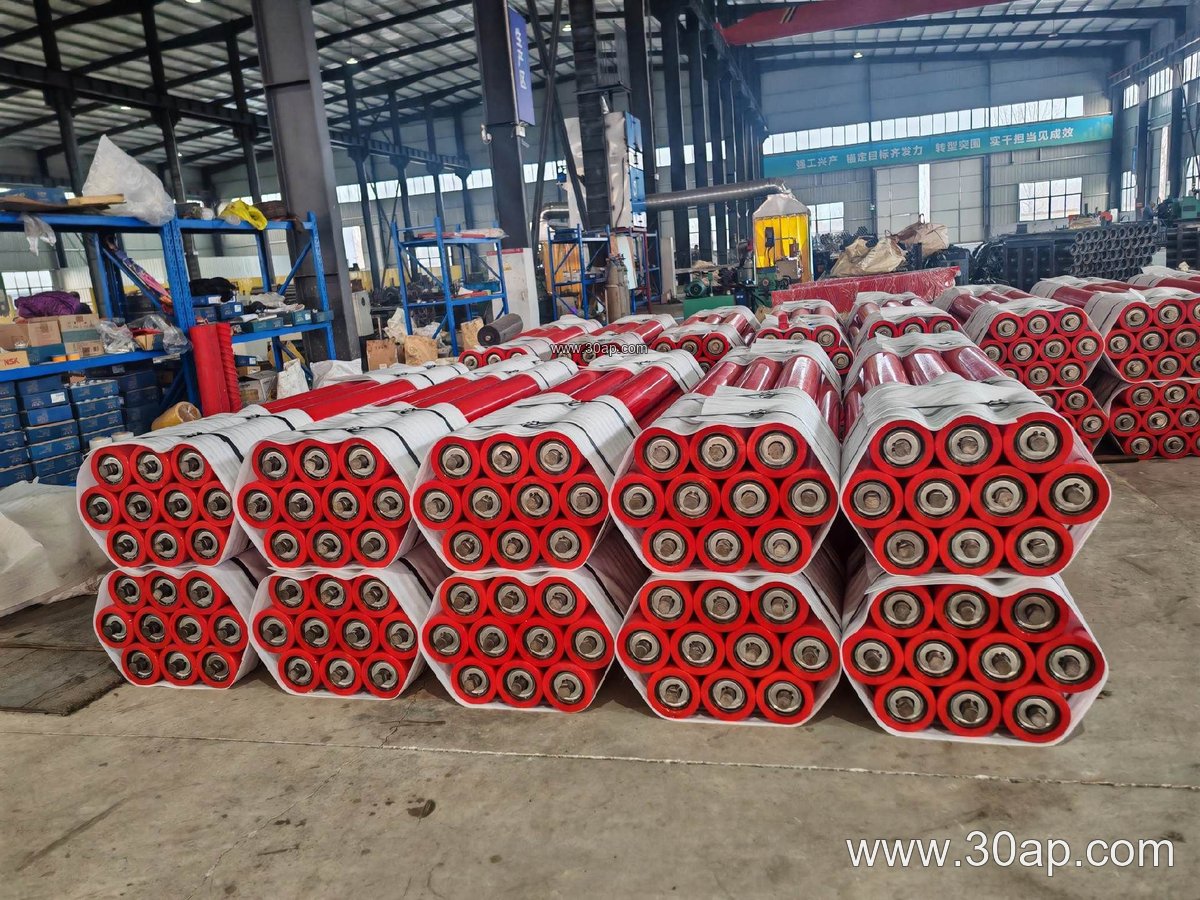
A high-strength idler is a heavy-duty conveyor roller built to carry high belt tensions and heavy loads without premature fatigue. In practice, it is often specified as a heavy-duty idler roller, and the two terms describe the same product category. These idlers are common in primary crushing circuits, coal handling, and long overland conveyors where standard rollers would wear too quickly. They work alongside the conveyor belt, conveyor pulley, and conveyor bracket to keep the belt tracking smoothly and reduce downtime.
Construction and Key Components
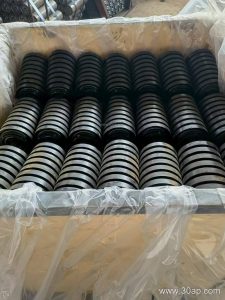
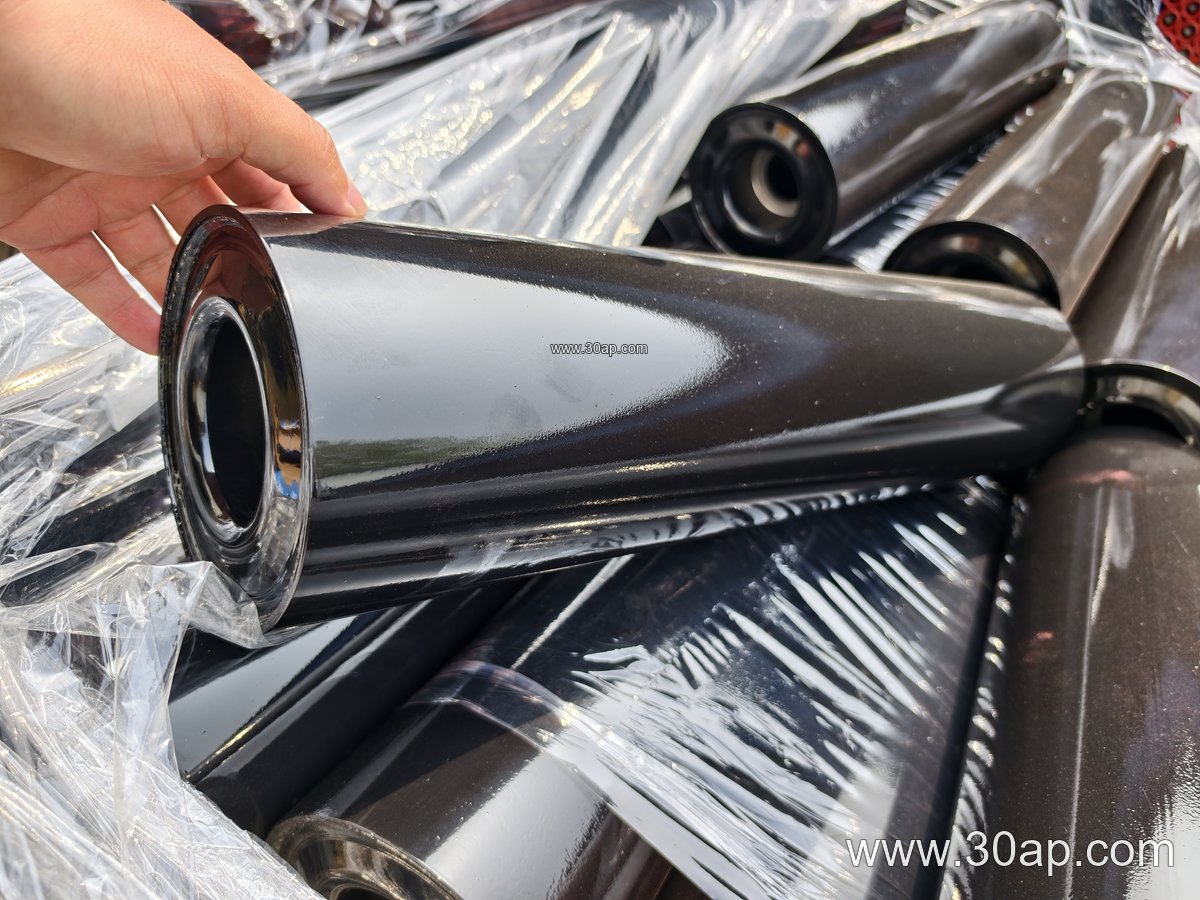
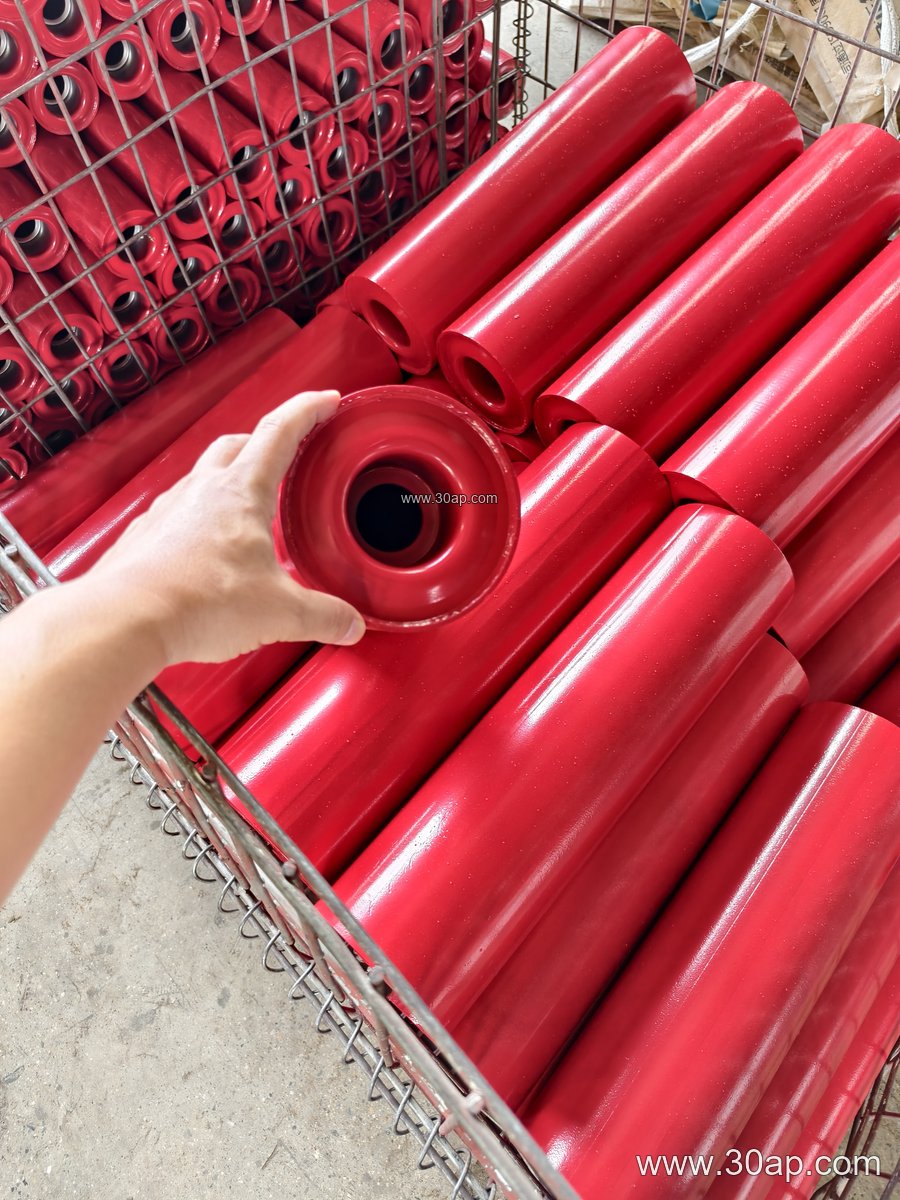
The strength of a high-strength idler comes from the combination of shell thickness, bearing selection, and seal design. The roller shell is usually made from seamless steel tube, with shaft ends machined to tight tolerances. Bearings are typically deep-groove ball bearings such as 6205, 6305, or 6308, selected according to load and speed rather than paired to one specific roller diameter. Sealing is critical in dusty environments; multi-labyrinth seals or contact seals help keep fines out of the bearing cavity. Surface options include plain steel, nylon, ceramic, and rubber rings. Rubber rings are often used on impact sections, while ceramic lagging can improve grip on wet belts.
Where High-Strength Idlers Are Used
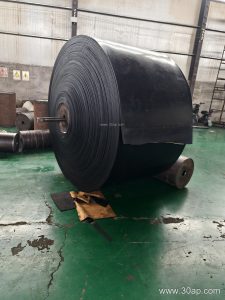
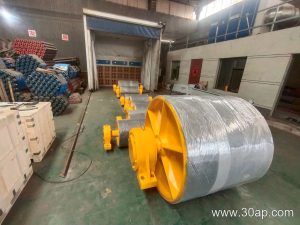
These idlers suit a range of bulk handling operations. In a limestone quarry, a high-strength idler may support the conveyor belt after the primary crusher, where lump size and impact loads are high. In a coal-fired power plant, they are common on coal conveying lines that run continuously and cannot afford frequent roller changes. Other typical sites include iron ore terminals and cement plants. In these settings, the idler works with an abrasion resistant conveyor belt or a flame retardant conveyor belt, depending on the material and safety requirements. The idler itself does not replace the conveyor pulley; drive, tail, and bend pulleys serve different functions and are not interchangeable with idlers.
Common Configurations and Dimensions
High-strength idlers are available in troughing, return, impact, and self-aligning designs. The table below shows typical reference values; actual selection depends on belt width, load, and conveyor design.
| Parameter | Common Reference Range |
|---|---|
| Roller diameter | Ø89, Ø102, Ø108, Ø127, Ø133, Ø159, Ø178, Ø194, Ø219 mm |
| Belt width | B500, B650, B800, B1000, B1200, B1400, B1600, B1800, B2000 mm |
| Trough angle | 20°, 30°, 35°, 45° |
| Bearing | 6204, 6205, 6305, 6306, 6308, 6310 |
| Roller surface | Steel, nylon, ceramic, rubber ring |
For a three-roll troughing set, the roller length changes with belt width and trough angle. For example, a B800 belt commonly uses a center roller around 315 mm long, while a B1200 belt may use a 465 mm roller. These are general examples, not fixed rules; side rollers and center rollers can differ. A high-strength idler for a 1200mm wide conveyor belt is not automatically matched to one shaft diameter—shaft size is determined by load calculations.
Buyer Checklist
- Confirm the actual belt width, trough angle, and idler type (troughing, return, impact, or self-aligning).
- Check the bearing specification and seal type for the site’s dust and moisture conditions.
- Ask for the roller shell thickness and shaft material, especially for high-tension belts.
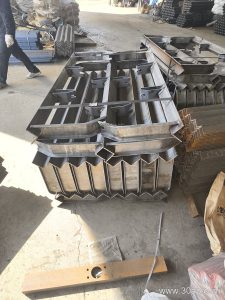
- Verify that the idler is compatible with the conveyor bracket and frame dimensions.
- For coal mining or underground use, ensure the conveyor belt and idler components meet the required flame retardant standards.
High-strength idlers are a long-term investment in conveyor reliability. Matching them correctly to the belt, load, and environment helps avoid unplanned stops and extends the service life of the entire conveyor system.