What Is a Bulk Material Conveyor Belt
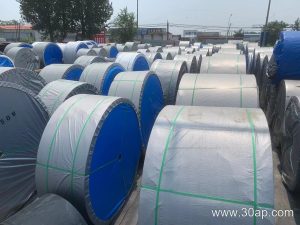
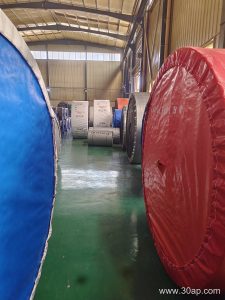
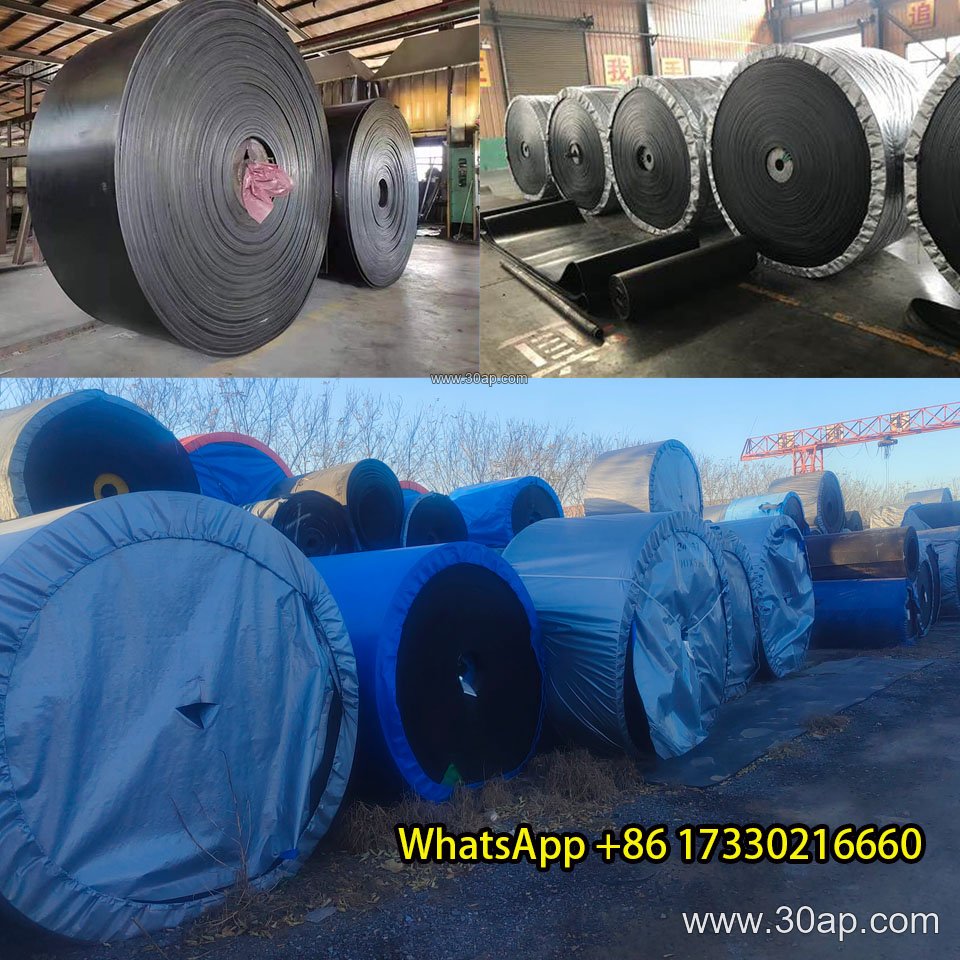
A bulk material conveyor belt is the continuous load-bearing surface in a belt conveyor system, designed to move large volumes of loose materials such as ore, coal, clinker, limestone, sand, and gravel. It operates over idler rollers and conveyor pulleys, forming a loop that carries material from one point to another with minimal manual handling. The belt itself is a composite structure: a tension-bearing carcass embedded in rubber or polymer covers. In mining, cement plants, power stations, and sand and gravel yards, this component determines the throughput, energy efficiency, and reliability of the entire conveying line.
Construction and Key Components
A typical bulk material conveyor belt consists of three functional layers:
- Carcass: The strength layer, made of woven fabric (EP or NN) or steel cords. It resists tension and impact.
- Top cover: The material-facing rubber layer, formulated for wear, heat, oil, or flame resistance as needed.
- Bottom cover: The pulley-facing layer, usually thinner but still protective.
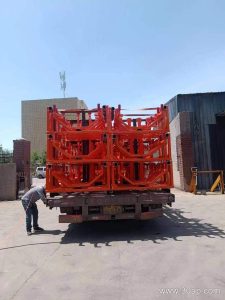
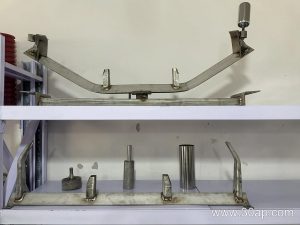
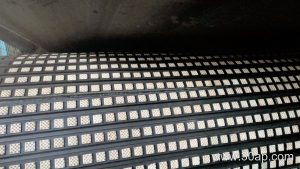
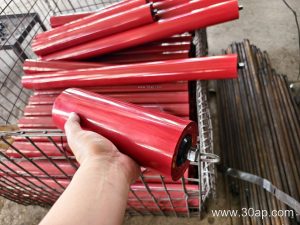
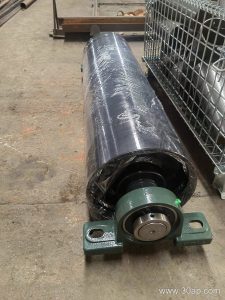
The belt runs over idler rollers that support the load and maintain trough shape, and over conveyor pulleys at drive and tail ends. Conveyor brackets hold the idlers in alignment. Drive, tail, and bend pulleys each serve distinct roles and are not interchangeable. The belt’s edges may be plain or fitted with raised cleats or sidewalls for steep inclines.
Common Types and Specifications
Bulk material conveyor belts are available in several constructions to match site conditions. The table below lists typical reference values; actual selections depend on conveyor design, material characteristics, and manufacturer data.
| Attribute | Common Options |
|---|---|
| Fabric type | EP (polyester-cotton), NN (nylon-nylon) |
| Steel cord | For high-tension, long-distance haulage |
| Strength grades (EP) | EP200, EP315, EP400, EP500, EP630, EP800, EP1000, EP1250, EP1600, EP2000 |
| Belt width | B500, B650, B800, B1000, B1200, B1400, B1600, B1800, B2000 |
| Cover thickness (top + bottom) | 3+1.5, 4+2, 5+2, 6+2, 8+3 mm |
| Carcass layers | 2 to 6 (fabric belts) |
| Special properties | Abrasion-resistant, heat-resistant, oil-resistant, flame-retardant, antistatic, cold-resistant, acid/alkali-resistant |
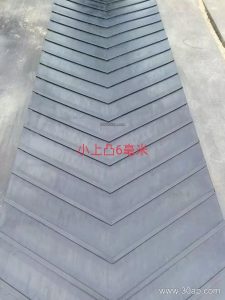
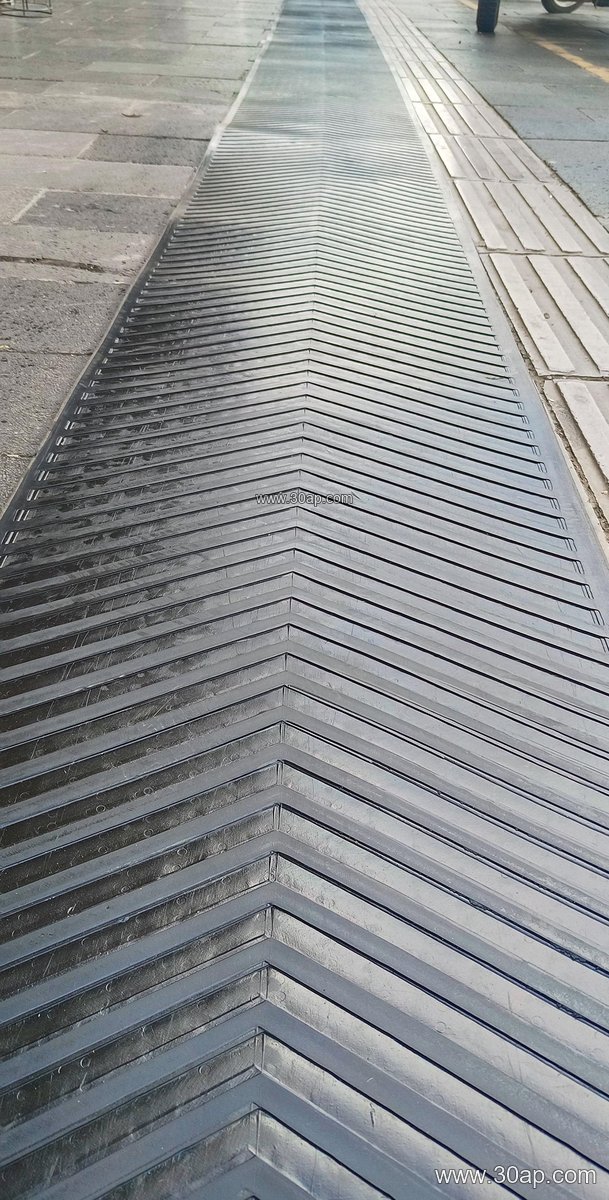
| Surface patterns | Plain, patterned, chevron (herringbone), corrugated sidewall |
These values are indicative and should be confirmed against the conveyor’s tension calculation and material lump size. No single belt width or strength grade is mandatory for all applications.
Where It Is Used
Bulk material conveyor belts are essential in:
- Mining and coal preparation: transporting raw ore, coal, and tailings.
- Cement plants: moving limestone, clinker, and additives.
- Power stations: feeding coal and handling ash.
- Sand and gravel yards: conveying aggregates and sand.
- Ports and terminals: loading and unloading bulk cargo.
In these environments, the belt must resist abrasion, impact, and sometimes heat or oil. Flame-retardant and antistatic grades are often specified for coal handling and other combustible dust atmospheres.
Selection and Maintenance Notes for Buyers
When specifying a bulk material conveyor belt, consider the material’s bulk density, lump size, moisture content, and temperature. The conveyor’s throughput, incline angle, and pulley diameters also influence belt choice. For example, a steep incline may call for a chevron or sidewall belt, while a long overland route may justify steel cord construction. Cover thickness should match abrasion severity; 6+2 mm or 8+3 mm covers are common in harsh mining duty, while 4+2 mm suits lighter aggregate handling.
Maintenance focuses on belt tracking, cover wear, and splice integrity. Worn idler rollers or misaligned conveyor pulleys can cause edge damage and reduce belt life. Regular inspection of conveyor brackets and pulley lagging helps prevent costly downtime. Keep in mind that belt width alone does not dictate pulley or shaft dimensions; those are determined by the conveyor designer.
Always request the manufacturer’s technical data sheet for the specific belt grade and verify that the selected construction meets the site’s safety and operational requirements.