What a Parallel Idler Bracket Does
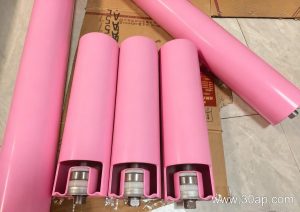
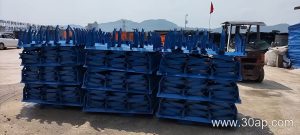
A parallel idler bracket is the stationary support frame that holds the carrying idlers of a conveyor belt in a flat or slightly troughed line. In a parallel arrangement, the idler rollers sit at the same height or at a fixed shallow angle, so the belt runs across a level support rather than through a deep trough. The bracket ties the idler roller to the conveyor stringer, keeps spacing consistent, and carries the load that the belt and material pass down through the rollers.
This component is often called a flat idler bracket or a plain carrying bracket when the rollers are mounted in a straight line. Those names describe the same part, and buyers may see either on a drawing. A parallel idler bracket is not a drive pulley, tail pulley, or bend pulley; those are rotating drums that transmit motion or change belt direction, while the bracket is a fixed structural item.
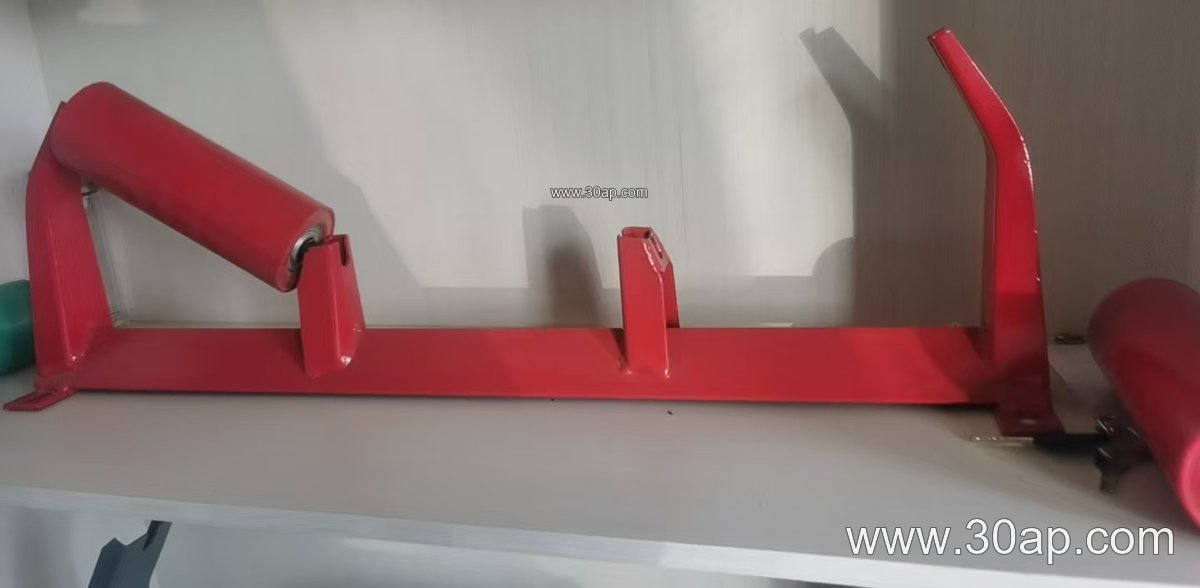
How the Bracket Is Built
Most parallel idler brackets are fabricated from angle steel, channel steel, or folded steel plate. The frame usually has two mounting feet that bolt to the conveyor frame, plus slots or holes that accept the idler shaft. On adjustable versions, the roller position can be shifted to fine-tune belt contact and alignment.
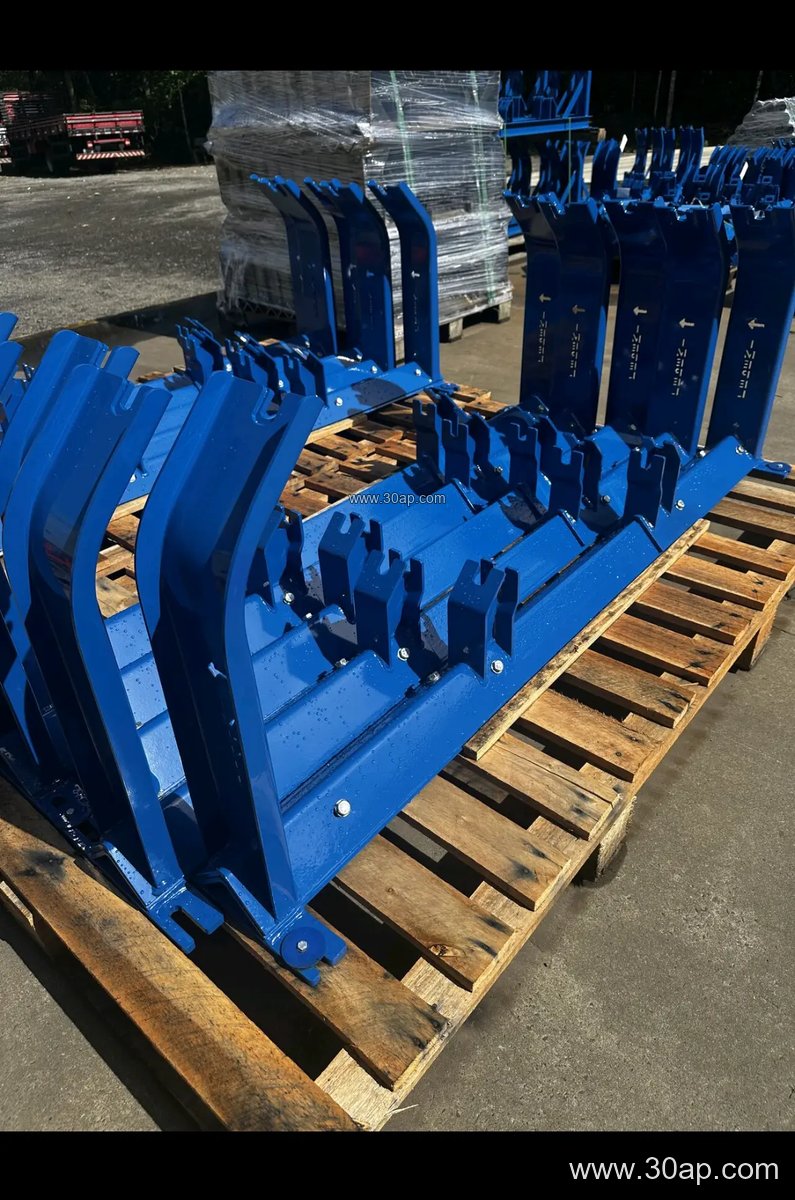
Build details that matter to a buyer include:
- Material thickness and whether the frame is welded or bolted
- Mounting hole spacing, which changes with belt width and bracket design
- Surface treatment such as painting or galvanizing for dusty or wet sites
- Whether the bracket is fixed or adjustable
- Compatibility with the idler shaft diameter
Installation hole spacing and crossbeam length are not universal. They are set by belt width, roller diameter, and the bracket drawing, so they should be confirmed against the conveyor layout rather than assumed from the belt size alone.
Where Parallel Brackets Fit on a Conveyor
Parallel brackets are common where the belt must stay flat, such as the loading zone of a stone crushing line, the discharge end of a cement plant belt, or the transfer points in a coal washing plant. In a quarry or sand and gravel line, a flat carry section can help wide material spread evenly. At a power plant coal handling system, parallel brackets may appear on inspection walkways or on sections where a low profile is needed.
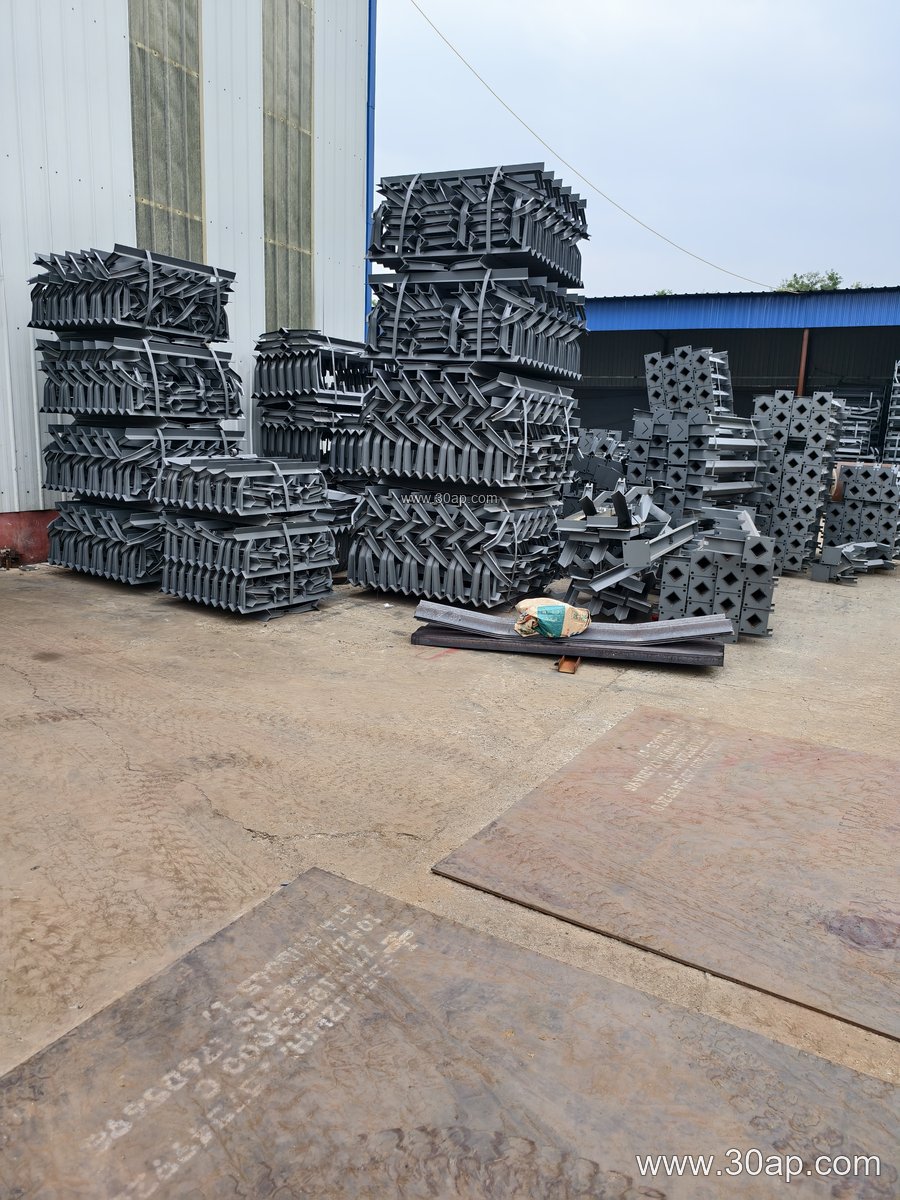
They also work alongside other support types. A troughed bracket with a 30 or 35 degree槽角 is used for deep material containment, while a parallel bracket keeps the belt open and flat. A V-return bracket or a plain return bracket plays a different role on the return strand, and a transition bracket eases the belt from flat to troughed. These are comparisons, not substitutes for the parallel idler bracket itself.
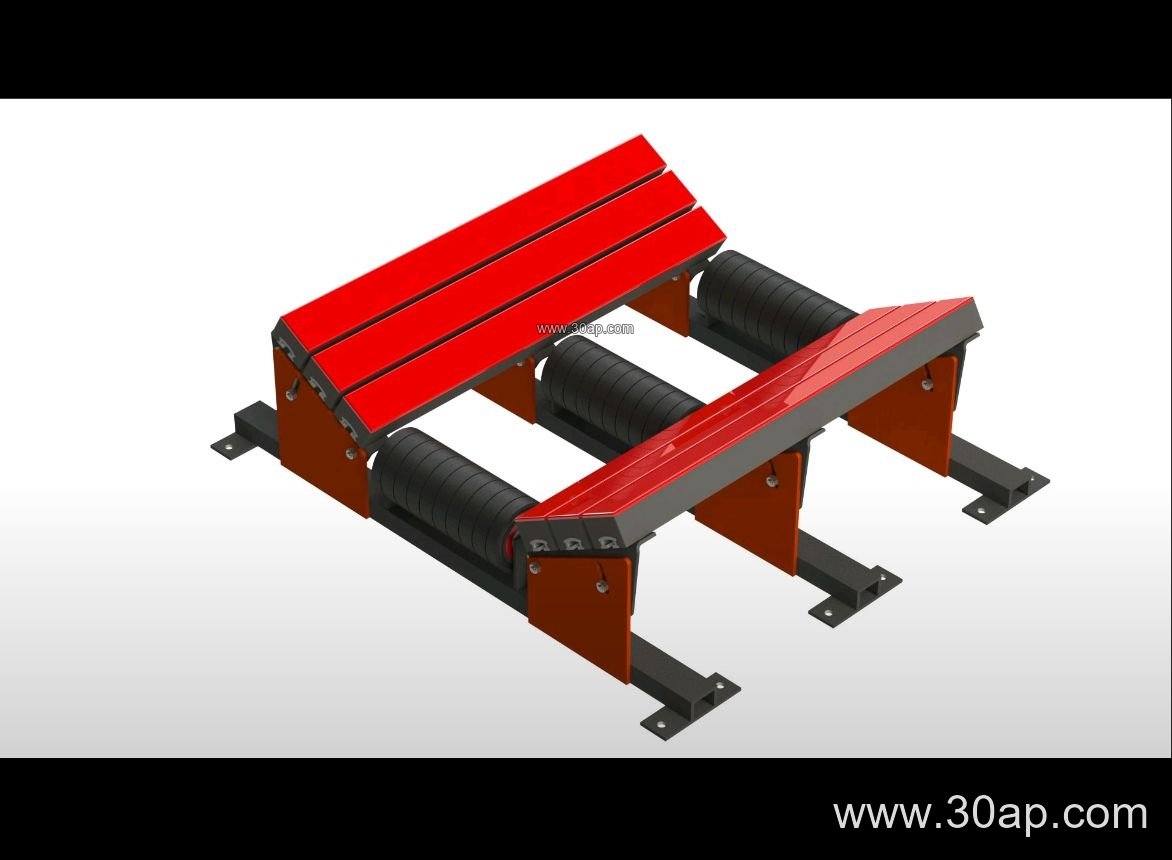
Matching Bracket, Belt, and Idler Roller
Selection starts with the conveyor belt width and the idler roller diameter. Common belt widths include B500, B650, B800, B1000, B1200, B1400, B1600, B1800, B2000, B2200. Common roller diameters are Ø89, Ø108, Ø133, Ø159, and Ø194. A bracket for a B800 belt with Ø108 rollers is a typical light-to-medium combination, while a B1200 or B1400 conveyor may use Ø133 or Ø159 rollers. None of these is a fixed rule, and one belt width can accept more than one roller diameter depending on load and design.
| Belt Width | Typical Roller Diameter | Mounting Note |
|---|---|---|
| B500 | Ø89 | Hole spacing per drawing |
| B650 | Ø89, Ø108 | Confirm frame width |
| B800 | Ø108, Ø133 | Adjustable option available |
| B1000 | Ø108, Ø133 | Check load rating |
| B1200 | Ø133, Ø159 | Confirm hole pitch |
| B1400 | Ø133, Ø159 | Heavy frame common |
| B1600 | Ø159, Ø194 | Design-specific |
| B1800 to B2200 | Ø159, Ø194 | Engineered per project |
Angle and roller position also matter. Parallel brackets keep the idlers in line, while a troughing bracket may use 20, 30, 35, or 45 degree槽角. Adjustable brackets can be set between these angles where the design allows. Forward tilt of about 1.5 to 2 degrees is sometimes used on training idlers, but that is a separate feature from the parallel support frame.
Buyer Checklist
Before ordering, confirm the belt width, the idler roller diameter, the shaft end type, the mounting hole spacing, and the required surface finish. Ask whether the frame is fixed or adjustable and whether it is designed for the carrying side or another position. For a limestone mine, iron ore plant, sintering line, fertilizer warehouse, or grain silo, dust and moisture resistance may affect the coating choice. A parallel idler bracket is a small part, but matching it to the conveyor bracket layout and the idler roller set keeps the belt running straight and reduces unnecessary wear.