What a Mining Conveyor Pulley Does
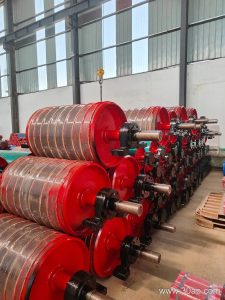
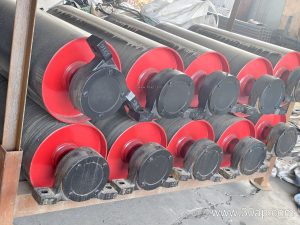
A mining conveyor pulley is the rotating drum that drives, tensions, or redirects the conveyor belt in bulk material handling systems. Unlike an idler roller, which supports the belt along its carrying run, the pulley transmits power or changes belt direction at key points. In hard-rock mines, coal preparation plants, and aggregate quarries, these pulleys work under constant load, abrasive dust, and often wet or corrosive conditions. The term covers several distinct subtypes, each with a specific role. A drive pulley (also called a head pulley) connects to the gearbox and motor to move the belt. A tail pulley sits at the loading end and helps maintain belt tension. A bend pulley changes the belt path without driving, while a take-up pulley adjusts tension as the belt stretches. These functions are not interchangeable, so specifying the right type for each location is essential.
Construction and Surface Options
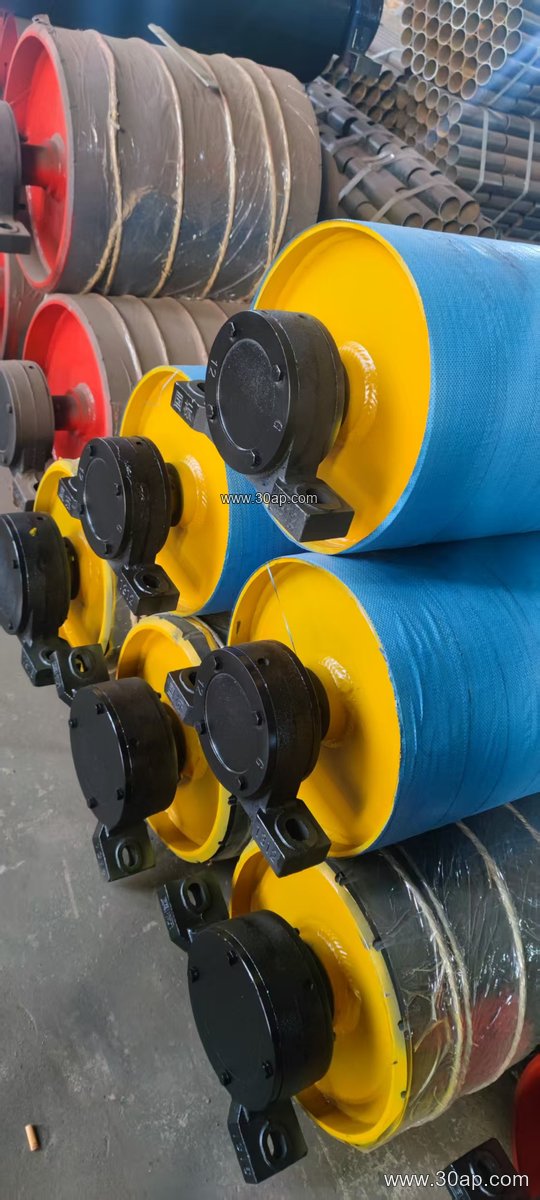
Most mining conveyor pulleys are built from a steel cylinder with welded end discs and a shaft that runs through the center. The shaft diameter is determined by torque and load calculations, not simply by belt width. Common shaft sizes include Ø80, Ø100, Ø120, and Ø140 mm, but final selection depends on the drive power and radial load. The pulley face width is usually slightly wider than the belt; for example, a B800 belt typically matches a pulley face around 950 mm, while a B1200 belt may use a 1400 mm face. Diameters range from Ø200 mm for small tail pulleys up to Ø1250 mm or more for large drive pulleys.
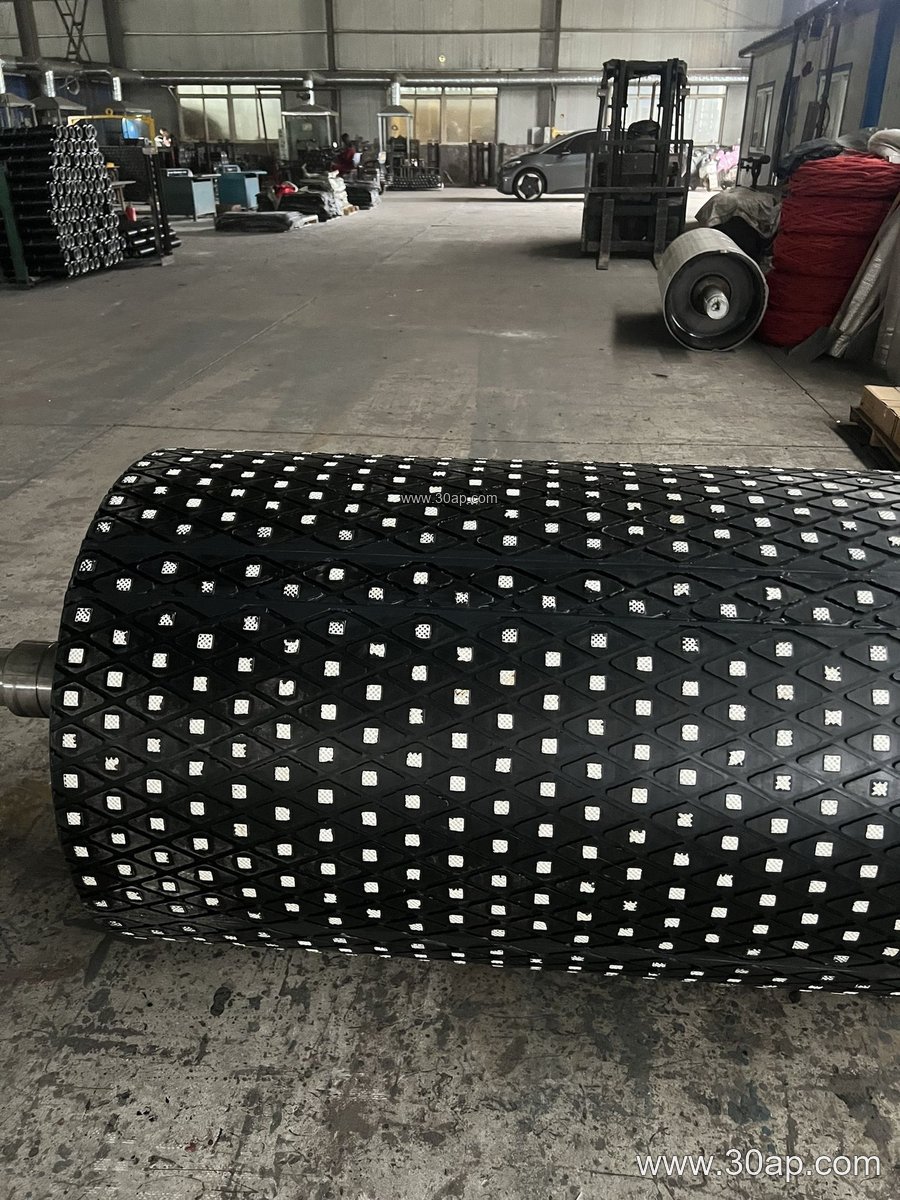
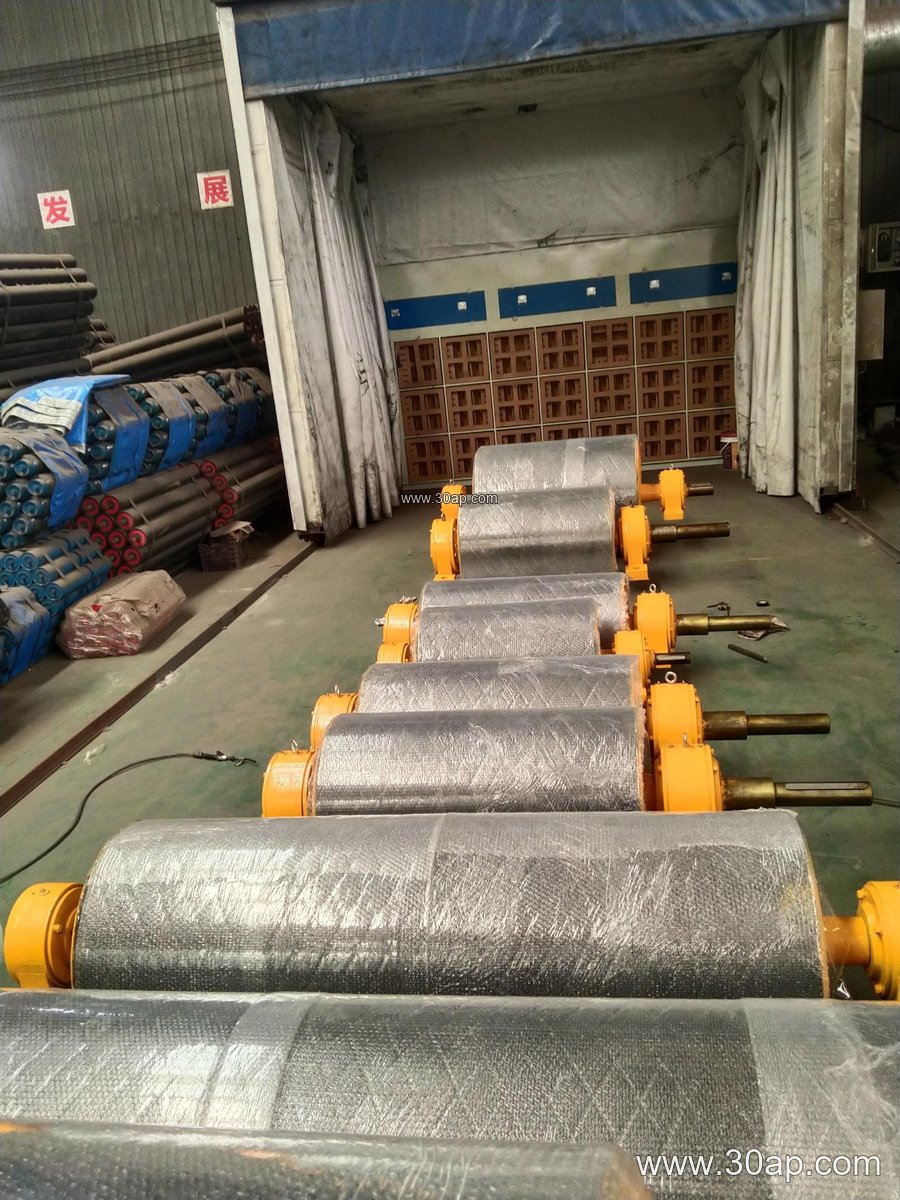
Surface treatment strongly affects grip and wear life. Plain steel is used where traction is not critical. Rubber lagging—applied by cold bonding or hot vulcanizing—improves friction and protects the shell. Diamond or herringbone grooving helps shed water and fines, which is useful in wash plants and outdoor stockyards. Ceramic lagging offers high abrasion resistance for drive pulleys in iron ore or copper ore operations. Lagging thickness commonly falls between 8 mm and 20 mm depending on the duty. The table below shows typical combinations, but these are reference examples, not fixed rules.
| Belt Width (mm) | Typical Pulley Face (mm) | Common Diameter Range (mm) | Typical Lagging |
|---|---|---|---|
| B500 | 600 | Ø250–Ø400 | Plain or 8 mm rubber |
| B800 | 950 | Ø400–Ø630 | 10 mm diamond rubber |
| B1000 | 1150 | Ø500–Ø800 | 12 mm rubber or ceramic |
| B1200 | 1400 | Ø630–Ø1000 | 15 mm ceramic or grooved rubber |
| B1400 | 1600 | Ø800–Ø1250 | 15–20 mm ceramic |
Note that a given belt width can work with several pulley diameters; the final choice depends on belt speed, wrap angle, and tension. For instance, a B1200 system might use a Ø1000 drive pulley and a Ø500 bend pulley. A B1400 conveyor could pair a Ø800 tail pulley with a Ø1250 head pulley.
Where Mining Conveyor Pulleys Are Used
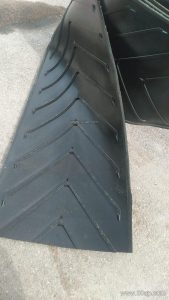
These pulleys appear in nearly every stage of mineral processing. In a limestone quarry, a heavy-duty drive pulley with ceramic lagging powers the primary crusher discharge belt. In a coal washing plant, flame retardant and anti-static properties are important for both the conveyor belt and the pulleys to reduce static buildup. A cement plant uses bend pulleys to route clinker belts through tight spaces, while a power plant’s coal yard relies on tail pulleys with rubber lagging to handle wet, sticky fuel. Other common locations include iron ore concentrators, copper heap leach operations, and port ship-loading conveyors. In each case, the pulley must match the belt’s tension rating and the environment’s demands—abrasion, heat, oil, or fire risk.
Buyer Checklist for Mining Conveyor Pulleys
Before ordering, gather the following information: belt width (e.g., B650, B1000, B1800), belt type and tension rating (such as EP1000 or ST1600), pulley position and function (drive, tail, bend, take-up), required diameter, shaft size, lagging type and thickness, and environmental conditions. Also confirm the conveyor bracket dimensions and the available space for pulley removal. Buyers should ask for the calculated shaft load and bearing life, not just a catalog number. For high-abrasion duties, specify ceramic or thick rubber lagging; for wet conditions, consider grooved lagging. Remember that a mining conveyor pulley is part of a system—its performance depends on correct alignment with the idler rollers, belt tension, and loading conditions. Regular inspection of lagging wear and shaft seals helps avoid unplanned downtime. Whether the application is an underground coal mine, a gold ore processing line, or a sand and gravel operation, selecting the right pulley subtype and surface finish is key to reliable belt performance.