What a Conveyor Frame Does on a Belt Line
A conveyor frame is the structural backbone that holds the belt path in place. It carries the idler roller sets, keeps the belt at the intended trough angle, and transfers the load of the material and the belt itself down to the floor or steel structure. In a quarry, a coal washing plant, or a cement plant, the frame is usually the first thing inspected after a belt tracking problem, because a bent or misaligned frame will pull even a well-made belt off center.
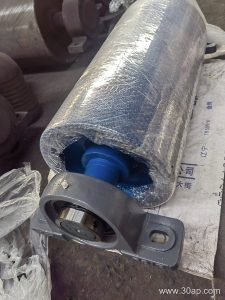
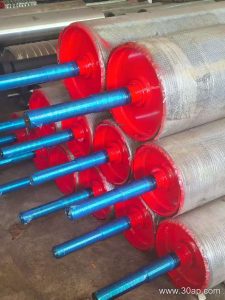
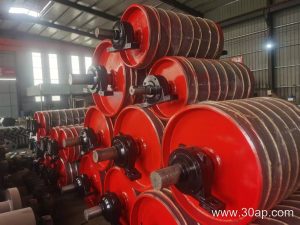
The frame is not a single part. It is a system of stringers, cross beams, and brackets that work with conveyor pulleys at the head and tail, plus the idlers in between. Getting the frame right means the belt runs straight, the idlers wear evenly, and the structure stays square for years.
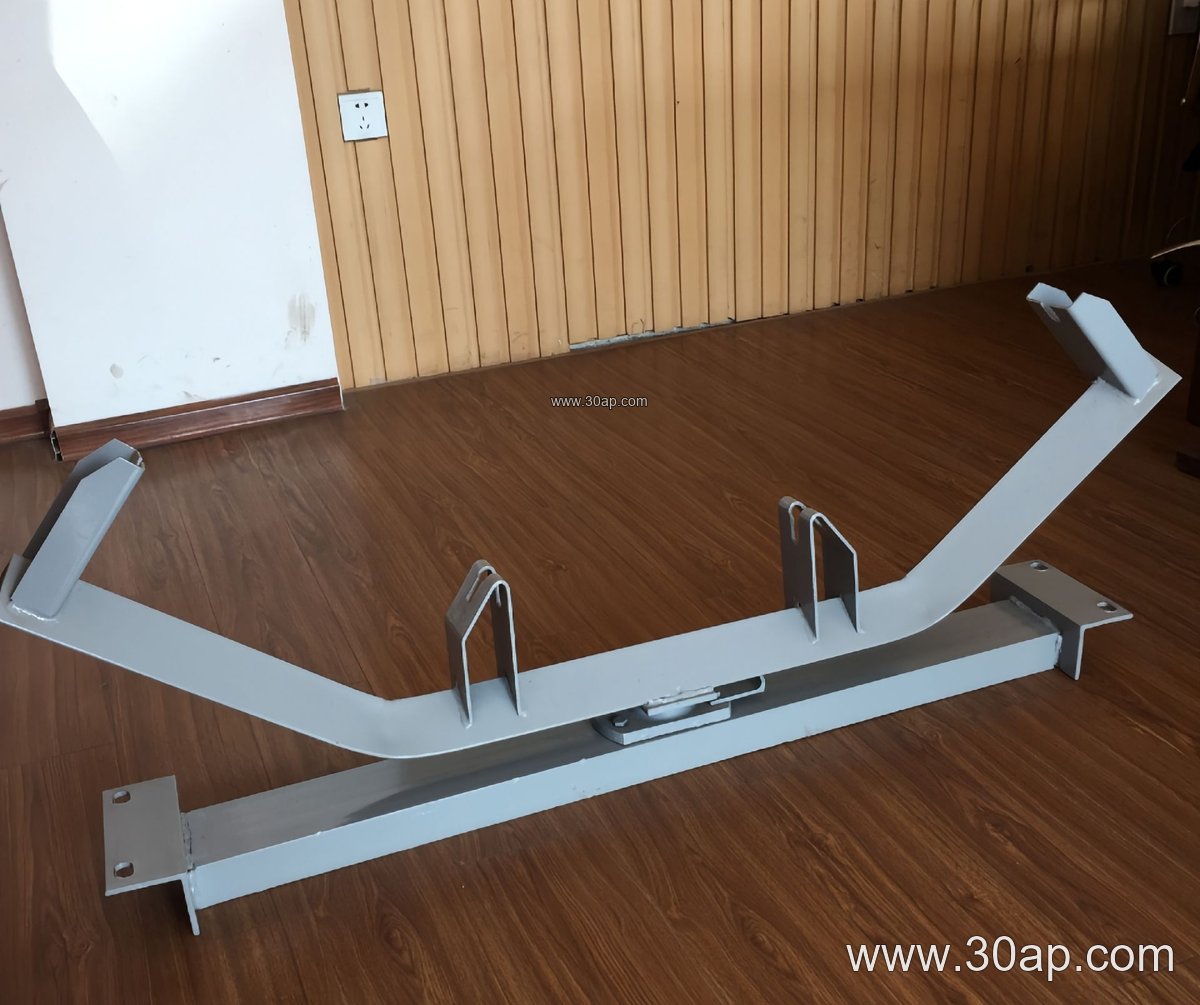
How the Frame Is Built
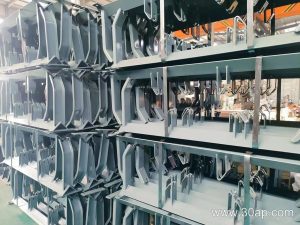
Most frames are fabricated from angle steel, channel steel, or folded steel plate. The two long stringers run the length of the conveyor and set the line and elevation. Cross beams tie the stringers together and support the idler brackets. On larger installations, the frame may be bolted rather than welded so it can be shipped and assembled on site.
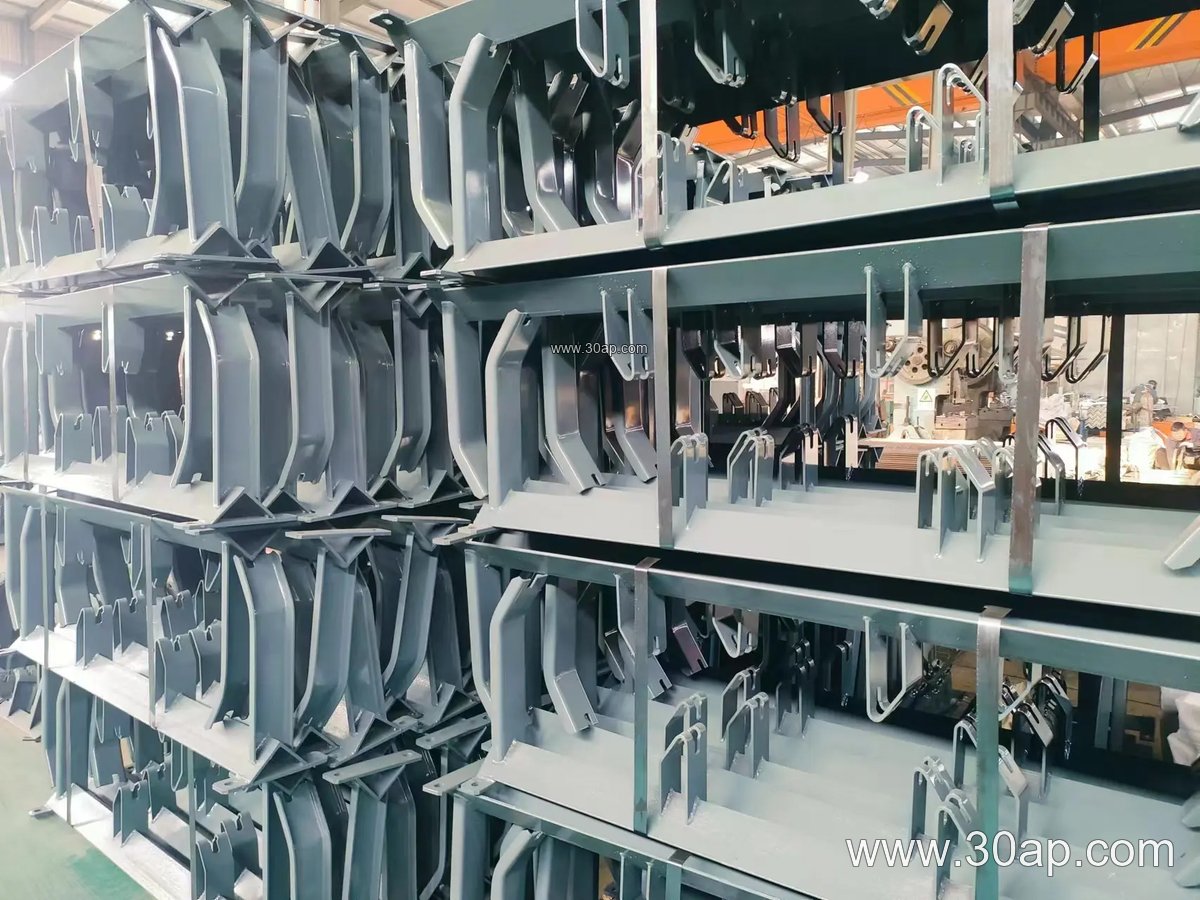
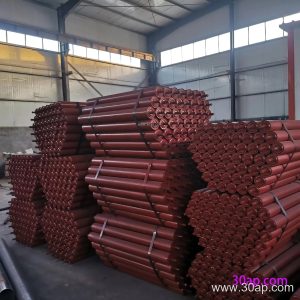
The brackets that hold the idlers are the working heart of the frame. Their mounting hole spacing and beam length change with belt width and trough angle, so they are always made to the drawing rather than to a fixed number. A typical arrangement for a B800 belt at 35 degrees might use Ø108 idlers, while a B1200 line at 45 degrees may run Ø133 idlers. These are common pairings, not rules, and the final choice is set by the conveyor design.
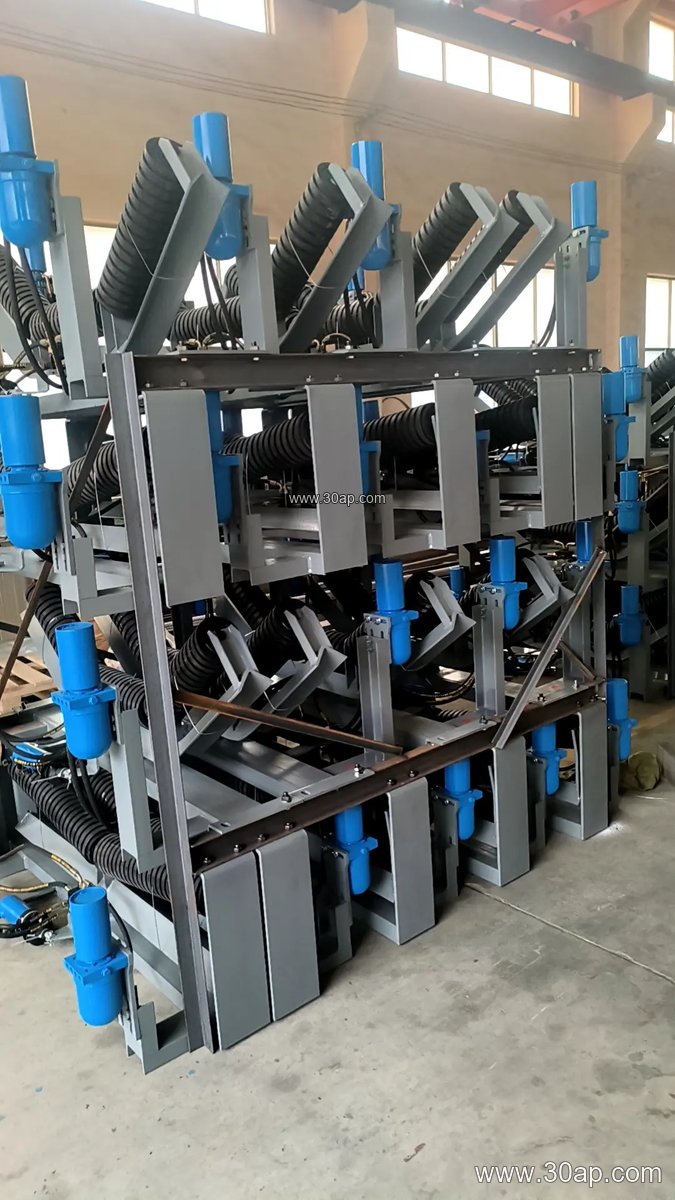
Frame Types and Their Roles
- Troughing frame: the upper carrying side, usually set at 20, 30, 35, or 45 degrees to shape the belt into a trough.
- Transition frame: placed near the head and tail pulleys to ease the belt from flat to troughed without stressing the edges.
- Return frame: supports the empty belt, often with flat or V-return idlers.
- Impact frame: reinforced under the loading point to absorb falling material.
- Self-aligning frame: mounts training idlers that correct small tracking errors.
- Adjustable frame: allows the trough angle to be changed between the common angles during commissioning.
Matching the Frame to the Belt and Idlers
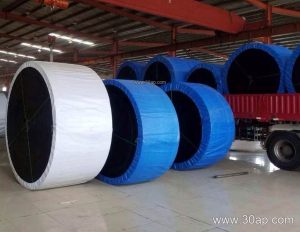
The frame must suit the belt it carries. A heavy-duty mining conveyor belt on an iron ore line needs a stiffer frame than a light fabric core belt in a grain silo. Belt width drives the stringer span and bracket size, while belt tension and load drive the steel section. Idler diameter must fit the bracket, and the bracket must sit at the correct height so the belt clears the structure.
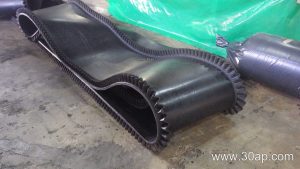
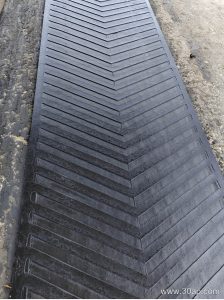
Frames also work with skirted conveyor belt and corrugated sidewall belt installations, where the loading zone needs extra support. In dusty or wet conditions, such as a power plant coal yard, the frame should allow water to drain and fines to fall away rather than collect on the beams.
Where Conveyor Frames Are Used
You will find these frames in almost every bulk handling line. In a limestone quarry they carry crushed rock from the crusher to the stockpile. In a coal preparation plant they support the belt through wash boxes and transfer points. In a cement plant they run clinker and raw meal across long distances. Port terminals, steel plants, and aggregate yards all rely on the same basic structure, sized for the duty.
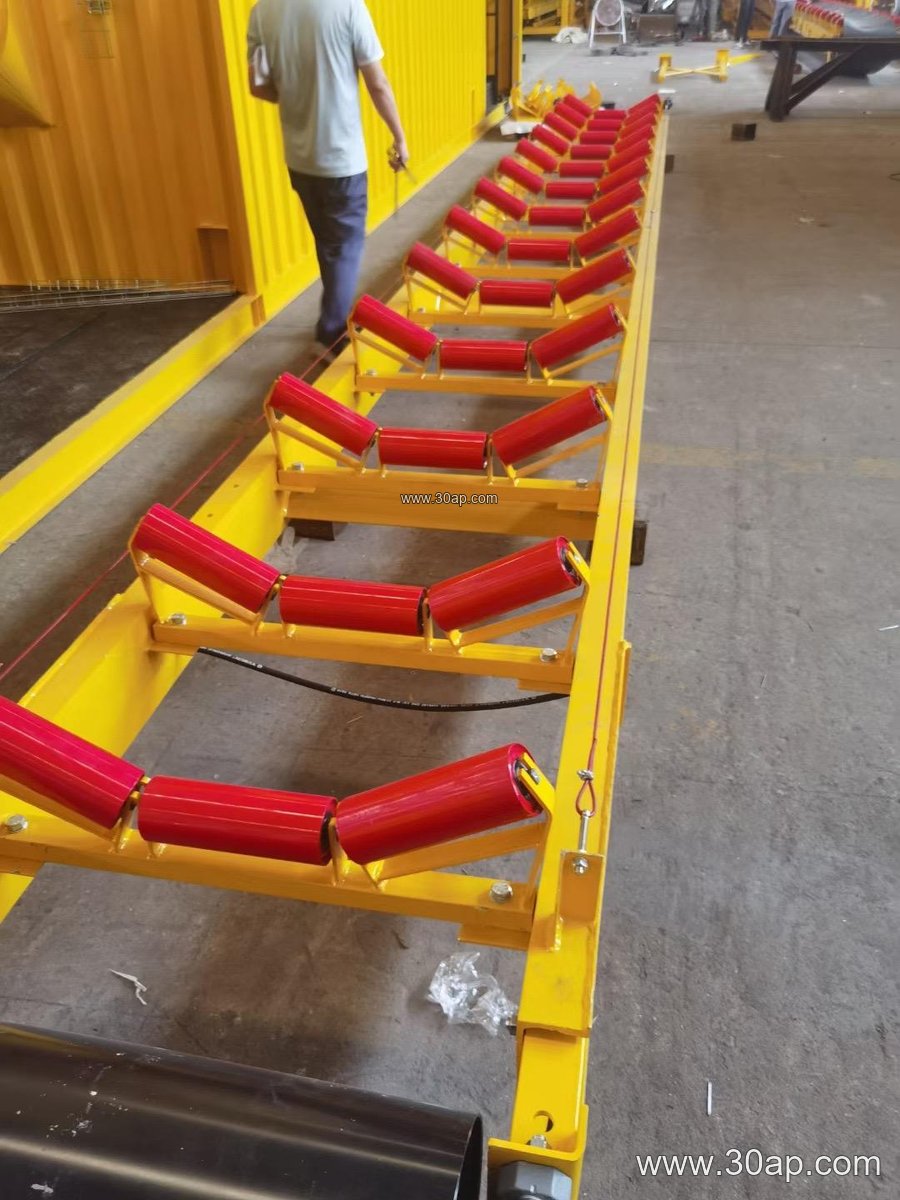
Because the frame sets the belt path, it also affects how the conveyor pulley and idler roller wear. A square, level frame keeps the belt centered, which reduces edge damage and extends idler life. That is why frame inspection belongs in every maintenance schedule.
What Buyers Should Check
Before ordering, confirm the belt width, the intended trough angle, and the idler diameter. Ask for the bracket hole spacing and cross beam length to be shown on the drawing, since these follow the design and are not universal. Check the steel section and finish for the site conditions, and confirm whether the frame is bolted or welded. For a long overland line, ask how the frame handles expansion and how sections join. A clear drawing and a consistent bracket standard will save time during installation and keep the belt running true.