What a Mining Ceramic Lagged Pulley Is
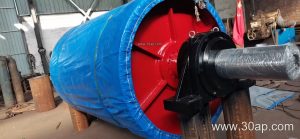
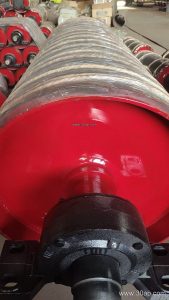
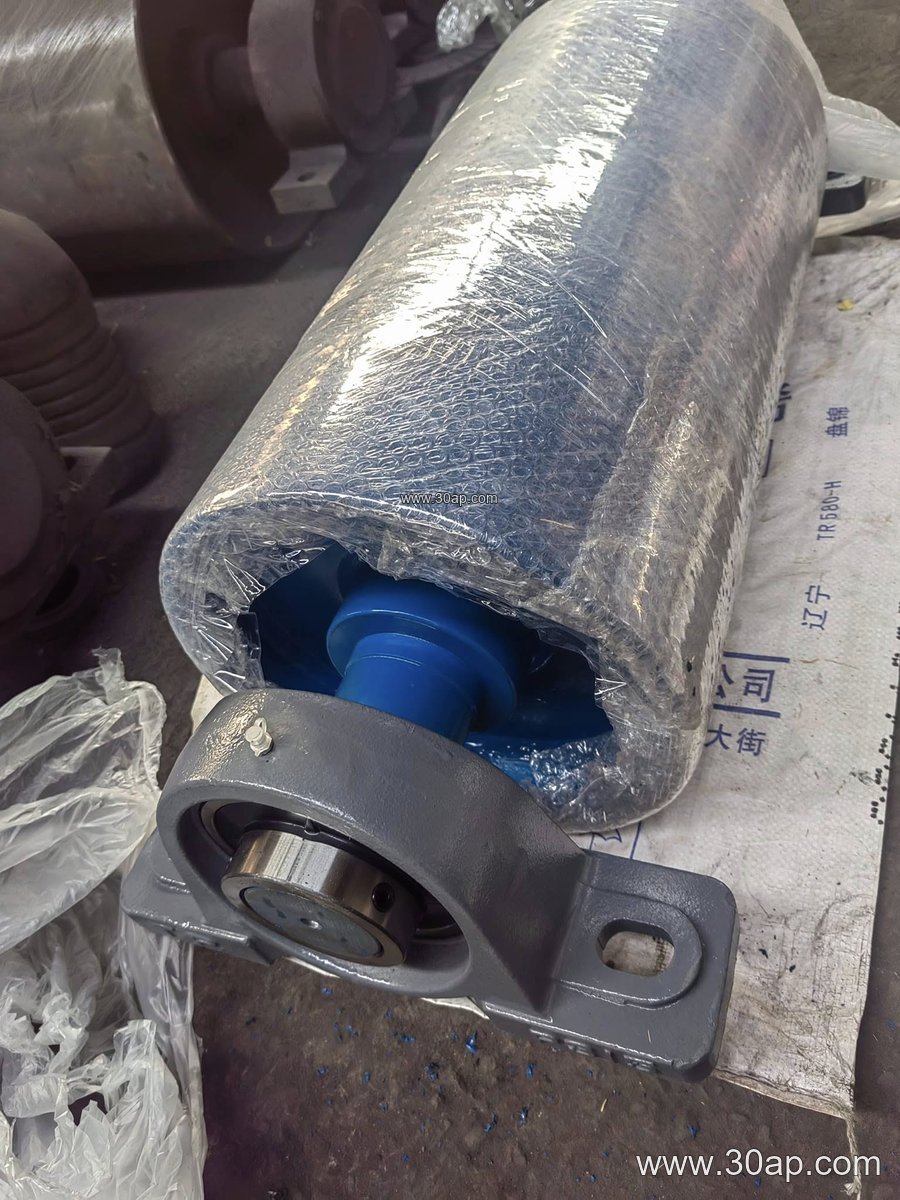
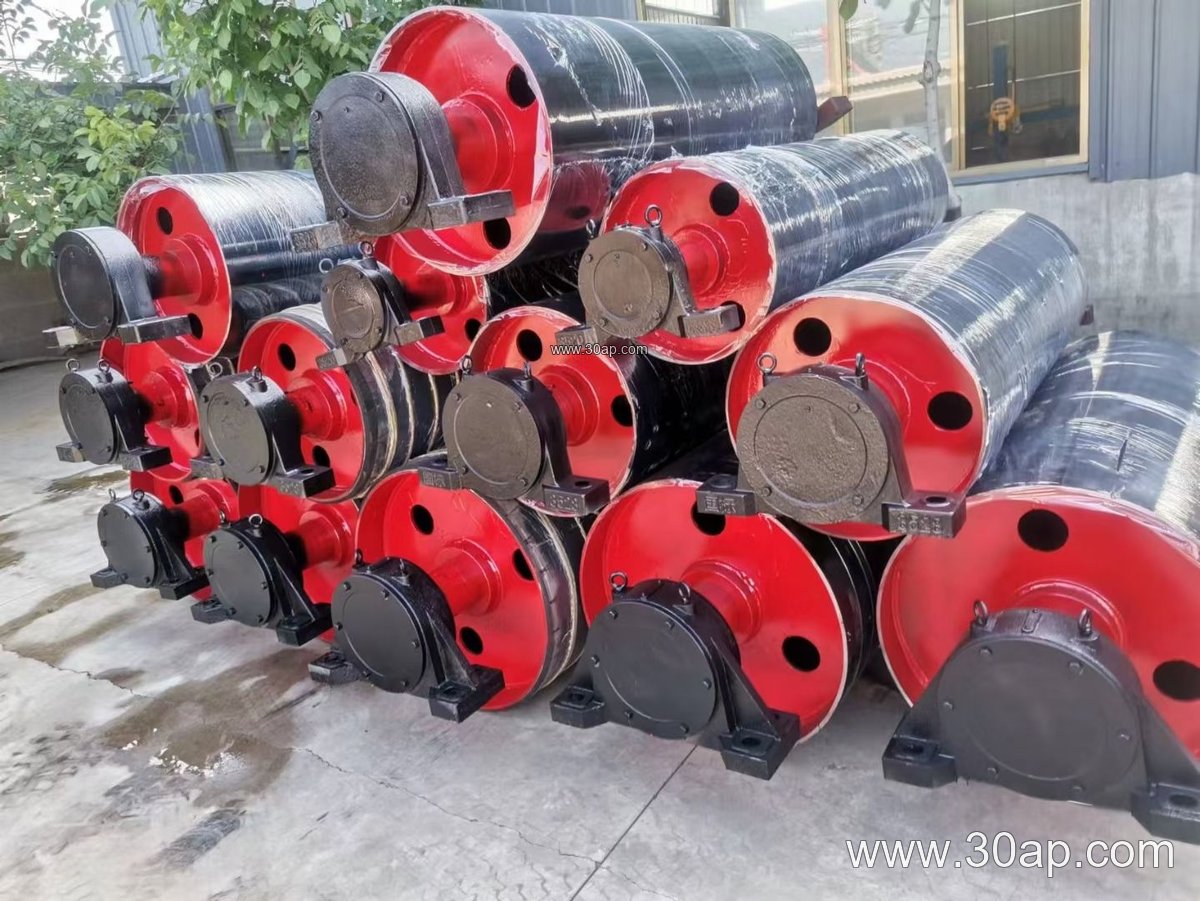
A mining ceramic lagged pulley is a conveyor pulley whose shell is covered with embedded ceramic tiles rather than plain rubber. It is most often used as the drive pulley, sometimes called the head pulley, where torque has to pass from the pulley into the conveyor belt without slipping. In a quarry, a coal preparation plant or an iron ore concentrator, the drive pulley sits at the discharge end and carries the highest load in the whole conveyor, so the surface grip matters as much as the shaft and bearings.
The ceramic lagging is not a coating applied in the field. Ceramic tiles, usually small squares or rectangles with raised studs or grooves, are bonded into a rubber or polymer backing that is vulcanized or bonded to the pulley shell. The result is a hard, textured surface with a high coefficient of friction, especially when the belt is wet, dusty or carrying slurry. This is why the same pulley type appears on overland conveyors, drift conveyors and slope conveyors in underground mining.
How the Ceramic Surface Works With the Belt
The raised ceramic studs press into the belt cover and displace water and fine dust from the contact patch. That is a real advantage for a heavy-duty mining conveyor belt running in wet conditions, where a smooth steel shell would lose traction. The tiles are hard and wear slowly, but they are also brittle, so the belt cover needs enough thickness and quality to avoid being cut. A high abrasion resistant conveyor belt or a thick heavy-duty conveyor belt is a better match than a thin, soft cover.
Traction also depends on the arc of contact. A drive pulley with a large wrap angle, or one used with a snub or bend pulley to increase wrap, can transmit more torque. For comparison, a bend pulley usually only changes belt direction and does not need ceramic lagging, while a tail pulley at the loading point is more often specified with plain or rubber lagging. Those are different positions with different duties, and they should not be treated as substitutes for the drive pulley.
Construction Details Buyers Should Check
Look at the shell, the lagging bond and the shaft connection as a system. Common shell diameters for this type range from about Ø500 to Ø1250, and sometimes larger, depending on torque and belt tension. Face width usually runs a little wider than the belt, for example about 1400 mm for a B1200 belt or about 1600 mm for a B1400 belt. Shaft diameter is set by torque and load, not by belt width alone, with common values from Ø80 to Ø200.
- Ceramic tile size, pattern and height, and whether the surface is flat, grooved or studded
- Lagging thickness, commonly 8, 10, 12, 15 or 20 mm
- Rubber backing hardness and bond quality between tile, backing and shell
- Shell thickness, end disc design and hub weld details
- Balance grade and runout, which affect bearing life at speed
Typical Reference Combinations
The figures below are common reference points, not fixed rules. A B800 belt may use a Ø500 pulley, and a B1200 belt may use a Ø1000 pulley, but the final choice follows the conveyor design.
| Belt width | Common pulley face width | Reference shell diameter |
|---|---|---|
| B650 | about 750 mm | Ø400 to Ø630 |
| B800 | about 950 mm | Ø500 to Ø800 |
| B1000 | about 1150 mm | Ø630 to Ø1000 |
| B1200 | about 1400 mm | Ø800 to Ø1250 |
| B1400 | about 1600 mm | Ø1000 to Ø1400 |
Where It Fits in the Conveyor
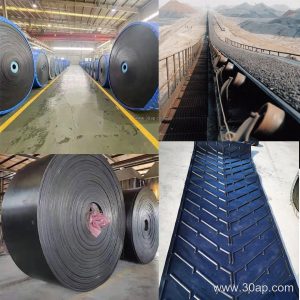
The main role is at the drive position of a bulk material conveyor belt. In a copper mine or a limestone quarry, the drive pulley often works with an EP conveyor belt or a steel cord conveyor belt on a long overland run. In a power plant coal yard or a cement plant clinker line, a flame retardant conveyor belt may be required, and the pulley lagging must suit the same environment. A coal mining conveyor belt in an underground roadway brings dust, moisture and flame resistance requirements together, and the pulley surface has to keep grip without damaging the cover.
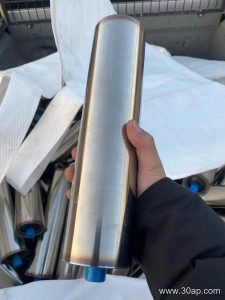
Supporting hardware matters too. The pulley is held by a conveyor bracket or bearing housing, and the belt is supported nearby by an idler roller or a set of conveyor idlers. Alignment between the pulley, the brackets and the belt path affects how evenly the ceramic surface wears. On a chevron conveyor belt or a corrugated sidewall conveyor belt, the pulley usually runs on the flat base area, so cleat height and pulley diameter must be checked together.
Selection and Maintenance Notes
Choose the ceramic lagging for the drive position where slip risk is real, not as a default for every pulley. Confirm the belt cover grade, the expected moisture and the load profile. Ask for the tile pattern drawing and the lagging thickness so the belt can be checked for compatibility. During service, inspect the tile surface for cracked or missing tiles, because a missing tile leaves a soft spot that can wear quickly. Check that the belt tracks centrally, since edge wear on the ceramic surface is often a sign of misalignment rather than a lagging fault. Keep the belt cleaner and the take-up tension correct, and the ceramic lagged drive pulley will normally give long service in demanding mining duty.