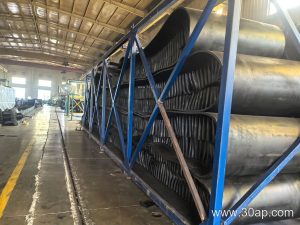
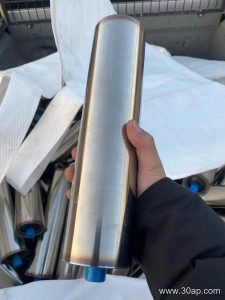
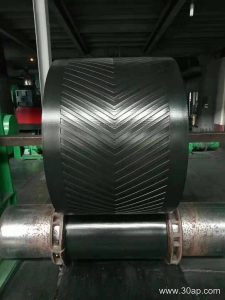
What a 1400mm Diameter Conveyor Pulley Is
A 1400mm diameter conveyor pulley is a large-diameter drum used to drive, tension, or redirect a conveyor belt in demanding bulk handling circuits. At this size, the pulley is usually a heavy fabrication rather than a light accessory, and it is chosen where belt tensions and wrap angles call for a generous contact surface. In a quarry, cement plant, or iron ore terminal, such a drum may sit at the head of a long incline, while a smaller bend pulley nearby simply guides the return strand. The two are not interchangeable, and a 1400mm drum should be specified for its actual duty position.
Engineers often call this component a large head drum or a heavy-duty belt drum. The accurate equivalent name is a 1400mm diameter conveyor pulley, and the size refers to the shell outside diameter, not the belt width or the shaft diameter.
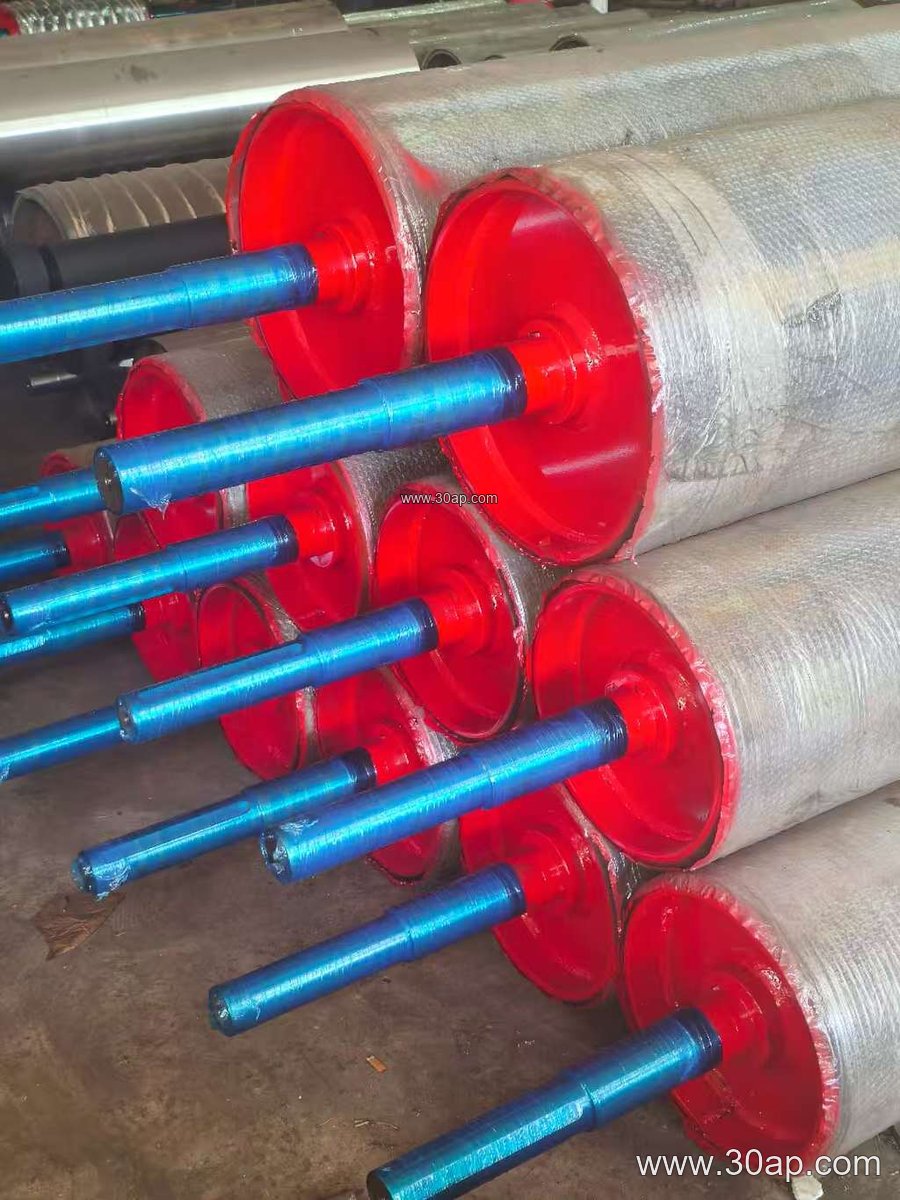
Construction and Surface Options
The shell is typically rolled steel, welded to end discs and a hub, then machined so the face runs true. Shafts are sized by torque and load, with common journals ranging from Ø50 to Ø200 depending on the drive arrangement. A 1400mm drum often pairs with wide belts such as B1400, B1600, or B1800, and the pulley face is normally wider than the belt, for example about 1600mm for a B1400 belt.
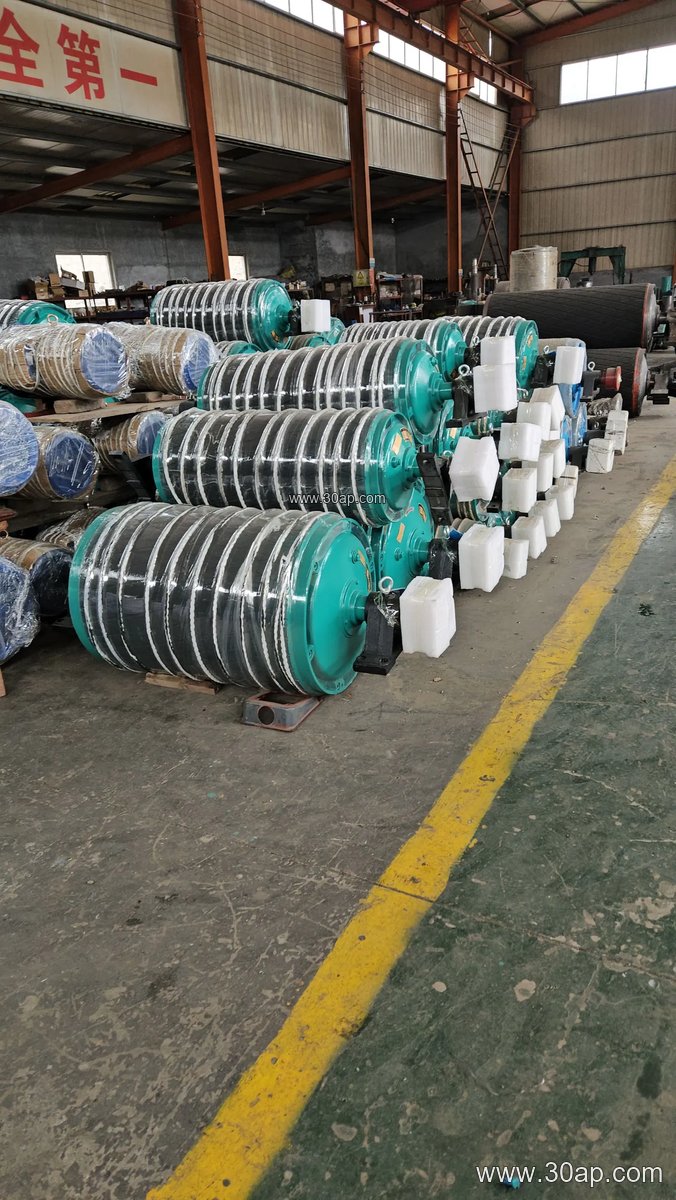
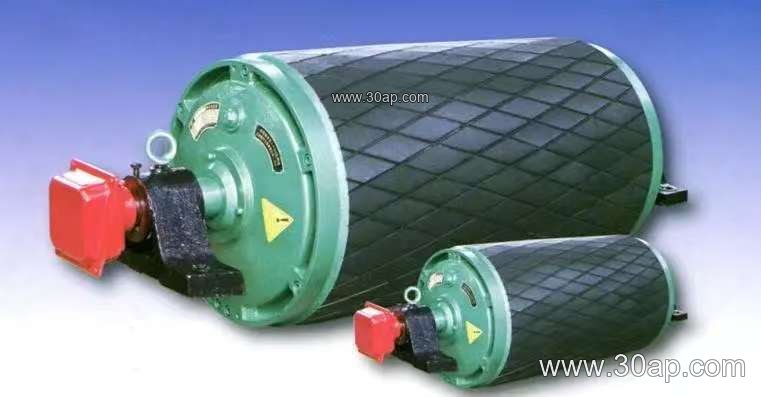
Surface treatment matters as much as the shell. Plain face drums suit some non-drive positions, while rubber lagging improves grip on drive pulleys. Common lagging forms include plain rubber, diamond grooved, herringbone, and ceramic lagging, usually in 8, 10, 12, 15, or 20mm thickness. Rubber lagging is often paired with an abrasion resistant conveyor belt in stone crushing lines, and a flame retardant conveyor belt in coal handling areas may require a compatible lagging compound.
Typical reference combinations
- B1200 belt with a Ø1000 drive pulley, or a larger Ø1400 drum where tension requires it
- B1400 belt with a Ø1400 head pulley and about 1600mm face width
- B1600 belt with a Ø1400 drum and 1800mm face width
- B1800 belt with a Ø1400 pulley and 2000mm face width
These are common references, not fixed rules. A wide belt does not force one specific drum diameter, and shaft size should never be guessed from belt width alone.
Where It Fits in the Conveyor
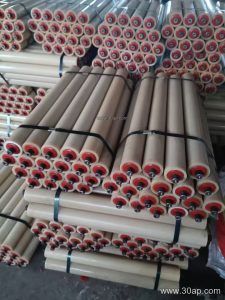
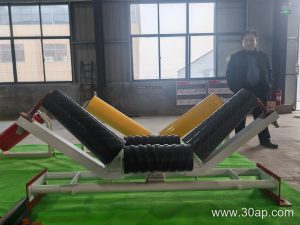
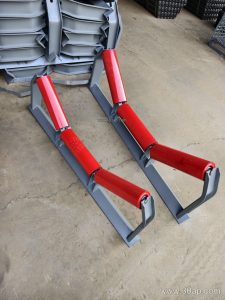
This drum is most often a drive or head pulley at the discharge end of a main line, where it transmits power through friction between the lagged shell and the belt. In a coal preparation plant or a power plant coal yard, it may work with a flame retardant conveyor belt and a series of idler rollers that support the carrying strand. In a limestone quarry or aggregate line, the same size may serve a primary crusher discharge conveyor, running alongside conveyor brackets that hold the stringer and pulley frame.
A 1400mm diameter conveyor pulley is less common as a small tail or snub position, because its mass and cost are better justified by high tension. Where a short redirect is needed, a smaller bend or take-up pulley is usually the better comparison. The 1400mm drum belongs to the main load path, and its bearings, locking assemblies, and frame must be designed as a system.
Buyer Checklist
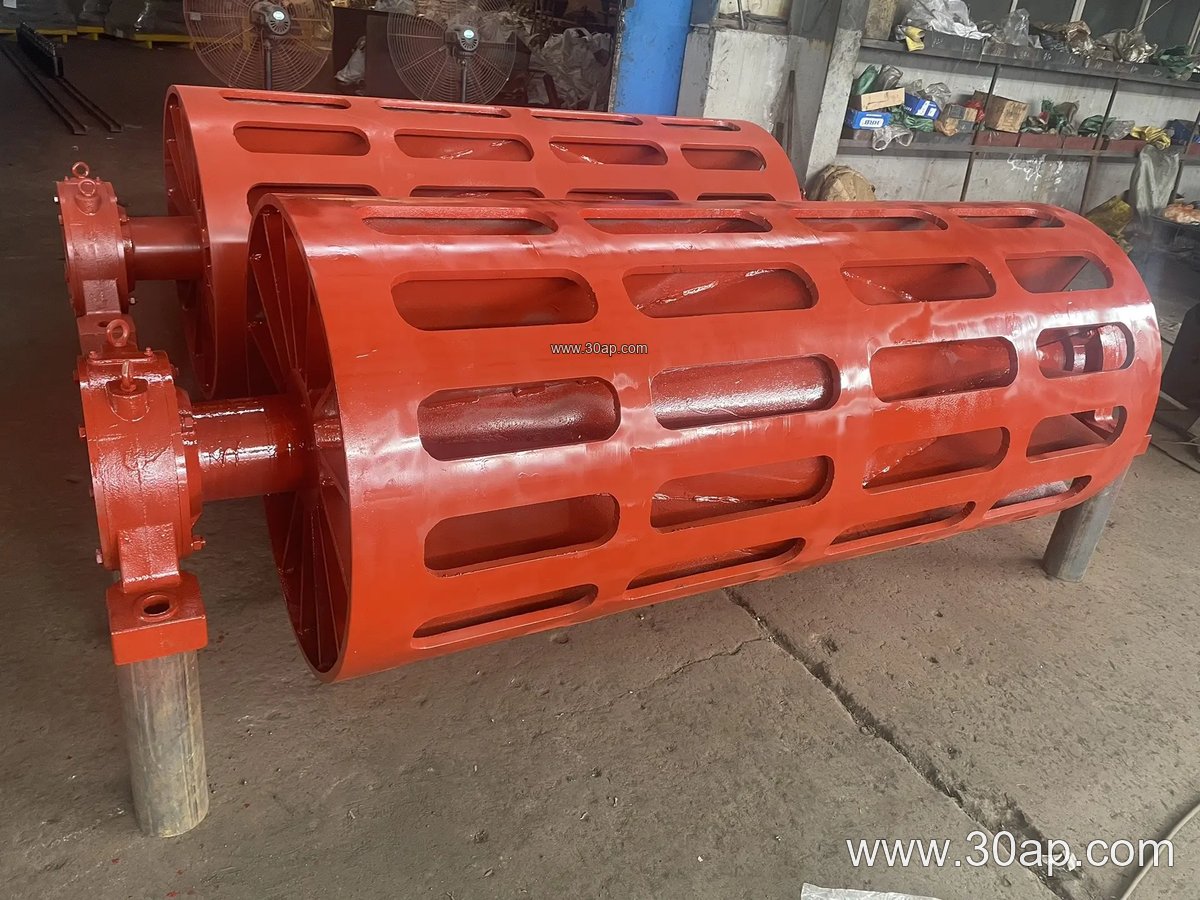
Before ordering, confirm the duty position, belt width, belt type, and expected tension. State whether the drum is a drive pulley with lagging or a non-drive drum, and specify the lagging pattern and thickness if grip or wear protection is needed. Provide the shaft diameter required by the drive coupling and bearing housing, and confirm the face width against the belt, allowing for tracking.
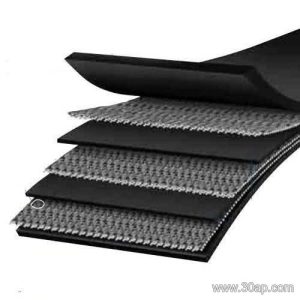
- Belt width and belt construction, such as EP conveyor belt, steel cord conveyor belt, or multi-ply fabric core conveyor belt
- Drum diameter and face width, for example Ø1400 with 1600mm or 1800mm face
- Lagging type and thickness, plus whether grooving or ceramic tiles are required
- Shaft journal size, hub connection, and bearing type
- Operating environment, including dust, moisture, temperature, and fire risk
Ask for a dimensional drawing and a mass estimate. A 1400mm drum is heavy, so lifting points, foundation bolts, and maintenance access should be checked early. For matching components, review the conveyor belt, idler roller, and conveyor bracket layout together, since a mismatch at the frame is harder to correct after delivery.