What the ST2000 Conveyor Belt Is
The ST2000 Conveyor Belt is a steel cord conveyor belt with a nominal tensile strength of 2000 N/mm. It belongs to the ST series, where the number indicates the breaking strength of the steel cord carcass rather than the belt width or the cover thickness. In heavy-duty bulk handling, this grade sits in the upper-middle range of the steel cord family, above ST1600 and below ST2500 and ST3150, which makes it a practical choice for long conveyors that must carry high tonnage without excessive belt mass.
Because the load-bearing element is a layer of parallel steel cords rather than woven fabric plies, the belt stretches very little under tension. That low elongation is the main reason ST2000 is specified on main haulage lines in mining, cement, and power generation, where take-up travel is limited and stable belt length matters.
Construction and Build
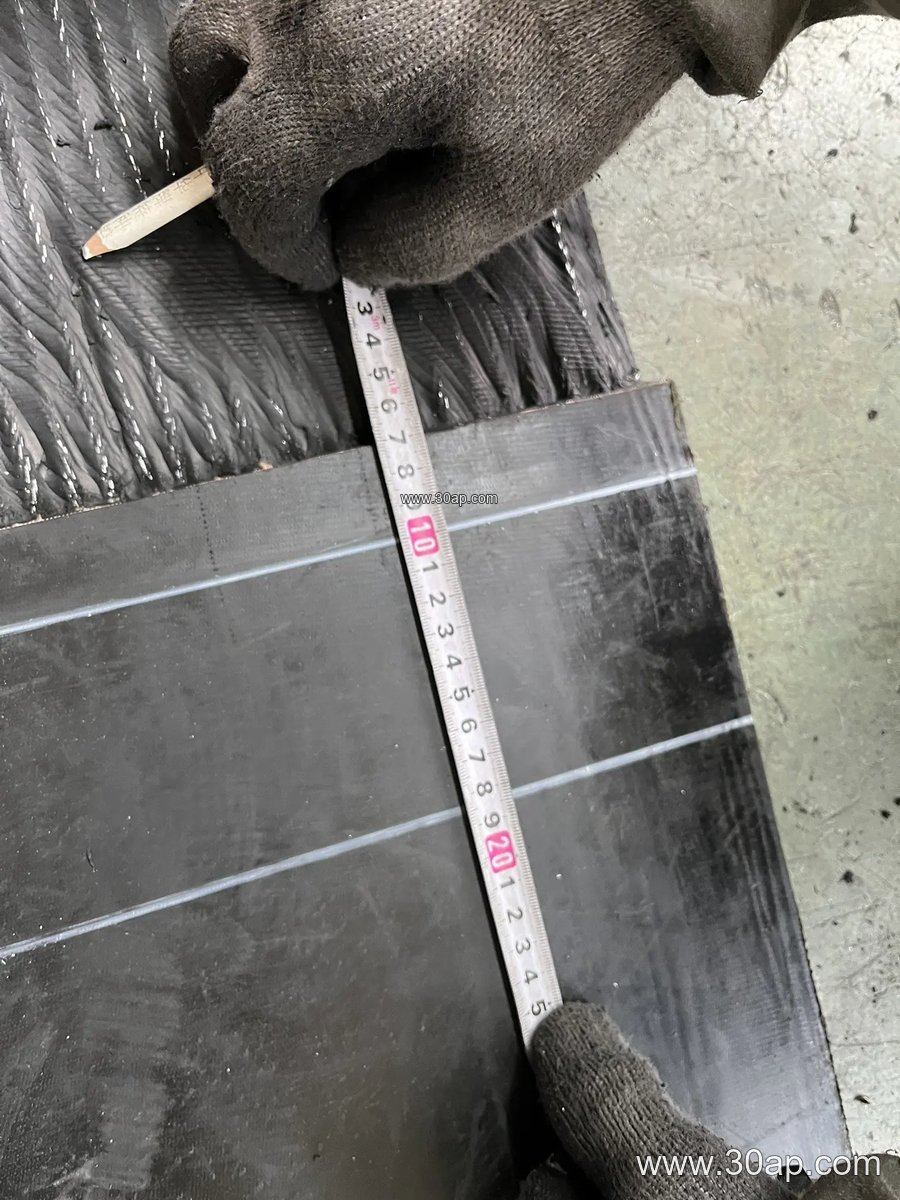
A typical ST2000 belt is built from four functional layers. The core is a single plane of high-carbon steel cords, spaced evenly and embedded in a bonding rubber compound. Above and below the core sit transition layers that anchor the cords and spread stress. The outer surfaces are the top and bottom covers, usually made from abrasion resistant, heat resistant, or flame retardant rubber depending on the duty.
- Carcass: steel cord, nominal strength 2000 N/mm
- Cover compounds: abrasion resistant, flame retardant, heat resistant, oil resistant, or cold resistant grades
- Cover thickness: commonly 6+2 mm, 8+3 mm, or heavier for impact zones
- Widths: B800, B1000, B1200, B1400, B1600, B1800, and B2000 are common; wider and narrower builds are made to order
- Edge design: cut edge or moulded edge, depending on the manufacturer and the pulley arrangement
Cover thickness and compound selection are usually set by the material being carried, not by the cord strength alone. A 1200mm wide ST2000 belt carrying sharp limestone may need a thicker abrasion resistant top cover than the same carcass carrying coal.
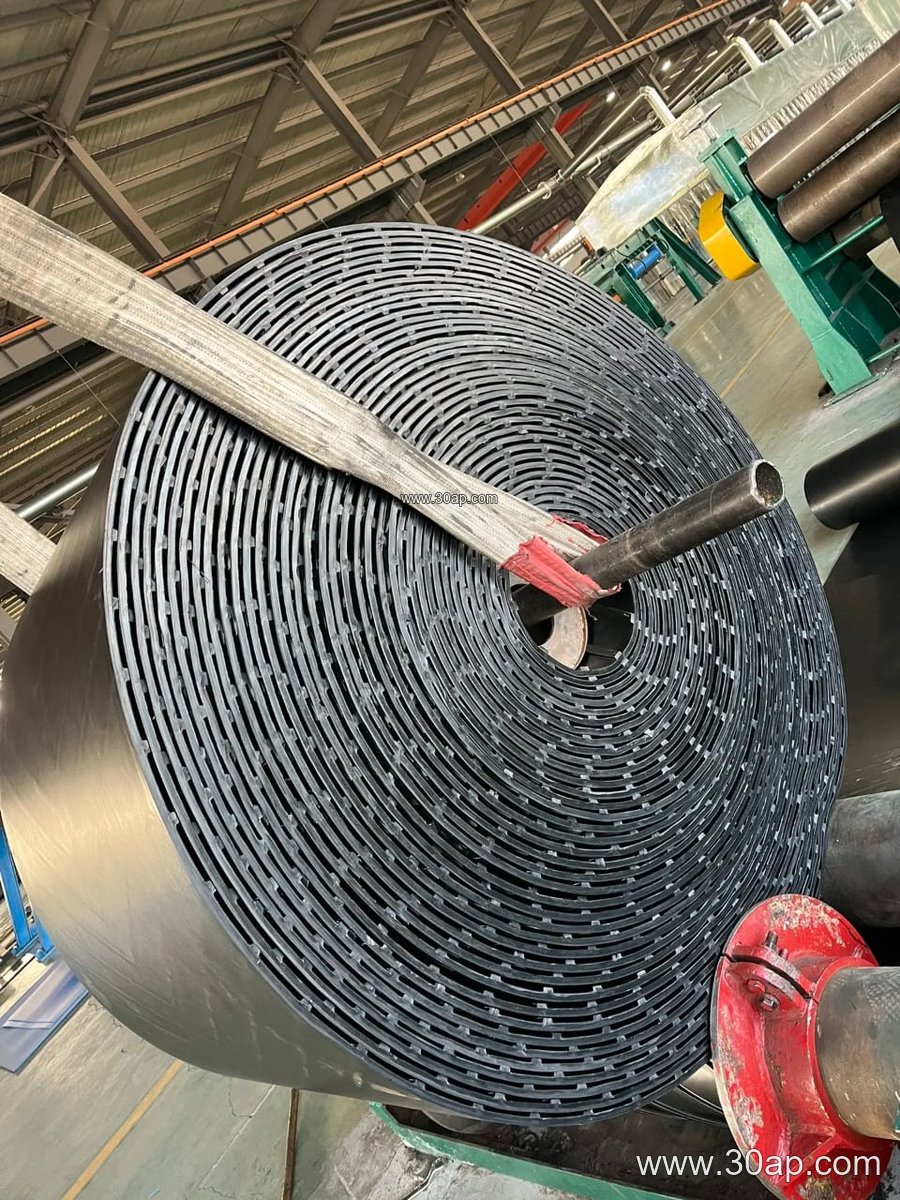
Where It Fits in the Plant
Steel cord belts of this class are common on mainline conveyors in metal mines, coal preparation plants, cement quarries, and port stockyards. They also appear in crushing circuits and on overland conveyors that link a pit or quarry to a processing plant. In a coal mining conveyor belt system, a flame retardant and anti-static version is often requested, while iron ore and copper ore duty usually calls for high abrasion resistance and good impact tolerance at transfer points.
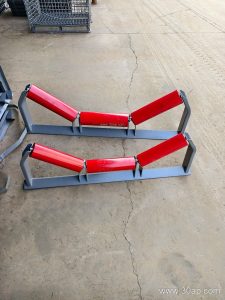
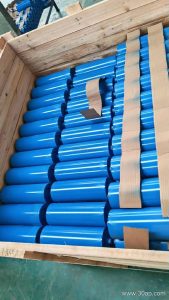
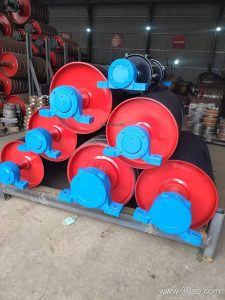
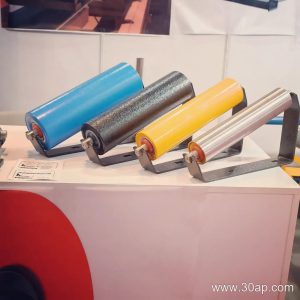
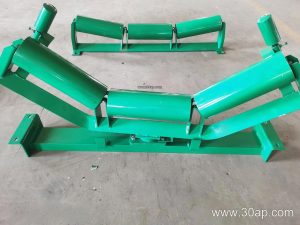
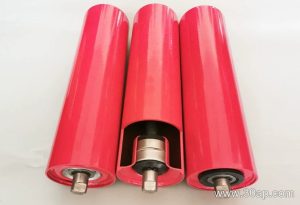
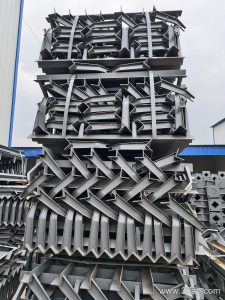
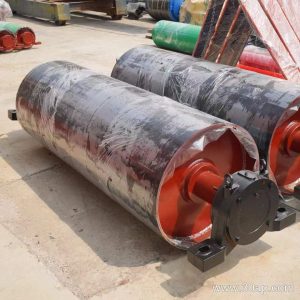
The belt works with conveyor pulleys, idler rollers, and conveyor brackets that are sized for the same duty. Drive pulleys, tail pulleys, and bend pulleys each do a different job, and the belt’s splice and edge design should be checked against all of them. A belt that tracks well on the drive pulley can still mistrack at a bend pulley if the transition distance is short.
Specification Notes for Buyers
When requesting a quotation for an ST2000 Conveyor Belt, give the full duty picture rather than the strength grade alone. The table below shows the kind of data that helps a supplier match the belt to the conveyor.
| Parameter | Typical input |
|---|---|
| Belt width | B1000, B1200, B1400, B1600, B1800, B2000 |
| Cord strength | ST2000 (2000 N/mm) |
| Cover thickness | 6+2 mm, 8+3 mm, or as designed |
| Cover grade | Abrasion resistant, flame retardant, heat resistant, oil resistant |
| Material carried | Coal, limestone, iron ore, clinker, aggregate |
| Lump size and drop height | Used to judge impact resistance at loading points |
| Conveyor length and lift | Used to check tension and take-up |
| Splice method | Hot vulcanized, stepped, per manufacturer instruction |
Belt width and pulley diameter are linked by design rules, but there is no single fixed pairing. A 1200mm belt may run on different pulley sizes depending on cord diameter, trough angle, and tension. Buyers should not assume a shaft diameter from belt width alone; that comes from the pulley and conveyor design.
Selection and Care
For a new project, compare the ST2000 grade against an EP conveyor belt or a multi-ply fabric core belt only where the duty is lighter or the conveyor is short. Fabric belts are easier to splice and often cheaper, but they stretch more and carry less tension per unit width. On long overland routes and high-lift conveyors, the steel cord design usually wins on belt mass and take-up demand.
In service, keep the loading point centered, check idler rollers for seizure, and inspect the splice regularly. A steel cord belt rarely fails in the cord itself; most problems start at the splice, at an edge damaged by mistracking, or at a transfer point where impact tears the cover. Keeping the conveyor pulleys aligned and the conveyor brackets tight protects the belt far more than any single cover upgrade.
For a quotation or a technical review of an ST2000 Conveyor Belt application, send the belt width, cover grade, material type, and conveyor profile so the belt can be matched to the actual duty.