What a Self-Aligning Idler Does on a Conveyor
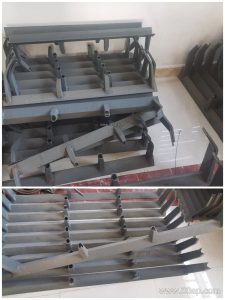
A conveyor belt self-aligning idler is a training idler designed to keep the belt centered as it travels. Unlike a standard carrying idler, this idler is mounted on a pivoting frame or bracket that reacts to belt misalignment. When the belt drifts to one side, it contacts a vertical guide roller or an angled end roll, causing the idler assembly to skew slightly. That skew creates a gentle steering force that nudges the belt back toward the center line. In quarry, cement, and power plant coal handling, this behavior reduces edge damage and spillage without constant manual adjustment.
Construction and Common Configurations
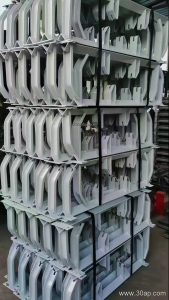
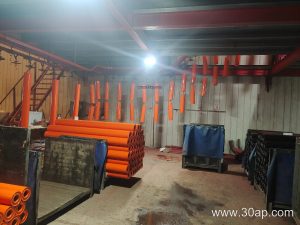
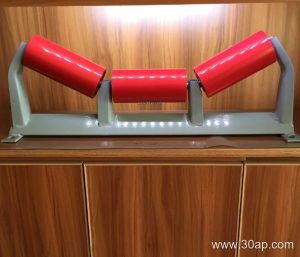
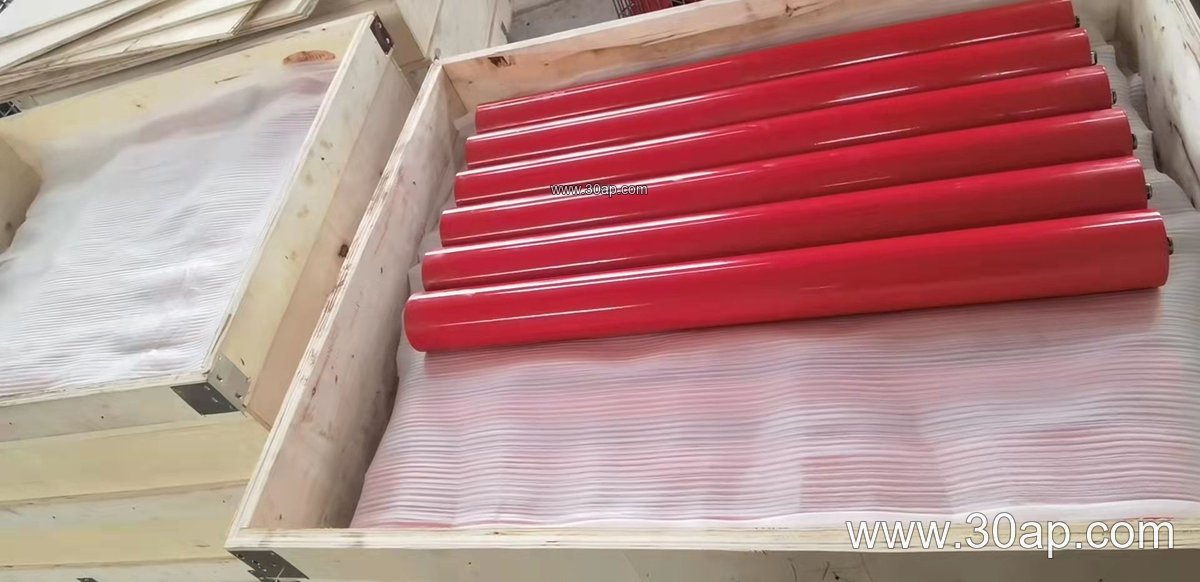
Most self-aligning idlers use a sturdy steel frame with two or three rolls arranged in a trough or return position. The rolls themselves are often steel tube with sealed bearings, and the pivot mechanism is the defining feature. Common roll diameters for this duty include Ø89, Ø108, Ø127, and Ø133 mm, with larger sizes such as Ø159 mm used on wider, heavier belts. Bearing sizes like 6205, 6305, and 6308 appear across many designs, but the bearing is selected by load and speed rather than by roll diameter alone.
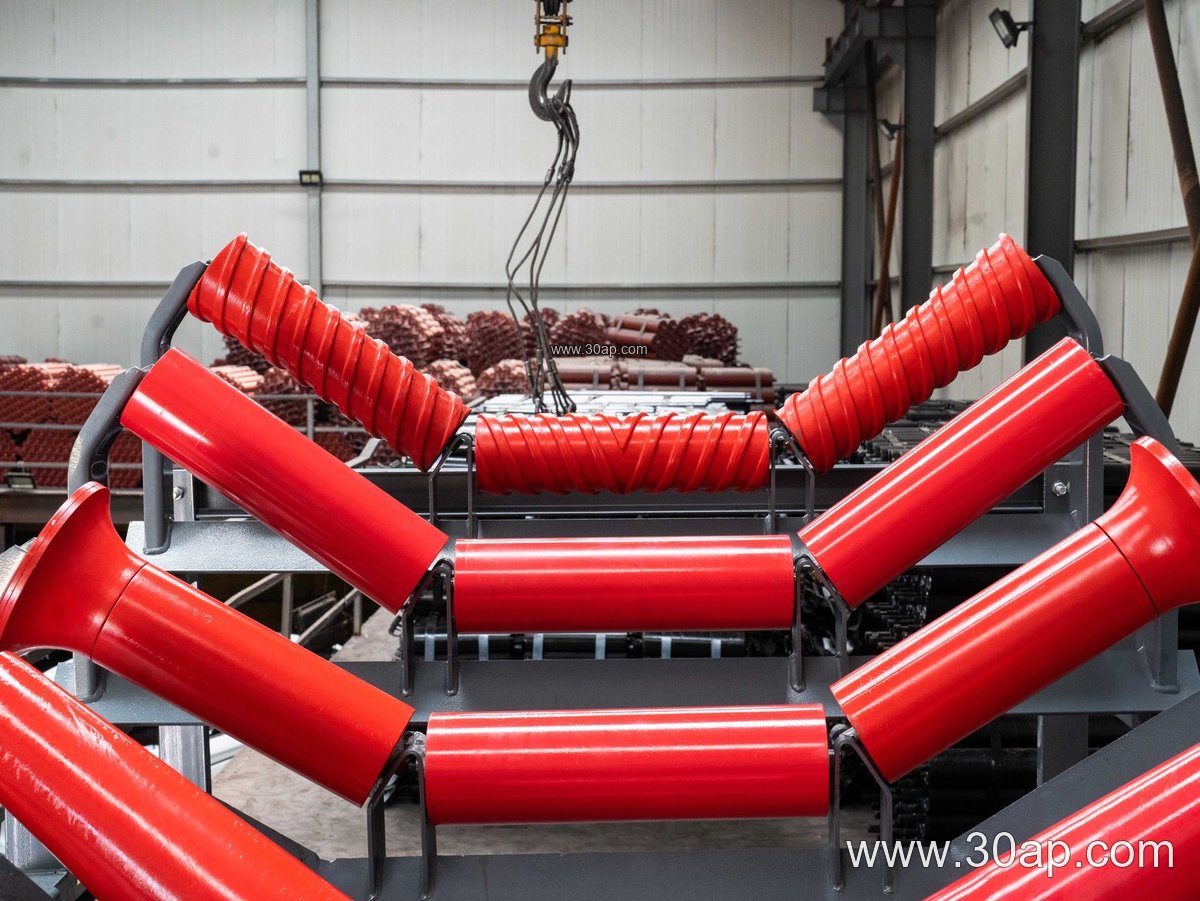
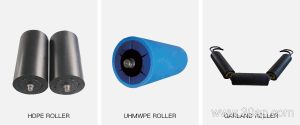
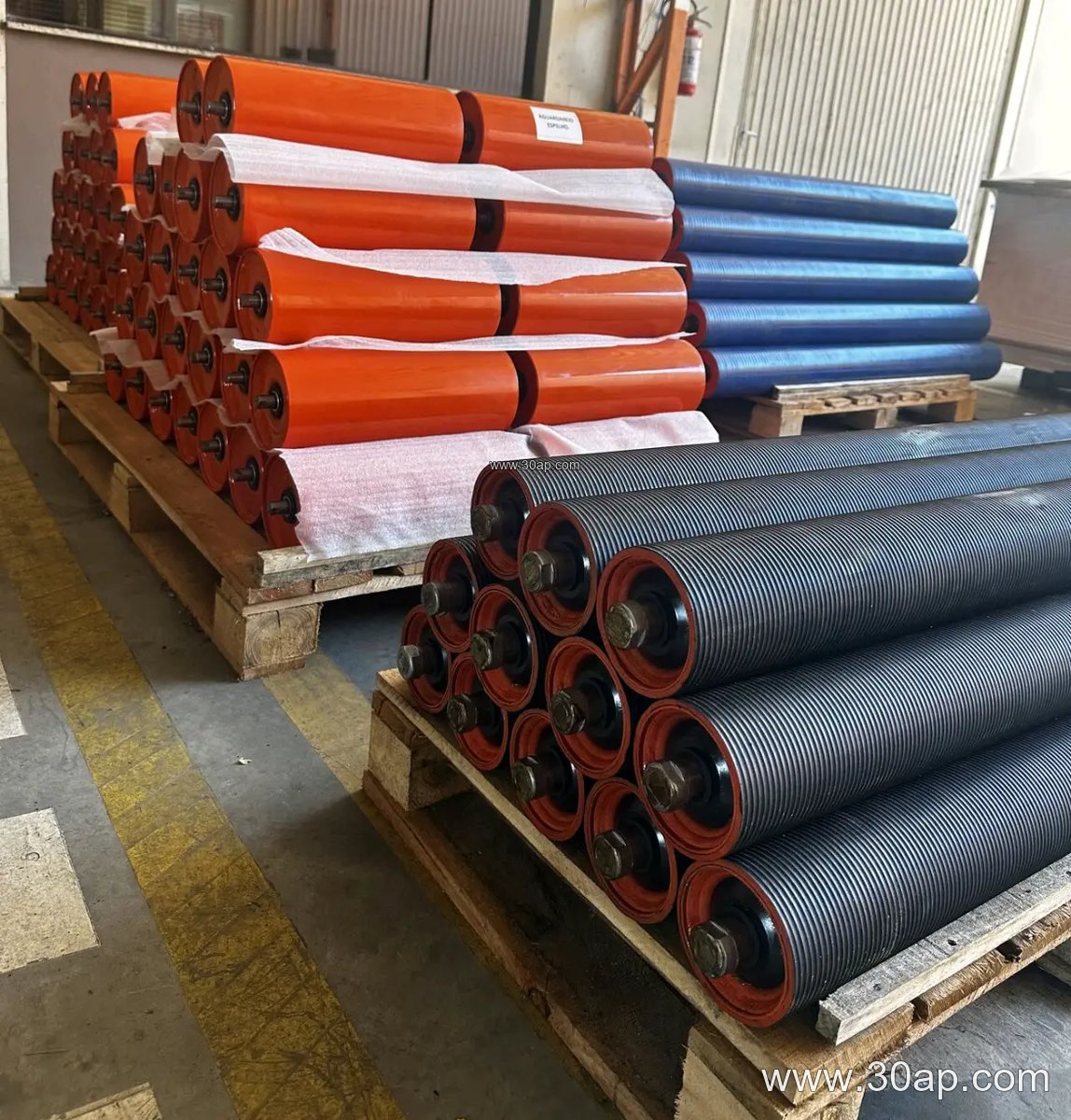
Surface options matter in abrasive or wet conditions. Rubber disc rolls help grip and cushion the belt, while plain steel rolls suit cleaner, high-speed lines. The idler frame usually fits standard conveyor brackets, so replacement or retrofitting does not require a new support structure.
Typical Parameter Reference
The table below shows common reference values. Actual roll length, diameter, and bearing choice depend on belt width, trough angle, and the idler group design.
| Belt Width | Common Roll Diameter (mm) | Typical Roll Length (mm, 3-roll trough) | Common Bearing |
|---|---|---|---|
| B500 | Ø63–Ø89 | 200 | 6204/6205 |
| B650 | Ø76–Ø108 | 250 | 6205/6305 |
| B800 | Ø89–Ø108 | 315 | 6305/6306 |
| B1000 | Ø108–Ø133 | 380 | 6306/6308 |
| B1200 | Ø108–Ø159 | 465 | 6308/6310 |
| B1400 | Ø127–Ø159 | 530 | 6308/6310 |
| B1600 | Ø133–Ø178 | 600 | 6310 |
| B1800 | Ø159–Ø194 | 670 | 6310 |
| B2000 | Ø159–Ø219 | 750 | 6310 |
These values are indicative only. Side rolls and center rolls can differ, and a given belt width may accept more than one roll diameter.
Where Self-Aligning Idlers Are Used
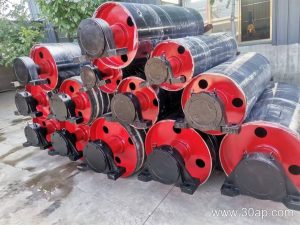
These idlers are common in limestone mines and aggregate crushing circuits where belt training is critical on long inclined runs. They also appear in cement plant clinker transport and in power plant coal conveyors, especially where head and tail pulleys are far apart. In a typical arrangement, self-aligning units are placed after the loading point and before the drive pulley, with return-side versions used on the carry-back strand. They work alongside the conveyor pulley and conveyor bracket system rather than replacing them.
For abrasive ore or heavy rock, a mining conveyor belt with thick covers benefits from training idlers that resist edge wear. In coal mining, flame retardant conveyor belt grades are often paired with well-aligned idlers to reduce frictional heat risks. The idler itself does not control belt tension, so it should be matched to a properly tensioned EP conveyor belt or steel cord conveyor belt.
Selection and Maintenance Notes
- Check belt width and trough angle before choosing roll length; a B800 belt typically uses a shorter roll than a B1400 belt.
- Match the pivot frame to the existing conveyor bracket and ensure the guide rollers are free to move.
- Inspect bearings and seals during scheduled stops; dust ingress is the main cause of seizure in quarry and cement service.
- Do not use a self-aligning idler to correct a badly loaded belt or a damaged conveyor pulley; fix the root cause first.
- For return-side training, a V-return or flat return self-aligning idler may be more suitable than a troughing type.
Buyers should ask for the roll diameter, bearing number, and frame dimensions rather than assuming a standard size. A self-aligning idler is a tracking aid, not a substitute for correct belt splicing or pulley alignment. When specified with the right roll surface and bearing protection, it can extend belt life in sand and gravel plants, iron ore terminals, and coal handling systems. For related components such as idler roller assemblies and conveyor pulley units, keep the same width and load class in mind so the whole conveyor runs as a system.