What a Terminal Conveyor Idler Does
A terminal conveyor idler is the last supporting roller assembly at the discharge or feed end of a conveyor. It sits close to the head or tail pulley, where the belt changes direction and material load is often heaviest. Unlike a standard carrying idler in the middle of the run, this idler must handle impact, misalignment, and belt tracking right at the transfer zone. In quarry and aggregate lines, a well-chosen terminal idler keeps the conveyor belt from sagging into the structure and reduces spillage at the chute.
The same product is also called an end idler or terminal roller. It is not a drive pulley, tail pulley, or bend pulley, and it should never be ordered as a substitute for those components. Those pulleys transmit power or change belt direction; the terminal idler only supports the belt and its load.
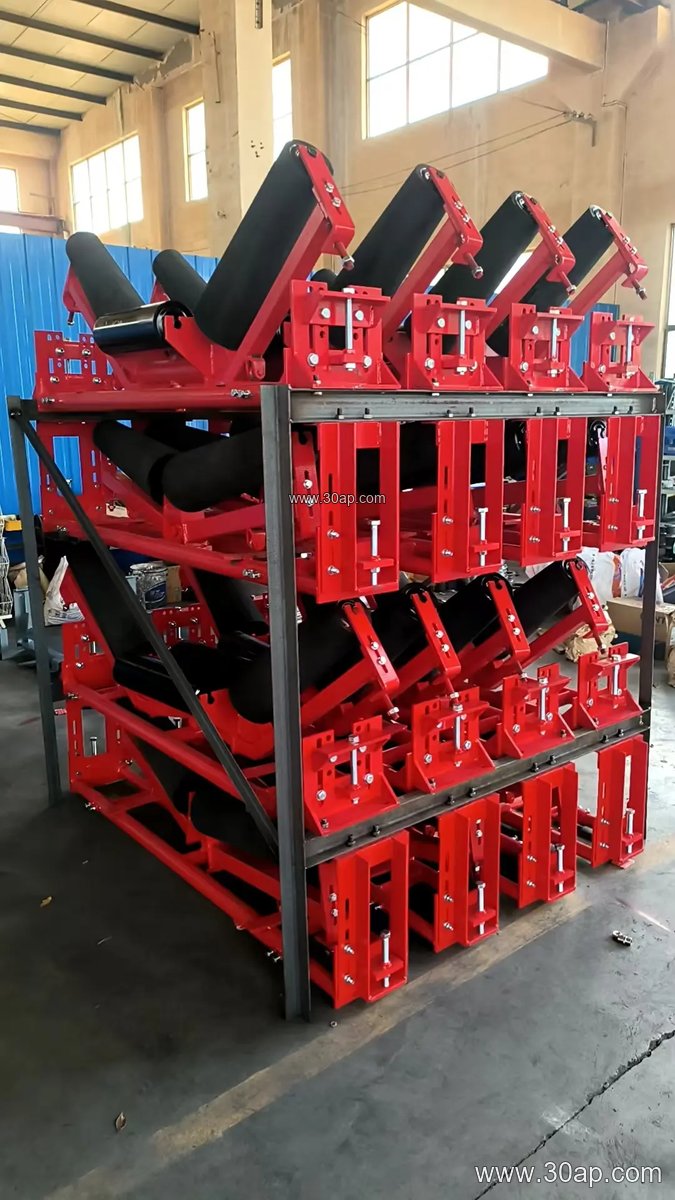
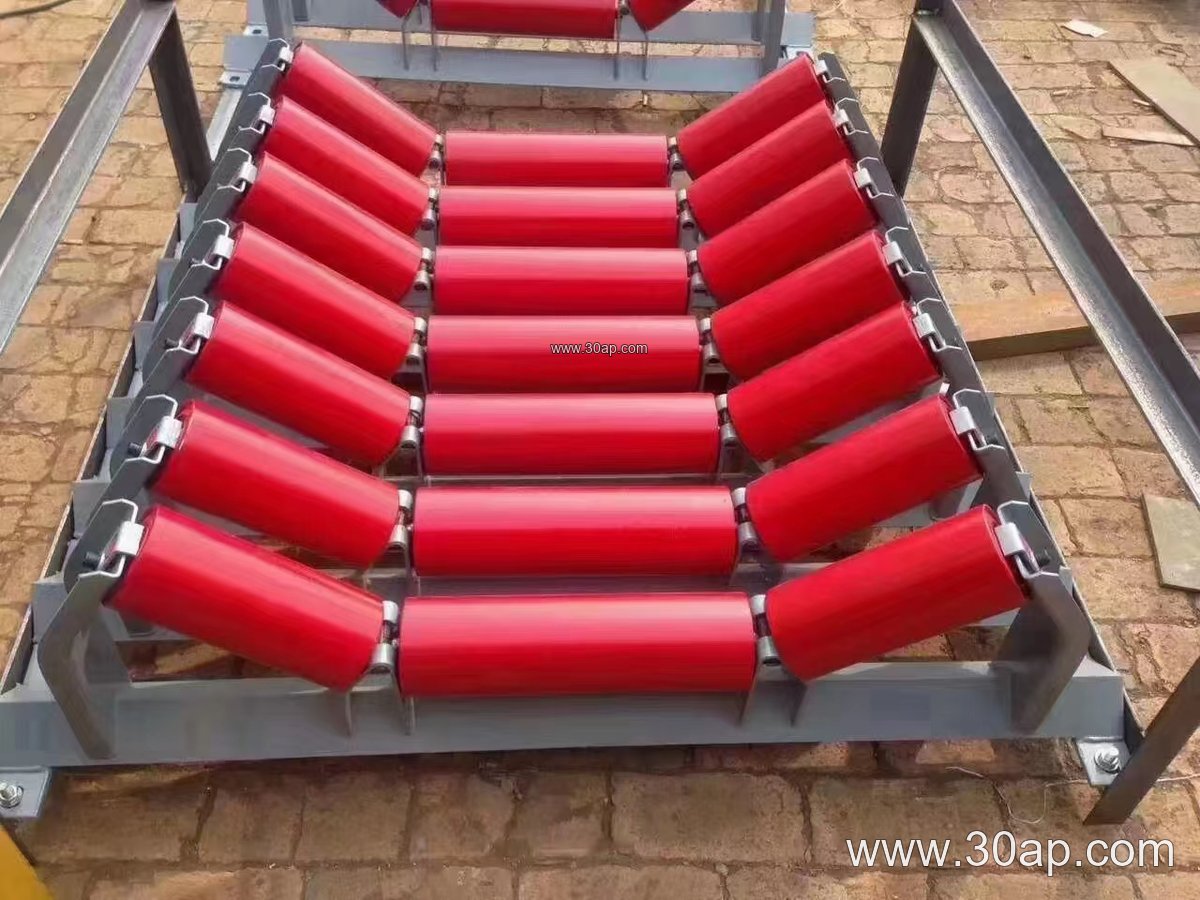
Construction and Common Configurations
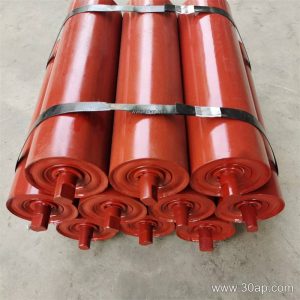
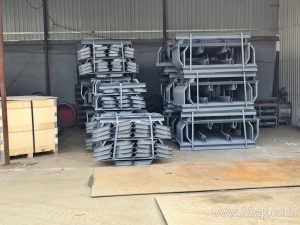
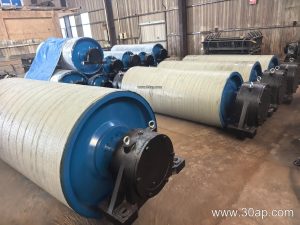
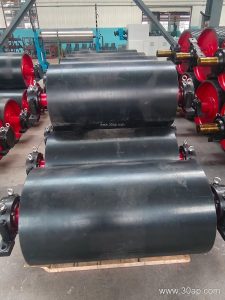
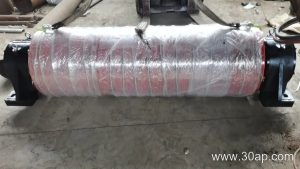
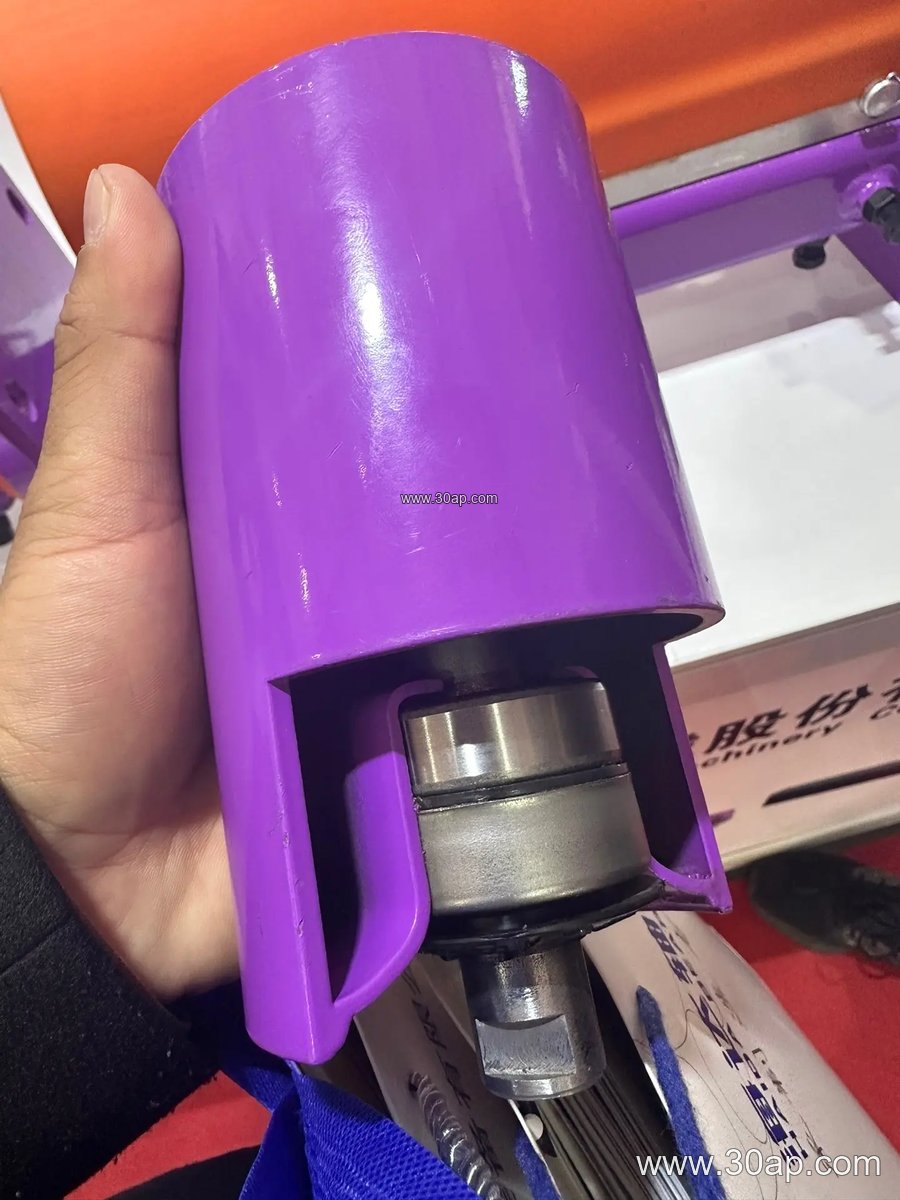
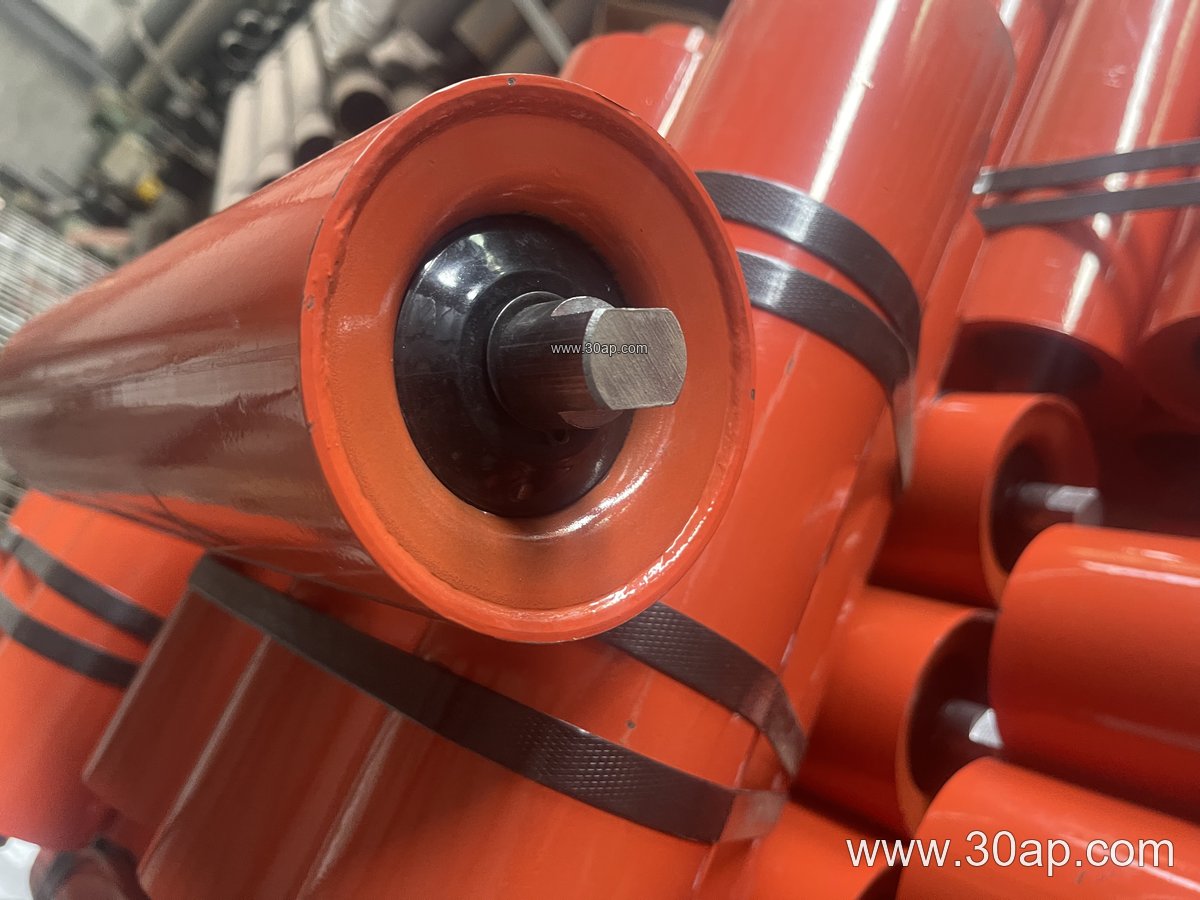
Most terminal idlers use a steel tube shell fitted with sealed bearings and a shaft. The roller surface may be plain steel, nylon, rubber-covered, or ceramic-lined depending on wear conditions. Bearing sizes commonly include 6204, 6205, 6305, 6306, 6308, and 6310. The idler length is matched to belt width, trough angle, and the idler set form.
At the terminal position, a three-roll trough set is common for wider belts, while a single-roll or two-roll set may appear on smaller units. Trough angles are usually 20, 30, 35, or 45 degrees. For comparison, a transition idler may use a shallower angle to ease the belt from flat to troughed, but a terminal idler is selected mainly for support at the end of the run.
Typical reference dimensions
| Belt width | Common idler length (three-roll set) | Typical roll diameter range |
|---|---|---|
| B500 | about 200 mm | Ø63 to Ø89 |
| B650 | about 250 mm | Ø76 to Ø108 |
| B800 | about 315 mm | Ø89 to Ø133 |
| B1000 | about 380 mm | Ø102 to Ø159 |
| B1200 | about 465 mm | Ø108 to Ø178 |
| B1400 | about 530 mm | Ø127 to Ø194 |
| B1600 | about 600 mm | Ø133 to Ø219 |
These are common examples, not fixed matches. Side rolls and center rolls can differ, and the final shaft diameter is set by the idler manufacturer based on load and bearing selection, not by belt width alone.
Where It Fits in the Plant
You will find terminal idlers in stone crushing plants, cement plants, and power plant coal handling systems. In a copper mine or iron ore concentrator, the discharge end of a conveyor feeding a screen or crusher is a typical location. The idler works with the conveyor bracket and frame to keep the belt stable as material leaves the belt. In dusty or wet conditions, sealed bearings and a wear-resistant shell matter more than a low price.
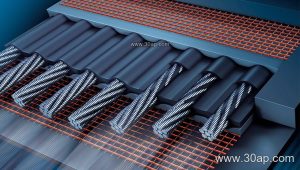
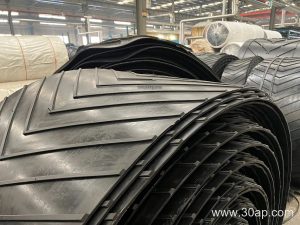
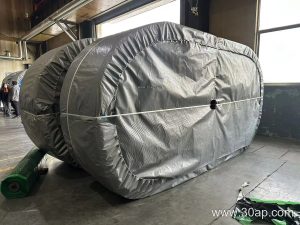
For the belt itself, plants often pair this idler with a rubber conveyor belt or an EP conveyor belt in abrasive service. In underground coal mining, a flame retardant conveyor belt and a PVG conveyor belt are common, and the terminal idler must be selected to suit the same duty. A steel cord conveyor belt may run over larger idlers at high tension, while a fabric core conveyor belt uses lighter rolls. The idler choice should follow the belt construction, not the other way around.
Buyer Checklist
- Confirm the mounting position: head end, tail end, or a transfer chute. This affects impact rating and roll type.
- Match roll diameter and bearing to the actual load, not only to belt width.
- Check the trough angle and idler set form used on the existing conveyor.
- Specify the shell material for the environment: rubber-covered for impact, ceramic for high abrasion, nylon for general use.
- Ask for the shaft and bearing arrangement drawing before ordering, since bracket dimensions vary.
- For coal or underground service, request flame retardant and anti-static properties for the belt, and confirm idler sealing for dust.
For a quick reference, a B800 belt on a three-roll terminal set might use 315 mm rolls with a 30-degree trough, but a B1200 conveyor in a quarry may need 465 mm rolls and a heavier bearing. Do not assume one belt width locks in one pulley diameter or one shaft size. The terminal idler is a support component, and its job is to keep the belt running cleanly at the point where the material leaves the line.