What a Conveyor Bracket Really Does
In any belt conveyor system, the conveyor bracket is the quiet workhorse that holds the idler roller in position and keeps the belt profile stable under load. Procurement of this component is not simply a matter of ordering steel shapes; it is about matching the bracket design to the belt width, trough angle, roller diameter, and the material being carried. A poorly specified bracket can cause belt misalignment, premature roller wear, and spillage in demanding sites such as a limestone quarry, a coal washing plant, or a power station coal yard.
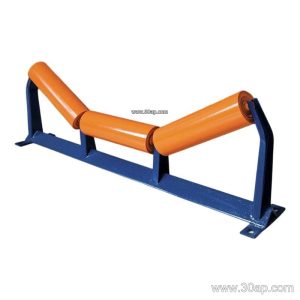
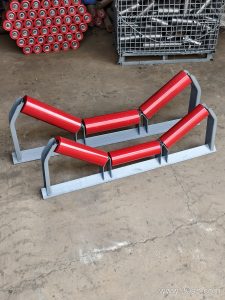
The bracket, often called a conveyor idler frame or idler support bracket, is typically fabricated from angle steel, channel steel, or folded steel plate. It carries the conveyor pulley loads indirectly by supporting the idlers that in turn support the conveyor belt. Buyers should treat the bracket as part of a system, not an isolated part number.
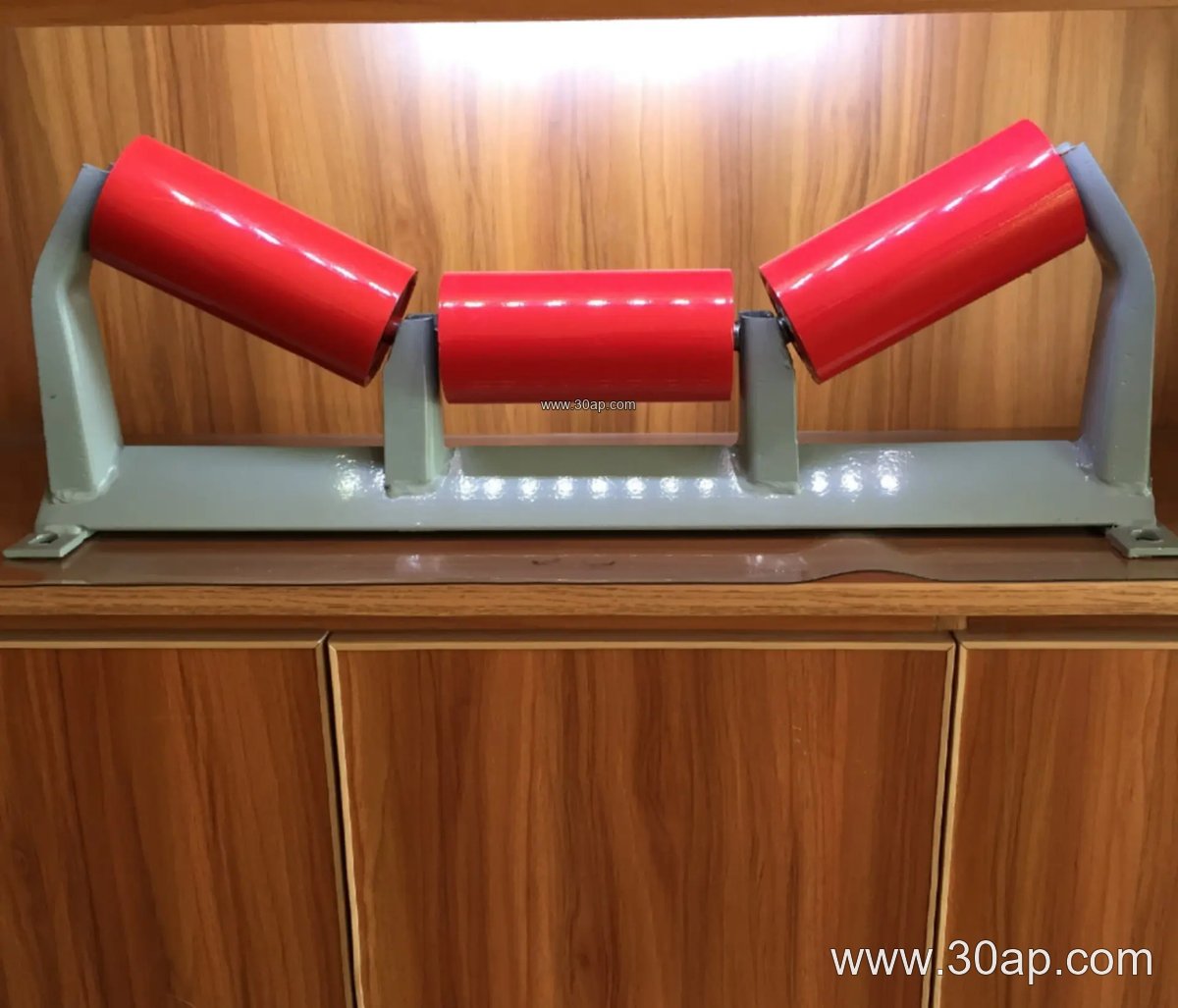
Common Bracket Types and Where They Sit
Conveyor brackets come in several forms, and each has a defined position along the conveyor structure. Troughing brackets support the carrying side and set the trough angle. Return brackets hold the belt on its return run. Impact brackets sit under loading points to absorb shock. Self-aligning brackets help correct belt tracking, while transition brackets ease the belt from flat to troughed profile.
- Troughing bracket, upper trough bracket: carrying side, sets the trough angle
- Transition bracket: near the pulley, gradual profile change
- Return bracket, flat return bracket, V-return bracket: return strand support
- Impact bracket: below the loading chute
- Self-aligning bracket: tracking correction on long runs
- Forward-leaning bracket: slight lead angle, usually about 1.5 to 2 degrees
- Suspended bracket and adjustable bracket: special structure or angle adjustment
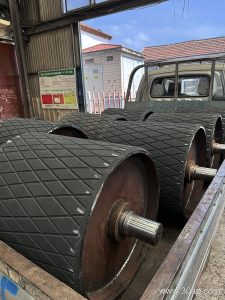
For a relevant comparison, a drive pulley, tail pulley, and bend pulley each have distinct roles at the ends and bends of the conveyor, and none of them should be confused with the bracket that supports the idlers. The bracket is a structural support, not a rotating drum.
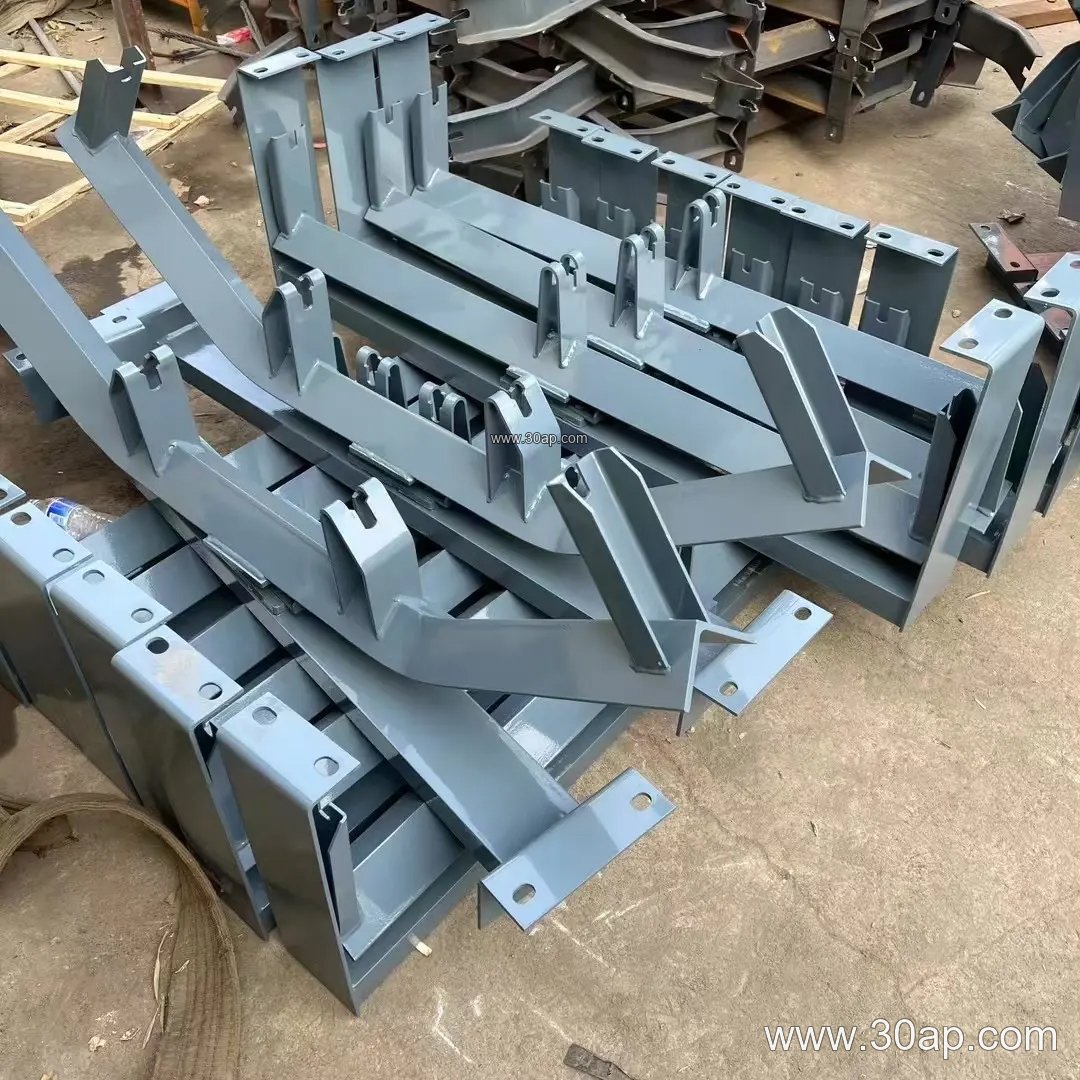
Matching Bracket to Belt Width, Trough Angle, and Roller Diameter
Specification should follow the conveyor design. Common belt widths include B500, B650, B800, B1000, B1200, B1400, B1600, B1800, B2000, B2200. Trough angles are usually 20, 30, 35, or 45 degrees, and adjustable brackets can be set between these values. Roller diameters commonly include Ø89, Ø108, Ø133, Ø159, and Ø194. A bracket may be described as B800, 35 degrees, Ø108, or B1200, 45 degrees, Ø133, but these are examples, not fixed rules. No single belt width is limited to one trough angle or one roller diameter.
| Parameter | Common Reference Range | Procurement Note |
|---|---|---|
| Belt width | B500 to B2200 | Confirm with conveyor layout |
| Trough angle | 20, 30, 35, 45 degrees | Adjustable types allow field change |
| Roller diameter | Ø89, Ø108, Ø133, Ø159, Ø194 | Match idler shaft and frame |
| Material | Angle steel, channel steel, folded plate | Check coating and thickness |
| Mounting hole spacing | By design | Varies with width and angle |
Installation hole spacing and crossbeam length change with belt width and trough angle, so they should never be treated as universal constants. Buyers should request drawings that show hole centers, beam length, and roller seat dimensions.
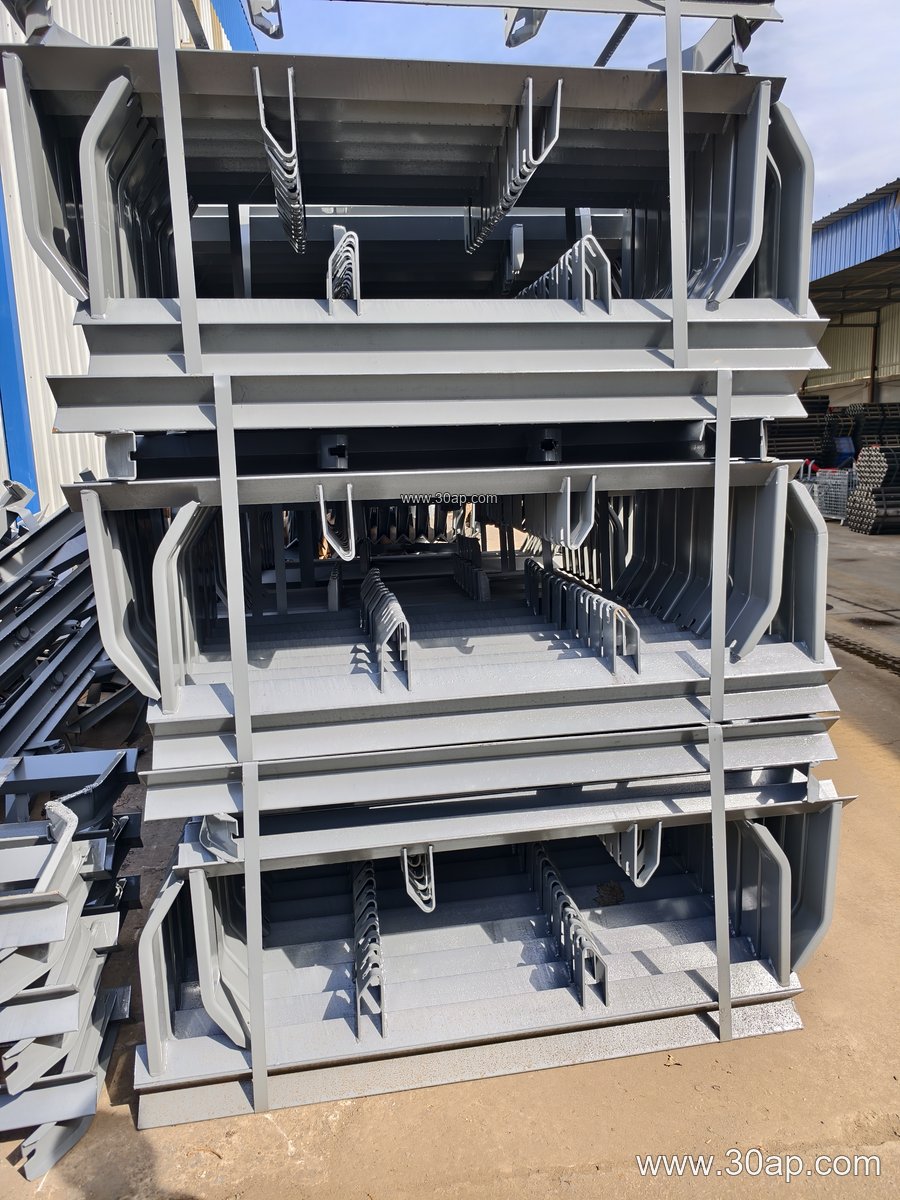
Procurement Checks Before Ordering
A sound conveyor bracket procurement process starts with the conveyor data sheet: belt width, trough angle, idler diameter, load conditions, and environment. In a sand and gravel line or a cement plant, dust and abrasion resistance of the coating matter. In a steel plant or sinter plant, heat and spillage may call for heavier fabrication. In a port or ship loading facility, corrosion protection deserves attention.
Ask for material certificates, dimensional drawings, and weld inspection details where relevant. Confirm whether the bracket is fixed or adjustable, and whether it is designed for a rubber conveyor belt, an EP conveyor belt, or a steel cord conveyor belt profile. The bracket itself does not change with the belt cover grade, but the belt stiffness and troughability affect how the bracket and idler roller should be arranged. On a long overland run carrying bulk material, a flame retardant conveyor belt or a heat resistant conveyor belt may be used, and the bracket spacing should still follow the conveyor design rather than the belt label alone.
Finally, plan spare parts. Ordering a small batch of transition and impact brackets alongside the main troughing sets can reduce downtime in a crusher conveyor or quarry conveyor circuit. Keep the drawing revision number on file so future orders match the existing structure.