Preparing to Install a Conveyor Pulley Outdoors
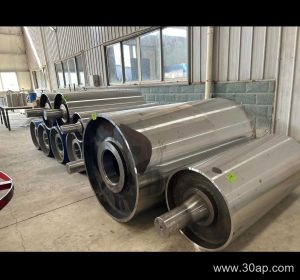
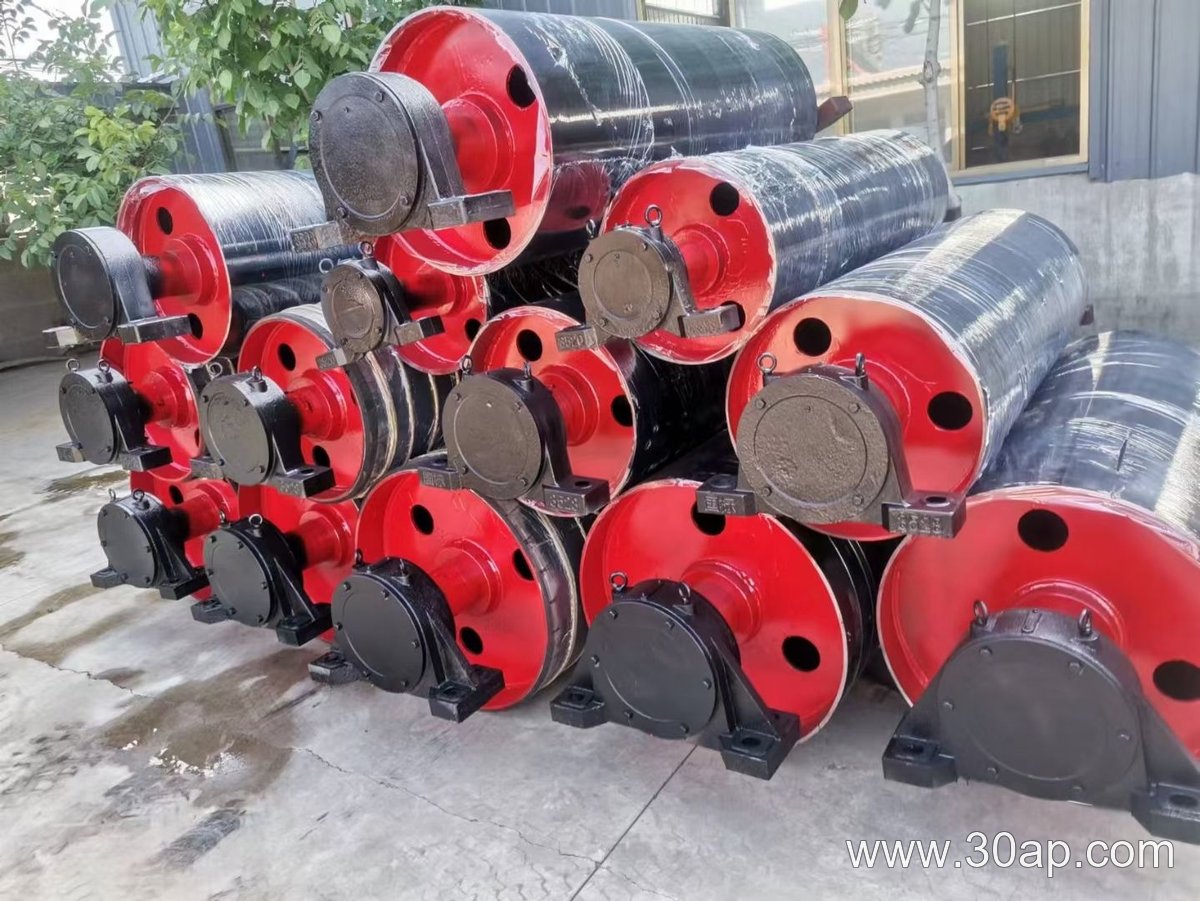
Wet outdoor conveyors punish a conveyor pulley through rain, washdown, and mud. Before mounting, inspect the shaft, bearing housings, and lagging for shipping damage, and confirm the frame is square and level. Hypothetical example: a 600 mm face width pulley on a 12 m conveyor should be checked for a clear drainage path so water does not pool at the bearing seals.
Mounting and Alignment
Set the conveyor pulley on its bearing blocks, then align the shaft perpendicular to the belt centerline. Use a laser or string line across the pulley face; correct any twist by shimming the bearing housings. Tighten fasteners in a cross pattern, and verify the pulley rotates freely by hand before tensioning the belt. On wet outdoor units, add a drip shield above the bearing seals.
Commissioning Checks
- Run the conveyor unloaded for several minutes and watch for belt drift at the pulley.
- Check lagging contact: the belt should track centered and not rub the frame.
- After one hour, re-torque bearing bolts and inspect for water ingress or grease washout.
Why Does My Wet Outdoor Conveyor Bracket Keep Losing Alignment?
Because water is pooling under the bracket, thermal cycling is loosening the anchor bolts, or the bracket was never shimmed to drain. Check these in order: drainage, fastener torque, then shim condition.
Step 1: Check for Water Traps
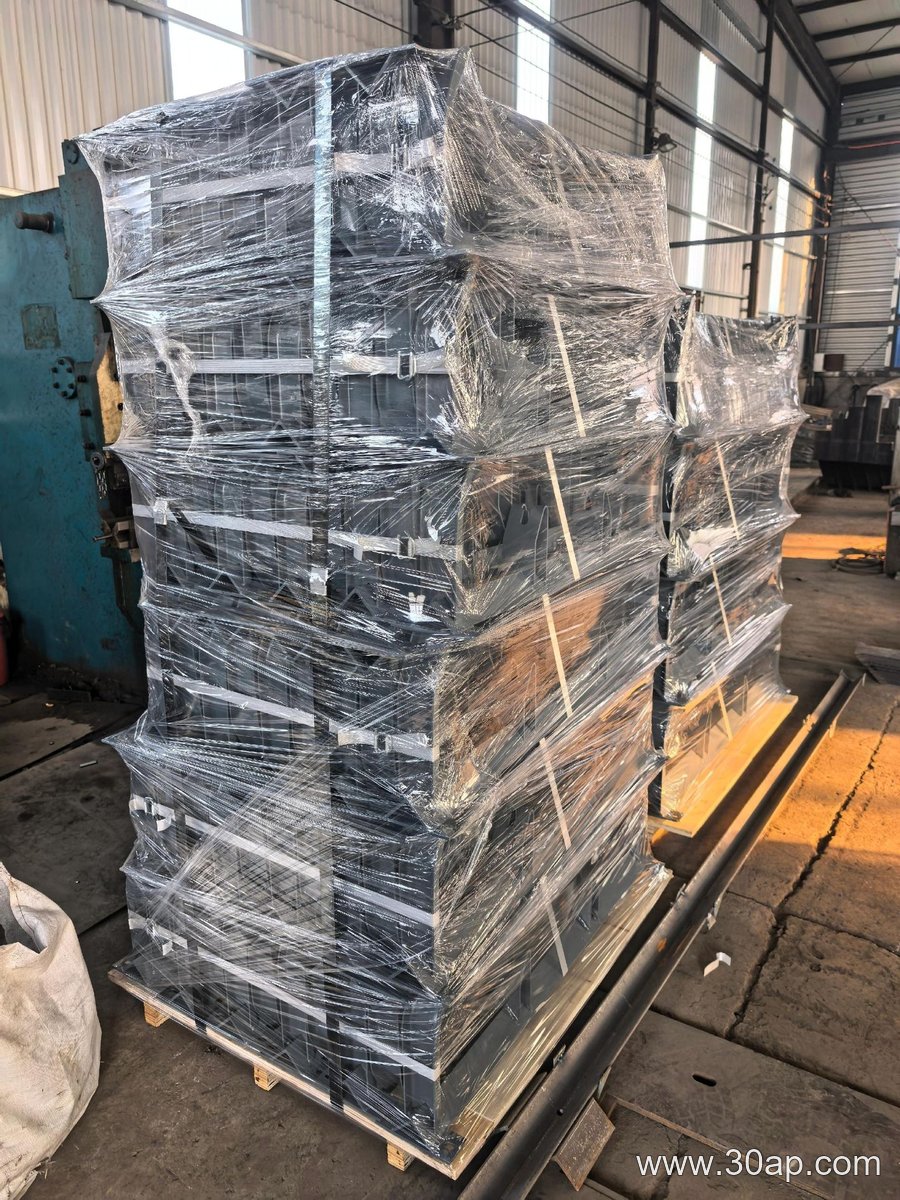
Look for standing water in the bracket’s channel or on the mounting pad. If water sits, the bracket moves as the ground freezes or softens. A conveyor bracket should shed water, not hold it.
Step 2: Verify Anchor Bolt Torque
Wet outdoor temperature swings relax bolted joints. Re-torque to the manufacturer’s specification, not a guessed value. Loose bolts let the bracket shift under load.
Step 3: Inspect Shims and Pads
Corroded or crushed shims change the bracket’s angle. Replace them with corrosion-resistant shims that allow drainage. Recheck alignment after each step.
From Raw Material to Finished Conveyor Belt: A Quality Chain
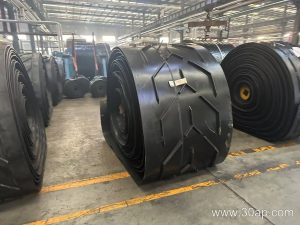
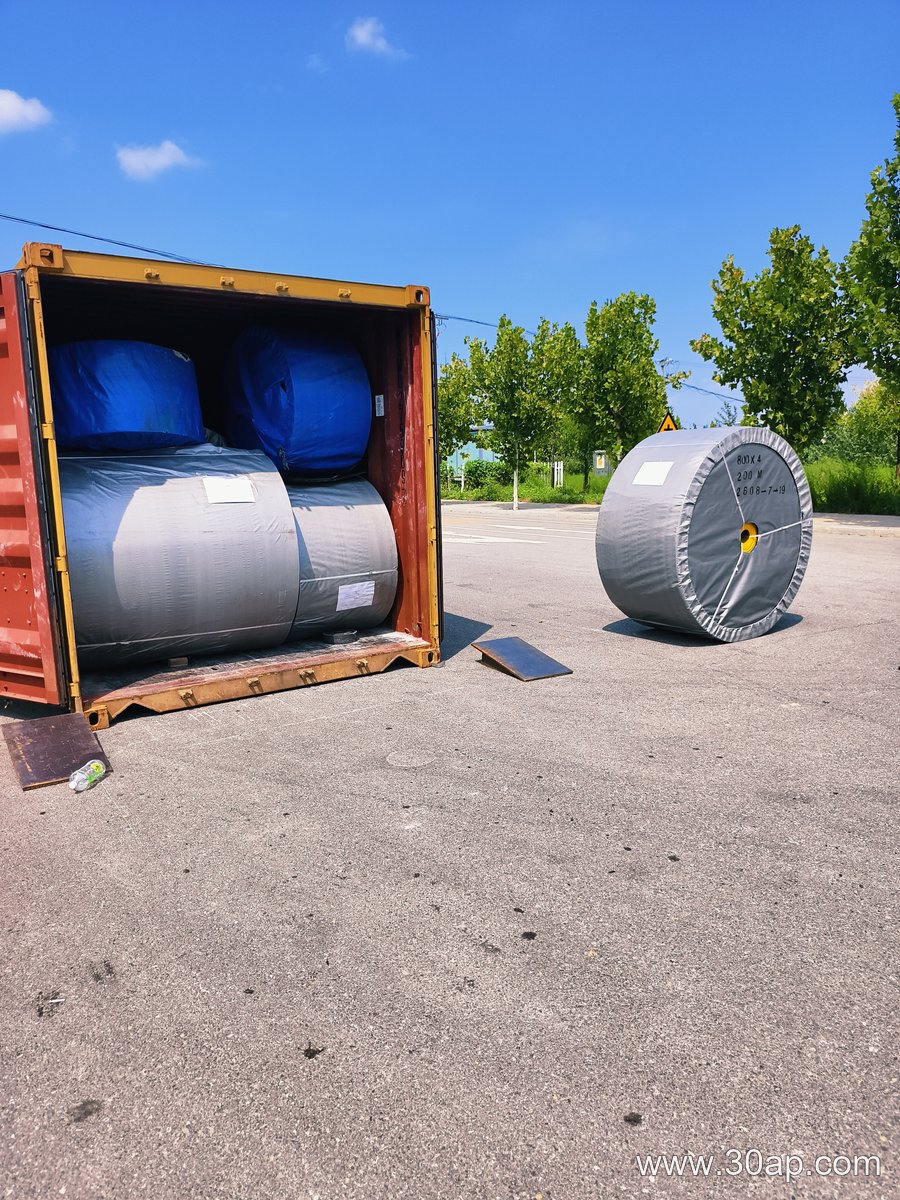
In a mineral-processing plant, a conveyor belt must endure abrasion, impact, and dust. The manufacturing process directly influences how well it performs. Each stage—compounding, calendering, building, curing, and finishing—affects the belt’s strength, flexibility, and wear resistance.
Compounding and Calendering
Rubber compounds are mixed to achieve specific properties like abrasion resistance and oil resistance. Calendering then forms uniform sheets for the cover and carcass. Inconsistent thickness here can lead to premature belt failure.
Building and Curing
During building, fabric plies and cover sheets are assembled. Misalignment causes tracking issues later. Curing under heat and pressure vulcanizes the rubber, bonding layers. Improper cure reduces adhesion and belt life.
Finishing and Quality Control
Edge trimming and surface treatment ensure a clean profile. Inspections for thickness, adhesion, and tensile strength catch defects. A well-made conveyor belt delivers reliable service in demanding mineral processing environments.
Double-Sealed vs Trough Idler Roller: Dust Protection or Load Support?
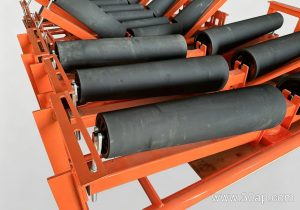
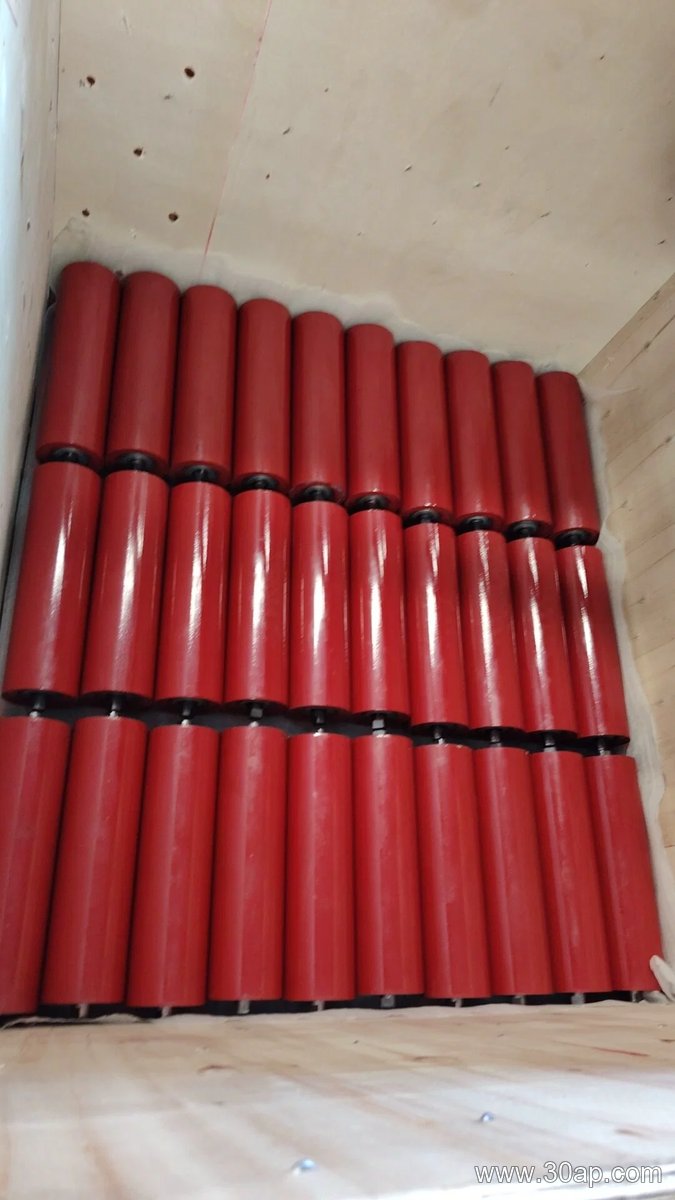
At a bulk-material port terminal, dust and spillage are constant. A double-sealed idler roller keeps grit out of the bearing, while a belt conveyor trough idler roller handles the load. Choose based on whether the problem is premature bearing failure or belt sag.
Double-Sealed Idler Roller
Benefit: longer bearing life in dusty air. Limitation: higher friction and cost. Suitable where fine cargo dust penetrates standard seals.
Belt Conveyor Trough Idler Roller
Benefit: supports the belt and distributes heavy loads. Limitation: exposed seals can fail early in abrasive dust. Suitable on the carrying side with regular cleaning.