Introduction to Structural Support Geometry
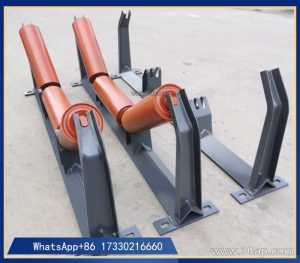
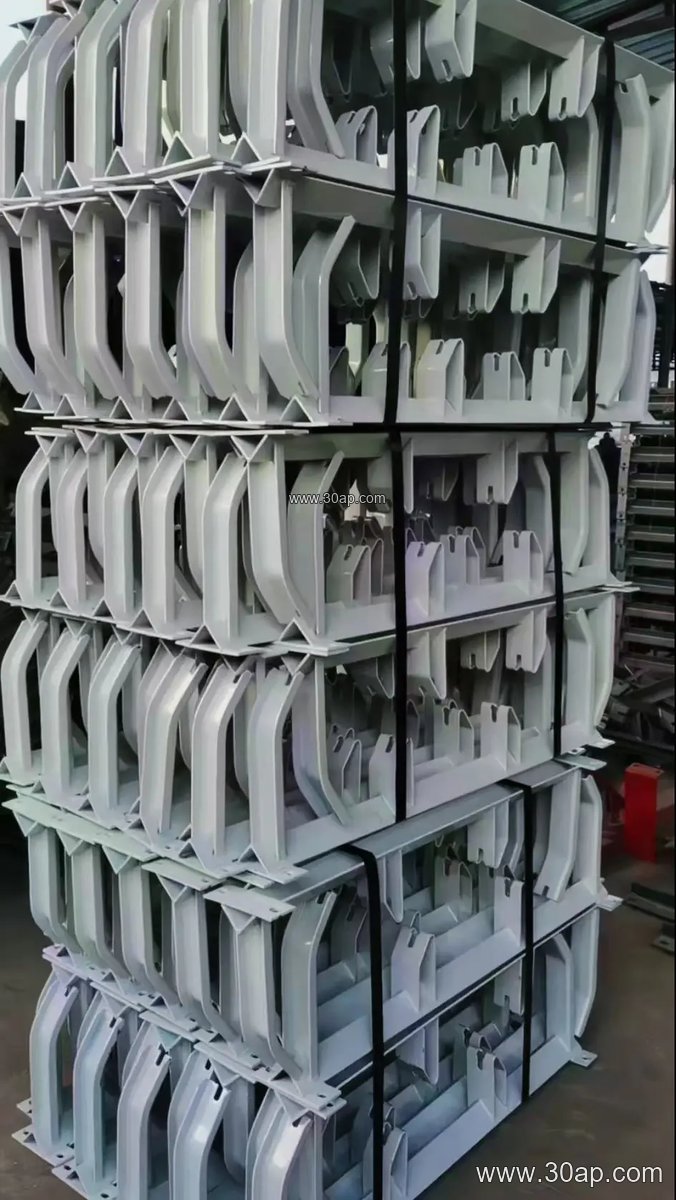
In heavy industrial processing plants such as aggregate crushing facilities and bulk material transfer stations, maintaining proper alignment of the running line depends heavily on the geometry of the structural skeleton. A robust Conveyor Bracket Assembly secures the idler roller network beneath the moving web, ensuring stable load distribution across the entire span. When designing this support hardware, engineers must carefully coordinate several geometric variables to prevent premature edge wear on the heavy-duty conveyor belt while preserving smooth mechanical operation.
Selecting Appropriate Trough Angles and Rollers
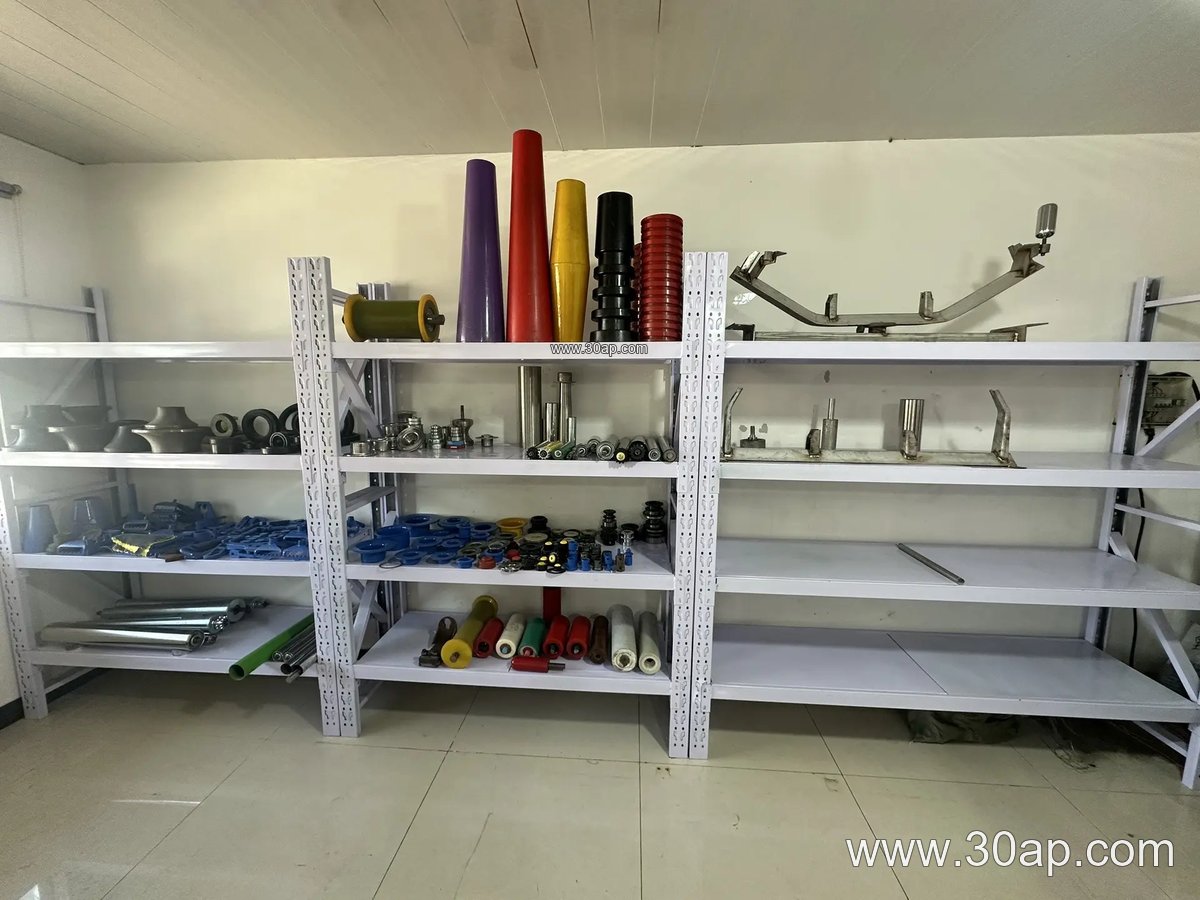
The inclination of side rollers dictates how effectively bulk materials remain centered during transit. Different processing environments require specific trough configurations to optimize capacity. For instance, a standard Steel Cord Conveyor Belt handling abrasive rock often operates efficiently at a moderate slope, whereas high-volume applications may utilize steeper inclines. The following matrix illustrates common matching parameters utilized in industrial layout planning:
- B500 Bandwidth: 20-degree or 30-degree trough angle, typically paired with Ø89 mm idler rollers
- B800 Bandwidth: 30-degree or 35-degree trough angle, frequently utilizing Ø108 mm idler rollers
- B1200 Bandwidth: 35-degree or 45-degree trough angle, commonly matched with Ø133 mm idler rollers
- B1600 Bandwidth: 45-degree trough angle, engineered alongside Ø159 mm or Ø194 mm idler rollers
Material Fabrication and Assembly Layout
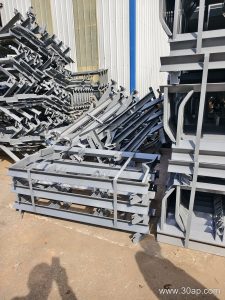
The physical construction of each Conveyor Bracket Assembly relies on heavy-gauge structural profiles, including standard angle iron, channel steel, and precision-bent steel plates. These materials provide the necessary rigidity to withstand continuous dynamic loading and high-impact zones near loading chutes. Unlike drive, tail, or bend pulleys, which actively transfer torque or redirect the traction loop, the supporting frameworks remain stationary to guide the conveyor pulley and its associated rotational components along a precise linear trajectory.
Operational Adjustments and Maintenance
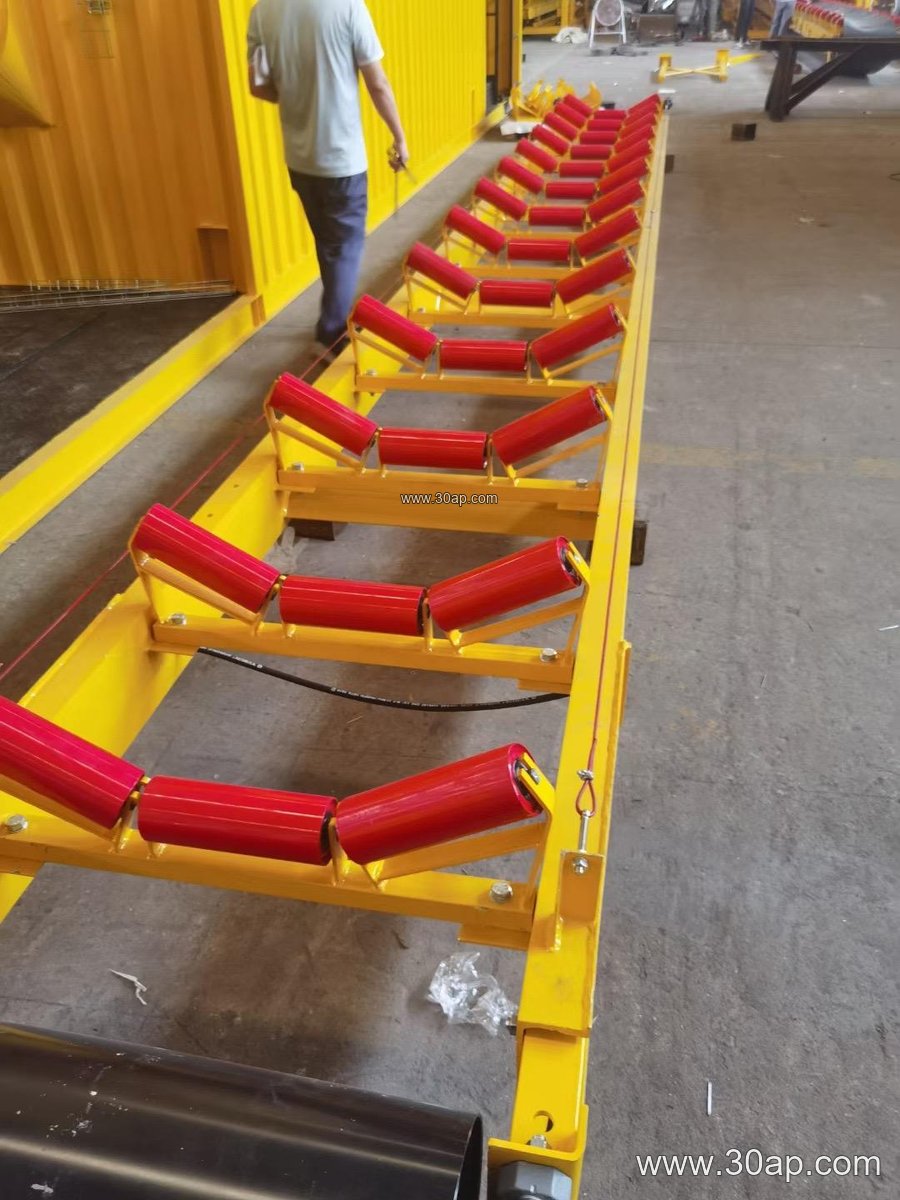
Field adjustments play a vital role in long-term mechanical reliability. Adjustable variants allow technicians to modify trough angles or correct tracking deviations caused by uneven material loading. In demanding setups operating with an Abrasion Resistant Conveyor Belt, regular inspection of the mounting hardware ensures that fastener torque remains consistent despite continuous vibrational stress. Proper spacing and alignment minimize friction against the idler roller assemblies, ultimately extending the service life of the entire bulk handling installation.