What a Heavy-Duty Conveyor Bracket Does
In a bulk material handling system, the conveyor bracket is the structural link between the idler roller and the conveyor frame. A heavy-duty conveyor bracket is built for the toughest conditions—high tonnage, continuous operation, and abrasive materials. It supports the idler roller that carries the conveyor belt, maintaining proper belt alignment and load distribution. Whether in a quarry, a coal preparation plant, or a cement kiln line, the bracket must withstand vibration, impact, and corrosion while keeping the belt tracking true.
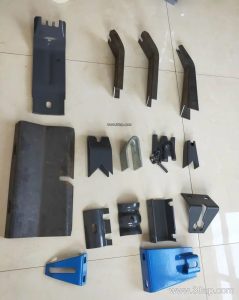
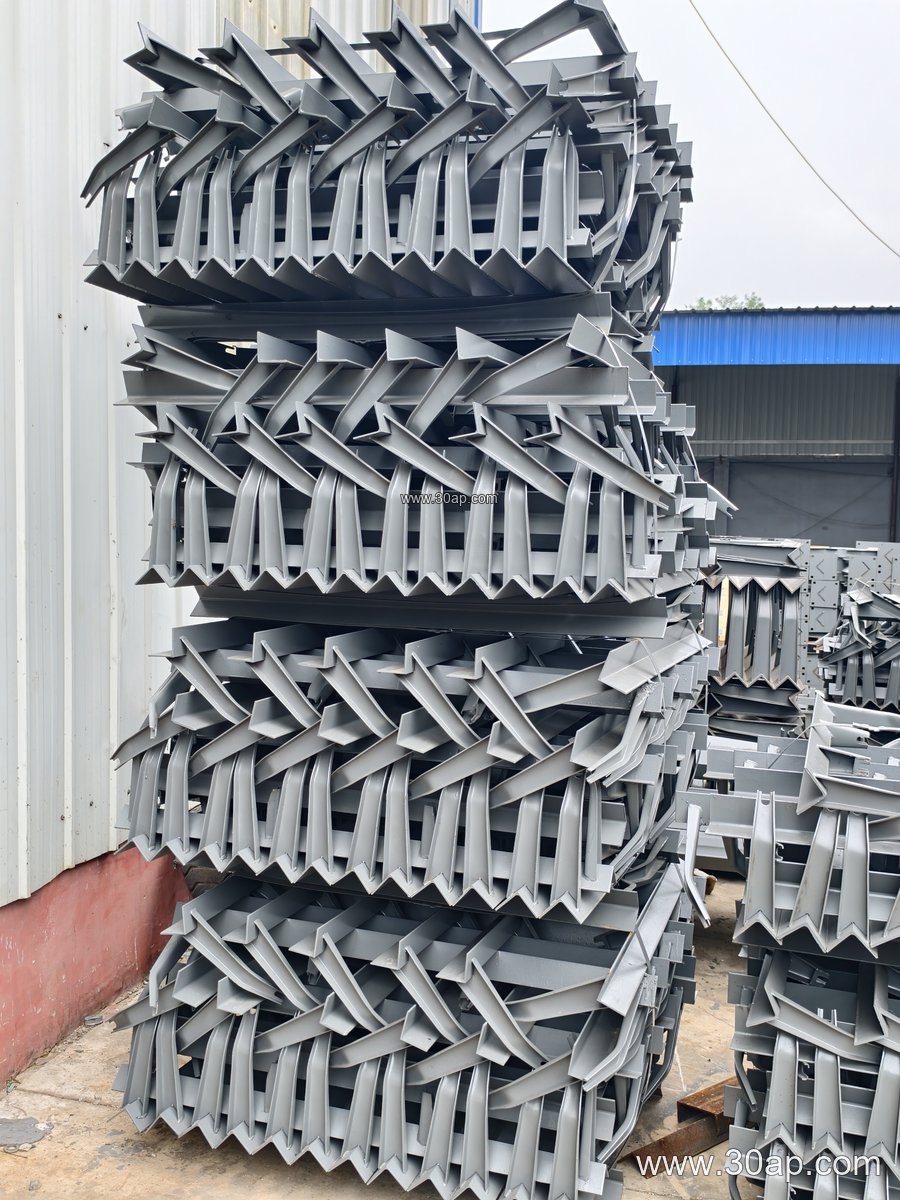
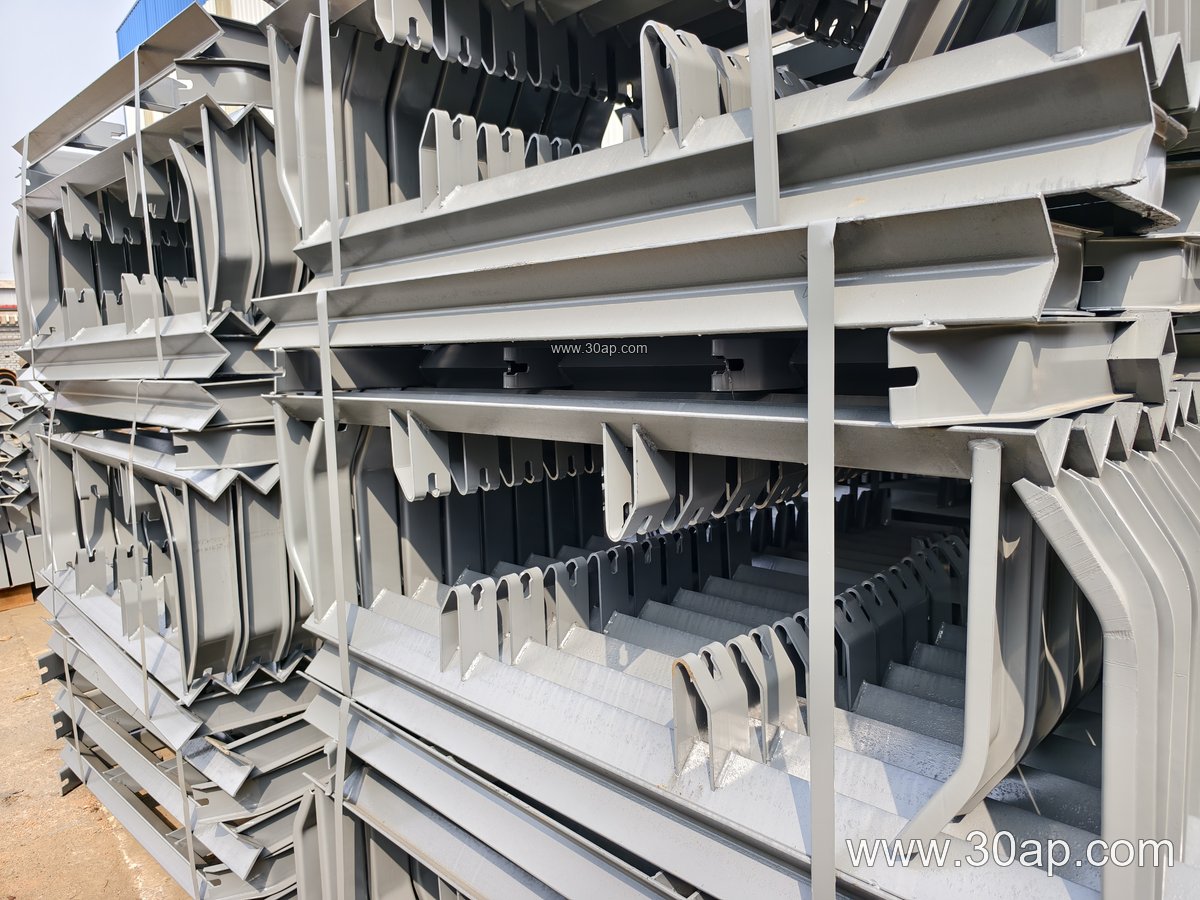
Unlike standard brackets, heavy-duty models use thicker steel sections and reinforced welds. They are often fabricated from angle steel, channel steel, or folded steel plate, with a design that resists bending under heavy loads. The bracket’s geometry ensures that the idler roller sits at the correct trough angle, typically 20°, 30°, 35°, or 45°, depending on the belt width and material characteristics.
Construction and Key Features
A heavy-duty conveyor bracket is engineered for longevity. Common materials include:
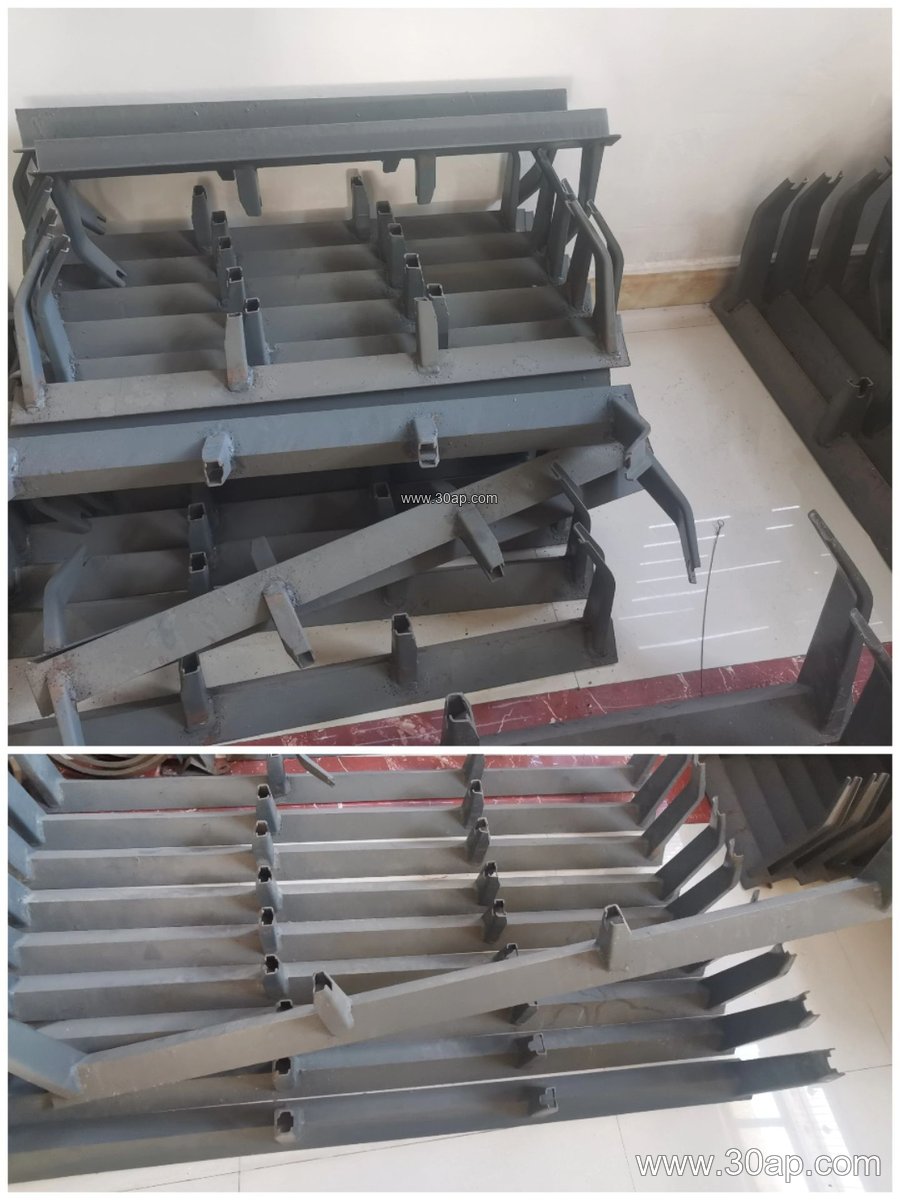
- Angle steel for lighter frames
- Channel steel for high rigidity
- Folded steel plate for complex shapes and added strength
Reinforcement plates and gussets are often added at stress points. The mounting holes are precisely positioned to match the conveyor frame, and the bracket may include slotted holes for adjustment. For maintenance-friendly designs, some brackets allow quick idler roller replacement without dismantling the entire frame.
Surface treatment such as hot-dip galvanizing or painting protects against rust, especially in outdoor or wet environments. In coal mining or underground applications, flame retardant and anti-static properties may be required for the entire conveyor system, including brackets, to meet safety standards.
Types and Configurations
Heavy-duty conveyor brackets come in several configurations to suit different belt sections:
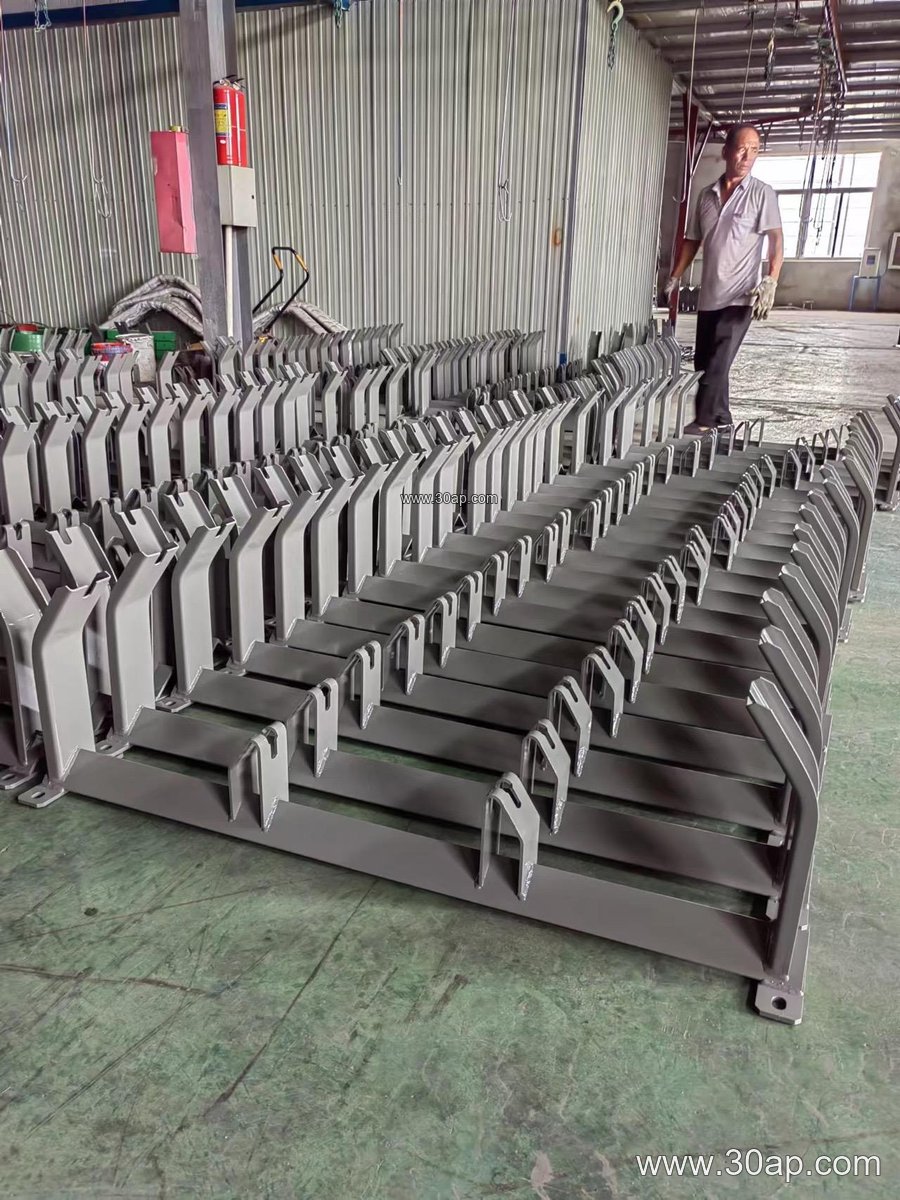
- Troughing bracket (carrying side): supports three idler rollers to form a trough, available in fixed or adjustable trough angles.
- Return bracket: supports the belt on the return side, often with a flat or V-shaped roller arrangement.
- Impact bracket: reinforced to absorb shock at loading points, often used with impact idler rollers.
- Transition bracket: gradually changes the belt from flat to troughed, reducing stress at pulleys.
- Self-aligning bracket: allows minor belt misalignment correction through pivoting idlers.
Adjustable brackets let operators fine-tune the trough angle between 20° and 45°, improving belt capacity and material containment. Fixed brackets are simpler and more rigid, ideal for constant operating conditions.
Applications in Harsh Industries
Heavy-duty conveyor brackets are essential in industries where reliability is non-negotiable. In a quarry or aggregate plant, they support conveyor belts moving crushed stone and gravel. In coal mining, both surface and underground, they endure high impact and abrasive dust. Cement plants rely on them for clinker and raw meal transport, while power plants use them in coal handling systems. Other applications include iron ore mines, port terminals, and steel mills.
When paired with the right conveyor belt—such as abrasion resistant conveyor belt, heat resistant conveyor belt, or flame retardant conveyor belt—the bracket contributes to a stable, efficient conveying line. The choice of idler roller diameter (e.g., Ø89, Ø108, Ø133, Ø159, Ø194) and belt width (B500 to B2200) influences bracket dimensions and load capacity.
Selection and Sizing Guidelines
Choosing the correct heavy-duty conveyor bracket involves matching it to the belt width, trough angle, and idler roller diameter. The table below shows common combinations, but actual selection should consider load, speed, and environment.
| Belt Width (mm) | Trough Angle (degrees) | Idler Roller Diameter (mm) | Typical Bracket Type |
|---|---|---|---|
| B500 | 20–30 | Ø89 | Troughing, fixed |
| B650 | 30–35 | Ø89–Ø108 | Troughing, adjustable |
| B800 | 35 | Ø108 | Impact, transition |
| B1000 | 35–45 | Ø108–Ø133 | Troughing, self-aligning |
| B1200 | 35–45 | Ø133–Ø159 | Heavy-duty troughing |
| B1400 | 35–45 | Ø159 | Impact, return |
| B1600 | 35–45 | Ø159–Ø194 | Heavy-duty troughing |
| B1800 | 35–45 | Ø194 | Heavy-duty troughing |
| B2000 | 35–45 | Ø194 | Heavy-duty troughing |
| B2200 | 35–45 | Ø194 | Heavy-duty troughing |
Note that these are reference values; installation hole spacing and beam length vary with belt width and trough angle. Always consult the conveyor design for exact dimensions.
Buyer’s Checklist
Before purchasing heavy-duty conveyor brackets, consider the following:
- Material to be conveyed and its abrasiveness, temperature, and chemical exposure.
- Belt width and speed, which determine bracket load and idler roller size.
- Trough angle required for material containment and capacity.
- Mounting dimensions and compatibility with existing conveyor frame.
- Environment: indoor/outdoor, dusty, wet, or corrosive.
- Maintenance needs: adjustable vs. fixed, ease of idler replacement.
For harsh conditions, specify brackets with extra reinforcement and appropriate surface protection. In coal mining or underground applications, ensure the entire conveyor system, including the heavy-duty conveyor bracket, meets flame retardant and anti-static requirements.
For more information on conveyor components and to discuss your specific application, visit our site at www.example.com/conveyor-bracket. Our team can help you select the right heavy-duty conveyor bracket for your operation.