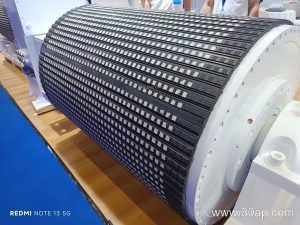
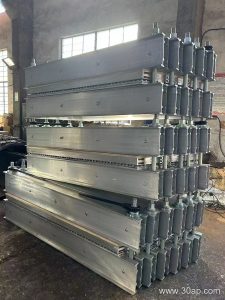
What the Bend Pulley Does on a Conveyor
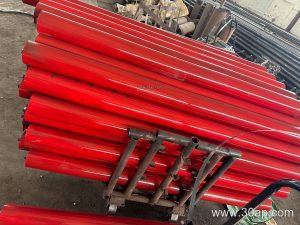
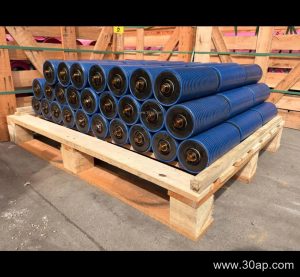
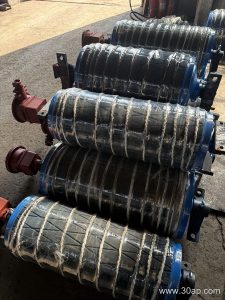
A belt conveyor bend pulley is a non-driven roller that changes the direction of the conveyor belt and, in many layouts, helps set the wrap angle around the drive pulley or the tensioning arrangement. It is also called a snub pulley or deflection pulley, and the name describes its job well: it bends the belt path without pulling the belt itself. This is the key difference from a drive pulley, which transmits torque, and from a tail pulley, which returns the belt at the loading end. Those three are separate components and are not interchangeable, even when they look similar in a parts drawing.
The bend pulley usually carries only a fraction of the belt tension seen by the drive pulley, but it still rotates continuously under load. A poorly chosen unit can cause belt tracking problems, premature cover wear, or bearing failure on a quarry conveyor or a cement plant clinker line.
Construction and Surface Options
Most bend pulleys are built from a steel drum with welded end discs, a through shaft, and two bearing housings mounted on a sturdy frame or conveyor bracket. The shell is machined so the belt runs true, and the surface may be plain, rubber lagged, or ceramic lagged depending on grip and wear requirements.
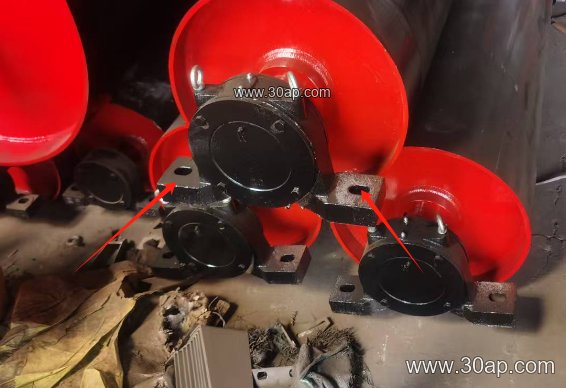
- Plain shell: used where the pulley only guides the belt and slip is not a concern.
- Rubber lagging: cold-bonded or hot-vulcanized, often 8 to 15 mm thick, improving friction and protecting the shell.
- Diamond or herringbone grooving: helps water and fines escape on wet or dusty lines.
- Ceramic lagging: chosen for high-abrasion duty such as iron ore or aggregate handling.
Common diameters for bend pulleys include Ø250, Ø315, Ø400, Ø500 and Ø630 mm, with larger sizes such as Ø800 or Ø1000 mm on heavy-duty mining conveyors. The pulley face width is normally a little wider than the belt: for example, a B800 belt typically runs on a pulley face around 950 mm, and a B1200 belt on roughly 1400 mm. Shaft diameters such as Ø80, Ø100, Ø120 or Ø140 mm are determined by torque and radial load, not by belt width alone.
Where Bend Pulleys Are Used
These pulleys appear wherever the belt path needs a controlled change of direction. In a coal mining conveyor, a bend pulley may increase the contact angle at the drive station. In a power plant coal handling system, it may route the belt around an obstruction. On a port conveyor loading bulk material, it can help keep the return strand clear of the structure. In sand and gravel plants, a bend pulley is often paired with a tension pulley to maintain belt slack take-up.
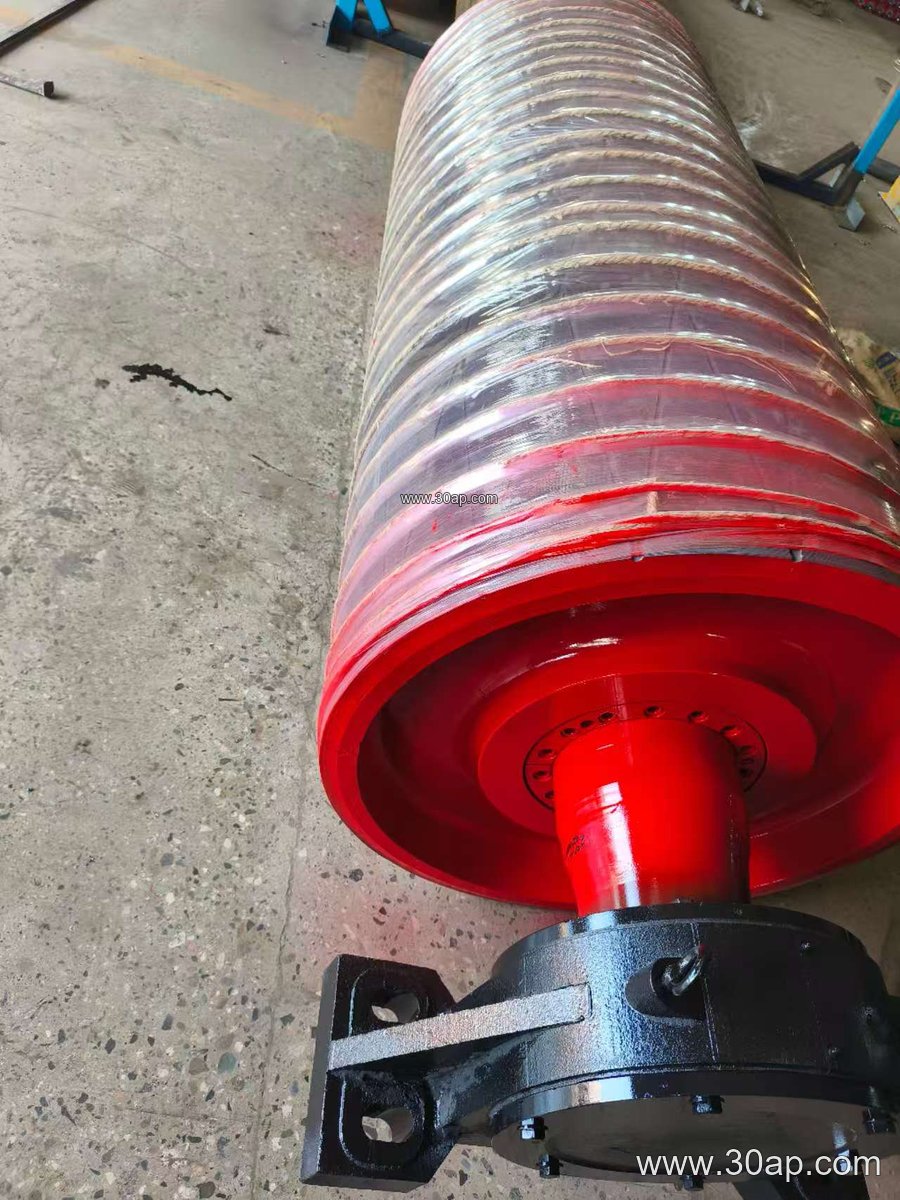
The belt itself must match the duty. A heavy-duty mining conveyor belt with an EP or steel cord carcass will behave differently from a lighter fabric core conveyor belt, and the bend pulley diameter should be large enough to limit bending stress in the carcass. Heat resistant conveyor belt or flame retardant conveyor belt used underground also benefits from a smooth, well-aligned pulley surface.
Selecting the Right Size and Surface
Buyers should confirm the belt width, the required wrap angle, the belt tension at that point, and the available space before choosing a bend pulley. A larger diameter reduces belt bending stress but takes more room; a smaller one saves space but may shorten belt life. Surface choice follows the environment: dusty quarry lines favor grooved lagging, while oily or sticky material may call for a plain or specially cleaned shell.
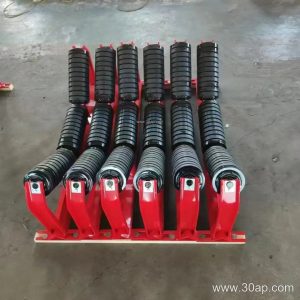
Alignment matters as much as size. The pulley should be set square to the belt centerline, with bearing housings that allow easy shimming. Matching the pulley to the conveyor bracket and to the idler roller frames keeps the whole run stable. For a belt conveyor bend pulley, the practical rule is simple: specify by duty, belt width, tension and environment, and let the shaft and bearing size follow the load calculation.