What an Aggregate Conveyor Pulley Does
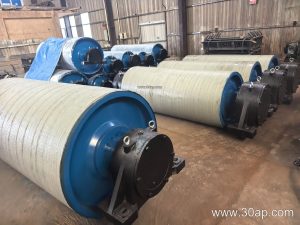
An aggregate conveyor pulley is the rotating drum at the heart of a belt conveyor, transferring motion to the conveyor belt and setting its path. In a quarry, a coal preparation plant or a ready-mix concrete site, this component carries the belt load, maintains tension and keeps material moving from the crusher or screen to the stockpile. The pulley is not simply a cylinder with a shaft; it is a matched assembly of shell, hub, shaft, bearing housing and surface covering, each part chosen for the duty it faces.
The same product is often called a conveyor drum or belt conveyor pulley. Drive pulleys, tail pulleys and bend pulleys are distinct roles, and they are not interchangeable. A drive pulley transmits torque, a tail pulley returns the belt, and a bend pulley changes belt direction. Each position imposes different loads and demands a different design approach.
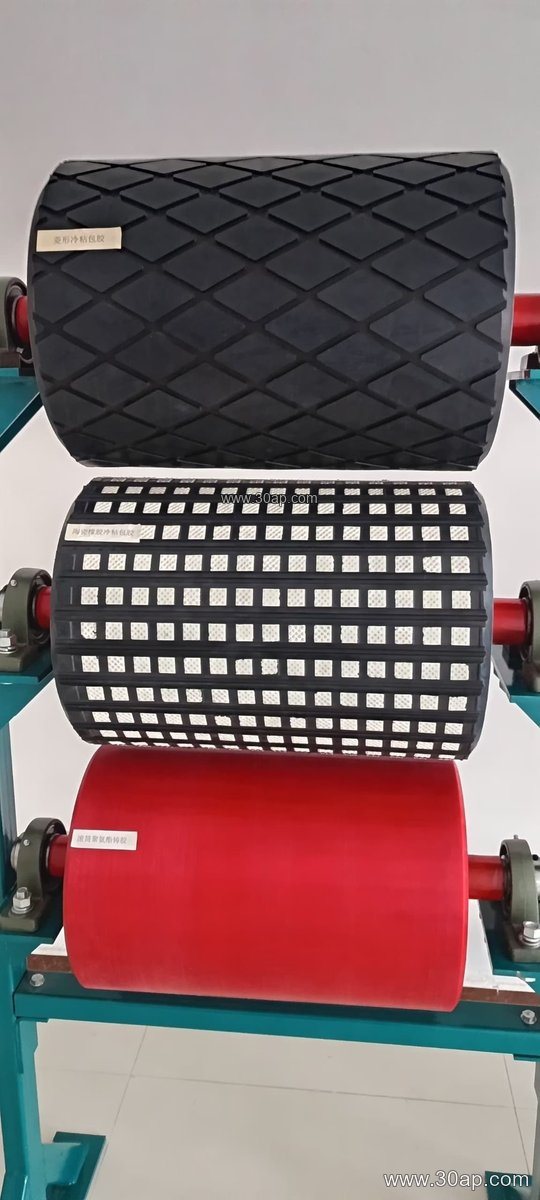
Construction Details That Matter
A typical aggregate conveyor pulley uses a welded steel shell with machined end discs and a through-shaft or stub-shaft design. Bearings sit in sealed housings, and the pulley face width is normally wider than the belt to allow for misalignment. Common face widths include B400 at roughly 500 mm, B650 at roughly 750 mm, B800 at roughly 950 mm and B1200 at roughly 1400 mm. These are reference values, not fixed matching rules, and the final width follows the conveyor design.
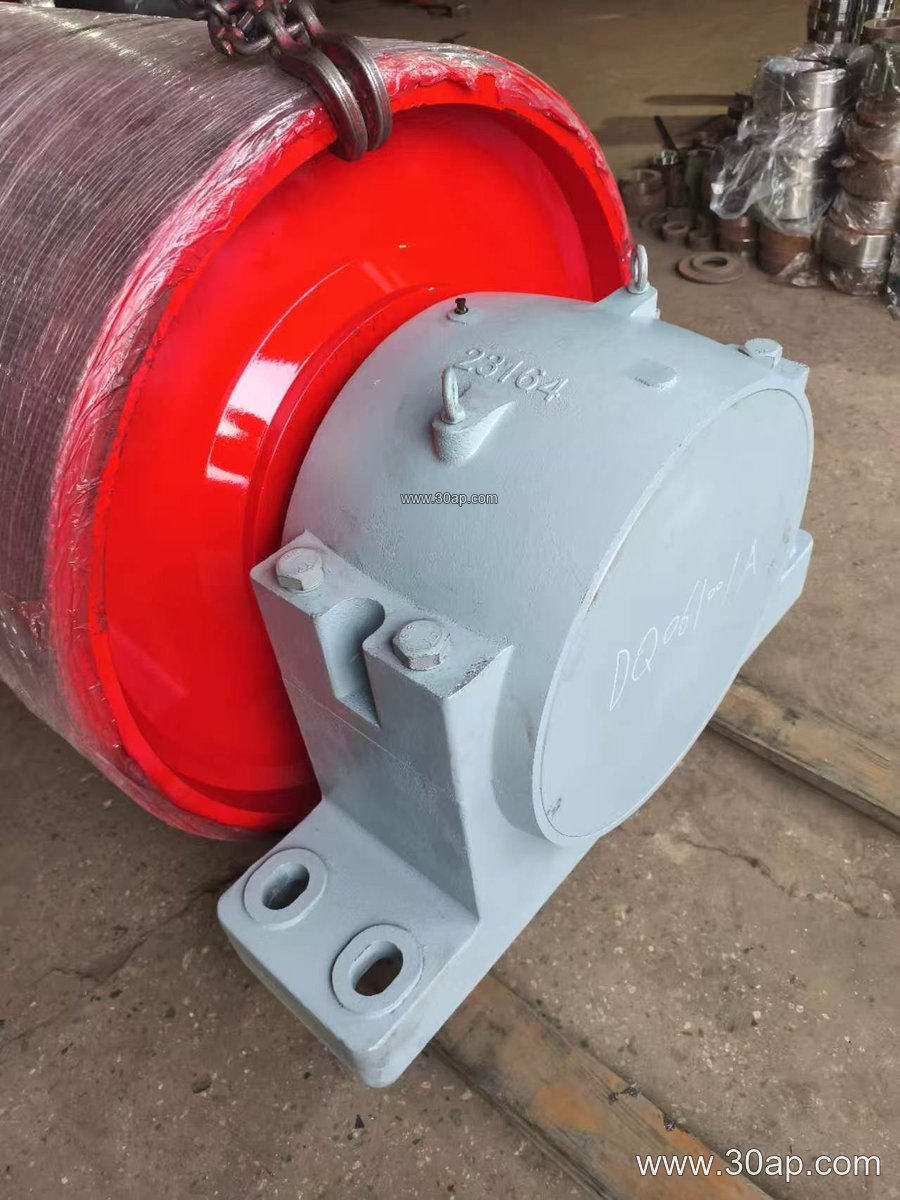
Surface treatment is a major choice. A plain finish suits light duty, while rubber lagging improves grip and protects the shell. Options include cold-bonded rubber, hot vulcanized rubber, diamond groove, herringbone and ceramic lagging, with common lagging thicknesses of 8, 10, 12, 15 and 20 mm. In a limestone mine or gravel plant, diamond lagging helps shed water and fines, while ceramic lagging may be considered where slip and wear are both severe.
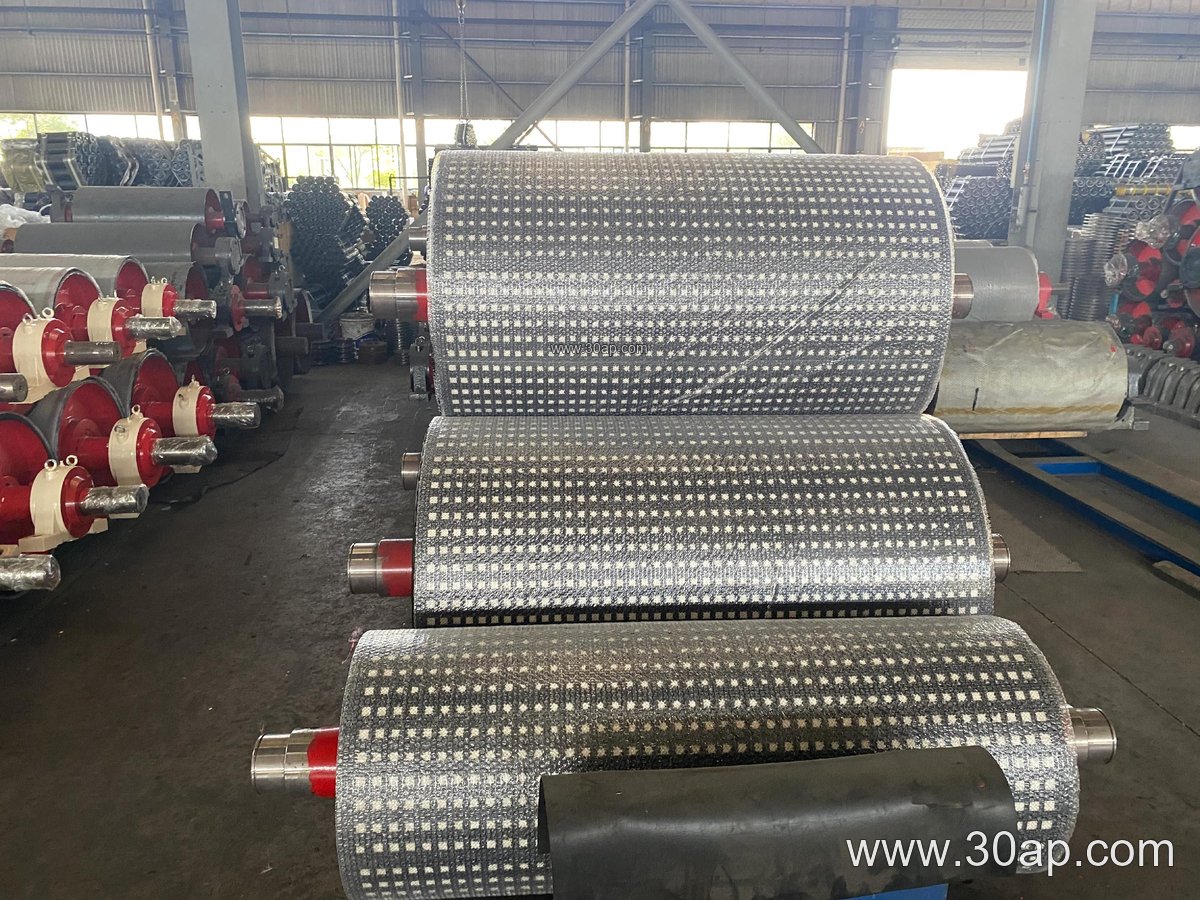
Where It Fits in the Plant
The head or discharge pulley sits at the delivery end and often drives the belt. At the tail, the tail pulley supports the return side and may act as a tensioning point. Bend pulleys and take-up pulleys guide the belt through the tensioning zone. In a coal handling system or a cement clinker line, the drive pulley usually carries the highest torque, so shaft diameter is set by torque and load rather than belt width alone. Common shaft sizes range from Ø50 to Ø200, and the correct value must come from the conveyor designer.
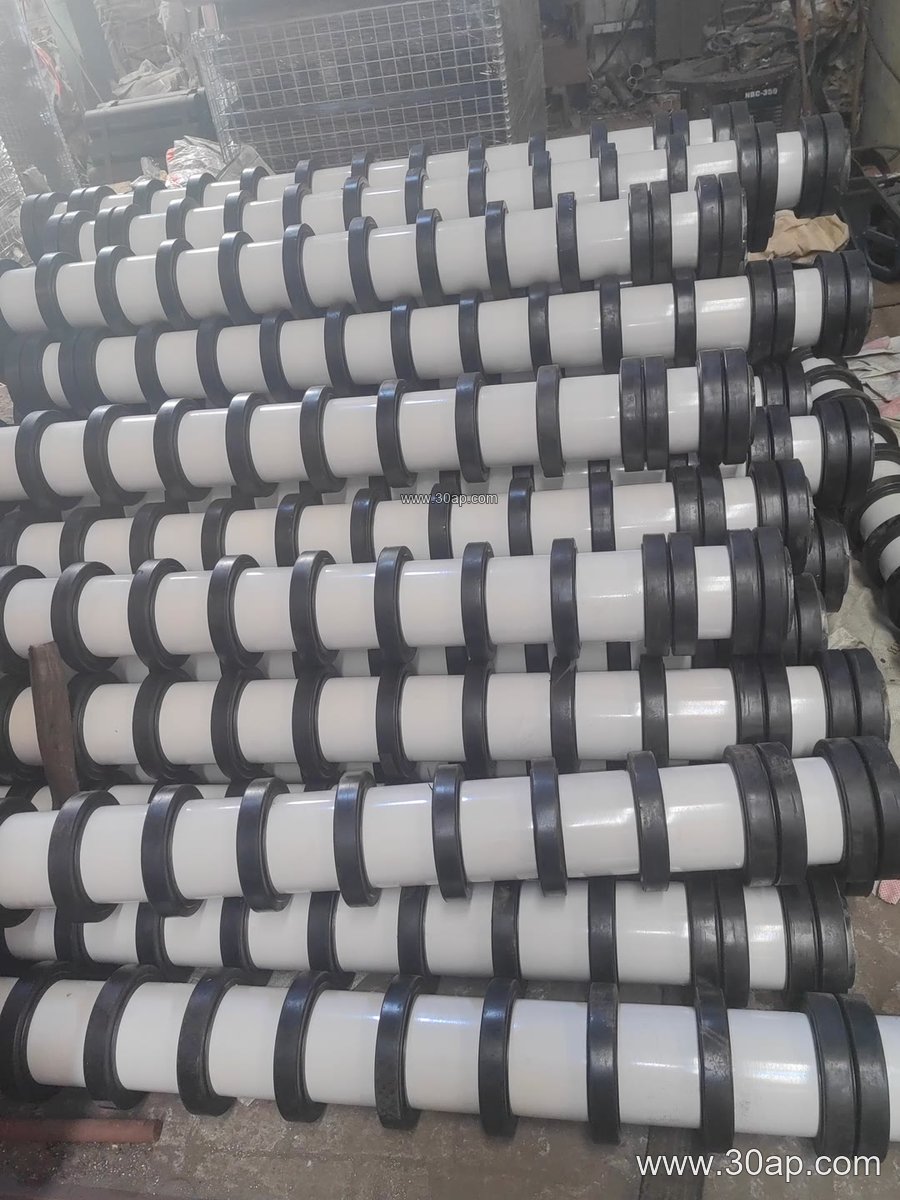
An aggregate conveyor pulley works alongside the conveyor belt, idler roller sets and conveyor brackets. Misalignment between the pulley and the idlers is a frequent cause of belt tracking problems, so installation accuracy matters as much as the pulley itself.
Common Reference Dimensions
The following values are typical references for discussion with a supplier. They are not universal specifications or supply promises.
- Belt widths: B400, B500, B650, B800, B1000, B1200, B1400, B1600, B1800, B2000, B2200, B2400
- Pulley diameters: Ø200, Ø250, Ø315, Ø320, Ø400, Ø500, Ø630, Ø800, Ø1000, Ø1250, Ø1400, Ø1600, Ø1800
- Lagging thickness: 8, 10, 12, 15, 20 mm
- Shaft diameters: Ø50, Ø60, Ø70, Ø80, Ø90, Ø100, Ø120, Ø140, Ø160, Ø180, Ø200
Combinations such as B800 × Ø500, B1200 × Ø1000 or B1400 × Ø800 are common examples, but no single belt width locks a pulley to one diameter. A larger diameter reduces belt bending stress and can extend belt life, while a smaller diameter saves space. The right balance depends on belt speed, load and available room.
Buyer Checklist
Before ordering, confirm the pulley role, belt width, required face width, shaft size and bearing type. Ask how the lagging is bonded and whether the surface form suits wet or abrasive material. Check that the pulley will align with the idler roller frames and conveyor brackets. For a coal mine or power plant coal yard, spark and wear considerations may influence lagging choice. For a sand and gravel line, abrasion resistance usually leads. Request dimensional drawings and verify that shaft diameter is calculated from torque, not copied from a belt width table. A well-matched aggregate conveyor pulley keeps the belt centered, reduces downtime and supports steady output across the plant.