What a Quarry Conveyor Belt Does
A quarry conveyor belt is the moving wear surface that carries blasted rock, crushed stone, sand and gravel between the primary crusher, screens, stockpiles and load-out points. In a sand and gravel plant or stone crushing circuit, the belt is only one part of the line, but it is the part that meets every sharp edge and every lump of oversize material. The same duty class is often called an aggregate conveyor belt or a rock conveyor belt, and buyers in cement plants, power plants and ore dressing lines use similar constructions for comparable loads.
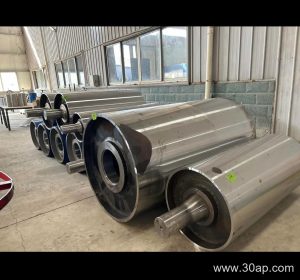
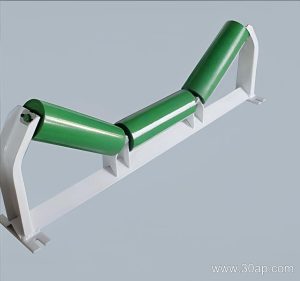
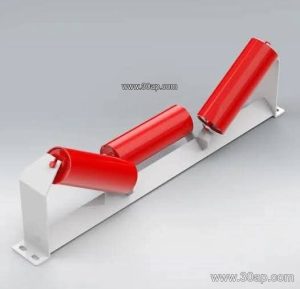
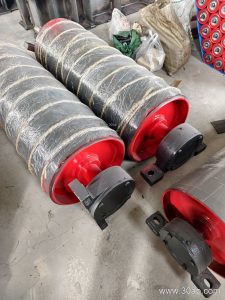
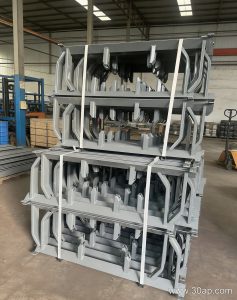
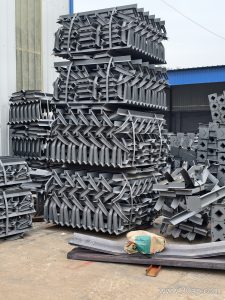
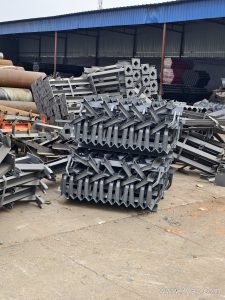
The belt works with a drive pulley, a tail pulley and bend pulleys, and it is supported by idler rollers and held in line by conveyor brackets and frames. Each of those parts has its own job. A bend pulley changes belt direction, while a tail pulley returns the belt; they are not interchangeable, and neither is a substitute for a drive pulley. Matching the belt to the whole conveyor, not just to the head drive, is what keeps a quarry line running.
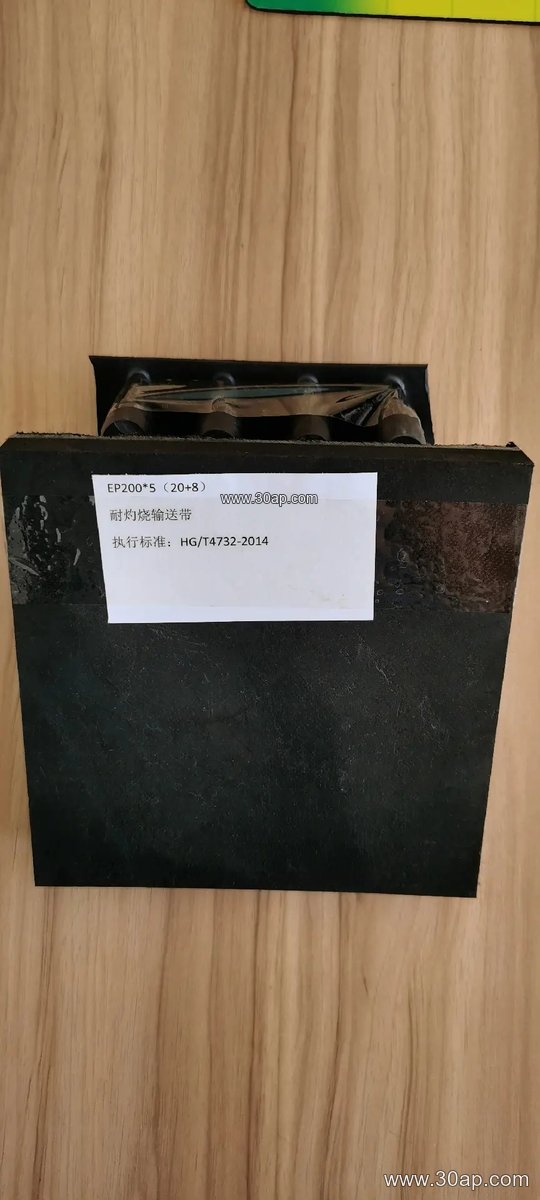
Construction and Common Constructions
Most quarry belts are fabric-cored rubber belts. The carcass is usually EP (polyester/polyamide) or NN (nylon/nylon) fabric, protected by top and bottom rubber covers. EP constructions stretch less than NN under the same load, which helps on long inclined runs. A heavy-duty mining conveyor belt may use a steel cord carcass when the run is very long or the tonnage is high. Heat resistant conveyor belt grades suit hot clinker or asphalt feed, flame retardant conveyor belt grades are specified for underground coal mining conveyor belts, and abrasion resistant conveyor belt covers are common in hard rock quarries.
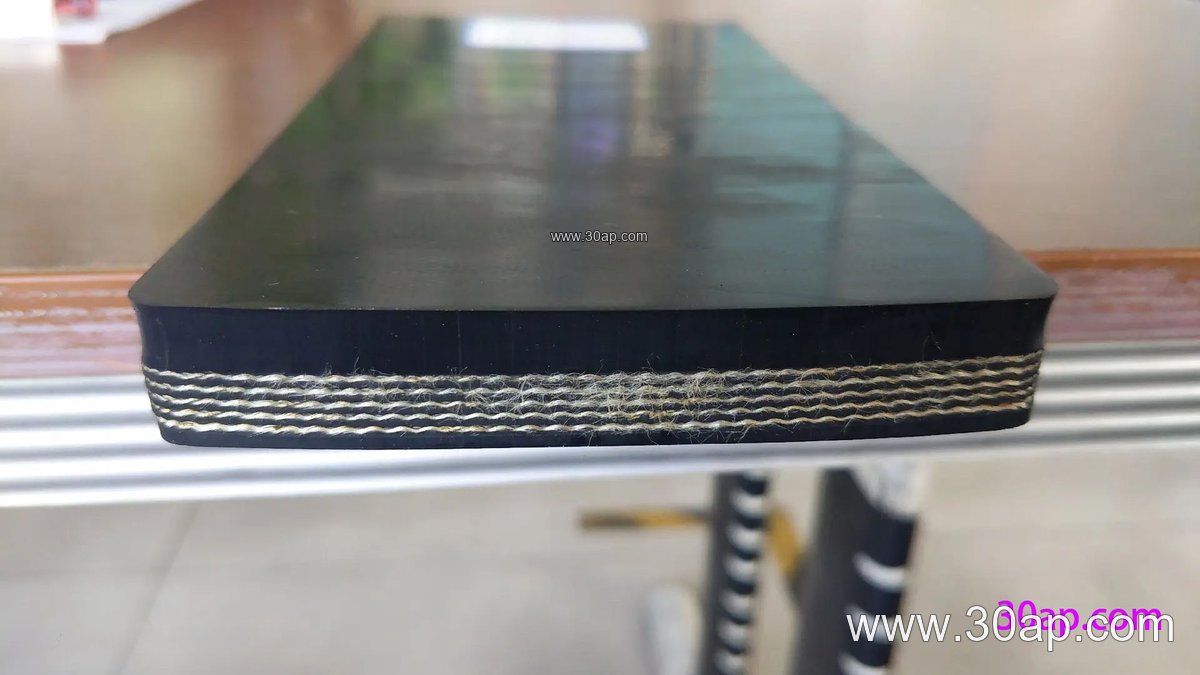
Cover thickness is normally written as top plus bottom, for example 4+2 mm or 6+2 mm. Carcass plies commonly run from two to six layers depending on tension. A chevron conveyor belt adds raised ribs for steep inclines, while a corrugated sidewall conveyor belt or skirted conveyor belt contains material on steep or confined paths. These are different products and should be chosen for the duty, not swapped for one another.
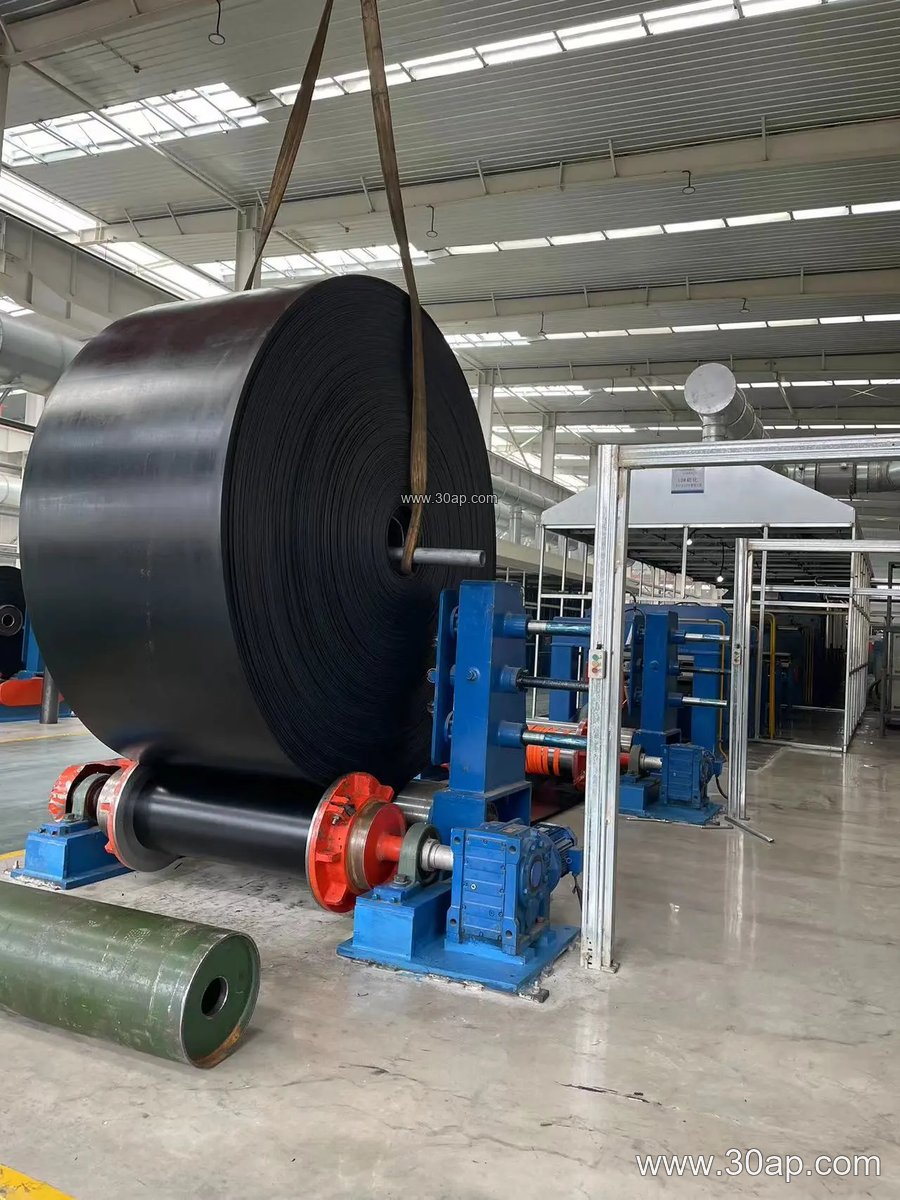
| Item | Common reference values |
|---|---|
| Fabric types | EP200, EP315, EP400, EP500, EP630, EP800, EP1000, EP1250 |
| Belt width | B500, B650, B800, B1000, B1200, B1400, B1600, B1800 |
| Cover thickness | 3+1.5, 4+2, 5+2, 6+2, 8+3 mm |
| Carcass plies | 2 to 6 layers, by design |
Values above are reference data. Actual belt width, cover grade and ply count are set by the conveyor design, the material lump size and the required tension.
Where Quarry Belts Are Used
- Primary and secondary crushing stations in hard rock quarries
- Sand and gravel washing and screening plants
- Cement plant limestone and clinker handling
- Coal preparation and underground coal mining conveyor lines
- Power plant coal yards and port ship loading systems
- Iron ore, copper ore and gold mining bulk material handling
In these settings the belt may be an EP rubber conveyor belt for general rock, a pipe conveyor belt where dust control and route flexibility matter, or a heat resistant grade near dryers and kilns. A quarry that handles wet, sticky feed may need a different cover pattern from one crushing dry granite.
Selection Points for Buyers
Start with the duty: material size, bulk density, moisture, temperature, oil or chemical exposure, and whether the line runs underground. Then confirm the belt tension and the pulley diameters with the conveyor designer. A common mistake is to choose a belt by width alone; belt width, carcass strength and pulley size must be checked together, and no single width fixes one pulley diameter.
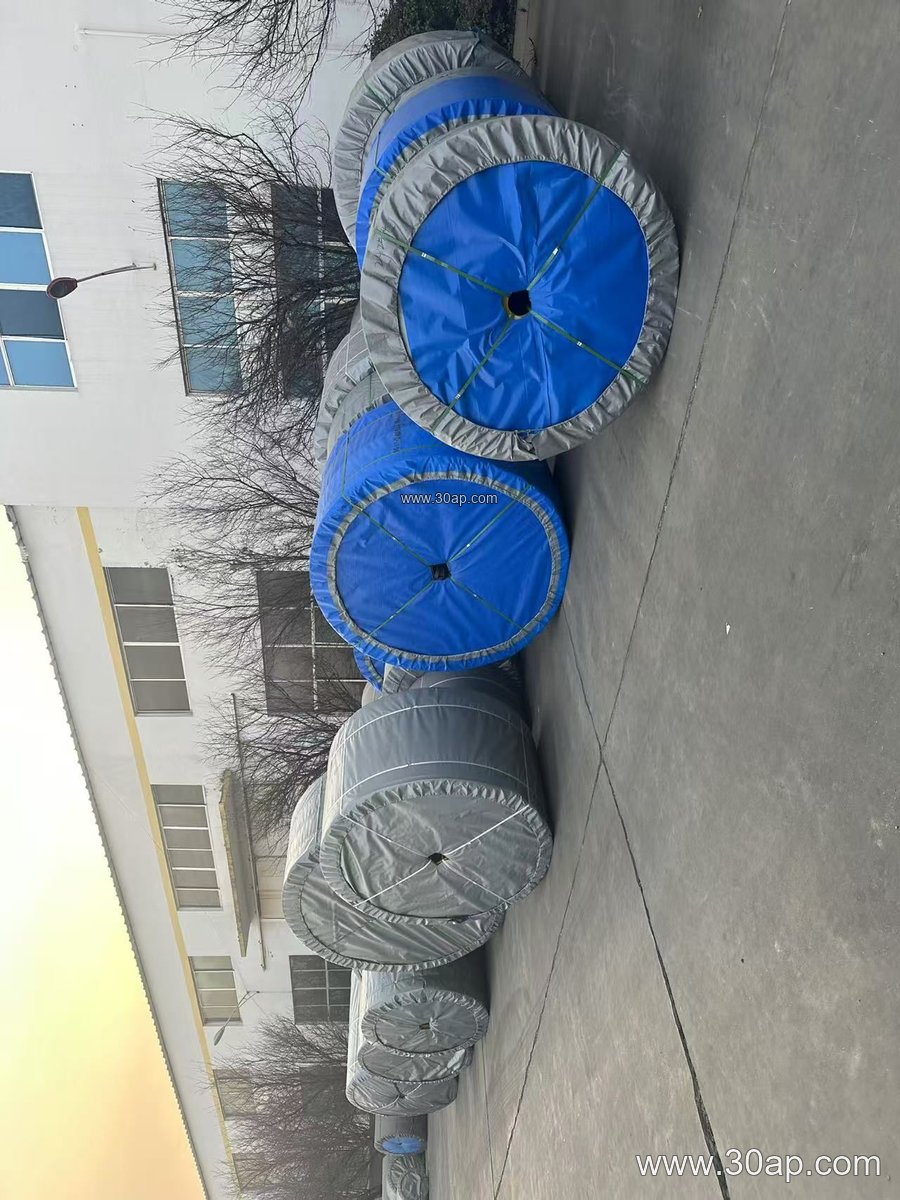
Ask for the cover grade and thickness in writing, the number of plies, and the splice method. An endless conveyor belt made in the factory reduces joint risk on critical lines. Check that idler roller spacing and conveyor pulley lagging suit the belt, and that the conveyor bracket layout gives enough take-up travel. For cold climates, specify a cold resistant conveyor belt; for oily scrap or recycled material, an oil resistant conveyor belt may be needed.
Maintenance and Service Life
Inspect the belt regularly for edge damage, cover wear and splice condition. Keep the tail pulley and bend pulleys clean, check idler rollers for seizure, and confirm that the belt trains correctly through the conveyor brackets. A worn cover is cheaper to replace than a damaged carcass, so track cover thickness at impact points and at the head. Store spare belts flat, away from sunlight and ozone sources, and log running hours so replacement planning is based on measured wear rather than guesswork.