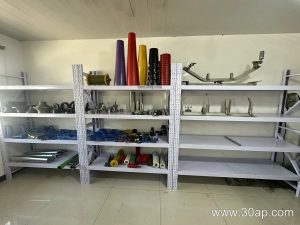
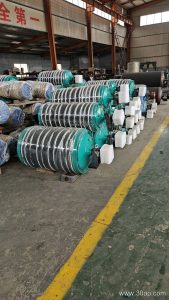
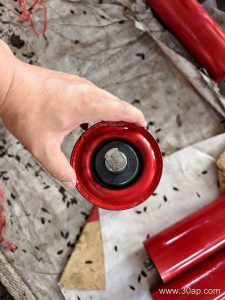
What the Return Idler Bracket Does
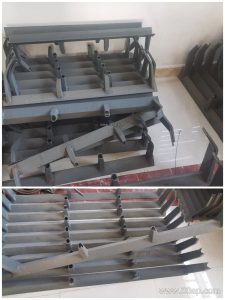
A return idler bracket is the support component that holds the return-side idlers beneath a conveyor belt. On the carrying side, the belt rides on troughing idlers; on the way back, it is supported by return rollers mounted in a return idler bracket, sometimes called a return roller bracket or lower support bracket. This part keeps the belt from sagging, reduces friction, and helps the belt track in a stable line on its return run.
The bracket is a fairly simple part, but it sits in a demanding place. It carries the weight of the belt plus any material that clings to it, and it works in dust, moisture, and vibration. In a quarry, a coal preparation plant, a cement line, a power plant coal yard, or a crushing and screening circuit, a weak or misaligned return bracket shows up quickly as belt wander, edge wear, or noisy rollers.
Construction and Common Forms
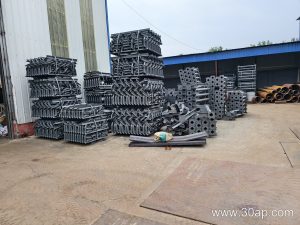
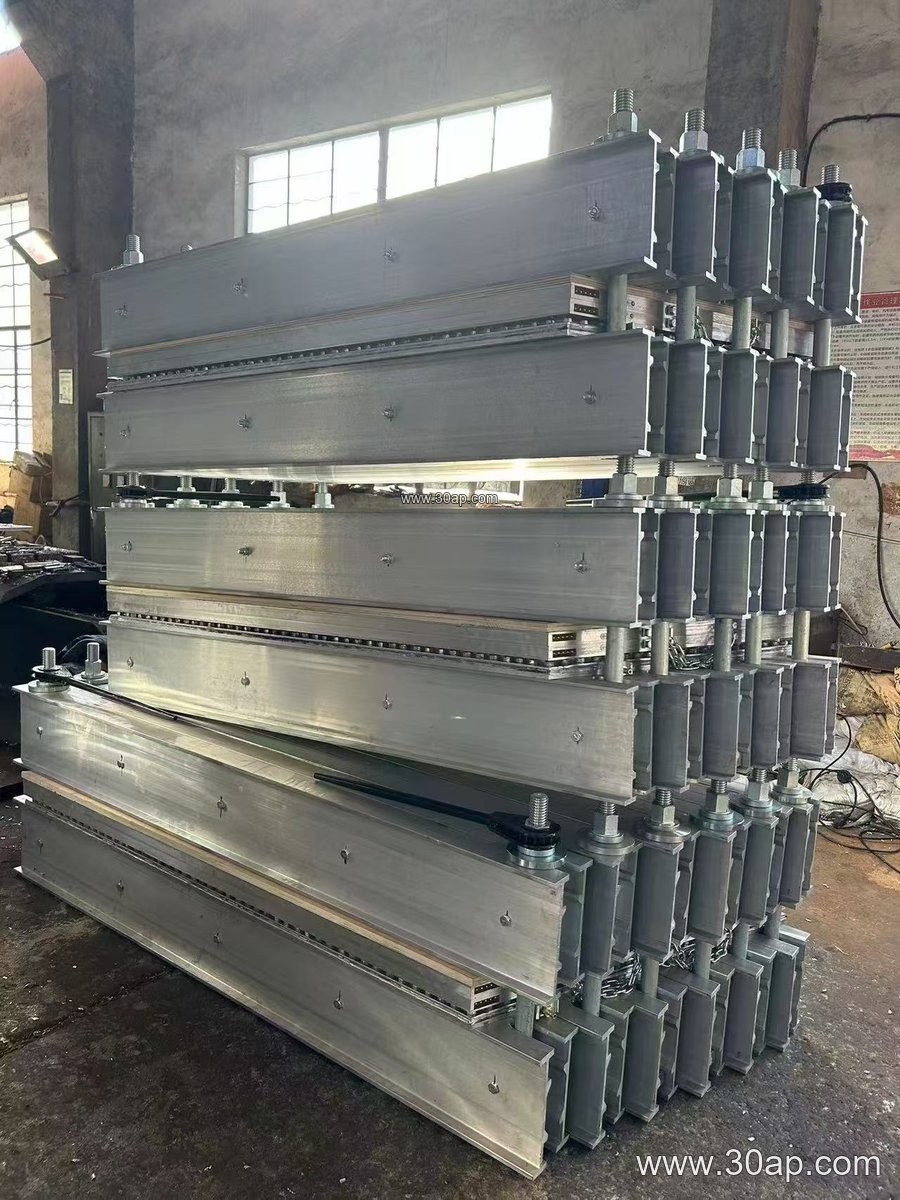
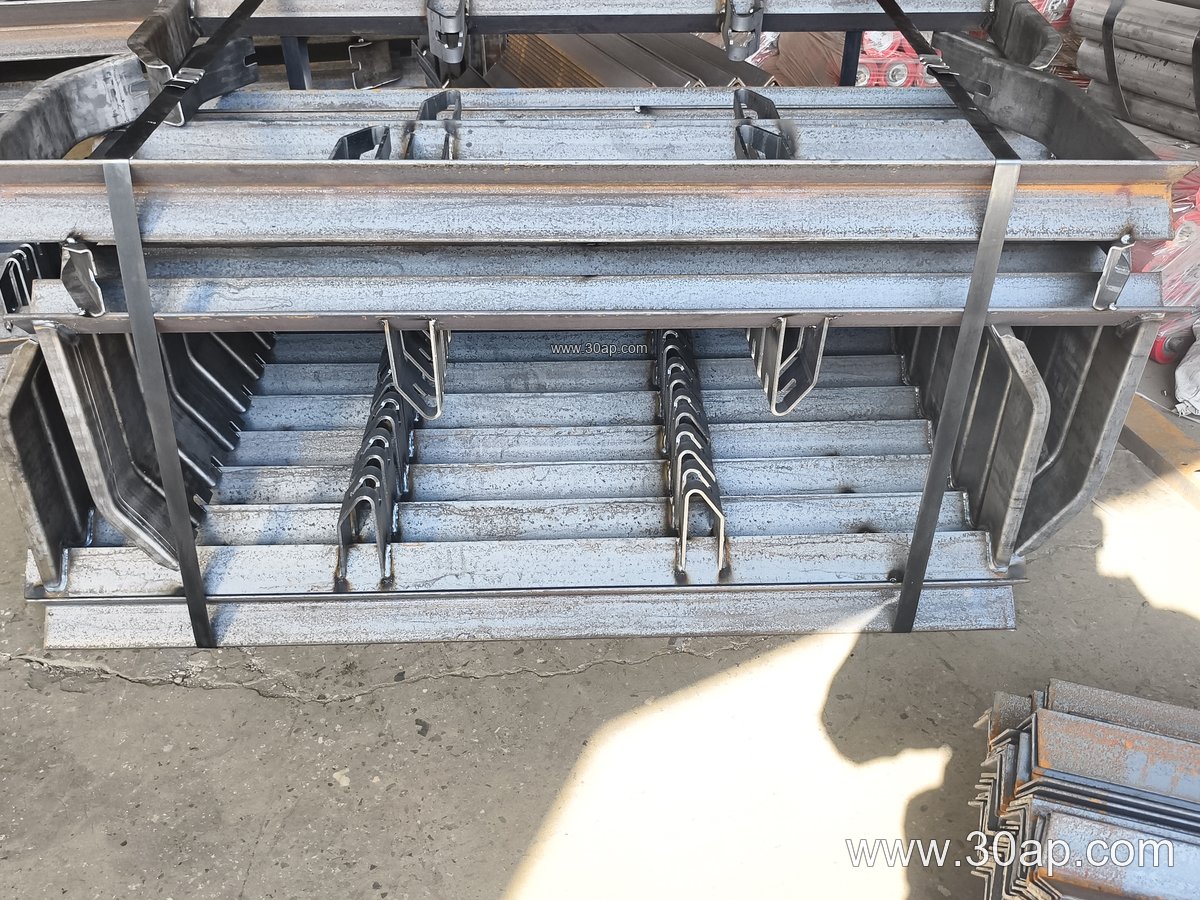
Most return idler brackets are fabricated from angle steel, channel steel, or folded steel plate. They are usually bolted to the conveyor frame rather than welded, so they can be replaced or adjusted without cutting the structure. The bracket holds either a single flat return roller or a pair of rollers set in a V shape.
Common forms include:
- Flat return bracket for a single return roller
- V-type return bracket for two rollers set at an angle
- Adjustable return bracket with slotted holes for height or position changes
- Hanger bracket for suspended conveyor structures
Fixing hole spacing and crossbeam length are not universal. They change with belt width, roller diameter, and the bracket design, so they should always be confirmed against the conveyor drawing or the existing frame.
Matching Belt Width and Roller Diameter
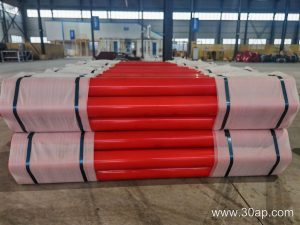
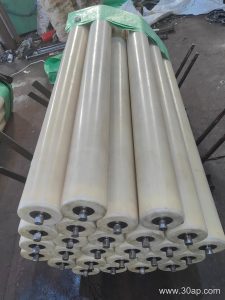
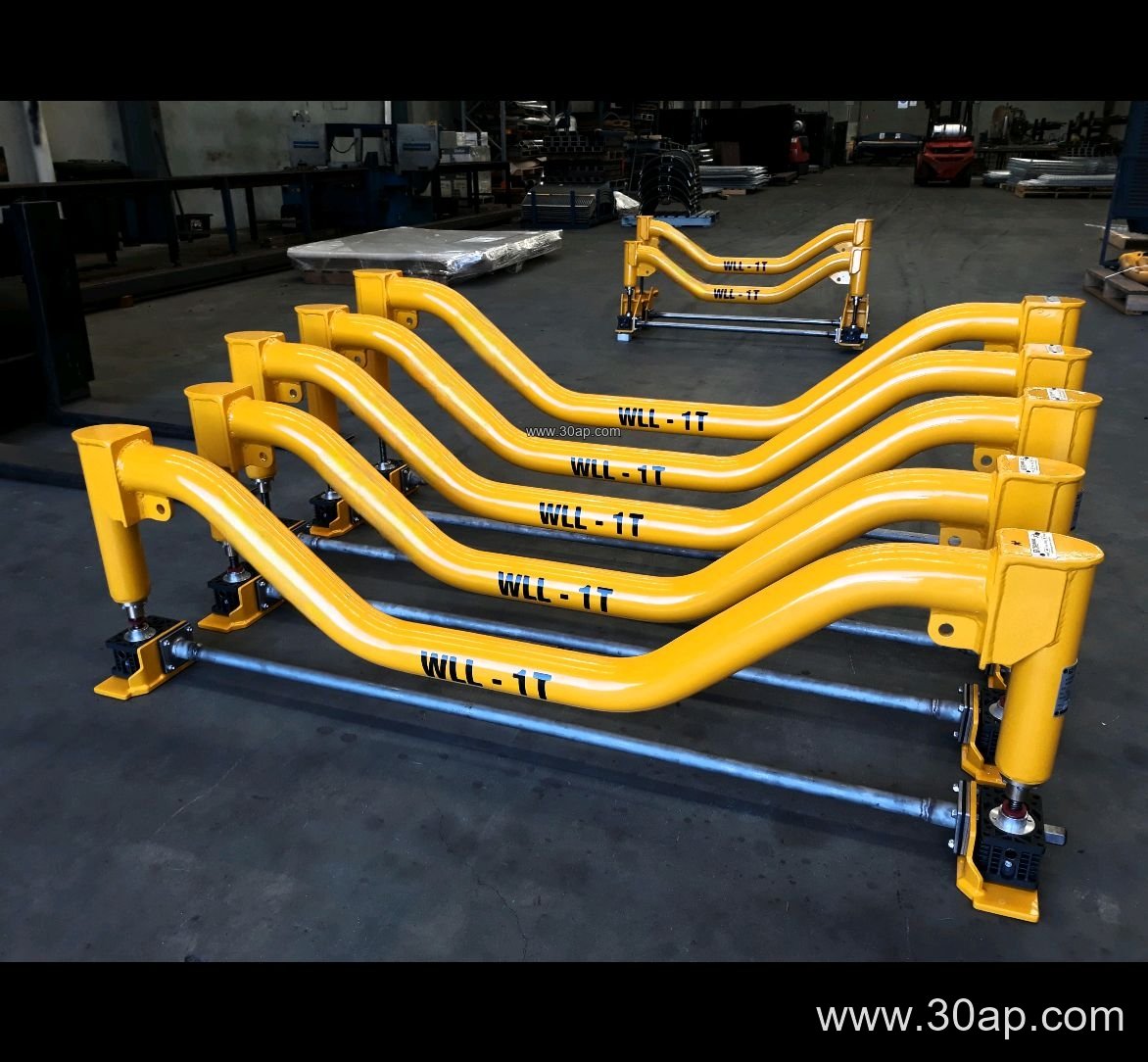
Buyers often ask which return idler bracket fits a given belt. The honest answer is that belt width narrows the choice but does not decide it alone. A B800 conveyor may use a flat bracket with Ø108 rollers, while a B1200 or B1400 line in a heavy-duty mining duty may use a V-type bracket with Ø133 or Ø159 rollers. The correct combination comes from the conveyor design, belt load, and frame dimensions.
| Belt width | Typical return bracket form | Common roller diameter |
|---|---|---|
| B500 / B650 | Flat or V-type | Ø89 / Ø108 |
| B800 / B1000 | Flat or V-type | Ø108 / Ø133 |
| B1200 / B1400 | V-type or adjustable | Ø133 / Ø159 |
| B1600 / B1800 | Heavy V-type or hanger | Ø159 / Ø194 |
| B2000 / B2200 | Heavy fabricated bracket | Ø194 |
These values are reference points only. They show the usual ranges, not fixed pairings, and the final choice depends on the conveyor frame and the load case.
Where It Fits in the Conveyor System
The return bracket works together with the belt, the idler roller, and the conveyor pulley. The drive pulley pulls the belt, the tail pulley returns it, and bend pulleys redirect it, but between those points the return bracket is what keeps the belt supported. When a fabric core belt such as an EP conveyor belt or NN conveyor belt runs long distances, return support spacing becomes more important because sag increases belt tension and power demand.
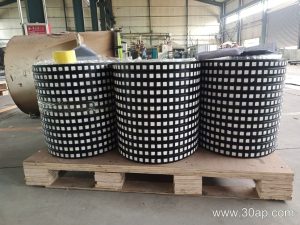
In a coal mining conveyor or underground mining conveyor, flame retardant conveyor belt and anti-static conveyor belt are common, and the return bracket must be positioned so the belt does not rub the frame. In a cement plant or power plant, heat resistant conveyor belt and abrasion resistant conveyor belt may run alongside dusty return rollers, so easy bracket removal helps maintenance.
For more conveyor components, visit www.beltconveyorsystem.com for idler roller and conveyor bracket references, or check conveyor pulley data at www.beltconveyorsystem.com before ordering.
Buyer Checklist
- Confirm belt width and the actual frame hole spacing, not just the nominal width.
- State the roller diameter and whether a flat or V-type return is needed.
- Ask for the material and finish, such as painted or galvanized steel, if the site is wet or corrosive.
- For adjustable brackets, confirm the adjustment range and locking method.
- Check that the bracket suits the belt type in use, whether that is a steel cord conveyor belt, a multi-ply fabric core belt, or a chevron conveyor belt.
A return idler bracket is a low-cost part that protects far more expensive components. Getting the fit and alignment right at the buying stage saves belt edge damage and roller failure later on.