What a Discharge Pulley Does at the Head of the Line
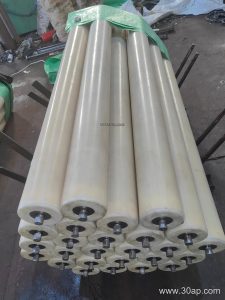
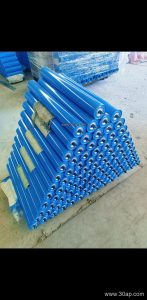
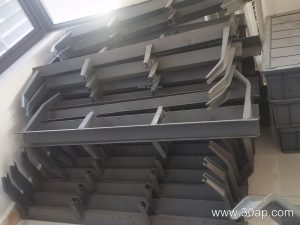
At the discharge end of a belt conveyor, the belt wraps around a large rotating cylinder and releases its load into a chute, stockpile, or transfer point. That cylinder is the discharge pulley, also called the head pulley or delivery pulley. Its job is simple to describe and demanding in practice: grip the belt, transmit drive torque, support the loaded belt as it turns, and shed material cleanly. In a quarry or sand and gravel line, a discharge pulley often works alongside a heavy-duty conveyor belt and a series of idler rollers that carry the load up to the head. The pulley itself is a fabricated steel drum with a shaft, hubs, and a lagged surface, mounted in bearings on a conveyor bracket at the head frame.
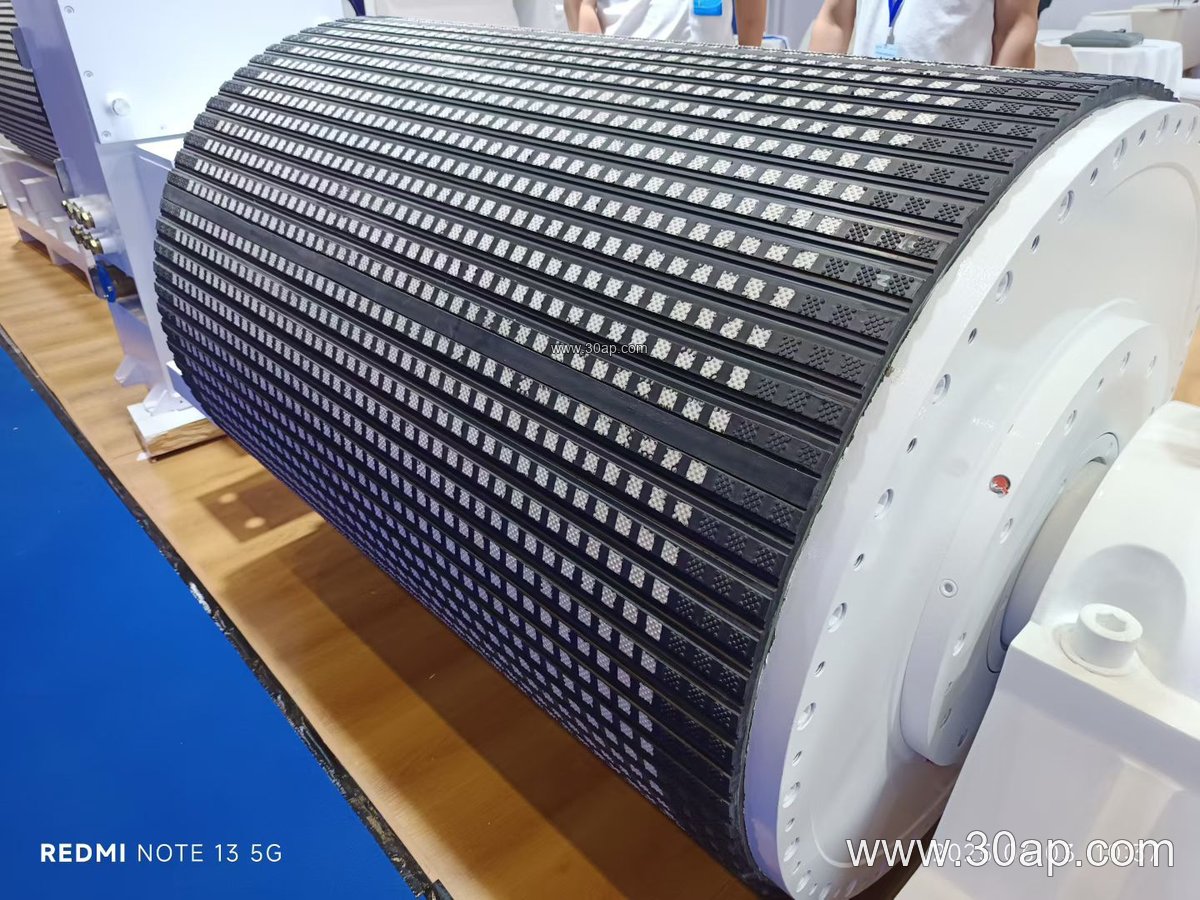
Construction and Surface Options
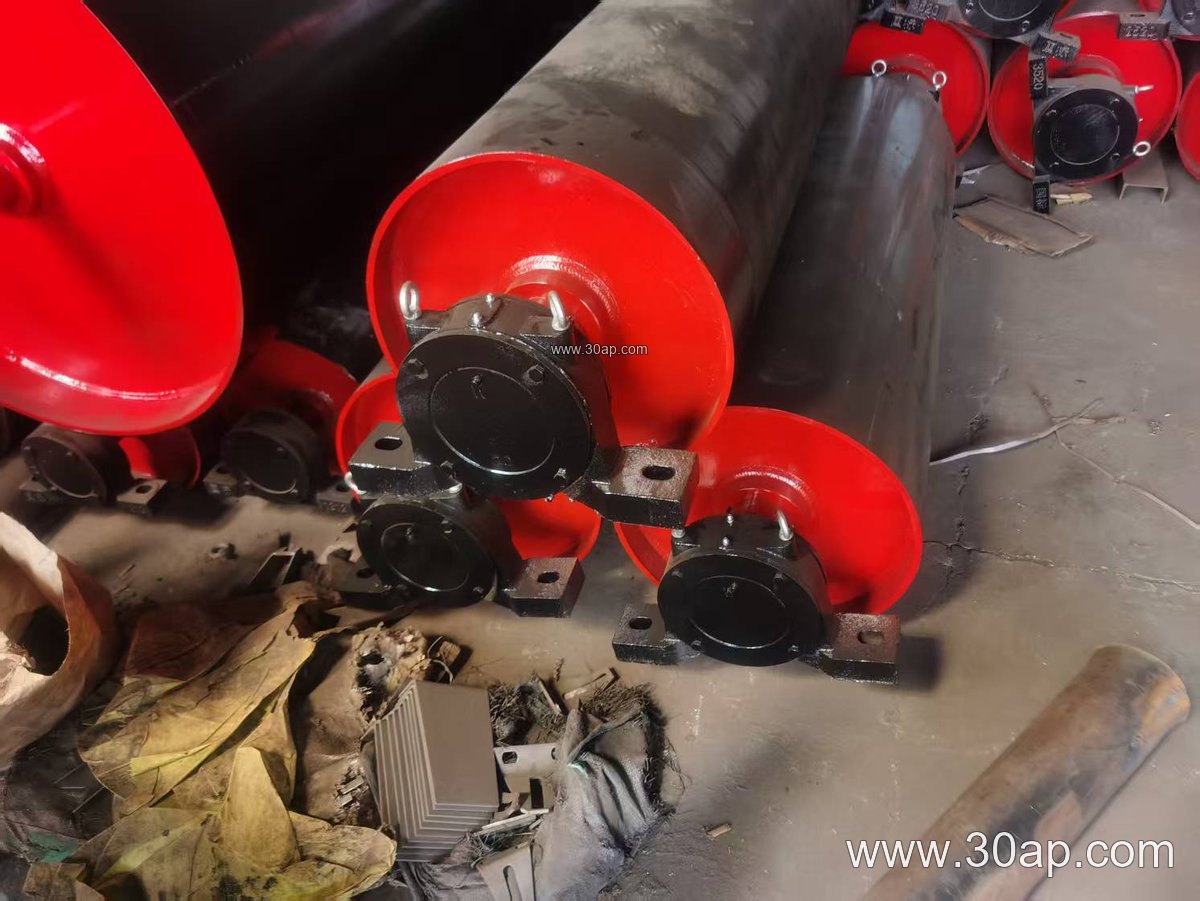
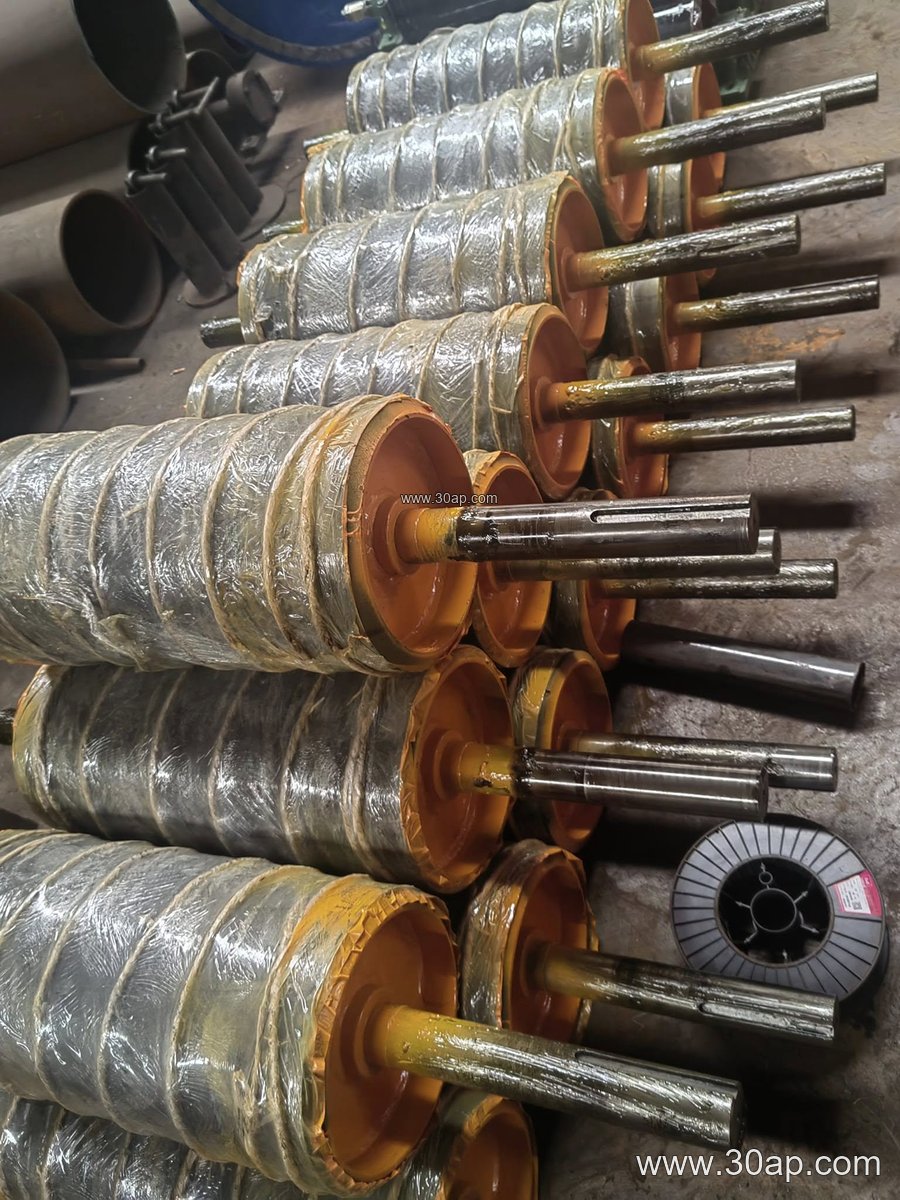
A discharge pulley is built around a rolled steel shell, welded to end discs and a central hub. The shaft is sized by torque and bearing load, not by belt width alone; common shaft diameters run from Ø50 up to Ø200 depending on the duty. The shell is usually wider than the belt to keep the belt centered, for example a B800 belt may run on a shell around 950 mm wide, while a B1200 belt may use a shell near 1400 mm. Diameter is chosen to suit belt tension, wrap angle, and the space available at the head; typical sizes include Ø500, Ø630, Ø800, and Ø1000.
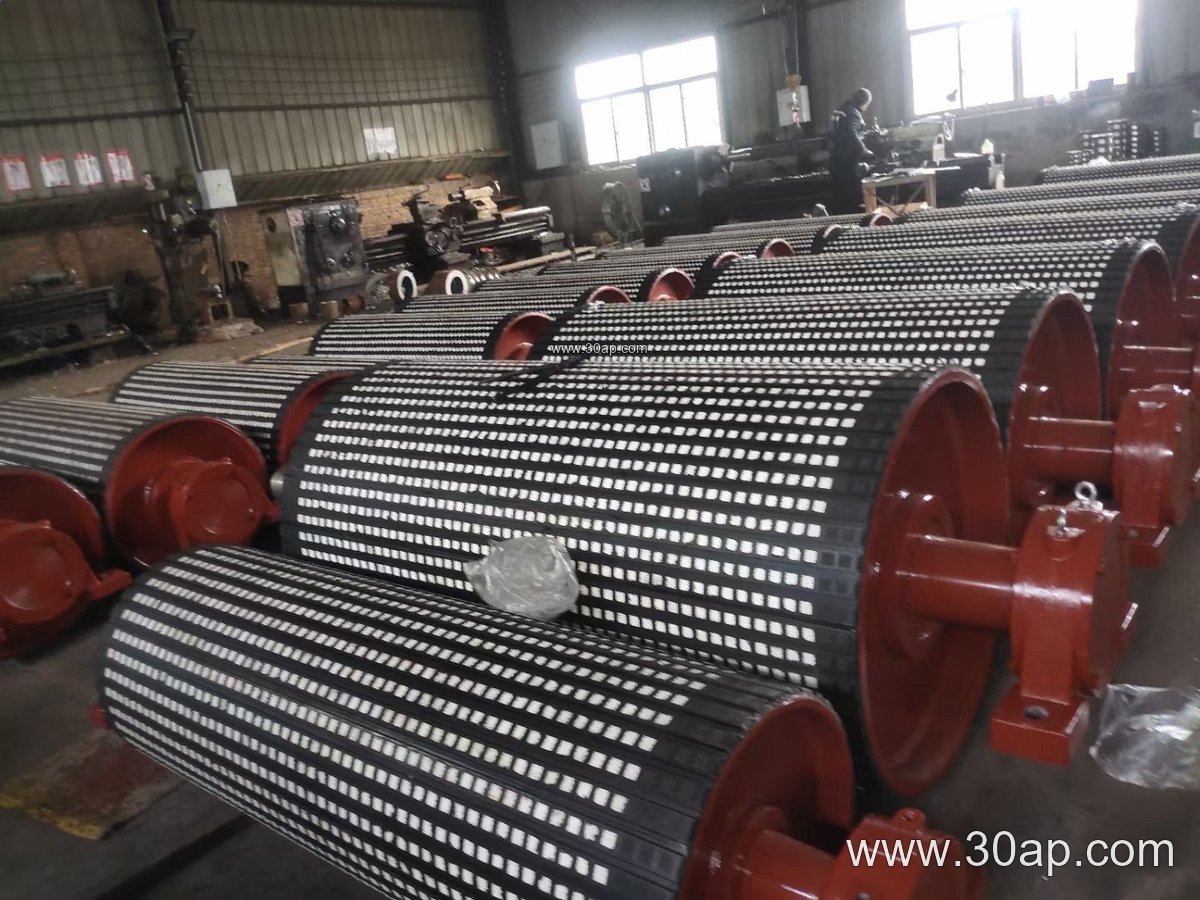
The surface form matters for grip and wear. Plain steel is used where traction is not critical. Rubber lagging, applied by cold bonding or hot vulcanizing, improves friction and protects the shell. Diamond grooving helps shed water and fines, while ceramic lagging suits high-abrasion service in iron ore or copper ore plants. Lagging thickness commonly ranges from 8 mm to 20 mm. In coal mining and underground coal mining conveyors, flame retardant and anti-static properties are often required, and the pulley may be paired with a PVG conveyor belt or a flame retardant conveyor belt to meet site rules.
Where It Fits in the Plant
Discharge pulleys appear at the head of overland and in-plant conveyors in many industries. In a cement plant, they deliver clinker and limestone to silos and transfer towers. In a power plant, they handle coal on the way to the boiler bunkers. In a port, they load bulk material onto ships or stockpiles. In a crushing and screening circuit, they work after a crusher conveyor belt to drop rock onto the next stage. The pulley is often the drive pulley as well, connected to a gearbox and motor, though in some layouts a separate drive pulley is used and the discharge pulley serves as a bend or snub.
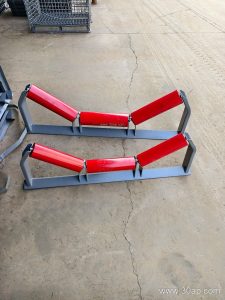
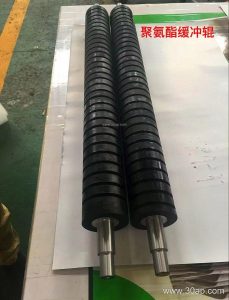
Because the discharge pulley sees the full belt tension and the impact of material leaving the belt, it is worth checking alignment with the conveyor bracket, the condition of the lagging, and the bearing seals. A worn lagging surface can cause belt slip, while a misaligned pulley can train the belt off-center and damage the conveyor belt edges. Idler rollers on the carrying side should be inspected at the same time, since a seized roller increases drag on the whole system.
Buyer Checklist for a Discharge Pulley
- Belt width and shell width: confirm the belt size and the required face width. A B650 belt typically needs a shell near 750 mm; a B1400 belt may need about 1600 mm.
- Diameter and shaft: state the required diameter and the calculated shaft size. Do not assume a fixed shaft from belt width alone.
- Lagging type and thickness: choose plain, rubber, diamond, or ceramic according to material abrasiveness and wet conditions.
- Bearing and bracket interface: match the bearing housing to the existing conveyor bracket and head frame dimensions.
- Belt compatibility: consider the belt type in service, whether an EP conveyor belt, steel cord conveyor belt, or a heat resistant conveyor belt, and confirm the pulley surface will not damage the belt cover.
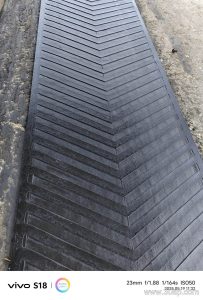
For a discharge pulley that must work with an abrasion resistant conveyor belt in a stone crushing plant, or with a chevron conveyor belt on an incline, the pulley face and lagging pattern should be discussed with the belt supplier. The discharge pulley is a small part of the conveyor but a key one: get the diameter, lagging, and shaft right, and the head end will run quietly for years. Visit www.example.com/conveyor-pulley for related conveyor pulley information, or www.example.com/conveyor-belt for belt selection guidance.