What a Double-Sealed Idler Is
A double-sealed idler is a carrying or return roller whose bearing housing is protected by two sealing elements instead of one. In practice this usually means an outer labyrinth seal combined with an inner lip seal, or a pair of seals with a grease barrier between them. The aim is simple: keep fine dust, grit, and moisture away from the bearing while holding lubricant inside. On a belt conveyor, the idler roller is a low-cost part, but a failed bearing can stop a whole transfer line, so the sealing detail matters more than it looks.
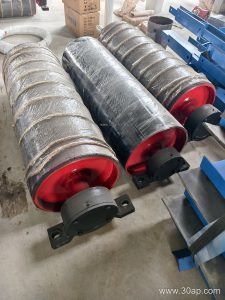
The same product is also described as a dual-sealed idler or double-seal conveyor roller. These are equivalent names for the same component, not different product families. A double-sealed idler remains an idler; it is not a drive, tail, or bend pulley, and those pulley types serve different duties at the head, tail, and curve of a conveyor.
How the Seal Is Built
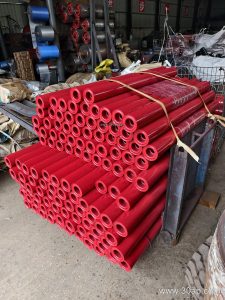
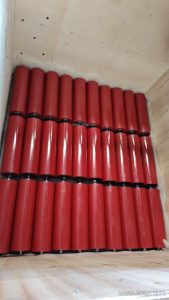
A typical double-sealed roller combines a steel tube shell, a shaft, a bearing, and the seal package. Common bearing sizes include 6204, 6205, 6305, 6306, 6308, and 6310, matched to the roller diameter and load rather than to one fixed rule. Roller diameters are commonly Ø63, Ø76, Ø89, Ø102, Ø108, Ø127, Ø133, Ø159, Ø178, Ø194, and Ø219 mm, and the shaft and bearing selection should be confirmed by the manufacturer for each design.
The sealing arrangement usually works in stages:
- An outer labyrinth or dust ring throws off coarse particles before they reach the seal lip.
- An inner lip seal retains grease and blocks the finer fraction.
- A grease cavity between the two seals acts as a buffer, so water and dust must pass two barriers.
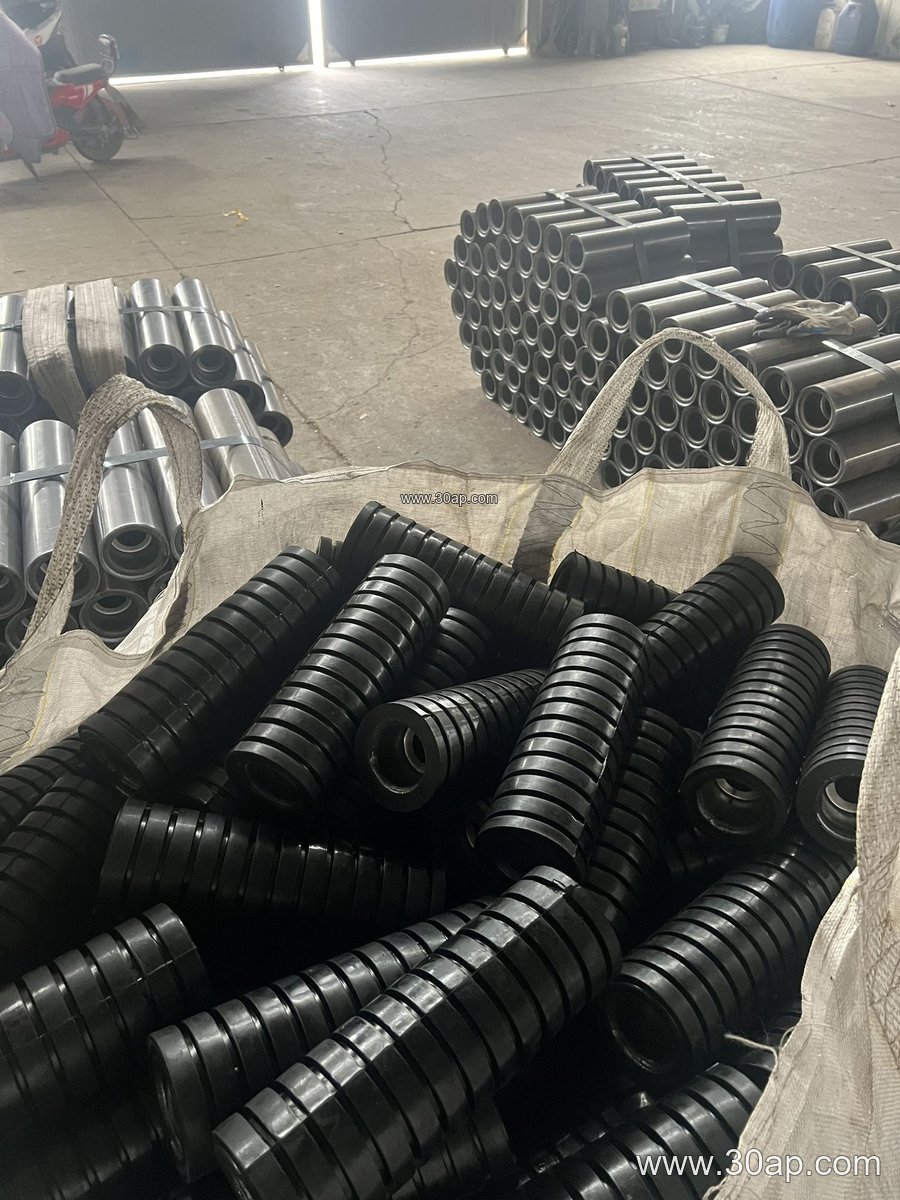
Shell surfaces can be plain steel, nylon, ceramic, or rubber rings. Rubber rings are common on impact idlers at loading points, while ceramic or nylon covers may be chosen where sticking or wear is a concern.
Where Double-Sealed Rollers Earn Their Place
Double-sealed idlers suit conveyors that run in dirty, damp, or wash-down conditions. In a limestone quarry or a sand and gravel plant, dust is constant and fine, and it finds weak seals quickly. In a coal washing plant or a power plant coal yard, moisture and fines combine into a paste that can penetrate a single seal. Cement plants, fertilizer handling, and tunnel muck removal are similar.
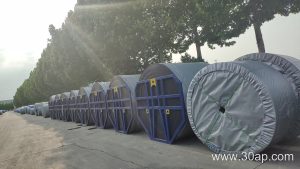
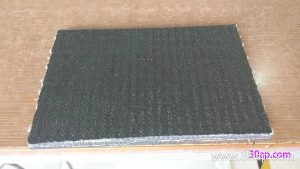
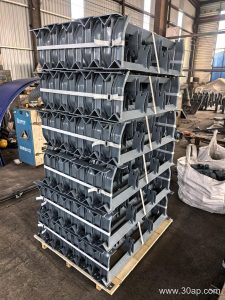
The roller type still follows the conveyor section. Troughing idlers carry the loaded strand, return idlers support the empty belt, and impact or rubber-ring buffer idlers sit under the loading chute. A double-sealed idler can be supplied in any of these forms; the seal is a construction feature, not a separate roller category. Where the belt carries an abrasive bulk material, pairing sealed rollers with a suitable abrasion resistant conveyor belt helps the whole line last longer. For long overland runs in cold regions, a cold resistant conveyor belt and well-sealed rollers both reduce winter downtime.
Sizes, Belt Widths, and Fit
Roller length depends on belt width, trough angle, and the idler arrangement. Three-roll troughing sets are common, and the following values are typical examples rather than fixed pairings. Side rollers and center rollers can differ, and 20, 30, 35, and 45 degree trough angles change the geometry.
| Belt width | Typical roller length (three-roll trough, example) |
|---|---|
| B500 | about 200 mm |
| B650 | about 250 mm |
| B800 | about 315 mm |
| B1000 | about 380 mm |
| B1200 | about 465 mm |
| B1400 | about 530 mm |
| B1600 | about 600 mm |
| B1800 | about 670 mm |
| B2000 | about 750 mm |
No single belt width requires one pulley diameter, and no roller diameter is tied to one belt width. A B800 line may use Ø89 or Ø108 rollers depending on load and speed, while a B1400 conveyor in an iron ore plant may need Ø133 or Ø159. Self-aligning and friction self-aligning idlers are often specified on long curves, and a slight forward tilt of about 1.5 to 2 degrees is used on some troughing sets to help belt tracking. Compare these with a bend pulley or tail pulley, which redirect the belt itself and are selected on different criteria.
Buyer Checklist
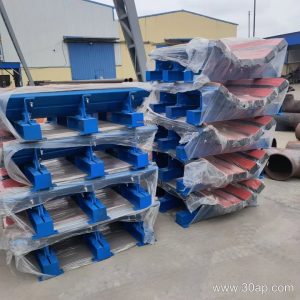
Before ordering, confirm the belt width and the idler station type, the roller diameter and length, the shaft end fitting, and the bracket or frame dimensions. Ask how the seal is arranged and whether the bearing cavity is greased for life or relubricable. State the environment: coal dust, cement powder, salt spray, or wash-down water all call for different seal and shell choices. On a conveyor carrying sticky or hot material, check whether a heat resistant conveyor belt or a skirted conveyor belt changes the load on the rollers. Also confirm that the conveyor bracket matches the shaft flats so the roller sits squarely; a loose fit wears seals faster than dust alone.
Finally, keep spares of the most-used sizes on site. A double-sealed idler costs little compared with a stopped crusher line, and matching the seal quality to the site conditions is the practical way to get long service life.