What a Waterproof Idler Is and Where It Fits
A waterproof idler is a conveyor idler roller built to keep moisture, spray, and slurry away from its bearings and internal surfaces. In a washdown area of a food plant, a dewatering section of a sand and gravel line, or a tunnel spoil conveyor that sees constant seepage, a standard idler can fail early because water reaches the bearing cavity and breaks down the grease. The waterproof version addresses that by combining a sealed bearing housing, a protective shell finish, and assembly details that resist water ingress.
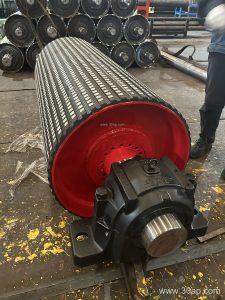
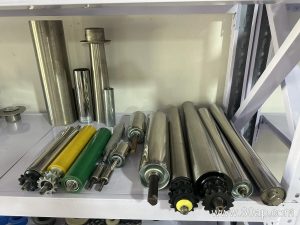
It is still an idler roller, not a pulley. Drive pulleys, tail pulleys, and bend pulleys transmit or redirect belt tension and are not interchangeable with idlers. A waterproof idler supports the belt and the material load, usually on the carry side or return side, and may appear as a troughing set, a return roller, or a training idler depending on the position in the conveyor.
Construction Details That Keep Water Out
The water resistance comes from several small decisions rather than one coating. Common features include labyrinth seals or multi-lip seals at the bearing housing, sealed-for-life bearings, and a tight fit between the shaft and end cap. The roller shell may be painted, galvanized, or fitted with rubber discs in buffer positions. The goal is to stop water from pooling inside the tube and to keep the bearing grease in place.
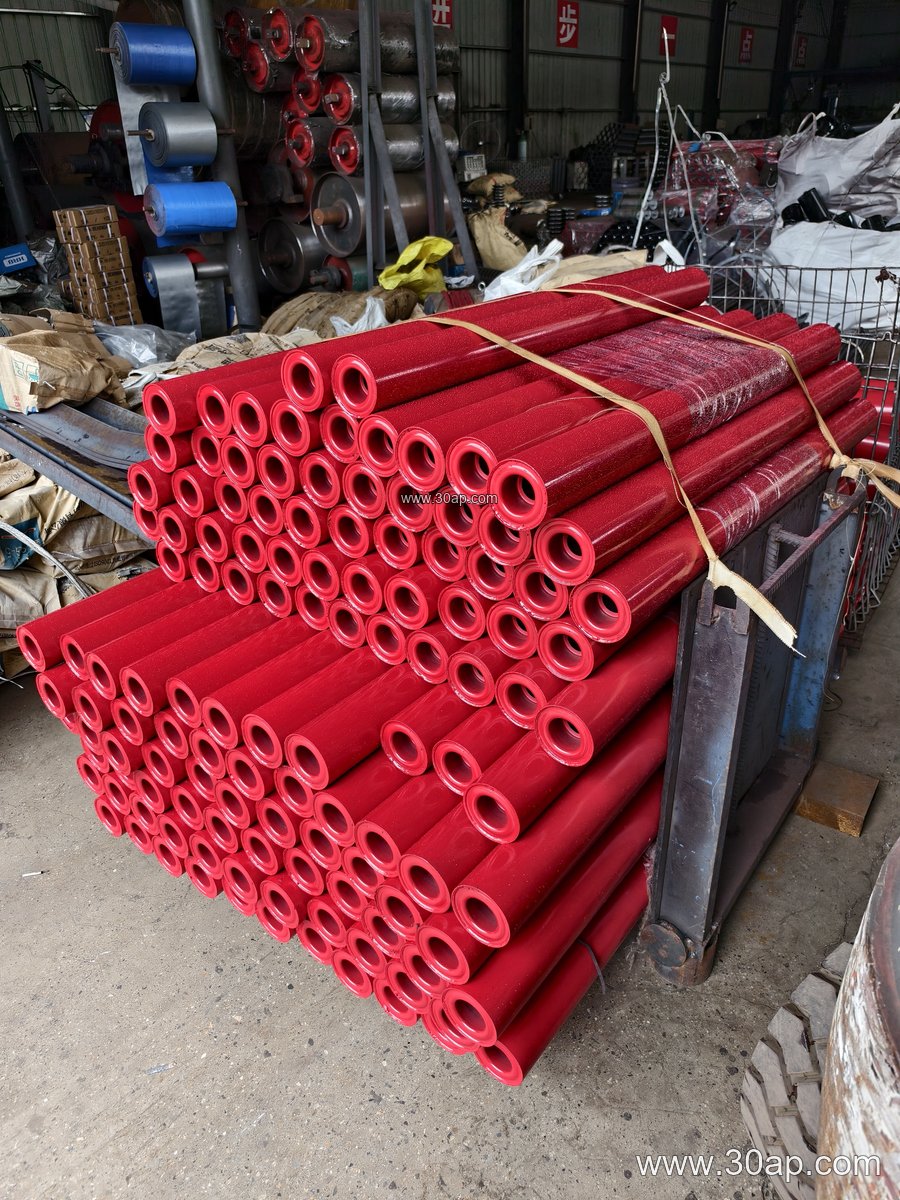
Bearing selection follows the load and the roller diameter. Common bearing sizes in this family include 6204, 6205, 6305, 6306, 6308, and 6310. None of these is tied to a single roller diameter; the final choice depends on load, speed, and seal design. A waterproof idler used in a washdown zone still needs a bearing that matches the radial load of the belt and material, so the seal should not be chosen at the expense of load capacity.
Common Roller Diameters and Belt Widths
Roller diameter and belt width are related but not fixed to each other. The table below shows common reference values, not universal matches. A B800 belt may use different roller diameters depending on load, trough angle, and idler spacing.
| Reference item | Common values |
|---|---|
| Roller diameter | Ø63, Ø76, Ø89, Ø102, Ø108, Ø127, Ø133, Ø159, Ø178, Ø194, Ø219 mm |
| Belt width | B400, B500, B650, B800, B1000, B1200, B1400, B1600, B1800, B2000, B2200, B2400 |
| Trough angle | 20°, 30°, 35°, 45° |
| Idler set form | single roller, two-roll, three-roll troughing |
Roll length changes with belt width and trough form. As a common example for three-roll troughing, B500 may use about 200 mm rollers, B650 about 250 mm, B800 about 315 mm, B1000 about 380 mm, B1200 about 465 mm, B1400 about 530 mm, B1600 about 600 mm, B1800 about 670 mm, and B2000 about 750 mm. The side rollers and center roller can differ, so these are starting references only.
Where Waterproof Idlers Are Used
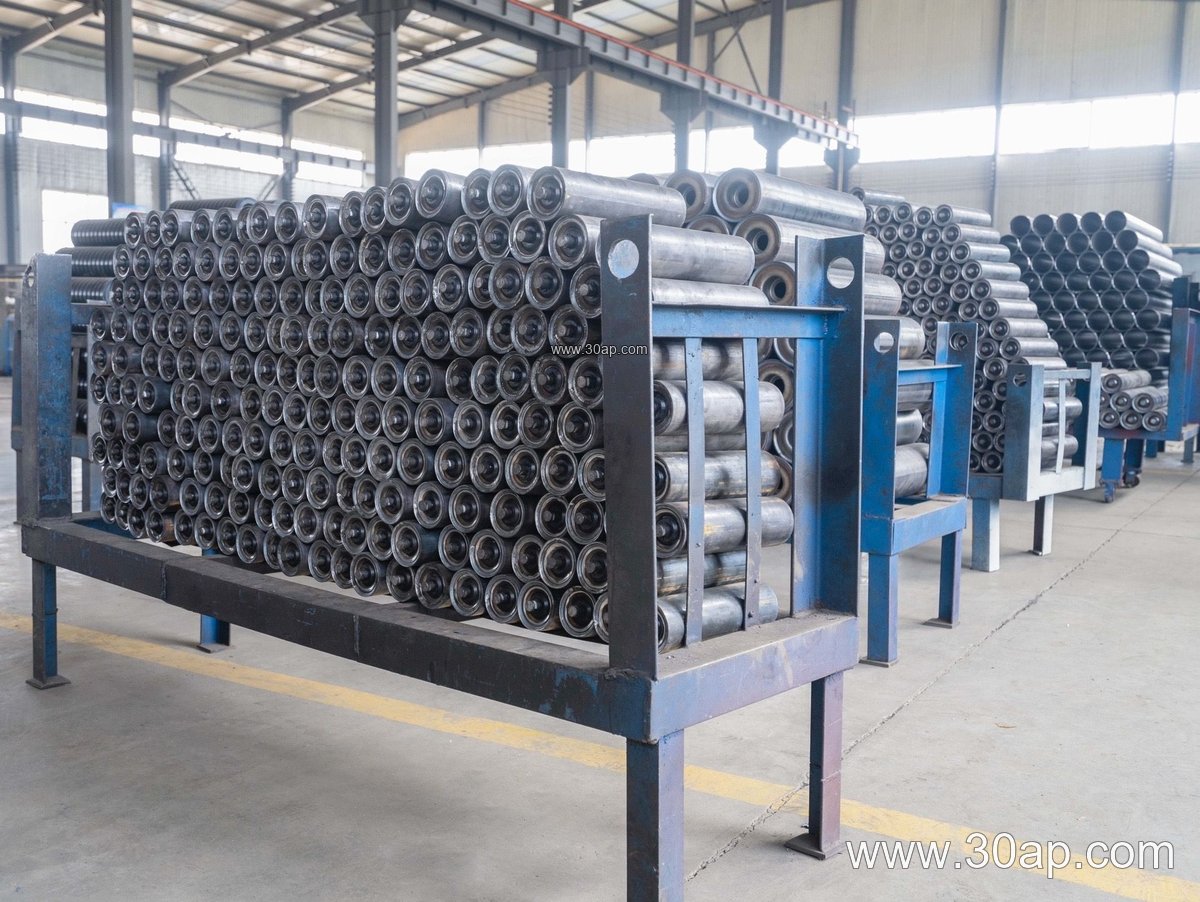
Wet or humid service is the deciding factor. In a sand and gravel plant, the washing and dewatering section is a natural home for sealed idlers because spray and fine slurry are constant. In a coal preparation plant or a port terminal handling wet bulk material, waterproof idlers help protect the return side where water drips from the belt. A cement plant may use them near a water spray for dust suppression, and a power plant coal yard may see them on conveyors exposed to rain.
The idler still has to match the conveyor belt and the surrounding equipment. A heavy-duty mining conveyor belt running at high tension may need larger roller diameters and stronger bearings, while a lightweight fabric core conveyor belt in a washdown area may use smaller rollers. The waterproof feature is one part of the selection, not a substitute for correct load and speed calculation.
Buyer Checklist for a Waterproof Idler
- Confirm the actual water exposure: spray, washdown, rain, or continuous seepage. Each calls for a different seal and finish.
- Match roller diameter and bearing size to the belt width, load, and speed. Do not assume one diameter fits every B800 or B1000 conveyor.
- Check the seal type and bearing housing design. A good waterproof idler should keep grease in and water out over the service interval.
- Confirm the idler set form and trough angle. A 35° troughing set and a 45° set behave differently with the same belt.
- Review the shell finish and roller surface. Rubber discs may help in buffer positions, while a plain steel shell suits normal carry idlers.
- Ask how the idler is installed on the conveyor bracket and whether the shaft ends fit the existing frame.
Waterproof idlers are a practical choice where moisture is unavoidable, but they work best when the whole conveyor is considered. Pairing them with a suitable abrasion resistant conveyor belt, a properly aligned conveyor pulley, and a stable conveyor bracket reduces the chance of premature wear. For wet, dusty, or washdown service, the sealed idler is a small component that protects the belt line from repeated downtime.