What Is an Adjustable Conveyor Bracket?
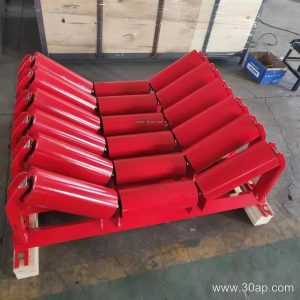
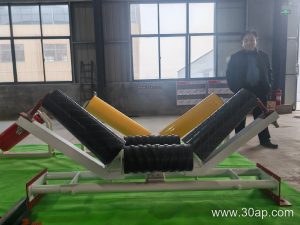
An adjustable conveyor bracket is a mounting component that supports idler rollers on a conveyor system and allows the roller position or trough angle to be changed after installation. Unlike fixed brackets welded or bolted into a permanent shape, this bracket uses slotted holes, pivoting arms, or movable crossbeams so maintenance crews can fine-tune belt contact without cutting or re-welding the frame. It is often called an adjustable idler bracket or a variable-angle conveyor bracket, and those terms refer to the same product. In a quarry, cement plant, or power plant coal yard, this flexibility helps keep a rubber conveyor belt centered and evenly supported as conditions change.
Construction and Adjustment Features
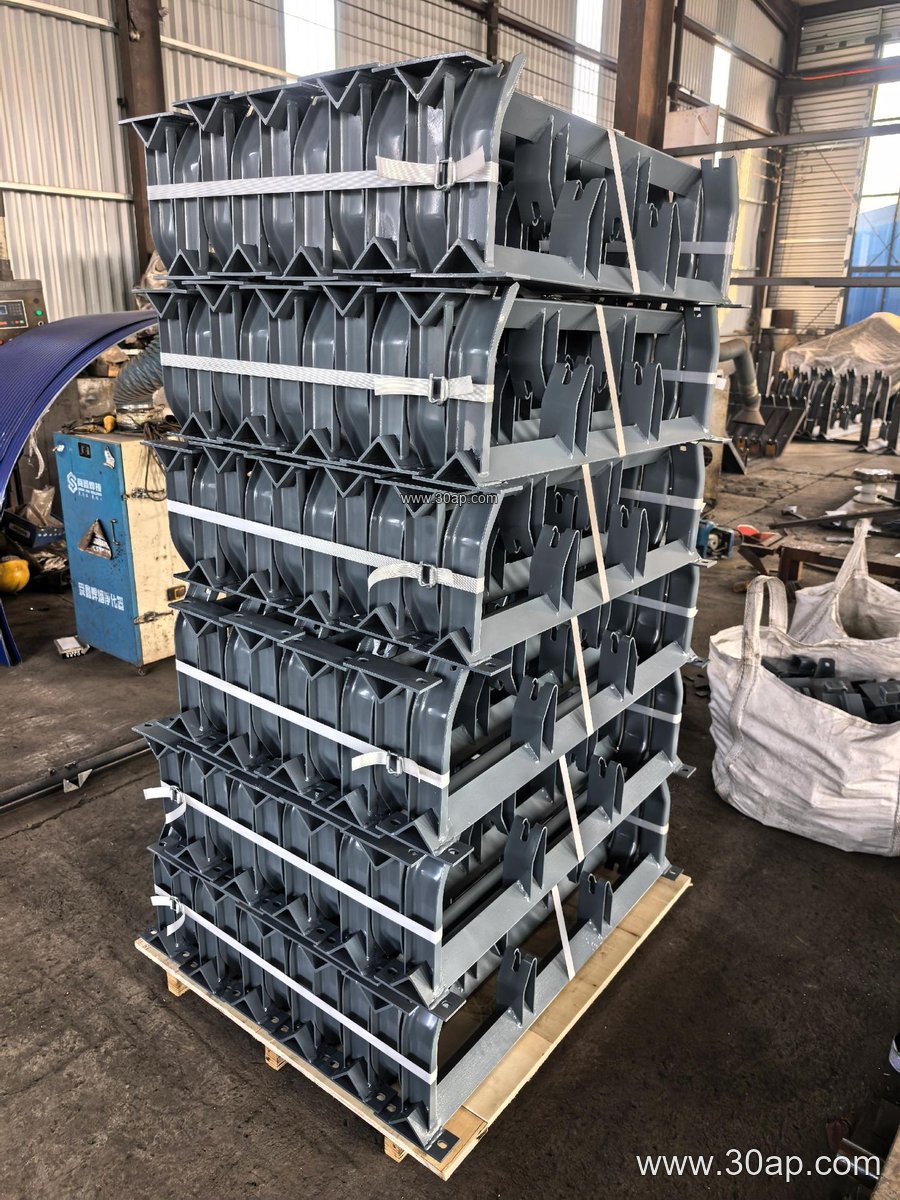
Most adjustable brackets are fabricated from angle steel, channel steel, or bent steel plate. The frame includes a base plate with elongated mounting slots, a pivoting roller seat, and a locking bolt or clamp that holds the chosen position. Common adjustment ranges cover trough angles of 20°, 30°, 35°, and 45°, and some designs add a slight forward tilt of about 1.5° to 2° to help with belt tracking. The bracket does not set belt width or roller diameter by itself; those are determined by the conveyor design. For example, a B800 frame with 35° trough and Ø108 rollers is a typical combination, while a B1200 line might use 45° and Ø133 rollers. Mounting hole spacing and crossbeam length vary with belt width and trough angle, so buyers should confirm dimensions against the actual idler roller and conveyor pulley layout.
Where It Fits in the Conveyor Structure
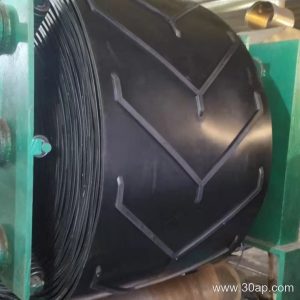
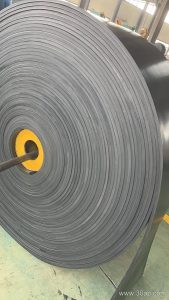
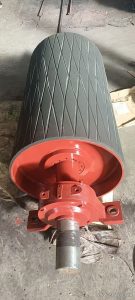
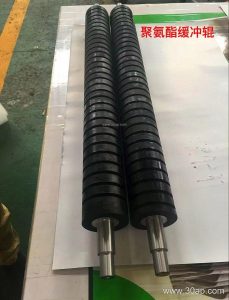
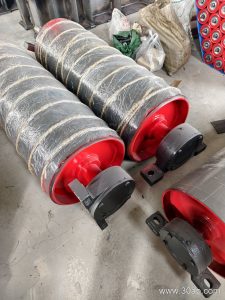
Adjustable brackets appear at transition zones near the tail pulley, at loading points where impact idlers need fine height adjustment, and on sections where the belt must be trained after startup. In a limestone mine or aggregate crushing line, they are often used on the carrying side to match the trough shape to the material load. On the return side, a V-return bracket may be adjustable to keep the belt from sagging between pulleys. They are not a replacement for a drive pulley, tail pulley, or bend pulley; those components transmit power and change belt direction, while the bracket only positions the rollers that support the belt. A fabric core conveyor belt or a heavier steel cord belt both benefit from correct roller alignment, but the bracket selection follows the roller and frame design, not the belt alone.
Practical Selection and Maintenance Notes
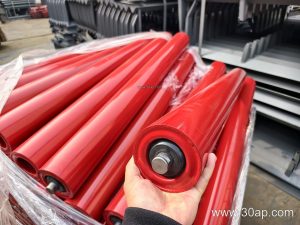
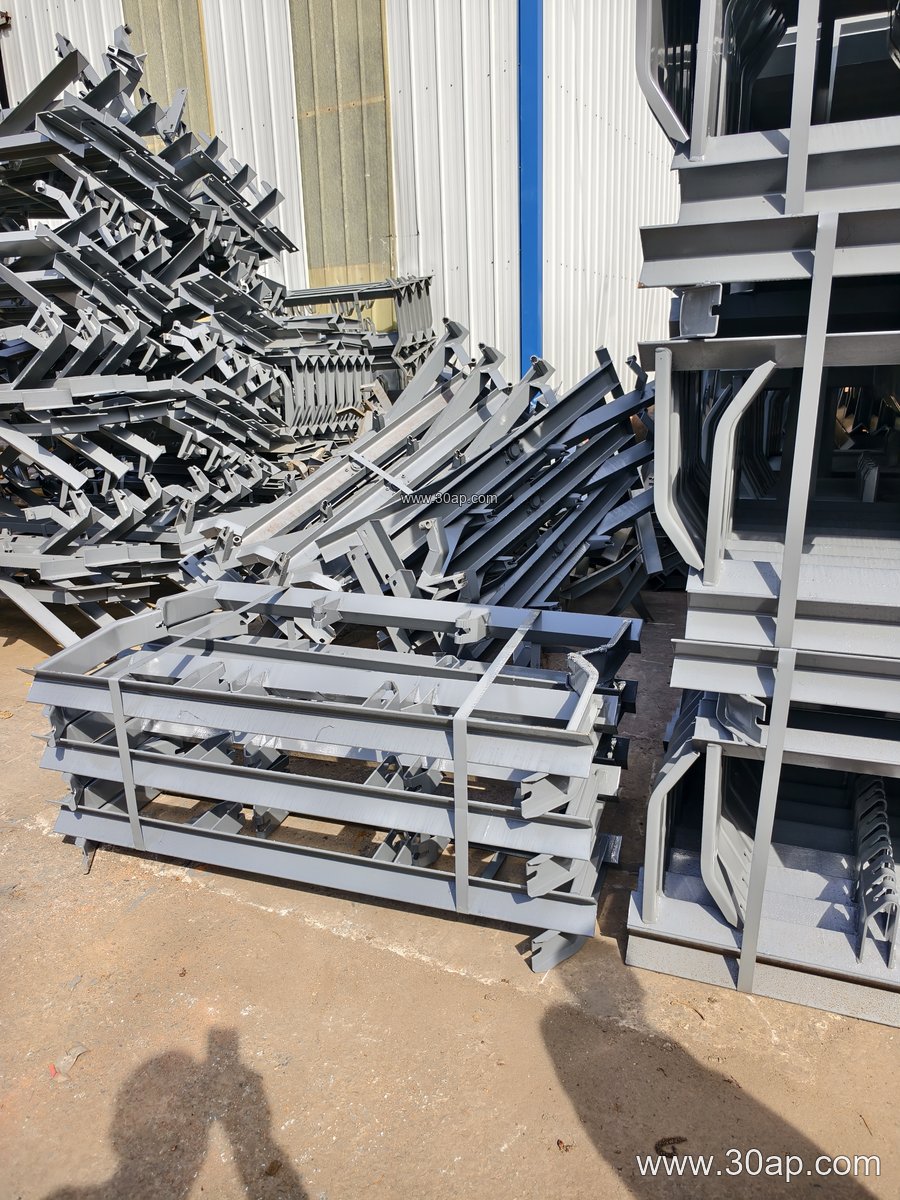
When choosing an adjustable conveyor bracket, start with the belt width and the roller diameter used on that conveyor. Reference ranges commonly include B500 up to B2200, with roller diameters such as Ø89, Ø108, Ø133, Ø159, and Ø194. Do not assume that one belt width can only match one trough angle or one roller size. Check the bracket material and thickness for the load, confirm that the adjustment slots allow the required trough angle, and verify that the locking mechanism will not loosen under vibration. In a coal mining conveyor or a cement plant, dust and fines can clog slots, so periodic cleaning and bolt checks are part of normal maintenance. If the belt is a flame retardant conveyor belt or an abrasion resistant conveyor belt, the bracket still serves the same support role; the belt cover protects the carcass, while the bracket keeps the idlers at the right height and angle.
Buyer Checklist
- Confirm belt width, such as B650, B1000, or B1400, and the matching idler roller diameter.
- Decide the required trough angle range, for example 30° to 45°, and whether a forward tilt is needed.
- Check mounting hole dimensions against the conveyor frame and pulley positions.
- Select steel grade and finish suitable for the site, whether a sand and gravel line, a steel plant, or a port loading system.
- Plan for routine inspection of bolts and sliding surfaces to keep the bracket adjustable over time.
An adjustable conveyor bracket is a small but practical part of a conveyor system. Used with the right idler roller and a well-matched EP conveyor belt or steel cord conveyor belt, it helps maintain belt support and alignment in demanding bulk handling environments.