What a Rubber Disc Return Idler Does
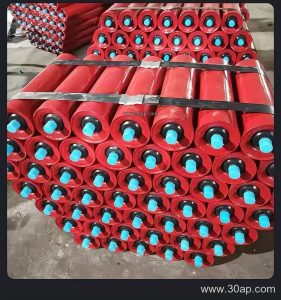
A rubber disc return idler is a return-side idler roller fitted with a series of rubber discs along its shaft instead of a plain steel tube. It supports the empty lower run of the conveyor belt and, because the discs are flexible and spaced apart, it also sheds sticky material that would otherwise build up on a smooth roller. In quarry, cement and coal handling lines, this self-cleaning behavior is the main reason buyers choose the disc design over a standard flat return roller.
The product is sometimes called a rubber ring return roller or rubber disc roller. It belongs to the return idler family, alongside the plain flat return idler and the V-type return idler. Drive pulleys, tail pulleys and bend pulleys are different components entirely and are not substitutes for a return idler.
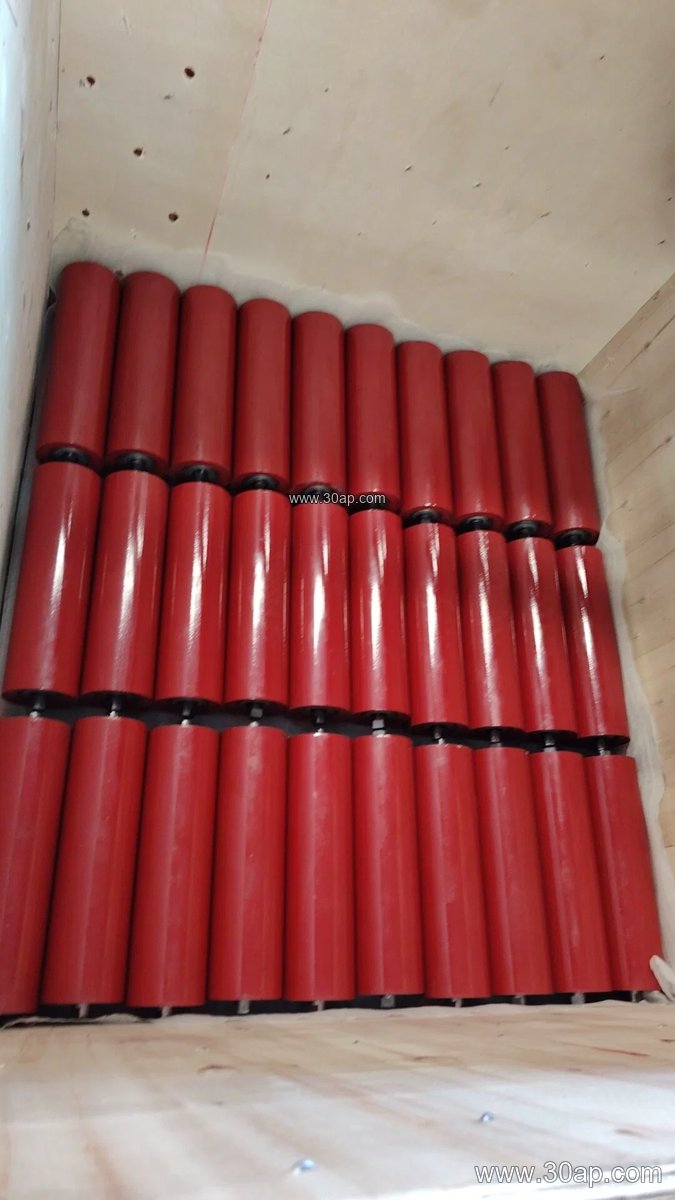
Construction and Key Components
A typical unit is built around a through shaft, sealed bearing housings at each end, and a stack of rubber discs pressed between steel end plates. The shaft fits into a conveyor bracket or frame mounting, so the roller sits below the belt and rotates with it. Bearing selection and sealing quality matter more than appearance: fine dust and moisture are the usual causes of early failure in mining and power plant service.
- Shaft and bearing assemblies, commonly in 6204, 6205, 6305, 6306, 6308 or 6310 sizes depending on load and roll diameter
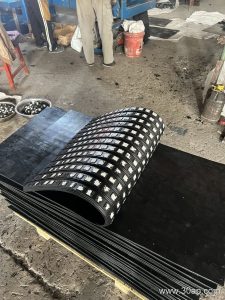
- Rubber discs, normally abrasion resistant and oil resistant grades for sticky or oily cargo
- Steel end plates and fixing bolts to hold the disc stack in alignment
- Labyrinth or contact seals to keep out dust and water
Roll diameters commonly range from Ø63 and Ø76 up to Ø133, Ø159 and larger, while disc diameter and disc spacing are chosen to suit the belt and the material being carried. None of these values should be treated as a fixed match to one belt width.
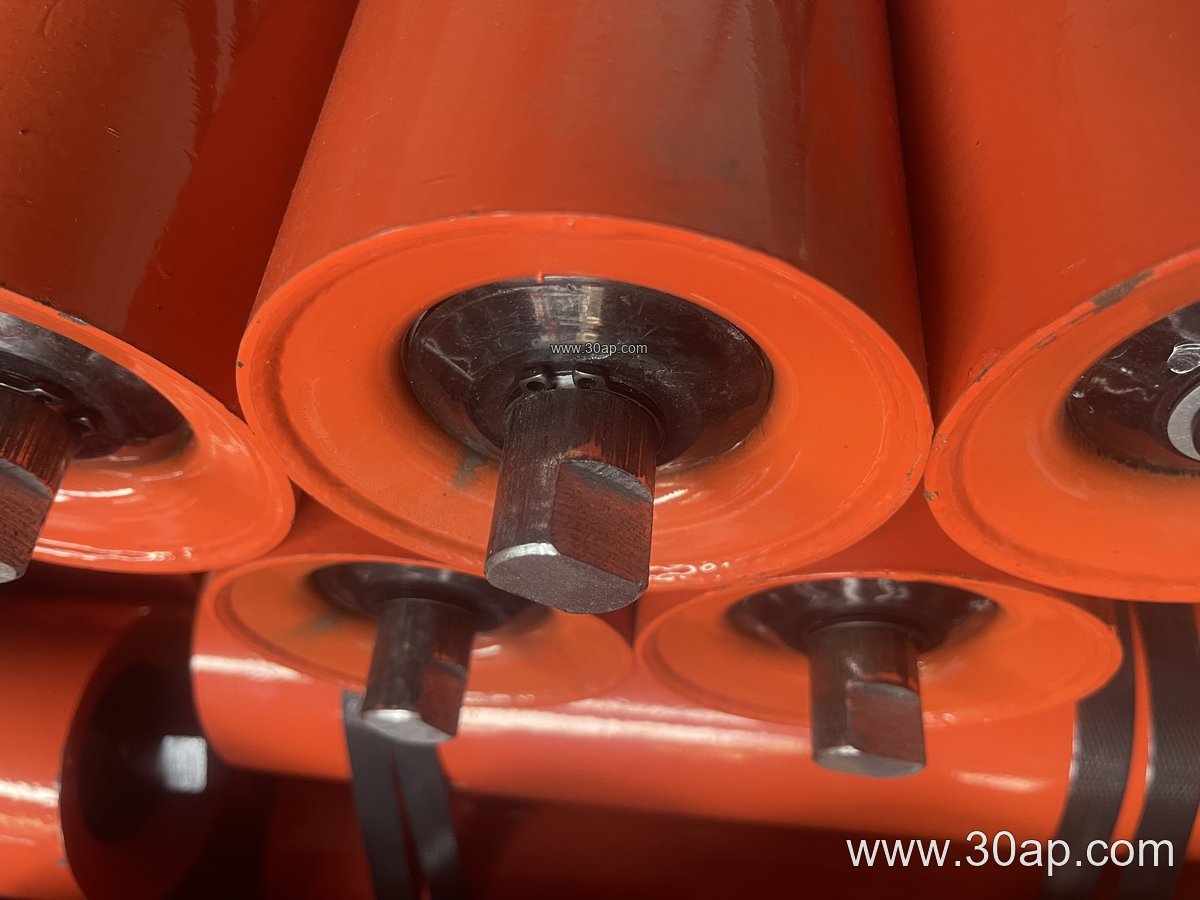
Where It Fits on the Conveyor
The idler is mounted on the return strand, usually at intervals along the lower run between the head and tail. In a coal mining conveyor or an underground mining conveyor, the disc roller helps keep the belt tracking cleanly and reduces the chance of carryback dropping onto the floor or into the frame. In a cement plant or lime handling line, the same design handles fine, damp powder that tends to cling.
On a ship loading conveyor or port conveyor, the return idler works together with the conveyor pulley, the conveyor belt and the steel structure to keep the empty run stable. A belt such as an EP conveyor belt or a steel cord conveyor belt behaves differently in terms of stiffness and sag, so the return idler spacing and disc profile should follow the belt manufacturer’s recommendation and the actual load case.
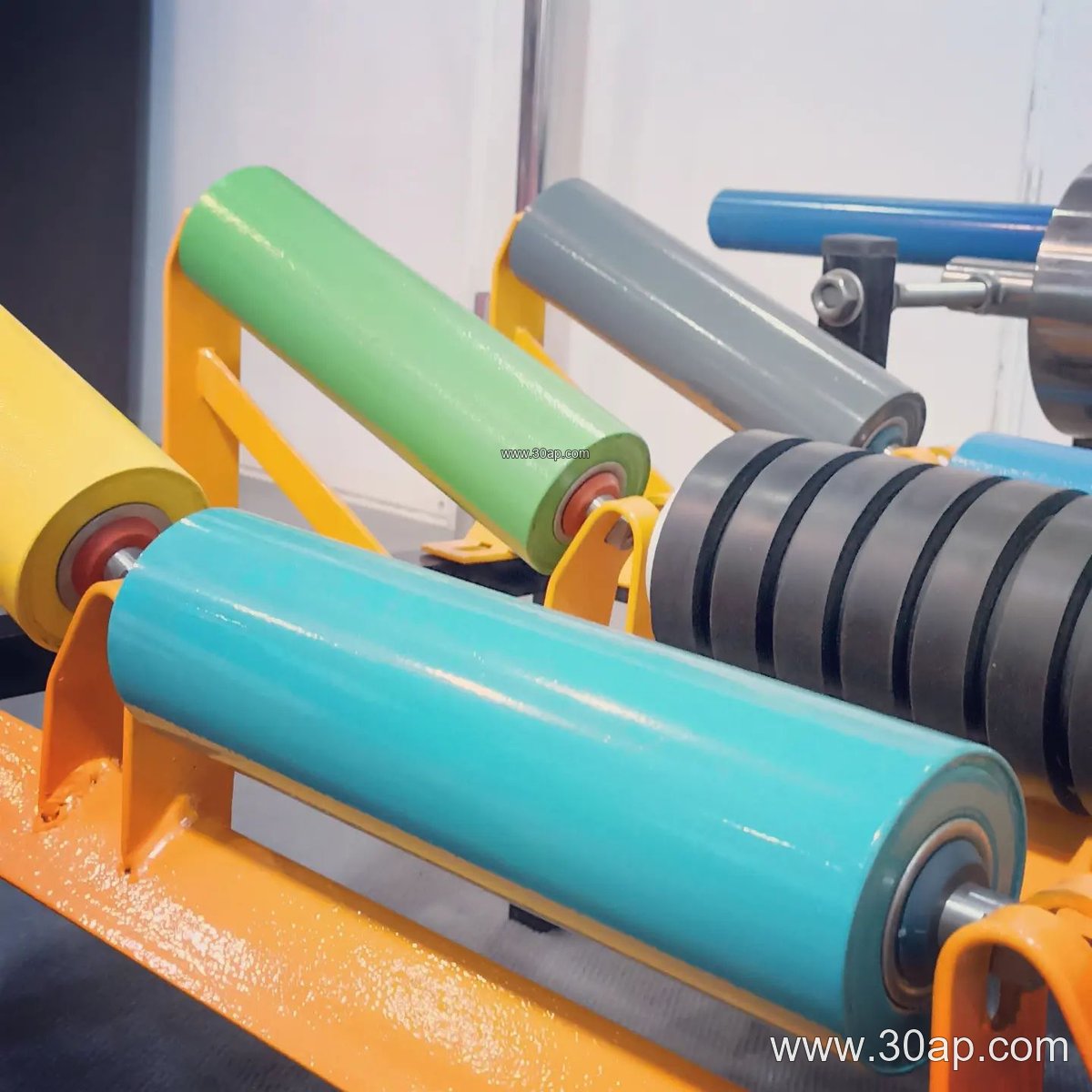
Common Sizes and Reference Data
The table below gives typical reference values for return idlers; final dimensions depend on the conveyor design, belt width and frame type.
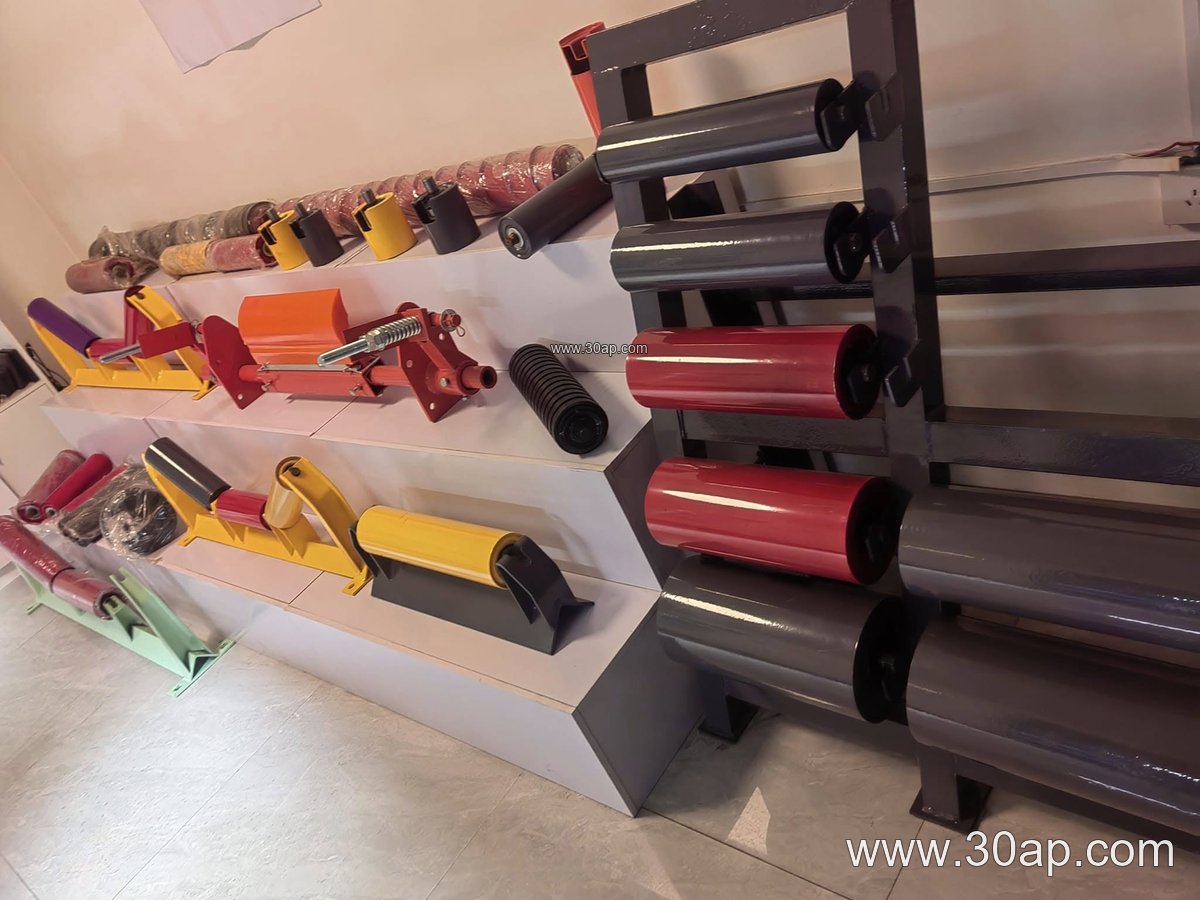
| Item | Common Reference Range |
|---|---|
| Roll diameter | Ø63, Ø76, Ø89, Ø102, Ø108, Ø127, Ø133, Ø159, Ø178, Ø194, Ø219 mm |
| Belt width | B400, B500, B650, B800, B1000, B1200, B1400, B1600, B1800, B2000, B2200, B2400 |
| Bearing | 6204, 6205, 6305, 6306, 6308, 6310 |
| Disc material | Rubber, abrasion resistant or oil resistant compound |
| Mounting | Conveyor bracket or frame, fixed or suspended |
Note that roller length varies with belt width and frame arrangement. A B800 belt does not automatically require one specific shaft diameter; the shaft is selected from the load, span and bearing housing, not from belt width alone.
Choosing the Right Variant
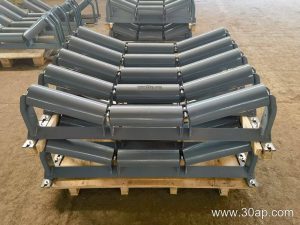
For sticky or wet cargo, a rubber disc return idler is often the practical choice. For clean, dry material on a high-speed line, a plain flat return idler may be sufficient and cheaper. Where belt training is the main issue, a V-type return idler or a self-aligning return roller may be more appropriate. The disc roller is not a replacement for a training idler, a impact idler or a troughing idler on the carrying side.
Buyers should confirm the belt width, the return strand load, the ambient temperature, and whether the material is oily, abrasive or corrosive. A heat resistant conveyor belt or a flame retardant conveyor belt in a coal mining conveyor may call for different rubber compounds and clearance between discs. Matching the idler to the belt and the environment avoids premature disc wear and belt edge damage.
Maintenance Notes
Check disc wear, disc alignment and bearing play during routine inspections. A wobbling disc stack usually points to a worn bearing or a loose end plate, and a seized roller will rub the belt and shorten its life. Keep the return side free of spilled material, and replace damaged discs before they cut into the belt cover. For heavy-duty mining conveyor belt systems, planned inspection intervals based on running hours are more reliable than waiting for a failure.