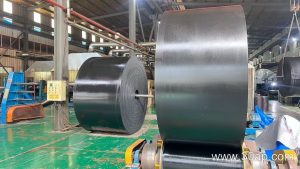
What an Abrasion Resistant Conveyor Belt Is
An abrasion resistant conveyor belt is a heavy-duty rubber belt engineered to resist surface wear when carrying sharp, hard, or high-friction materials. In mines, quarries, cement plants, power stations, and sand and gravel yards, the belt surface faces constant scratching from rock, clinker, ore, and aggregate. This wear-resistant conveyor belt uses a tougher cover compound and a strong carcass to keep the belt running longer under those conditions. You may see it called a wear-resistant conveyor belt or high abrasion resistant conveyor belt, but it is the same product family.
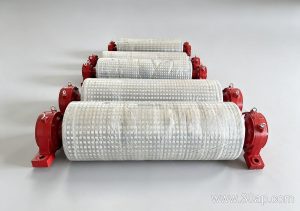
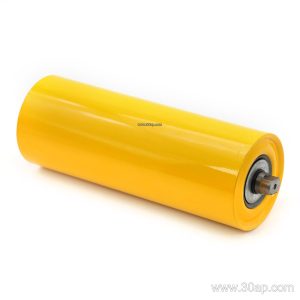
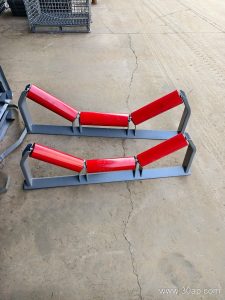
The belt works with other conveyor components such as idler rollers, conveyor pulleys, and conveyor brackets. Drive, tail, and bend pulleys each have a distinct role and are not interchangeable. A worn belt can affect pulley lagging and idler life, so matching the belt to the duty is important.
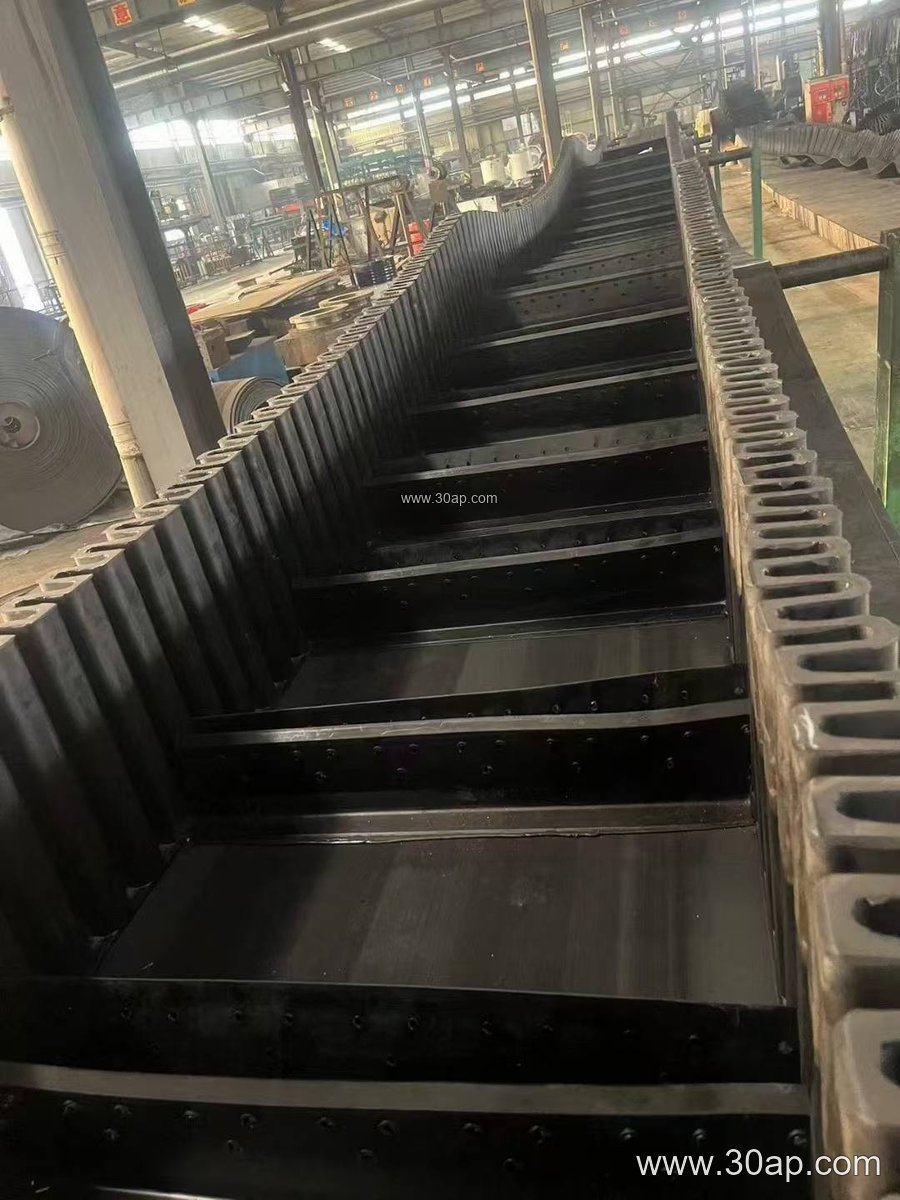
Construction and Common Specifications
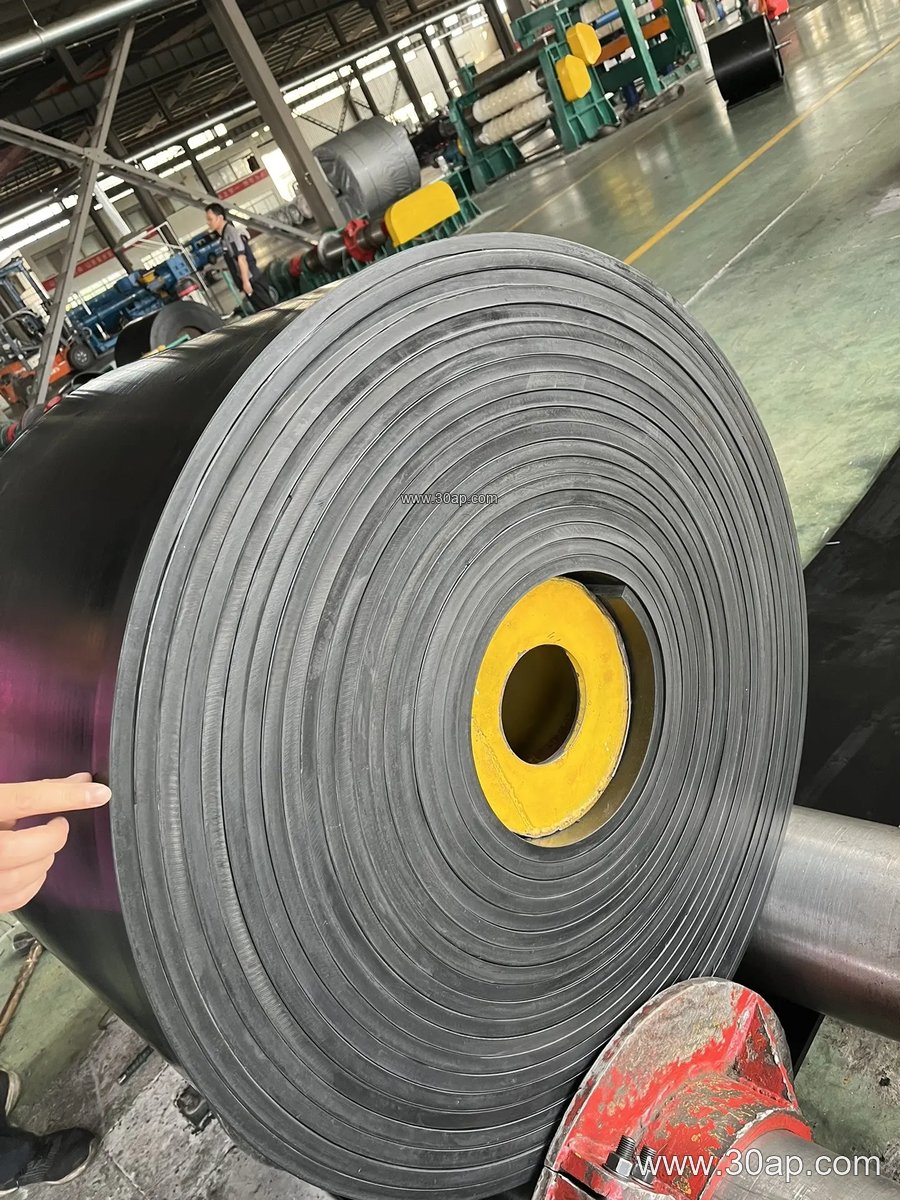
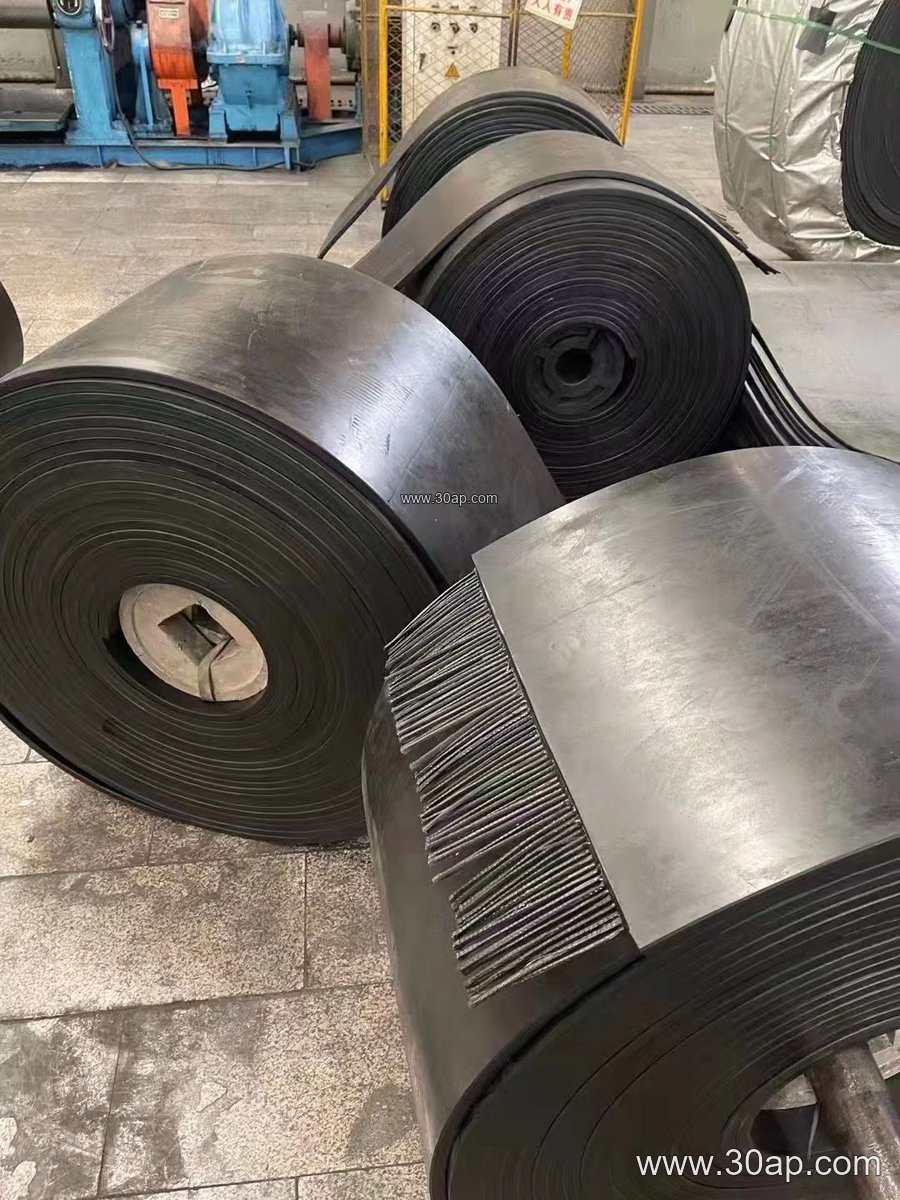
Most abrasion resistant belts combine a rubber cover with a fabric or steel cord carcass. The cover grade is selected for cut and gouge resistance, while the carcass carries tension. Common carcass options include EP conveyor belt (polyester-nylon), NN conveyor belt (nylon-nylon), and steel cord conveyor belt for very high strength. Multi-ply fabric core designs are also used where flexibility and spliceability matter.
Typical reference values are shown below. These are common ranges, not fixed supply promises; actual belt design depends on the conveyor layout and material.
| Parameter | Common reference values |
|---|---|
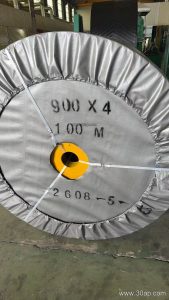
| Belt width | B500, B650, B800, B1000, B1200, B1400, B1600, B1800, B2000 |
| Cover thickness (top + bottom) | 3+1.5 mm, 4+2 mm, 5+2 mm, 6+2 mm, 8+3 mm |
| Fabric plies | 2 to 6 plies |
| EP strength grades | EP200, EP315, EP400, EP500, EP630, EP800, EP1000, EP1250, EP1600, EP2000 |
For high-impact loading points, an impact resistant conveyor belt or a thicker top cover may be considered. Where oil or heat is also present, an oil resistant conveyor belt or heat resistant conveyor belt may be needed instead of a standard wear-resistant cover.
Where It Is Used
This belt is common in mining conveyor belt systems, quarry conveyor belts, aggregate conveyor belts, crusher conveyor belts, and cement conveyor belts. It also appears in power plant conveyor belts handling coal, and in port conveyor belts for ship loading. In underground coal mining, flame retardant conveyor belt and anti-static conveyor belt properties are often required alongside wear resistance. A pipe conveyor belt or corrugated sidewall conveyor belt may be chosen for special routes, but those are different designs and not replacements for a standard abrasion resistant belt.
Chevron conveyor belt and skirted conveyor belt designs are sometimes used on inclines or to contain material, but the cover compound still needs to suit the abrasion level. For general bulk material conveyor belts, the wear-resistant cover is the main defense against surface loss.
Buyer Checklist
- Confirm the material size, sharpness, and drop height at loading points.
- Check the required tensile strength and select an EP or steel cord grade accordingly.
- Match cover thickness to wear severity; thicker covers are not always better if flexibility is needed.
- Verify pulley diameters and idler roller spacing with the belt manufacturer.
- Ask whether flame retardant, anti-static, oil resistant, or heat resistant properties are also needed.
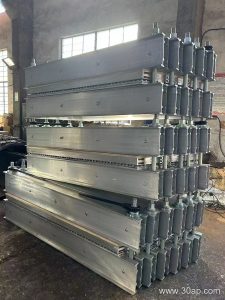
- Plan splicing and inspection access around conveyor pulleys and brackets.
For wear-critical lines, a high abrasion resistant conveyor belt with a suitable carcass can reduce downtime compared with a standard belt. Buyers should request the manufacturer’s data for the specific grade and width rather than relying on general tables.