What a Coal Mine Belt Conveyor Pulley Does Underground
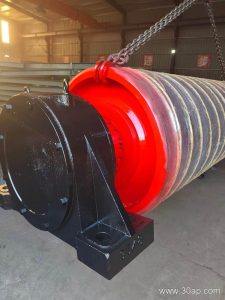
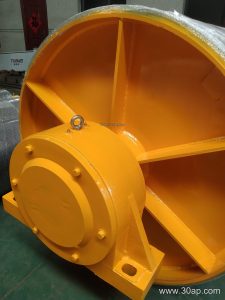
A coal mine belt conveyor pulley is the rotating steel drum that carries and guides the conveyor belt along a coal clearance or haulage route. It transfers motion, maintains belt tension, and shapes the belt path between loading points. Unlike an idler roller, which supports the belt from below, a pulley is a larger, shaft-mounted component that works at the ends and turns of the conveyor structure. In an underground coal mining conveyor belt system, these drums must tolerate dust, moisture, variable loads, and limited maintenance windows.
Main Subtypes and Their Positions
The drive pulley, also called the head pulley, connects to the gearbox and motor and delivers the tractive force. The tail pulley sits at the loading end and returns the belt. Bend pulleys change belt direction at tensioning stations or around transfer towers. These three roles are distinct and are not interchangeable names. A tension pulley may be grouped with bend pulleys in layout discussions, but each position has its own load profile.
- Drive or head pulley: high torque, often lagged for grip
- Tail pulley: guides the return strand and may include a take-up function
- Bend pulley: redirects the belt with moderate wrap angle
- Wing pulley: used where sticky material buildup is a concern
Construction and Surface Options
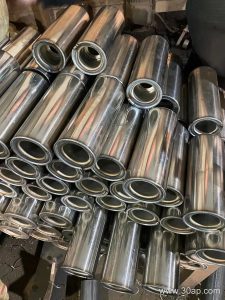
The drum body is usually welded steel, machined at the ends for shaft fit and bearing alignment. The shaft diameter is determined by torque and radial load, not by belt width alone. Common shaft sizes include Ø80, Ø100, Ø120, Ø140, and Ø160 mm, with larger sizes for heavy-duty mining conveyor pulleys.
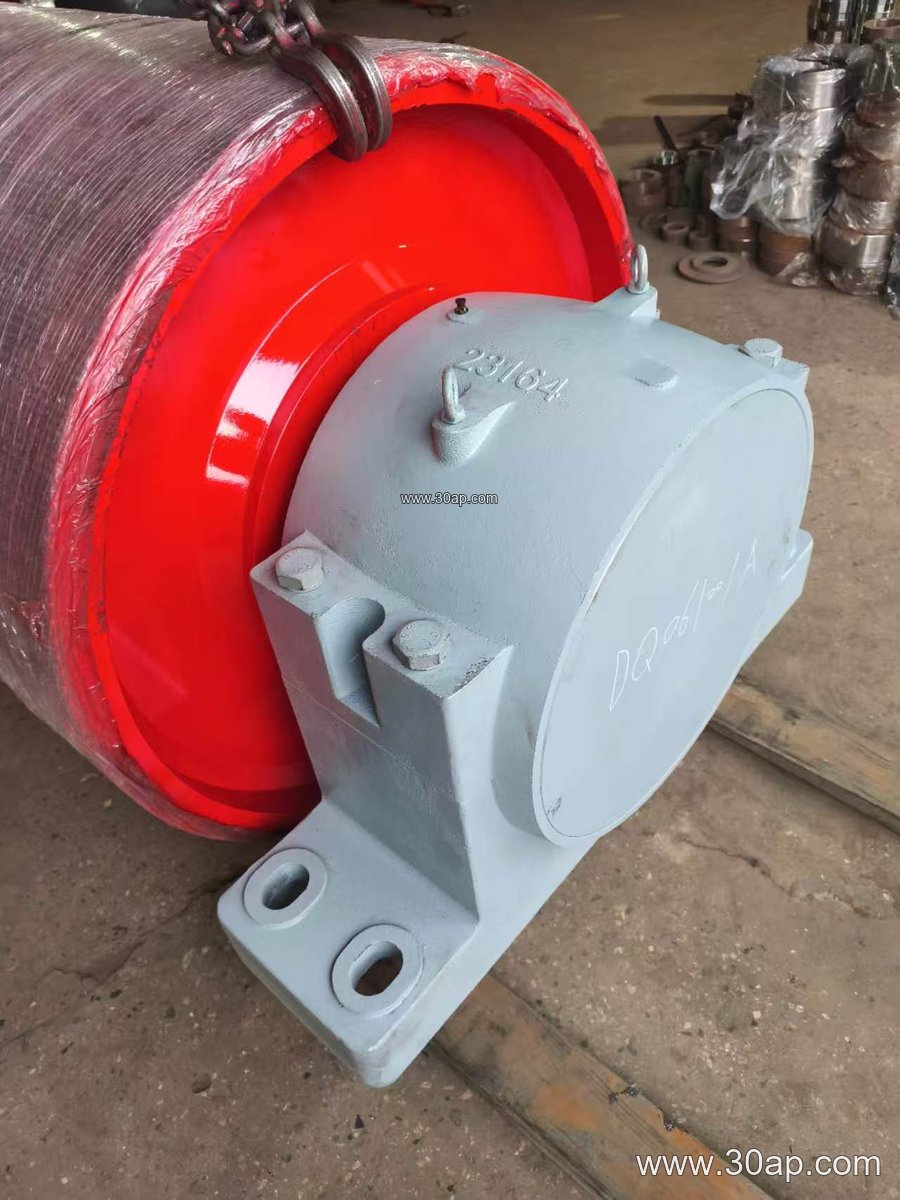
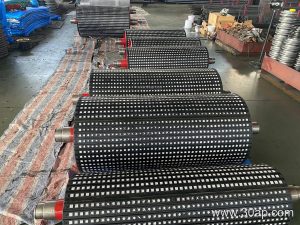
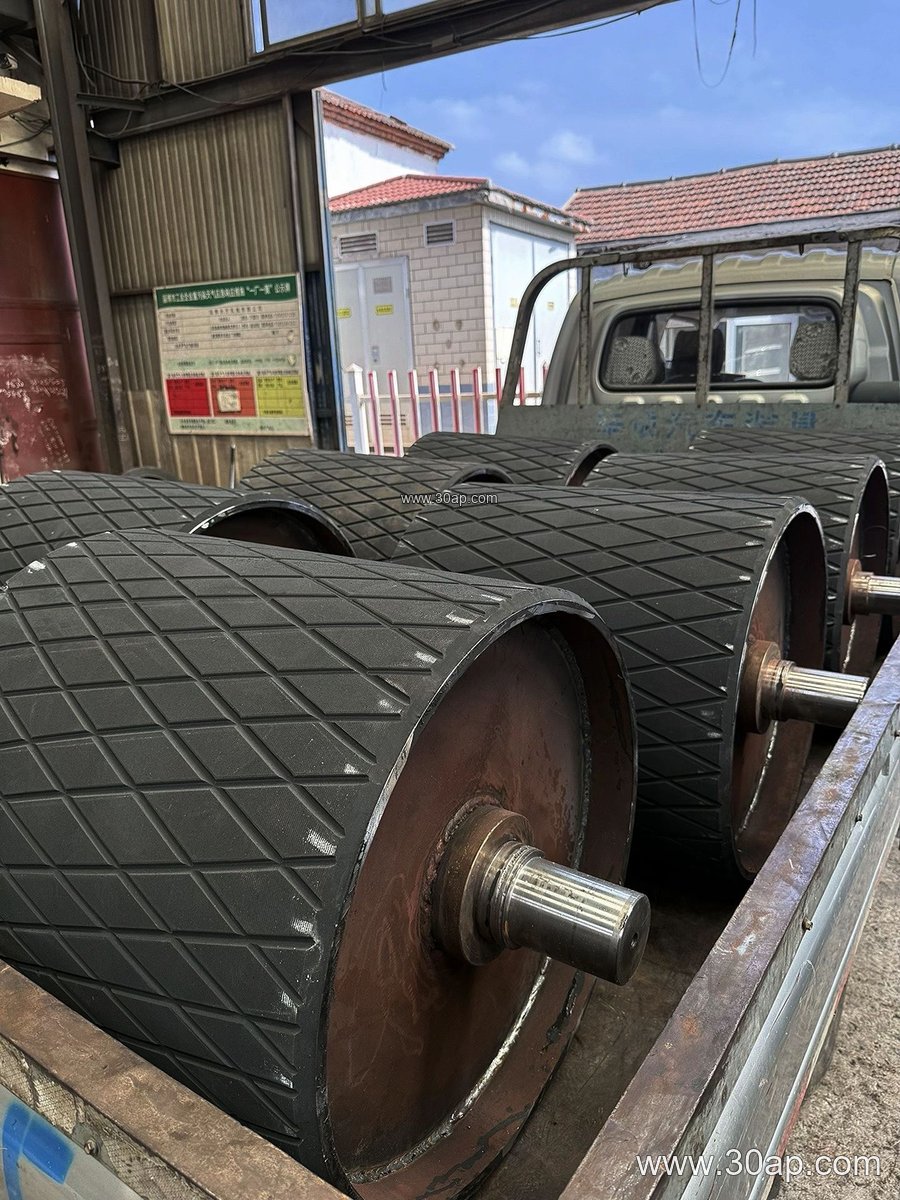
Surface treatment affects grip and wear life. Plain finish suits some tail positions, while rubber lagging improves friction at drive locations. Diamond lagging and herringbone lagging help shed water and fines. Ceramic lagging is chosen for high-abrasion service. Lagging thickness commonly ranges from 8 mm to 20 mm depending on duty.
Reference Dimensions
The values below are common reference combinations, not fixed rules. A B800 conveyor may use a Ø500 drum in one plant and a Ø630 drum in another, depending on belt speed, wrap angle, and tension.
| Belt Width (B) | Typical Pulley Face Width | Example Diameter Range |
|---|---|---|
| B650 | About 750 mm | Ø315 to Ø500 |
| B800 | About 950 mm | Ø400 to Ø630 |
| B1000 | About 1150 mm | Ø500 to Ø800 |
| B1200 | About 1400 mm | Ø630 to Ø1000 |
| B1400 | About 1600 mm | Ø800 to Ø1250 |
| B1600 | About 1800 mm | Ø1000 to Ø1400 |
Face width is normally wider than the belt to allow for mistracking. A B1200 × Ø1000 combination is common in main haulage, while a B800 × Ø500 drum may appear on secondary lines.
Where These Pulleys Are Used
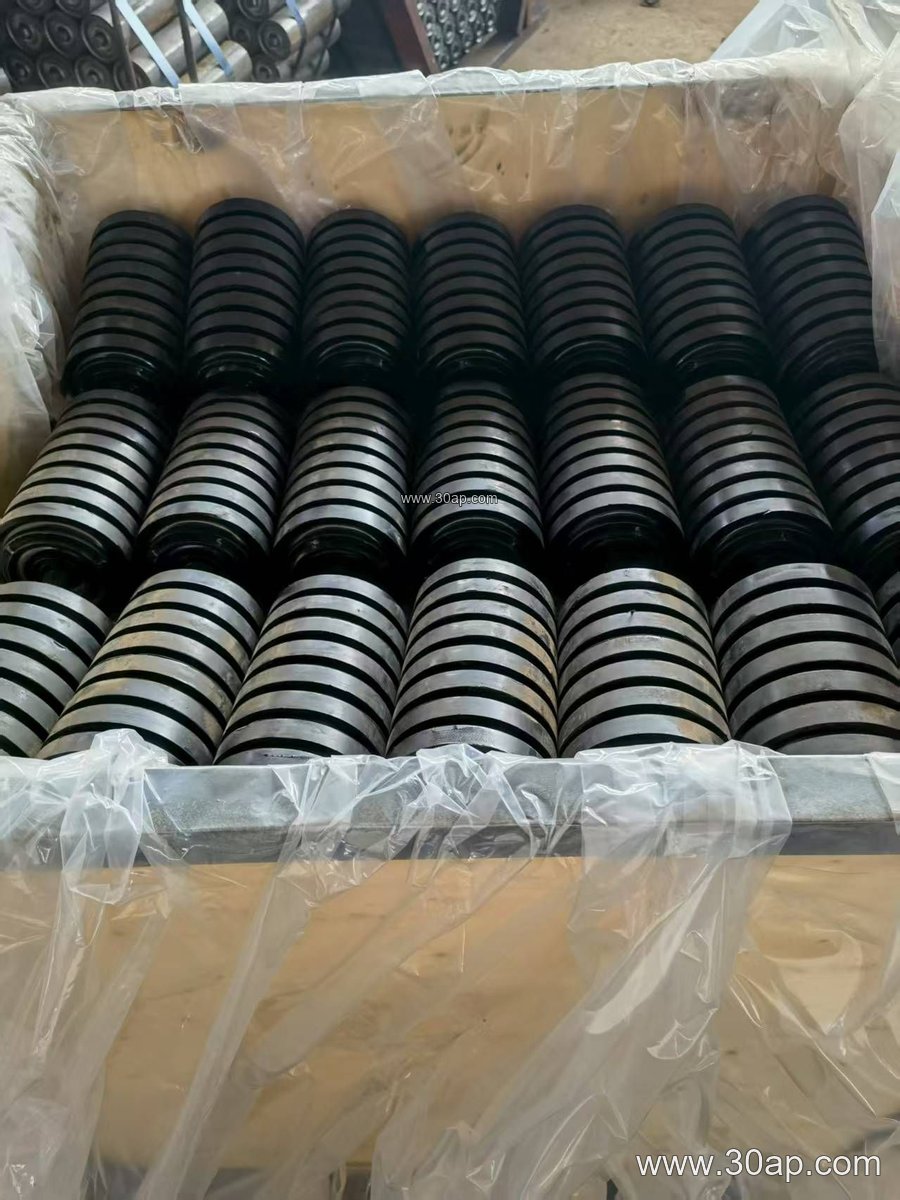
Underground coal mining conveyors are the primary setting, but the same drum design appears in coal preparation plants and power plant coal yards. In a washbox or coal handling system, a flame retardant conveyor belt often runs alongside drums that must resist coal fines and washdown. Surface operations such as a quarry or aggregate line may use similar pulleys with abrasion resistant conveyor belt grades. The drum itself is selected for load, not for the belt compound alone.
Matching the Pulley to the Belt and Structure
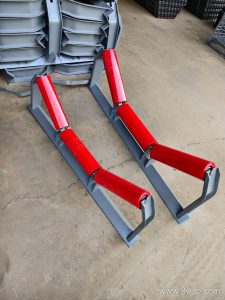
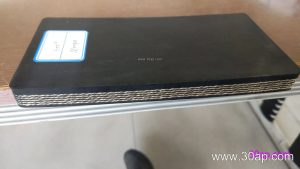
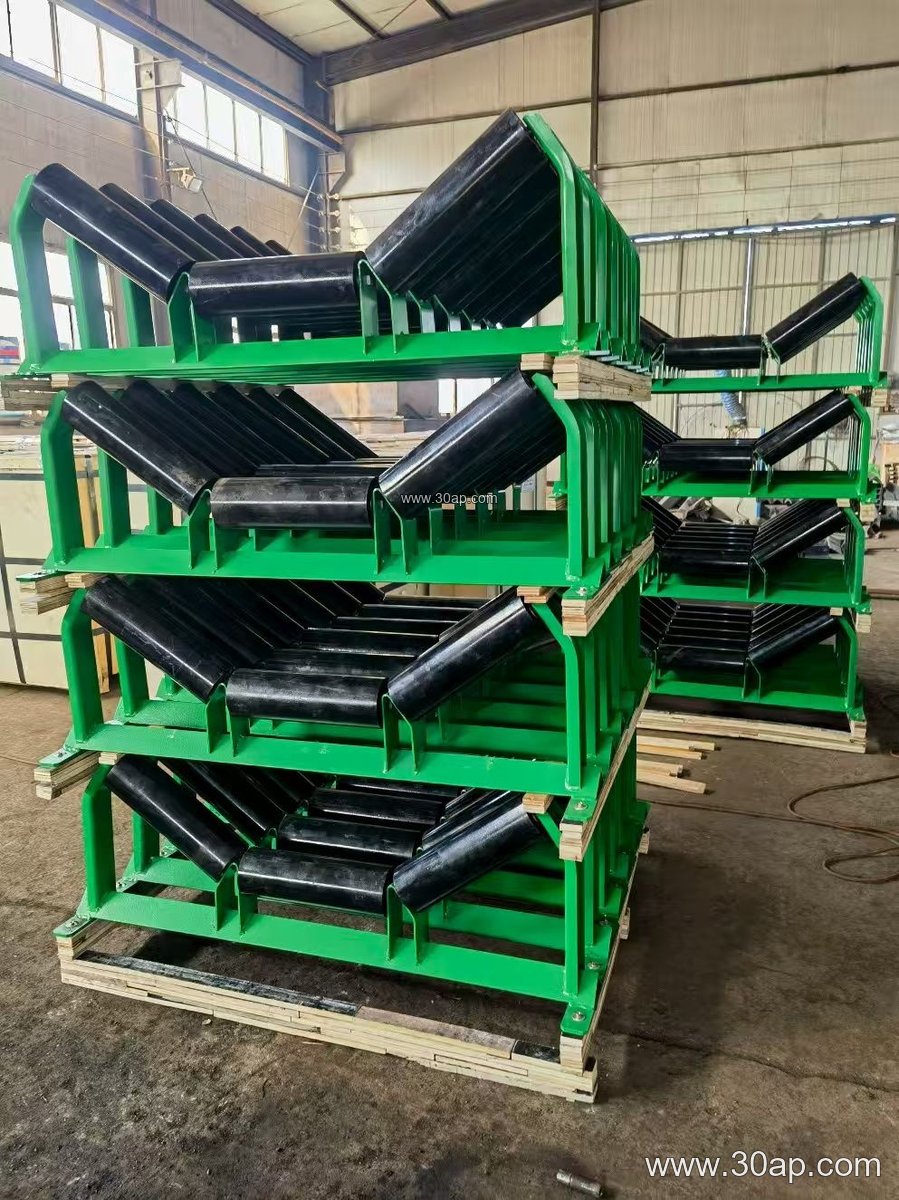
The conveyor belt, idler roller set, and pulley form a single mechanical loop. A steel cord conveyor belt demands a larger drive pulley diameter than a thin fabric core belt because cord fatigue depends on the bend radius. A multi-ply fabric core conveyor belt or EP conveyor belt can often run on a smaller drum at the same tension. A chevron conveyor belt or corrugated sidewall belt needs clearance at the pulley face, so the drum width and guard design must account for the raised profiles.
Bearing housings, conveyor brackets, and take-up frames should be checked together. A drive pulley with insufficient lagging may slip under wet coal, while an oversized tail pulley can waste space in a low seam. Heat resistant conveyor belt grades used near transfer points do not change the pulley specification, but temperature at the bearing seal area still matters.
Buyer Checklist
- Confirm position: drive, tail, or bend, since each has a different duty
- State belt width, belt type, and maximum operating tension
- Specify lagging pattern and thickness for the expected material
- Provide shaft diameter, bearing type, and mounting bracket dimensions
- Ask for dynamic balance and runout data on high-speed drums
- Check that face width and guard clearance suit the belt profile
For coal mine service, a clear drawing with shaft size, lagging, and bearing fit prevents costly downtime. The coal mine belt conveyor pulley is a small part of the total conveyor cost but a decisive one for belt life and tramp-material tolerance.