What a Guide Idler Does on a Conveying Line
A conveyor belt guide idler is a specialized roller assembly that keeps the belt centered as it travels along the structure. Unlike a standard carrying idler that mainly supports the load, this component applies gentle side force to correct misalignment before it becomes a problem. In quarry conveyors, coal mining lines, and cement plant feed systems, a well-placed guide idler reduces edge damage and spillage. It works together with the conveyor belt, idler roller, and conveyor bracket to maintain steady tracking, especially where belts are long or loads shift.
Construction and Common Configurations
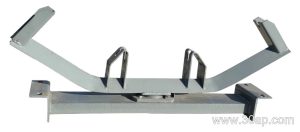
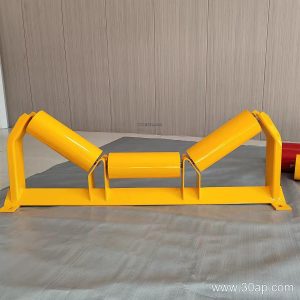
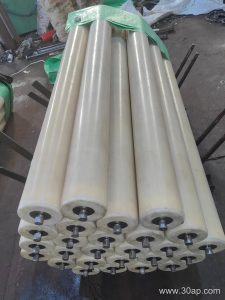
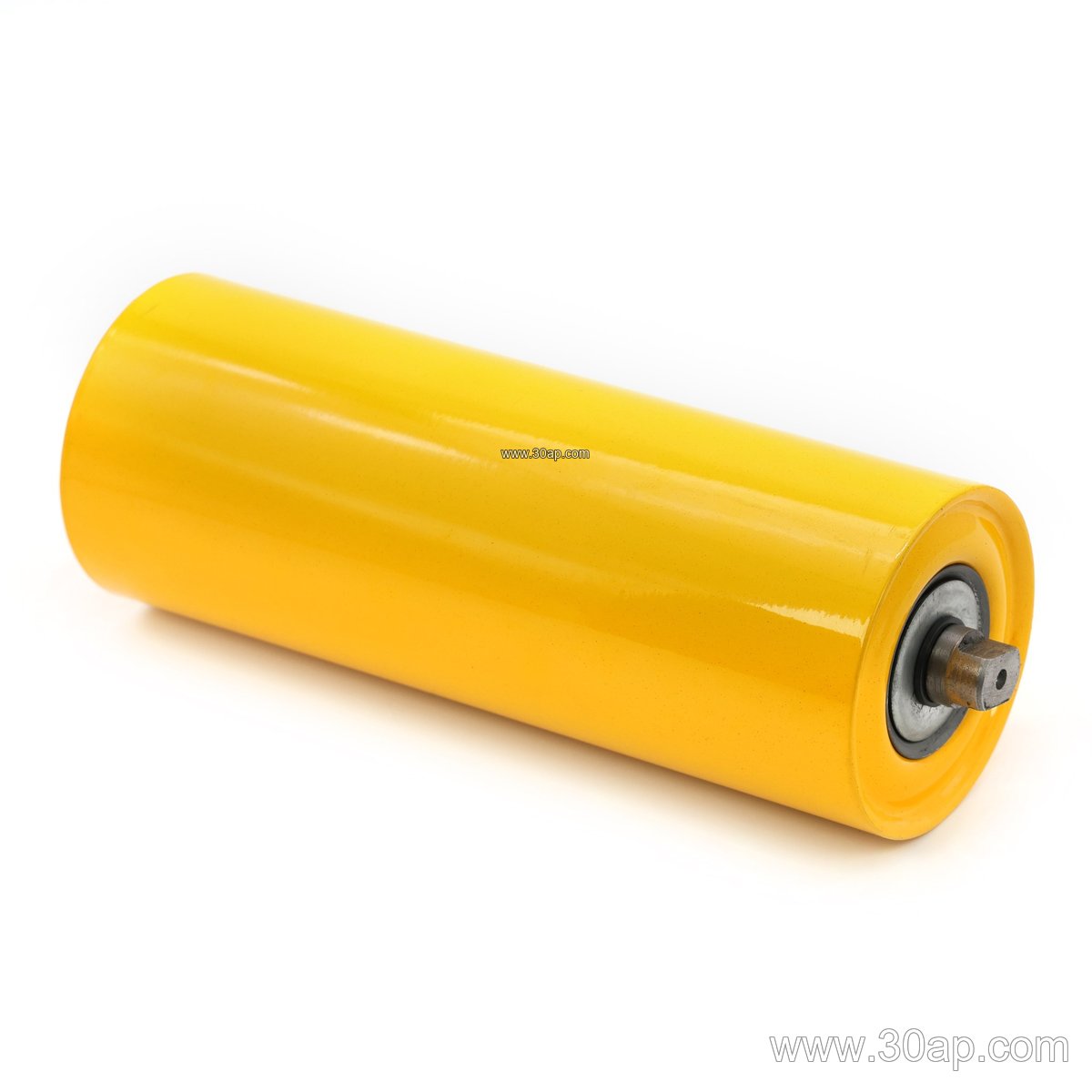
Most guide idlers use a steel tube body with sealed bearings and a mounting frame that allows slight angular adjustment. The roller surface may be plain steel, nylon, or rubber-covered depending on the environment. A common design is the friction self-aligning idler, which uses the belt’s own movement to pivot the roller set and steer the belt back to center. Another variant is the tapered self-aligning idler, where conical rollers create a restoring force when the belt drifts. These are not replacements for a bend pulley or tail pulley; they are tracking accessories mounted along the carrying or return side.
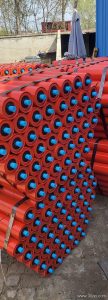
Typical roller diameters for guide idlers follow the same range as other idlers, such as Ø89, Ø108, Ø127, Ø133, and Ø159. Bearing sizes like 6204, 6205, 6305, and 6308 are common, but the bearing is selected to match the load and shaft, not just the roller diameter. Roller length varies with belt width and trough angle. For a three-roll trough set, common roller lengths might be around 200 mm for B500, 315 mm for B800, and 465 mm for B1200, though side rollers and center rollers can differ. These are reference examples, not fixed pairings.
Where Guide Idlers Matter Most
In a limestone quarry, a conveyor belt guide idler is often placed just after the loading point, where material impact can push the belt off track. In a coal handling plant, the same component helps counter drift caused by uneven loading on a heavy-duty mining conveyor belt. On a cement plant clinker line, a self-aligning guide idler may be used on the return side to protect the belt from rubbing against the frame. For long overland conveyors carrying bulk material, several guide idlers are spaced at intervals to correct gradual wander before it reaches the head or tail pulley.
It is worth noting that guide idlers are not a substitute for proper belt training at the conveyor pulley. A misaligned drive pulley or a worn conveyor bracket can cause persistent tracking issues that no idler can fully fix. The guide idler is a corrective tool, not a cure for structural misalignment.
Selection and Maintenance Pointers
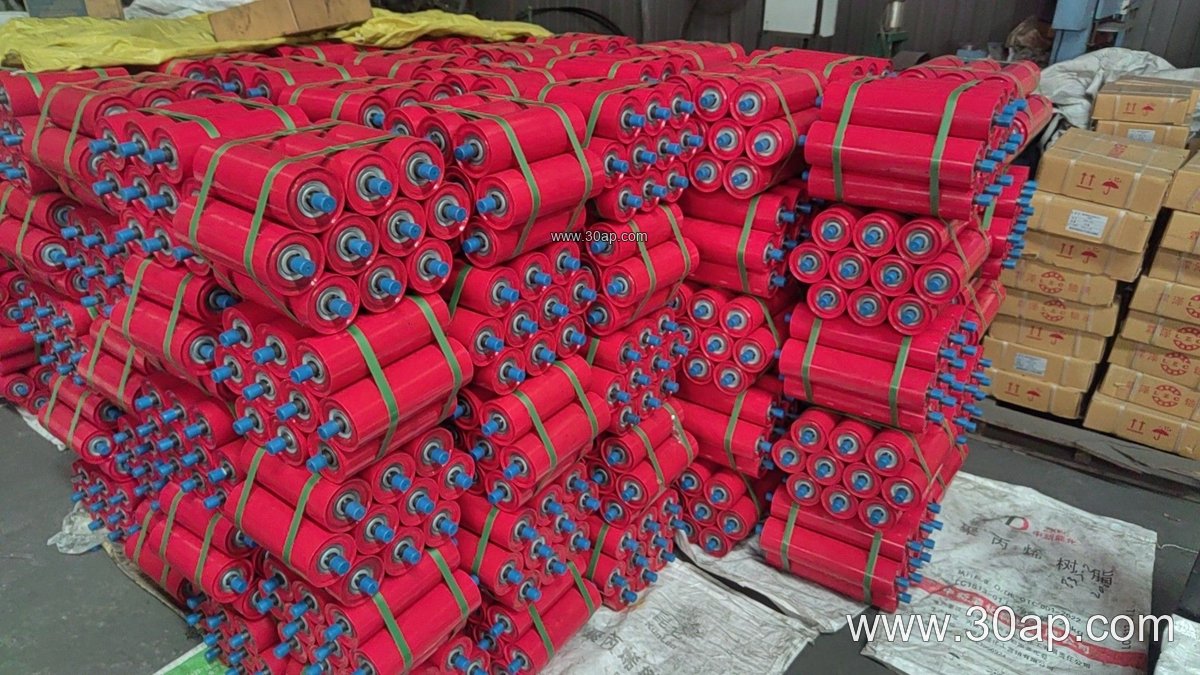
When choosing a conveyor belt guide idler, consider belt width, load weight, and the severity of misalignment. A light-duty aggregate conveyor belt may use a simple friction self-aligning idler with a Ø89 roller, while a heavy iron ore conveyor belt might need a larger Ø133 or Ø159 roller with reinforced bearings. The trough angle of the associated carrying idlers, often 20 to 35 degrees, affects how the belt sits and how much side force is needed. A guide idler should be mounted on a sturdy conveyor bracket that allows fine adjustment.
Maintenance is straightforward but important. Check that the roller turns freely and that the self-aligning mechanism pivots without binding. Worn bearings or seized rollers can actually cause tracking problems rather than solve them. In dusty environments such as a sand making plant or a coal yard, sealed bearings and occasional cleaning extend service life. Keep a spare guide idler on hand for critical lines, and verify that replacement rollers match the original diameter and bearing size.
For more information on conveyor components, visit our site at www.example.com/conveyor-belt-guide-idler. Whether you operate a power plant coal conveyor, a port ship loading line, or a recycling facility, the right guide idler helps keep the belt running true and reduces unplanned downtime.