Introduction to Heavy-Duty Wide Span Material Transport
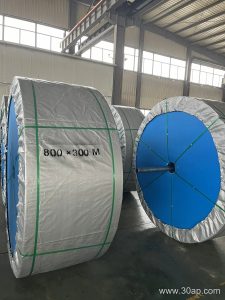
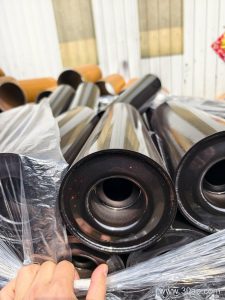
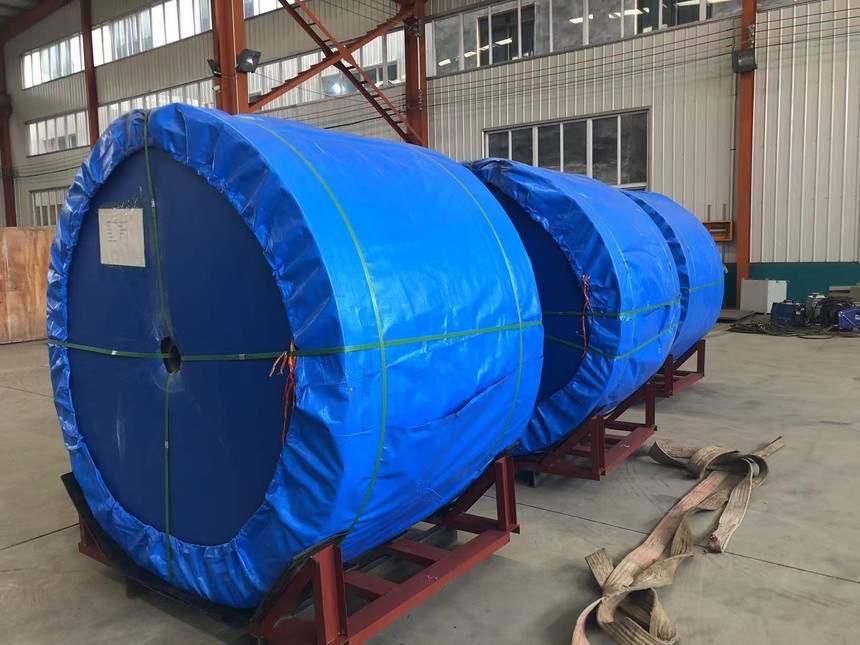
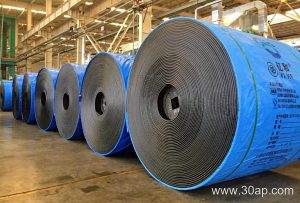
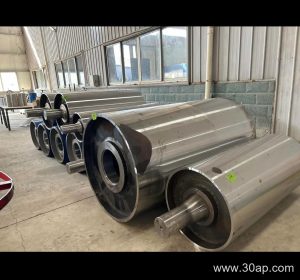
In massive industrial operations such as large coal mining sites, major aggregate processing installations, and high-output cement manufacturing facilities, moving millions of tons of raw material efficiently requires robust machinery. The 1600mm Conveyor Belt serves as a primary backbone for continuous bulk transfer, designed specifically to handle oversized throughput without bottlenecking upstream crushing or downstream stockpiling systems. To maintain stable tracking and reliable tensioning across such a wide load-bearing profile, engineers integrate this heavy-duty 输送带 with precision-machined drive 滚筒 and heavy-gauge 支架 assemblies throughout the installation.
Structural Composition and Core Configurations
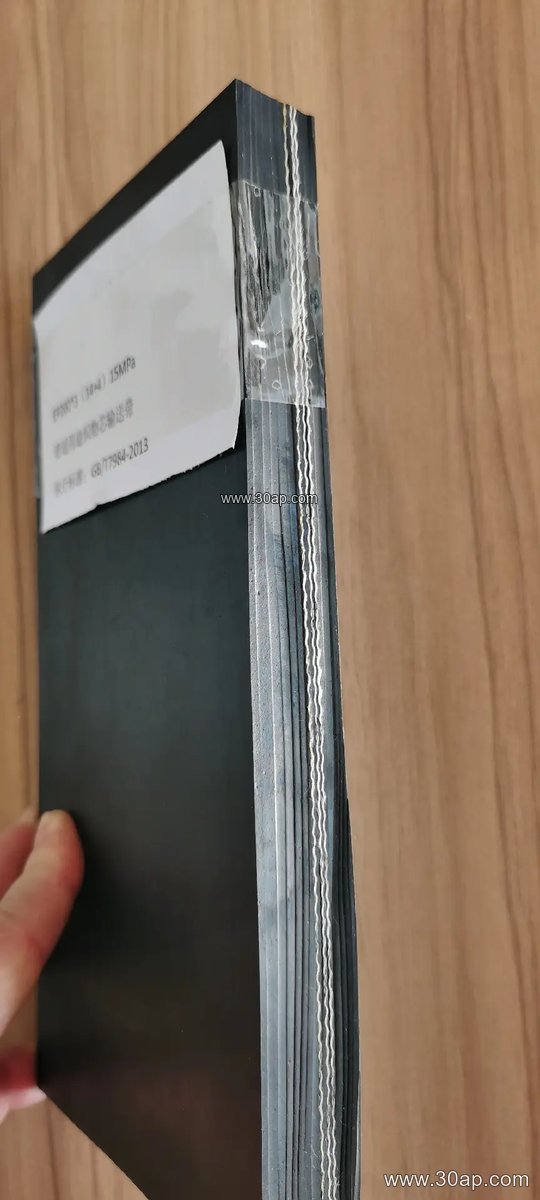
The internal architecture of a wide industrial web is engineered to withstand immense tensile stress and continuous impact loading. Depending on operational demands, operators select specific carcass constructions ranging from multi-ply fabric designs to high-tensile steel cord configurations. Top and bottom rubber covers protect the internal skeleton from moisture, jagged stones, and chemical exposure.
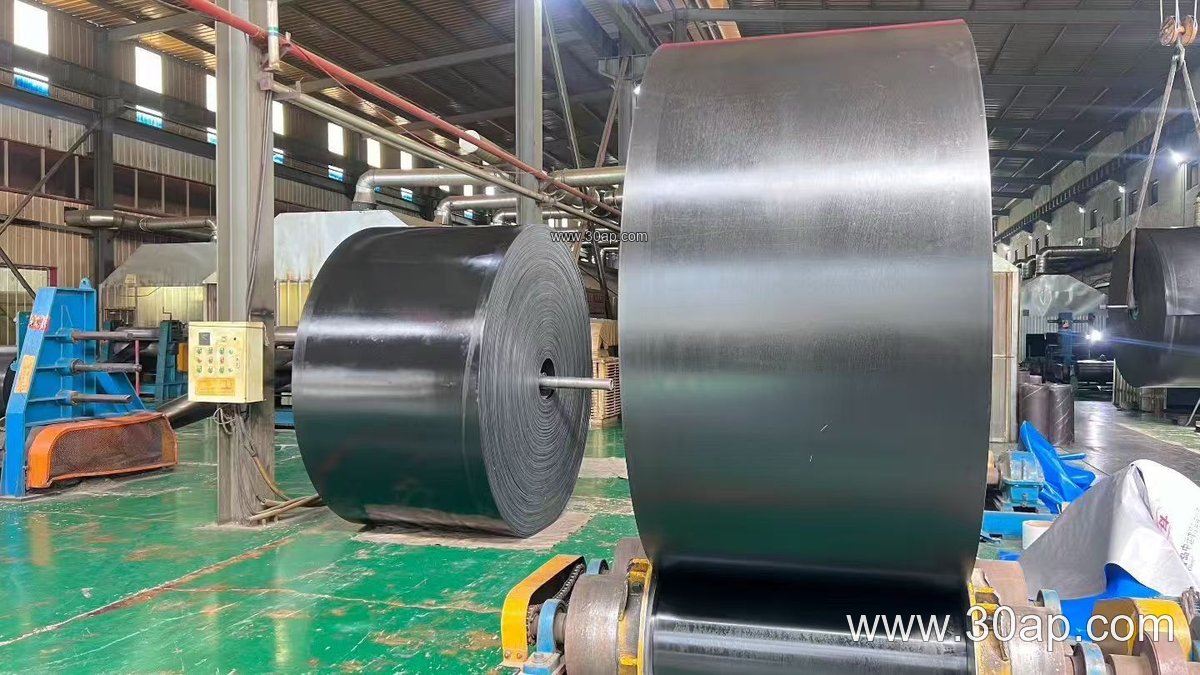
Below is a reference overview of typical structural parameters frequently encountered in heavy material handling specifications:
| Parameter Category | Common Specification Range | Typical Application Context |
|---|---|---|
| Nominal Belt Width | 1600 mm | High-volume mining and mineral processing |
| Carcass Options | EP Fabric, NN Nylon, Steel Cord | Determined by tensile strength and elongation limits |
| Fabric Plies | 2 to 6 Layers | Standard multi-ply reinforcement for impact absorption |
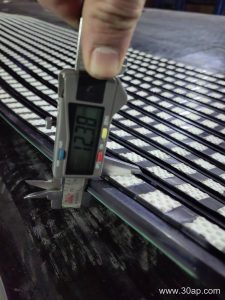
| Cover Thickness (Top + Bottom) | 4+2 mm, 6+2 mm, 8+3 mm | Selected based on material abrasiveness and lump size |
| Tensile Strength Ratings | EP200 to EP1000 / ST1000 to ST3150 | Matched to conveyor run length and inclination angle |
Operational Integration in Harsh Industrial Environments
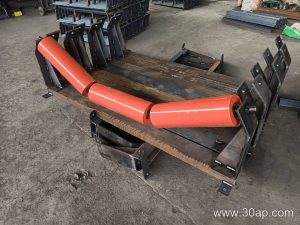
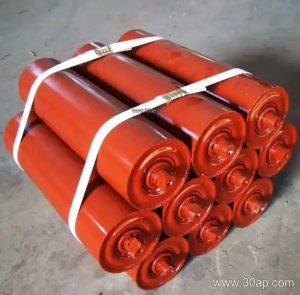
Maintaining a seamless material flow in power plants, steel mills, and large-scale quarries demands exceptional wear life from every component. When abrasive iron ore, sharp granite rock, or heavy coal impacts the surface, a resilient cover compound prevents premature gouging and carcass fatigue. As the cargo moves along the line, each troughed 托辊 supports the dynamic load, minimizing sag and reducing friction against the structural framework. Proper alignment of the return and carrying idlers ensures that edge wear is kept to an absolute minimum during long operational shifts.
Selection and Maintenance Best Practices
Choosing the correct specification for a demanding bulk transfer line involves evaluating peak hourly tonnage, material lump dimensions, and environmental temperatures. While standard formulations handle general duties, specialized variations such as heat-resistant or flame-retardant compounds are frequently deployed in underground coal mining and clinker handling. Routine inspection protocols should monitor cover thickness, splice integrity, and the rotational freedom of every nearby 滚筒 to prevent unexpected downtime and maximize the service life of the main transport medium.