What the Ø89 Rubber Disc Idler Does
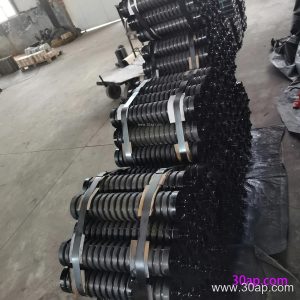
The Ø89 Rubber Disc Idler is a cushioning idler roller built with a steel tube body and a series of flexible rubber discs pressed onto the shell. With a nominal roll diameter of 89 mm, it sits in the impact area of a conveyor, usually under the loading point, where the belt receives falling material. The rubber discs absorb shock that would otherwise pass into the roller bearings, the frame, and the belt carcass. Instead of a rigid steel surface, the belt lands on a slightly yielding ring surface that spreads the load and reduces point pressure.
Operators often call this item a rubber disc impact idler or rubber ring buffer roller. Both names describe the same product. It is not a drive pulley, nor a tail or bend pulley; those are conveyor pulleys that transmit motion or change belt direction, and they are never interchangeable with an idler.
Construction Details
The body is normally a welded steel tube with pressed end caps and a through shaft. Rubber discs, typically 89 mm in outside diameter at the ring, are stacked along the shell with defined gaps so the belt can deflect between them without touching bare metal. Seals and bearing housings are fitted at each end. Common bearing sizes for this class of roller include 6204, 6205, and 6305, though the final choice depends on load and shaft design rather than diameter alone.
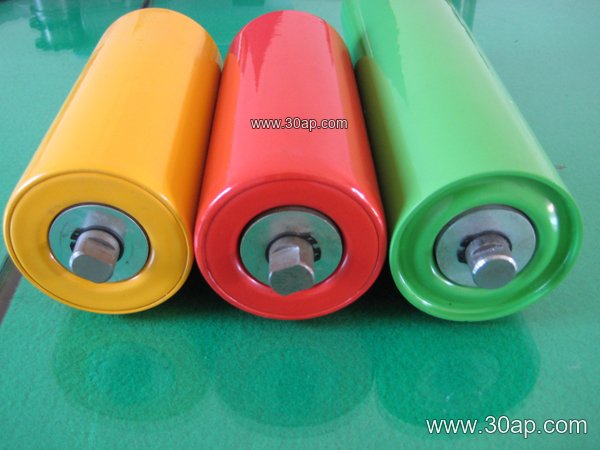
- Shell: steel tube, machined for concentricity
- Discs: abrasion resistant rubber rings, evenly spaced
- Bearing housing: sealed, grease retained
- Shaft: through type, sized by the conveyor bracket and frame
- Surface form: rubber disc, sometimes combined with a plain steel end section
Where It Fits on the Conveyor
This roller is most useful at transfer points in a quarry, a limestone mine, or a crushing and screening line, where lumps of rock drop from a chute onto the belt. It can also appear in a cement plant clinker line or a power plant coal handling system, wherever fines and lumps arrive with impact energy. In such places, a standard troughing idler may wear quickly or dent the belt cover, while the rubber disc version softens the landing.
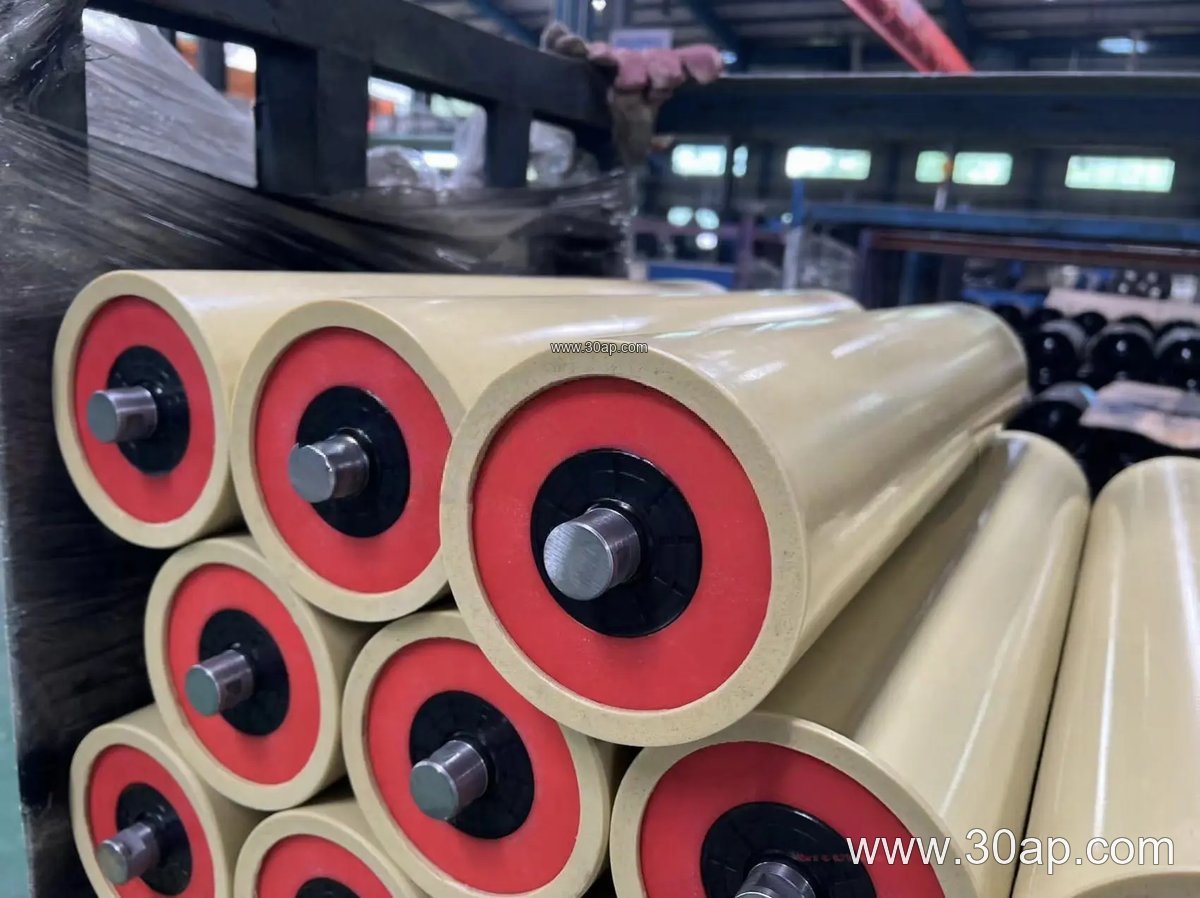
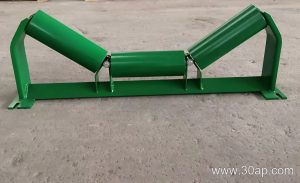
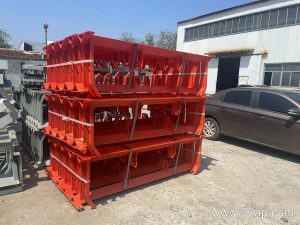
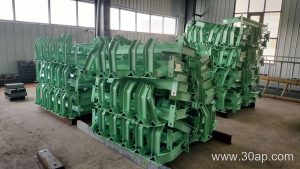
It is generally installed as part of a buffer set, often in a two-roller or three-roller arrangement, and it works alongside the conveyor bracket and frame. It does not replace a return roller or a training idler; those positions serve different functions. On a long overland line carrying an EP Conveyor Belt or a Steel Cord Conveyor Belt, the impact zone is short but critical, and a small number of these rollers can protect a large investment in belting.
Common Sizes and Matching
Roll length changes with belt width, trough angle, and the idler set form. The values below are typical reference figures, not fixed rules, and the side rollers of a three-roll set may differ from the centre roller.
| Belt width | Typical roller length (three-roll trough) | Common trough angle |
|---|---|---|
| B500 | about 200 mm | 20 to 35 degrees |
| B650 | about 250 mm | 20 to 35 degrees |
| B800 | about 315 mm | 30 to 35 degrees |
| B1000 | about 380 mm | 30 to 35 degrees |
| B1200 | about 465 mm | 30 to 35 degrees |
| B1400 | about 530 mm | 30 to 35 degrees |
| B1600 | about 600 mm | 30 to 35 degrees |
An 89 mm roll diameter is often paired with medium belt widths, but no single belt width is tied to one diameter. The shaft diameter should be confirmed from the frame and bearing housing, never assumed from belt width. Other roller diameters such as Ø76, Ø102, Ø108, and Ø127 belong to different duty levels and are mentioned here only for comparison.
Buyer Checklist
- Confirm the impact energy and lump size at the loading point.
- Check disc hardness and spacing against the material being handled.
- Verify bearing size, seal type, and grease access.
- Match roller length and shaft ends to the existing conveyor bracket.
- Consider the belt type, since a Heat Resistant Conveyor Belt or an Abrasion Resistant Conveyor Belt may need different disc compounds.
For a coal mining conveyor or an underground mining conveyor, flame retardant and anti-static properties may be requested for the rubber parts; these should be confirmed with the supplier rather than assumed. In a sand and gravel plant, dust and water are constant, so seal quality matters as much as disc thickness.
Installation and Maintenance Notes
Mount the roller square to the belt and check that all discs rotate freely. After the first weeks of service, inspect for loose discs, grease leakage, and belt tracking changes. Replace worn rings before the steel shell becomes exposed, because bare metal against a moving belt can damage the cover quickly. Keep spare units on hand for the impact zone, since downtime at the loading point stops the whole line.
Related equipment such as the conveyor pulley, the conveyor bracket, and the belt itself should be reviewed together when upgrading an impact section. A well chosen Ø89 rubber disc idler protects the belt, reduces noise, and extends the service life of the conveyor frame in demanding bulk material handling work.