What Goes Into a Conveyor Belt Specification for Mineral Processing?
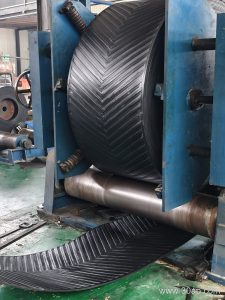
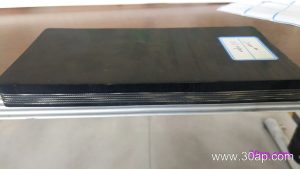
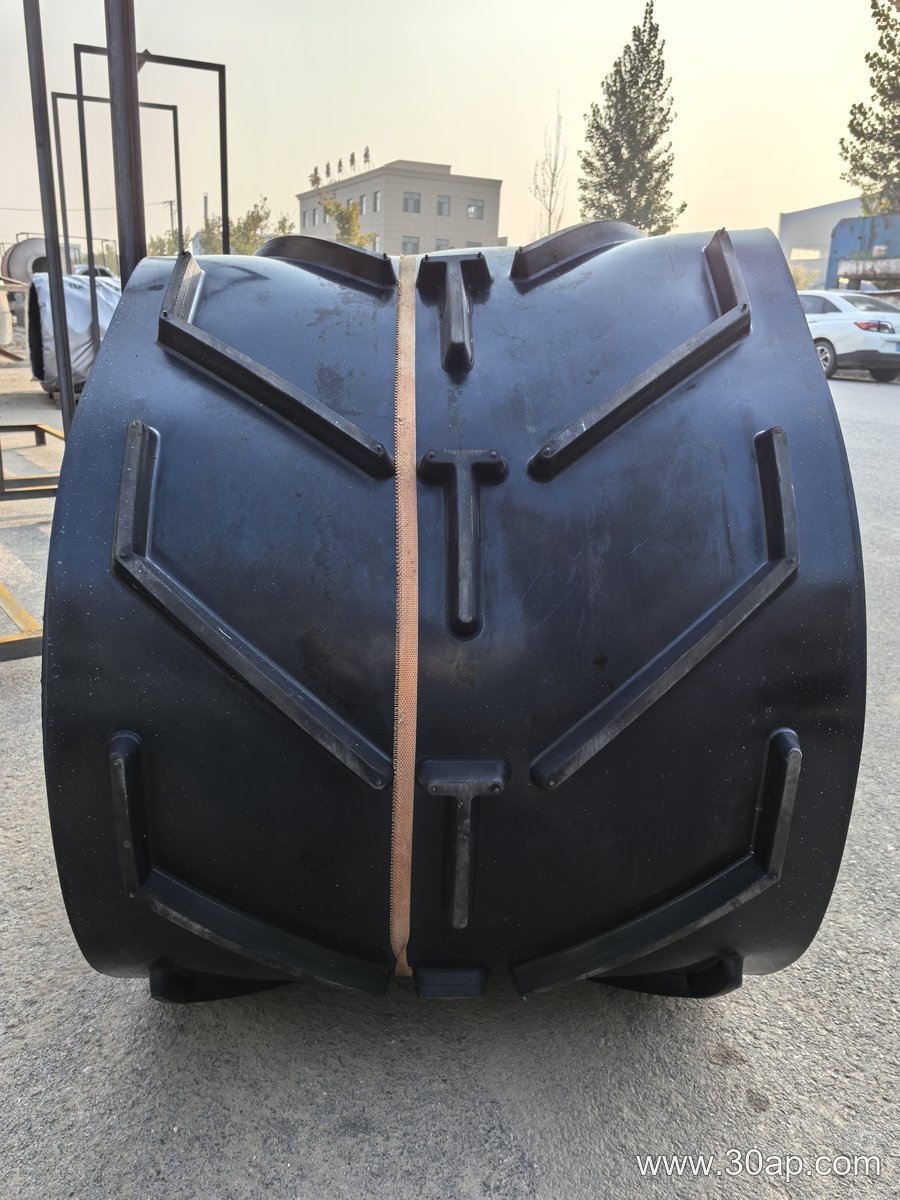
Start with the duty: ore type, lump size, throughput, and ambient conditions. A conveyor belt for a mineral-processing plant must resist impact, abrasion, and sometimes oil or heat. Write a data sheet that states belt width, ply construction, cover grade, and tensile strength. Do not leave these to the supplier.
Supplier Evaluation Checks
- Ask for test reports on cover abrasion and ply adhesion.
- Confirm the conveyor belt’s edge construction and splice method.
- Check factory references for similar mineral duties.
Evaluate samples against your specification, not a generic catalogue. A clear specification and a supplier who answers technical questions directly reduce risk when sourcing from China.
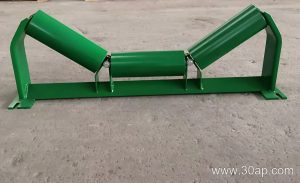
Selecting an idler roller when the belt is narrower than the frame
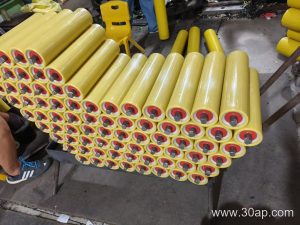
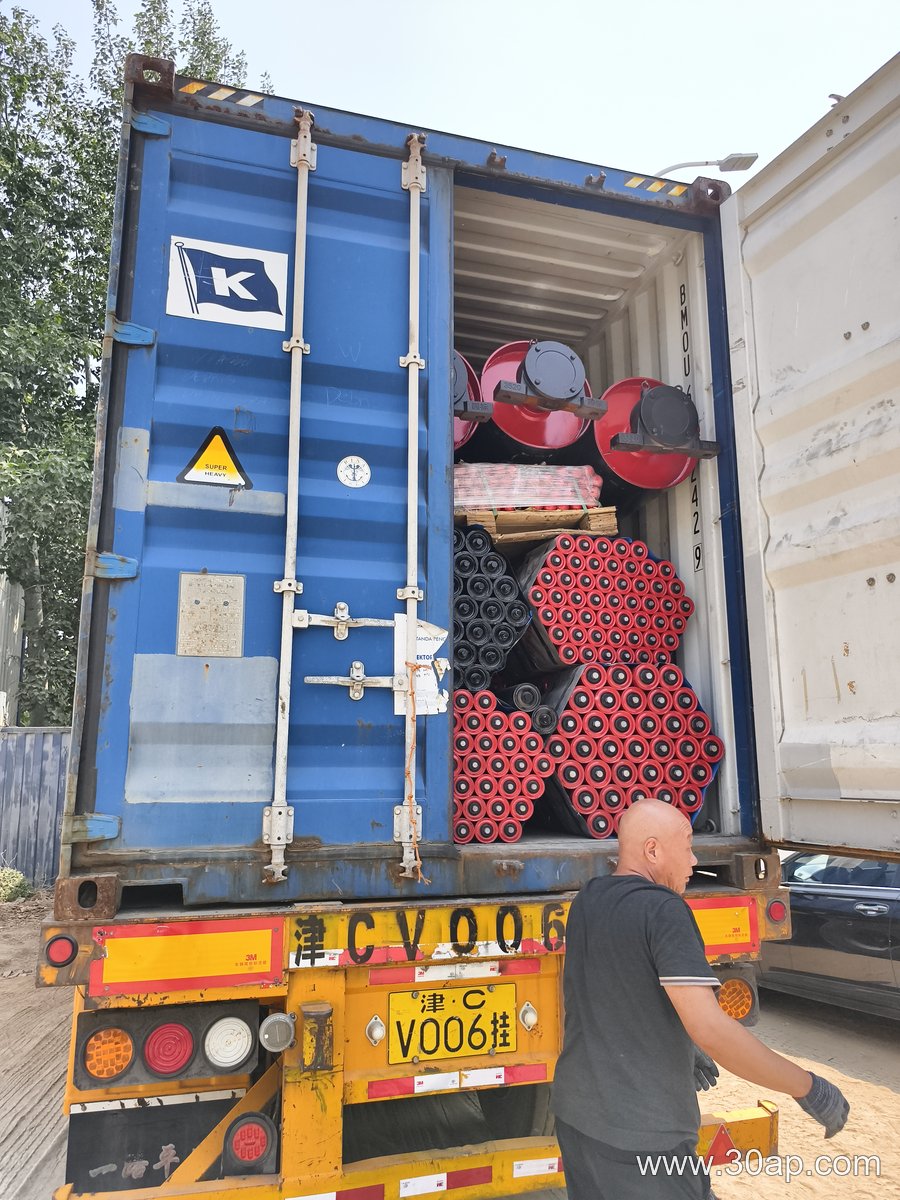
In a hypothetical wet outdoor conveyor, suppose the structure is built for a 500 mm belt but only a 400 mm belt is available. The idler roller must then be selected so the belt still tracks and the roller does not become the weak point.
Checks that matter
- Face length: the roller should support the actual 400 mm belt, not the empty 500 mm frame.
- Sealing: a waterproof idler roller with a labyrinth or contact seal keeps rain and grit out.
- Drainage: open ends or sloped frames prevent water pooling around the bearing housing.
Mark the project values as hypothetical and confirm bearing load and shaft fit before ordering.
What Makes One Conveyor Pulley Cost More Than Another
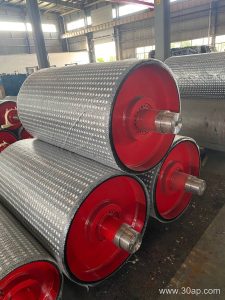
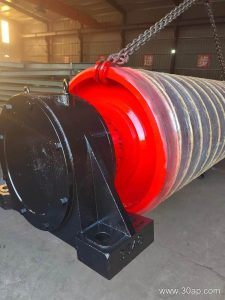
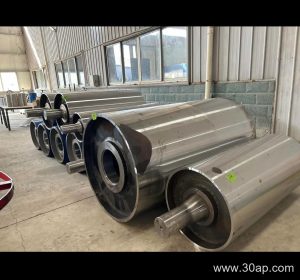
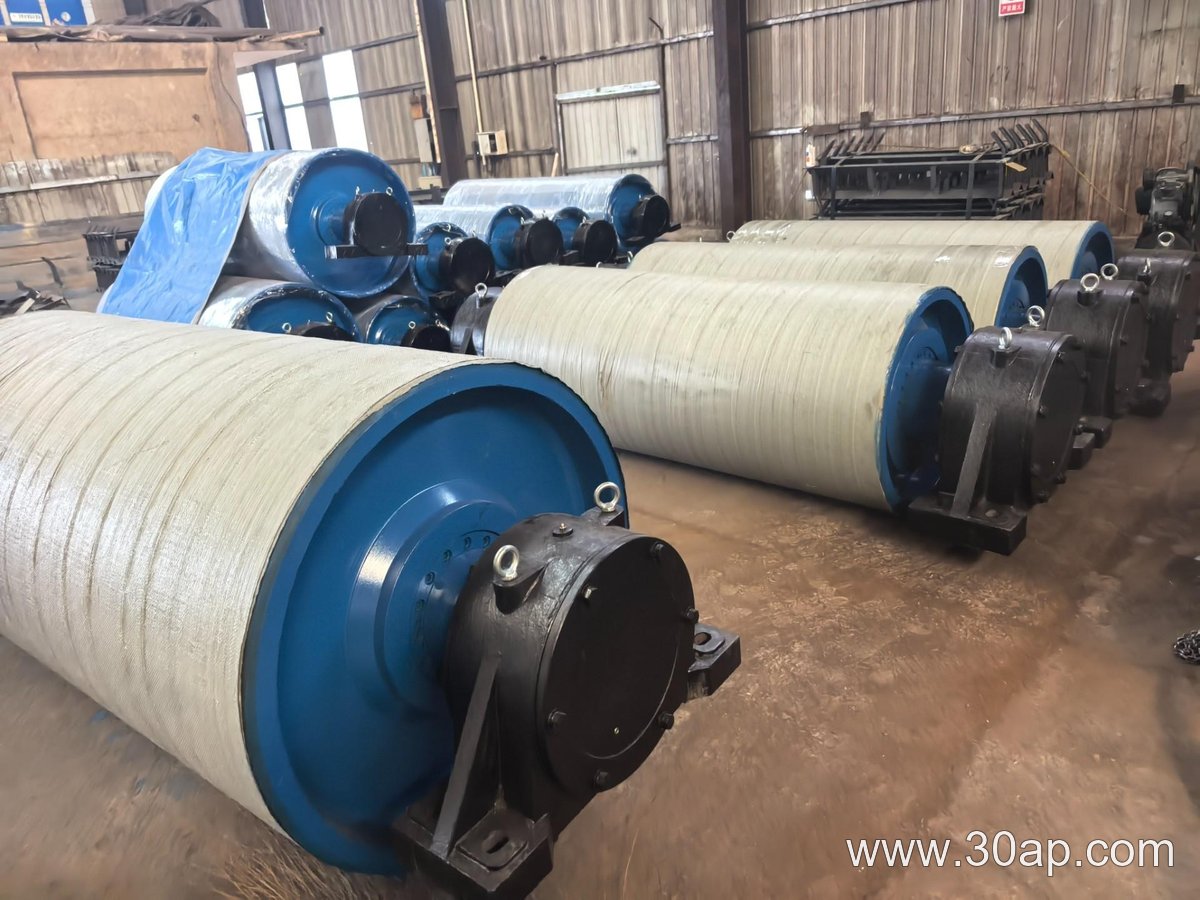
On a general manufacturing line, a conveyor pulley rarely fails dramatically; it simply wears, loses grip, or arrives late. Cost is shaped before the quote, by four factors.
- Materials: shell, shaft and lagging grade
- Dimensions: diameter, face width and shaft size
- Manufacturing: welding, machining and balancing
- Freight: mass, volume and destination
Why Dimensions and Freight Travel Together
A larger diameter or wider face adds material and machining time, and it also raises shipping volume. That combination often matters more than the steel price alone.
Where Manufacturing Effort Hides
Runout, weld quality and dynamic balance determine whether the conveyor pulley runs smoothly. Extra machining and inspection raise cost but reduce belt tracking problems later.
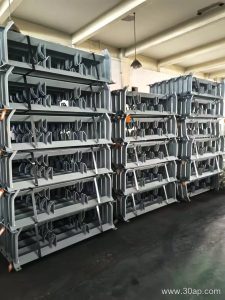
Why Does a Conveyor Bracket in a Cement Kiln Feed Line Need Slotted Holes
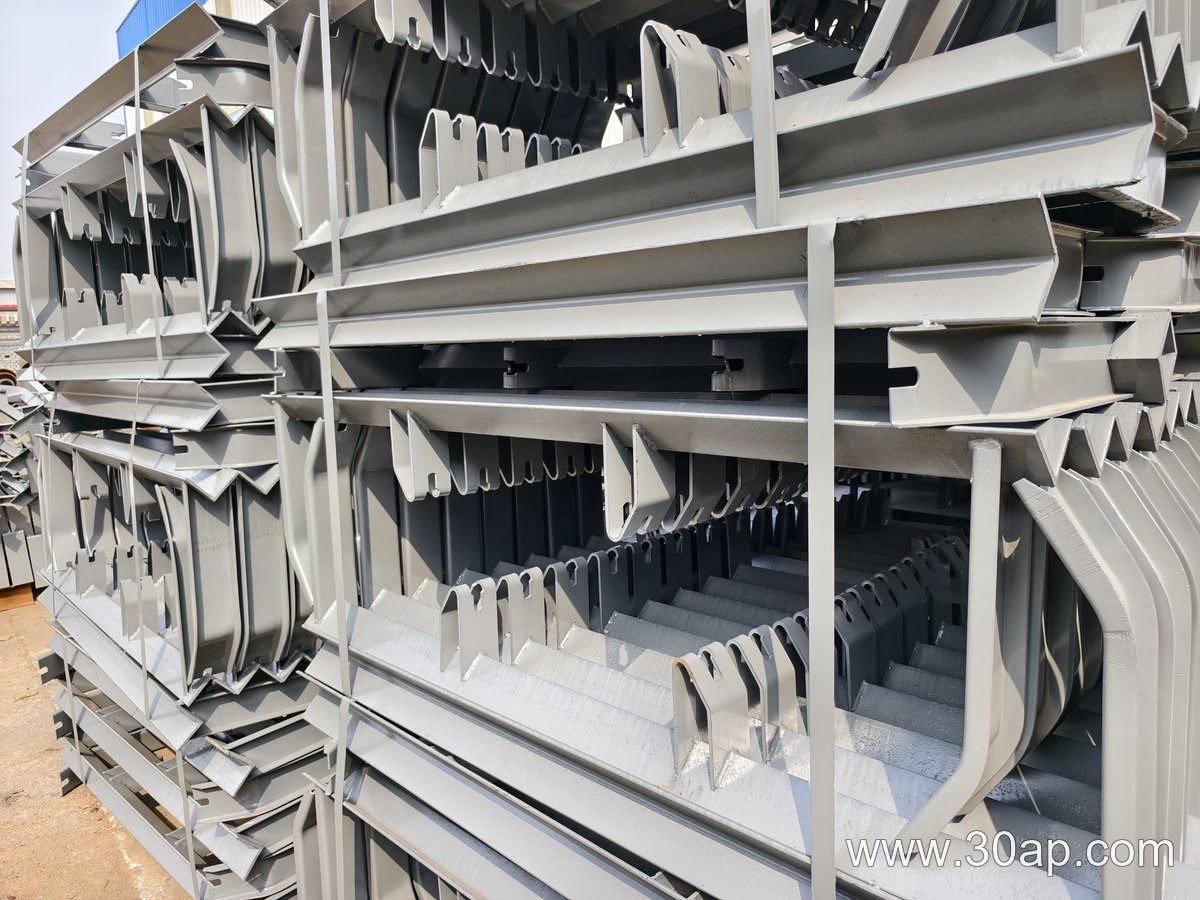
Heat moves a conveyor bracket in a cement kiln feed line. Slotted holes let the bracket slide instead of cracking.
What the slots must do
- Allow axial movement from thermal growth.
- Keep the idler centered across the belt.
- Resist dust packing that locks the slide.
Trade-off: too much slot lets the bracket wander; too little binds the bolt. A hypothetical 3 m bay might need 6 mm of travel, so the slot is sized to that, not to a catalog default.