What Makes an Idler High Capacity
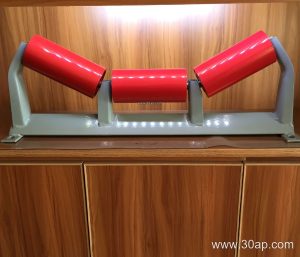
A high-capacity conveyor idler is a roller assembly built to carry a heavily loaded belt at sustained speed without excessive deflection, heat buildup, or bearing fatigue. In a quarry, a coal preparation plant, or a power station coal yard, the difference between a standard roller and a heavy-duty unit usually shows up in wall thickness, bearing class, seal design, and the stiffness of the frame that holds it. The idler itself does not move material; it supports the conveyor belt and keeps the trough profile stable so the load travels smoothly from the loading point to the discharge.
Because the roller is a wear part, capacity is really a system question. A high-capacity conveyor idler works best when the belt, the pulley, the conveyor bracket, and the idler spacing are chosen together. A single roller cannot compensate for a sagging belt or a badly aligned frame, so buyers should treat the idler as one element of the whole conveyor line.
Construction Details That Matter
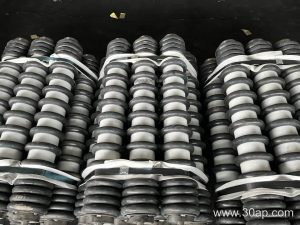
Most heavy-duty rollers use a steel tube shell with machined end faces, a through shaft, and deep-groove ball bearings in sealed housings. Common bearing sizes include 6205, 6305, 6306, 6308, and 6310, and the correct match depends on load and speed rather than on roller diameter alone. Seals are often labyrinth type or a combination of labyrinth and contact lip, which helps keep fine dust out in crushing and screening circuits.
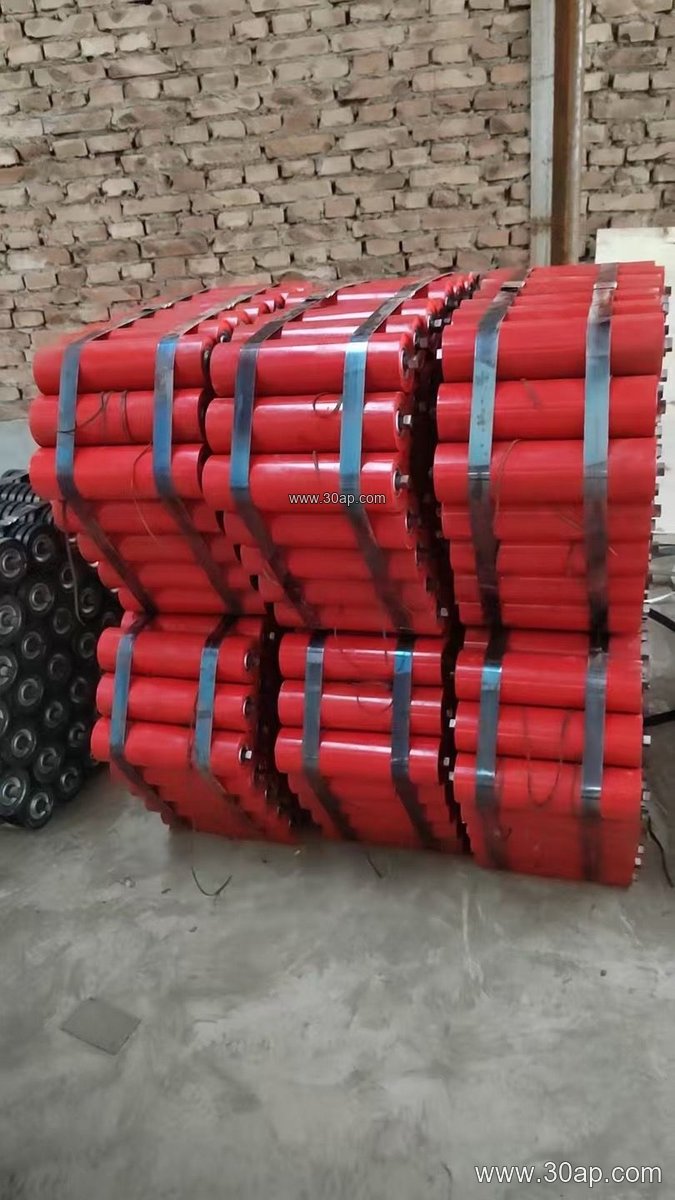
Shell options change the wear picture. A plain steel shell suits general bulk material; a nylon or ceramic surface can reduce stickiness in wet conditions; rubber rings are used on impact idlers at transfer points. The table below lists typical reference values, not fixed supply commitments.
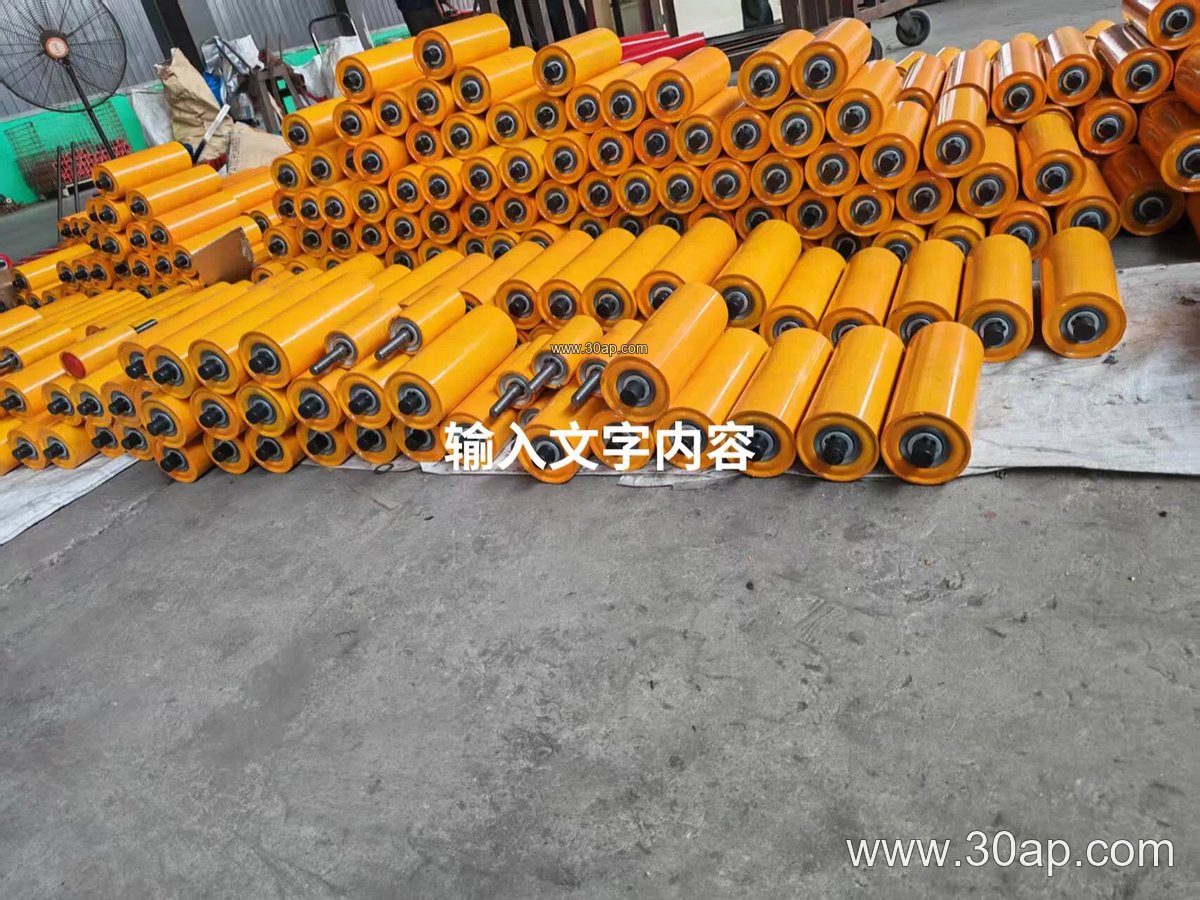
| Item | Common reference values |
|---|---|
| Roller diameter | Ø89, Ø102, Ø108, Ø127, Ø133, Ø159, Ø178, Ø194, Ø219 |
| Belt width | B500, B650, B800, B1000, B1200, B1400, B1600, B1800, B2000 |
| Trough angle | 20°, 30°, 35°, 45° |
| Idler set form | single roll, two-roll, three-roll troughing |
| Roller length, three-roll example | about 250 mm at B650, 315 mm at B800, 380 mm at B1000, 465 mm at B1200, 530 mm at B1400, 600 mm at B1600 |
These figures are typical starting points for design discussion. Side rollers and center rollers can differ, and the final length follows belt width, trough angle, and frame geometry.
Where High-Capacity Idlers Earn Their Keep
Two settings where load and dust are both severe are iron ore handling and cement plant raw material conveying. In an iron ore terminal or a copper ore transfer house, a high-capacity conveyor idler must survive abrasive fines and occasional spillage. In a cement plant, the same roller may face limestone dust and heat from clinker nearby, so seal choice and grease retention matter as much as shell thickness.
Other common locations include coal mining conveyors, aggregate lines, and port ship loading systems. Where the belt carries a heavy-duty mining conveyor belt such as an EP conveyor belt or a steel cord conveyor belt, idler spacing is usually tightened near the loading zone and relaxed on the long straight run. A quarry conveyor belt running at high tonnage will also benefit from transition idlers that ease the belt from flat to troughed without pinching the edges.
Matching Idlers to the Rest of the Line
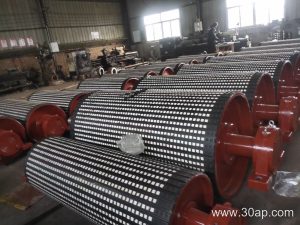
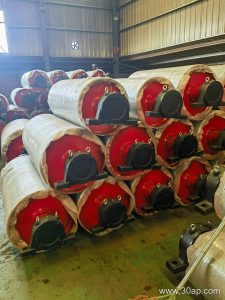
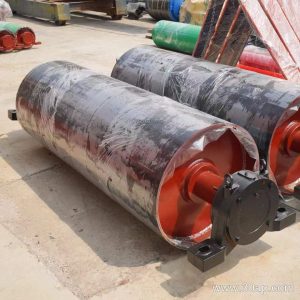
Capacity is not only about the roller. The drive pulley, tail pulley, and bend pulley each have a distinct job, and none of them substitutes for a carrying idler. A high-capacity conveyor idler should be selected after the belt tension, load per meter, and speed are known. Trough angle affects how much material the belt can hold: a 35° or 45° trough carries more cross-section than a 20° flat-ish profile, but it also increases edge stress on stiff belts.
Return-side support deserves equal attention. A V-type return idler or a flat return roller keeps the empty belt from sagging and reduces spillage. On long overland lines, training idlers with a slight forward tilt of about 1.5° to 2° help keep the belt centered. For dusty coal mining conveyor belts, flame retardant and anti-static properties of the belt are separate from the idler choice, but both affect safety planning.
Buyer Checklist
- Confirm belt width and trough angle before fixing roller length.
- State the load per meter and belt speed so bearing class can be matched.
- Ask about seal type for dusty or wet service.
- Check that the conveyor bracket and frame match the idler shaft and mounting.
- Plan a spare roller stock for the loading zone, where impact wear is highest.
For more on related components, see the belt and roller pages at yonghangconveyor.com, including idler roller and conveyor pulley guidance. A well-matched high-capacity conveyor idler costs less over its life than a cheap roller replaced too often.