What a 500mm Diameter Conveyor Pulley Is
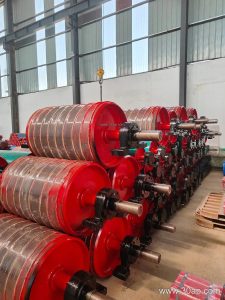
A 500mm diameter conveyor pulley is a key rotating component in belt conveyor systems, commonly used at the tail, tension, or bend positions to guide and support the conveyor belt. Its 500mm outside diameter provides a balance between wrap angle and space efficiency, making it suitable for medium-duty bulk handling lines in industries such as quarrying, cement plants, and power generation. While drive pulleys transmit power, this 500mm pulley often serves as a tail or bend pulley, helping maintain belt alignment and tension. For operations needing a robust, mid-sized pulley, the 500mm diameter conveyor pulley is a practical choice.
Construction and Design Features
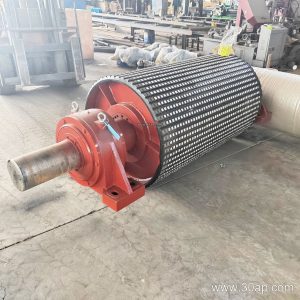
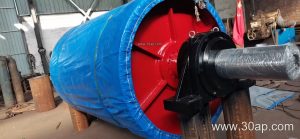
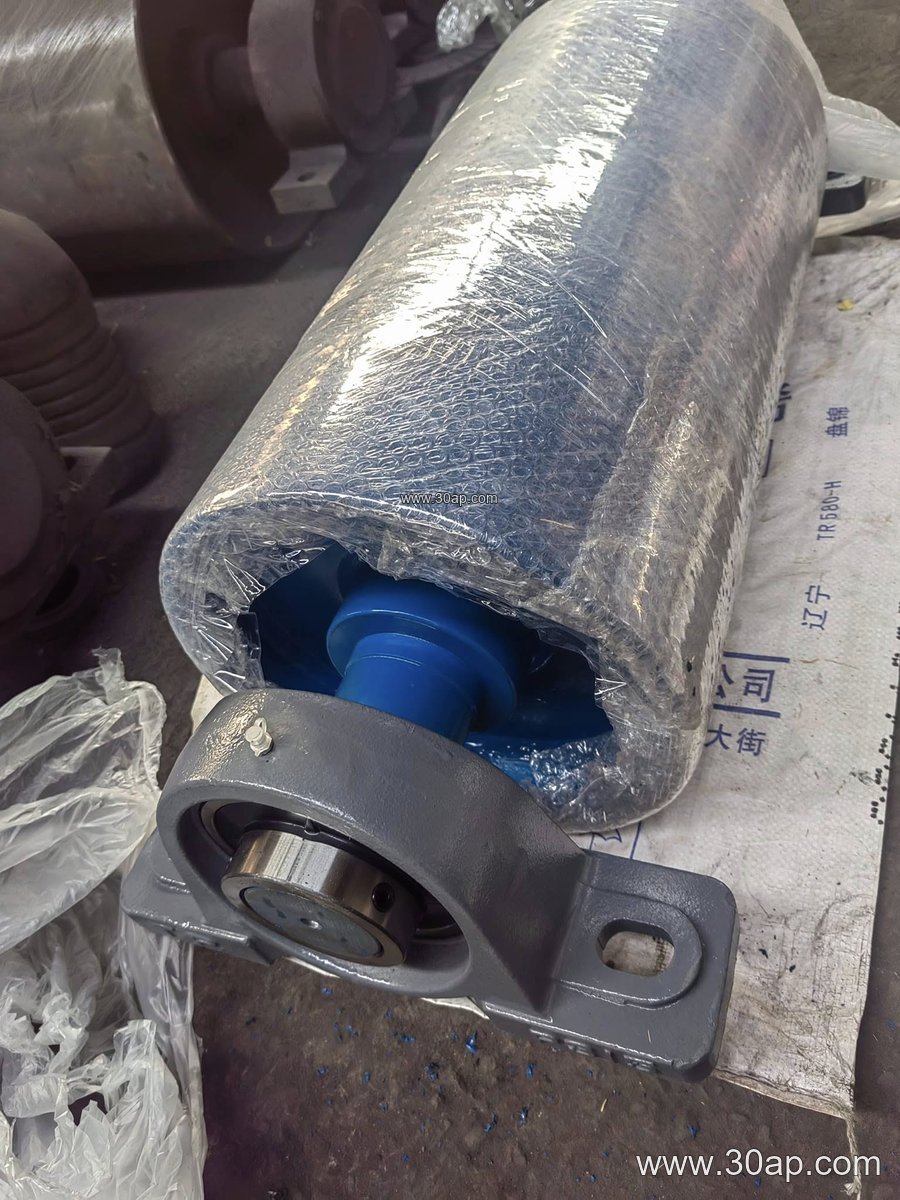
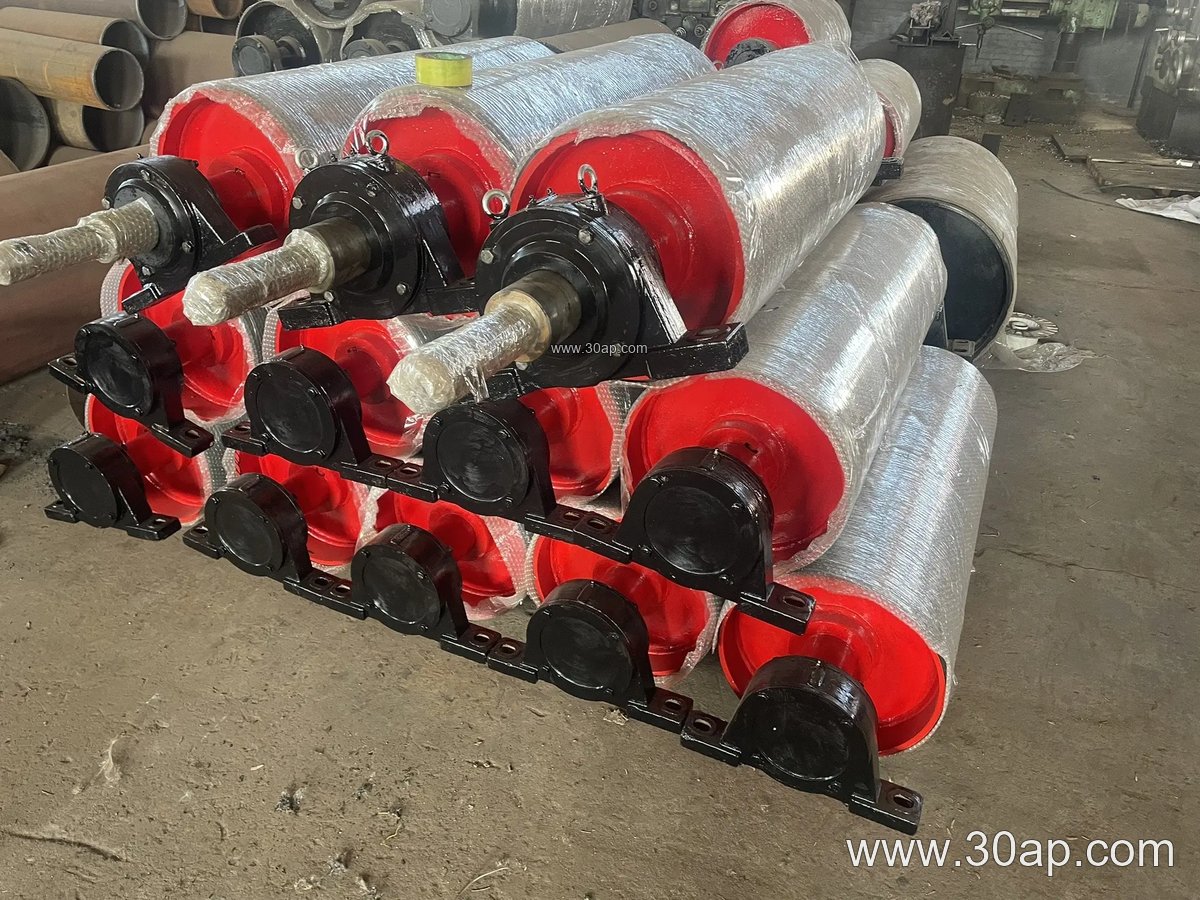
These pulleys are typically built with a welded steel drum, a shaft sized to the required torque, and bearing housings mounted on the ends. The drum surface may be plain or covered with rubber lagging to improve grip or protect the belt. Common lagging options include flat rubber, diamond pattern, or ceramic tiles, with thicknesses often ranging from 8 to 15 mm. The pulley face width is usually wider than the belt to ensure full support; for example, a B800 belt may use a pulley face of about 950 mm. Shaft diameters are determined by load and torque calculations, not simply by belt width. A 500mm diameter pulley might have a shaft diameter in the range of Ø100 to Ø160 depending on the application.
Where It Fits in a Conveyor System
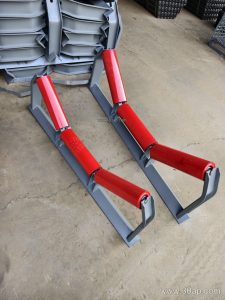
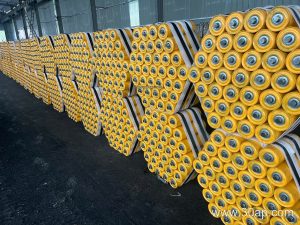
In a typical belt conveyor, the 500mm diameter conveyor pulley is often found at the tail end or as a bend pulley where the belt changes direction. It works in conjunction with the conveyor belt, idler rollers, and conveyor brackets to form a continuous material handling loop. In a limestone quarry, for instance, a 500mm tail pulley helps maintain belt tracking on a 500mm wide conveyor belt carrying crushed stone. In a coal-fired power plant, a 500mm bend pulley may redirect the belt on a coal conveyor, ensuring smooth operation before the material reaches the bunker. The pulley’s size allows it to handle moderate belt tensions without requiring excessive space.
Specifications and Options
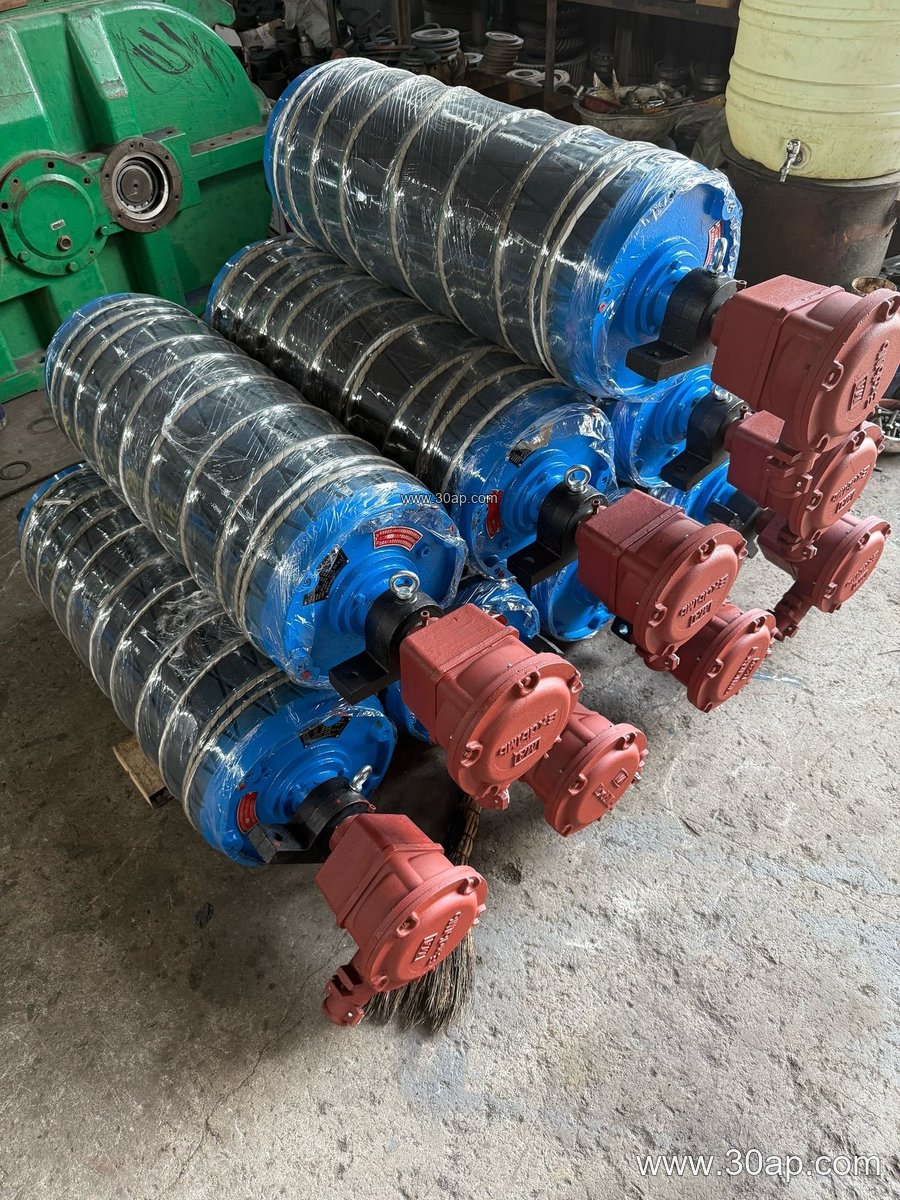
When specifying a 500mm diameter conveyor pulley, several parameters should be considered. The table below lists common reference values; actual dimensions depend on the conveyor design and load requirements.
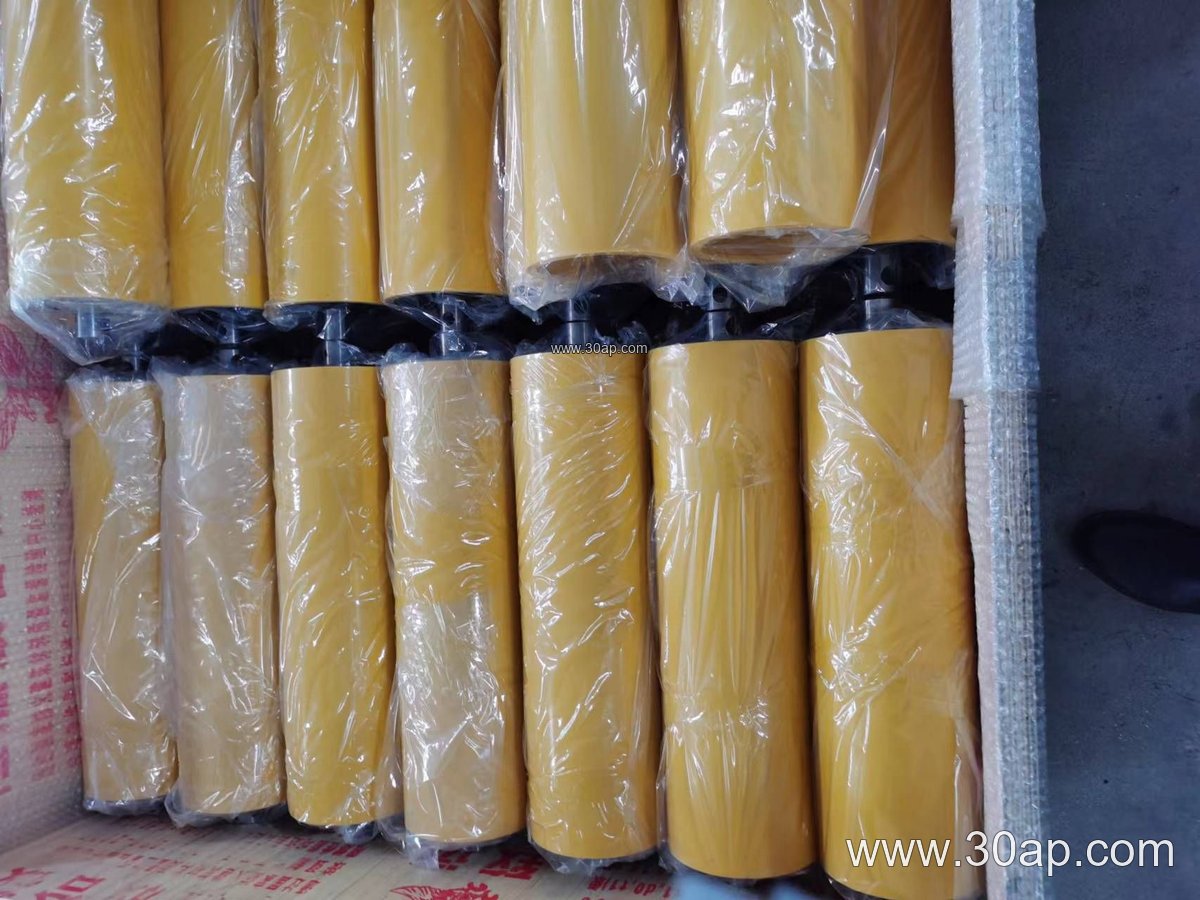
| Parameter | Common Options |
|---|---|
| Diameter | Ø500 mm |
| Belt width (B) | B500, B650, B800, B1000 |
| Pulley face width | About 600 mm for B500; 750 mm for B650; 950 mm for B800; 1150 mm for B1000 |
| Shaft diameter | Ø80, Ø90, Ø100, Ø120, Ø140, Ø160 (selected by torque) |
| Surface | Plain, rubber lagging (flat, diamond, ceramic), 8–15 mm thick |
| Bearing type | Spherical roller bearings or tapered roller bearings |
Note that a 500mm diameter pulley can be paired with various belt widths, as long as the face width and shaft strength are appropriate. For example, a B800 × Ø500 combination is common in aggregate conveyors, while a B1000 × Ø500 may be used in cement plants. The pulley type (tail, bend, or tension) further defines the bearing arrangement and lagging requirement.
Selection and Maintenance Tips
Choosing the right 500mm diameter conveyor pulley involves matching it to the belt width, expected tension, and environmental conditions. In dusty or wet locations, lagging with a diamond pattern can improve traction and self-cleaning. For abrasive materials like iron ore or copper ore, a ceramic lagging may extend service life. Regular inspection of the pulley surface, bearings, and shaft is essential to prevent belt misalignment and premature wear. Lubrication schedules should follow the bearing manufacturer’s recommendations. When replacing a pulley, verify that the shaft diameter and keyway match the existing conveyor brackets and drive components.
For operations in cold climates, consider a cold resistant conveyor belt to complement the pulley’s performance, and ensure the lagging material remains flexible at low temperatures. In coal mining, a flame retardant conveyor belt is often required, and the pulley should be selected with appropriate bearing seals to handle fine dust. Partnering with a reliable supplier of conveyor pulleys and related components, such as those found at rubberbeltconveyor.com, helps ensure compatibility and long-term reliability.
Compatibility with Conveyor Belts and Accessories
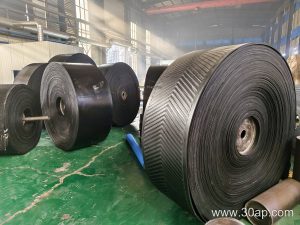
The 500mm diameter conveyor pulley works with a wide range of conveyor belts, including EP conveyor belt, NN conveyor belt, and steel cord conveyor belt, depending on the tension requirements. For heavy-duty applications like underground coal mining, a flame retardant conveyor belt and a robust pulley with ceramic lagging are often used together. In a sand and gravel plant, an abrasion resistant conveyor belt paired with a 500mm bend pulley can handle abrasive aggregates efficiently. The pulley also interacts with idler rollers and conveyor brackets to maintain belt support and alignment. Proper matching of pulley diameter to belt thickness and flexibility ensures smooth operation and minimizes belt stress.
When integrating a 500mm pulley into an existing system, check the belt’s minimum pulley diameter recommendation; most fabric core belts can accommodate a 500mm pulley, but steel cord belts may require larger diameters for optimal fatigue life. Always consult the belt manufacturer’s guidelines for the specific belt type, such as EP1000 or ST1250, to confirm compatibility.