What a 1600mm Conveyor Belt Is
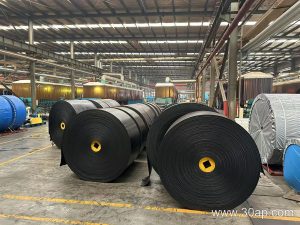
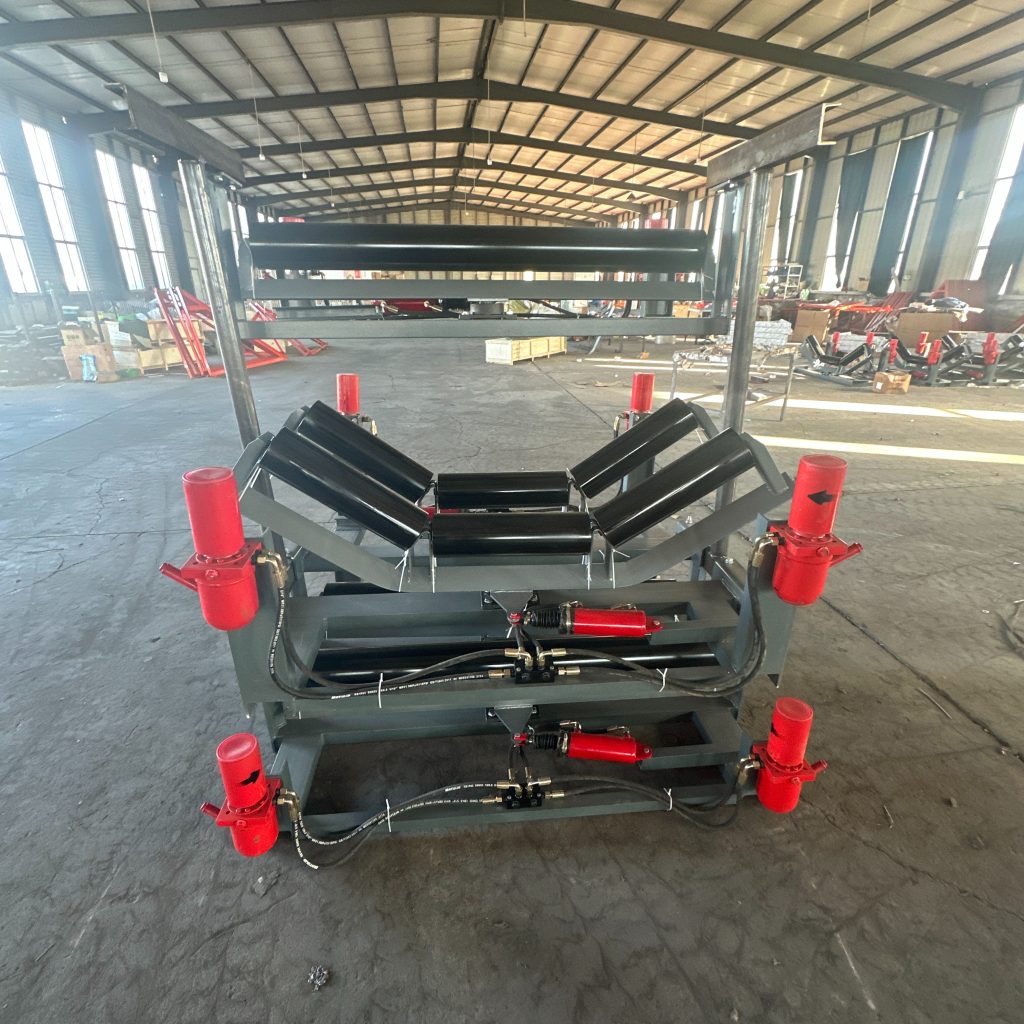
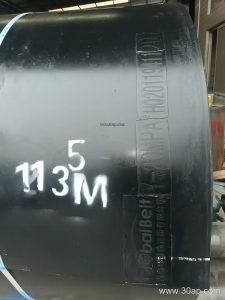
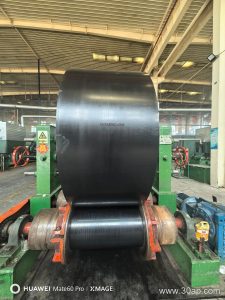
A 1600mm conveyor belt is a wide belt format used on conveyor systems that need to move large volumes of bulk material in a single pass. With a nominal belt width of 1600 mm, it sits in the wide-belt class and is often specified for main haulage lines rather than small transfer points. The belt itself is the load-carrying component; it works together with idler rollers, conveyor pulleys, and conveyor brackets to form a complete conveyor line. Buyers sometimes describe this format simply as a 1600mm wide conveyor belt, and both terms refer to the same belt width.
Width alone does not define the belt. The carcass type, cover grade, and number of plies determine how much tension the belt can carry and what conditions it can tolerate. A 1600mm conveyor belt may be built as an EP conveyor belt, an NN conveyor belt, or a steel cord conveyor belt, depending on the duty.
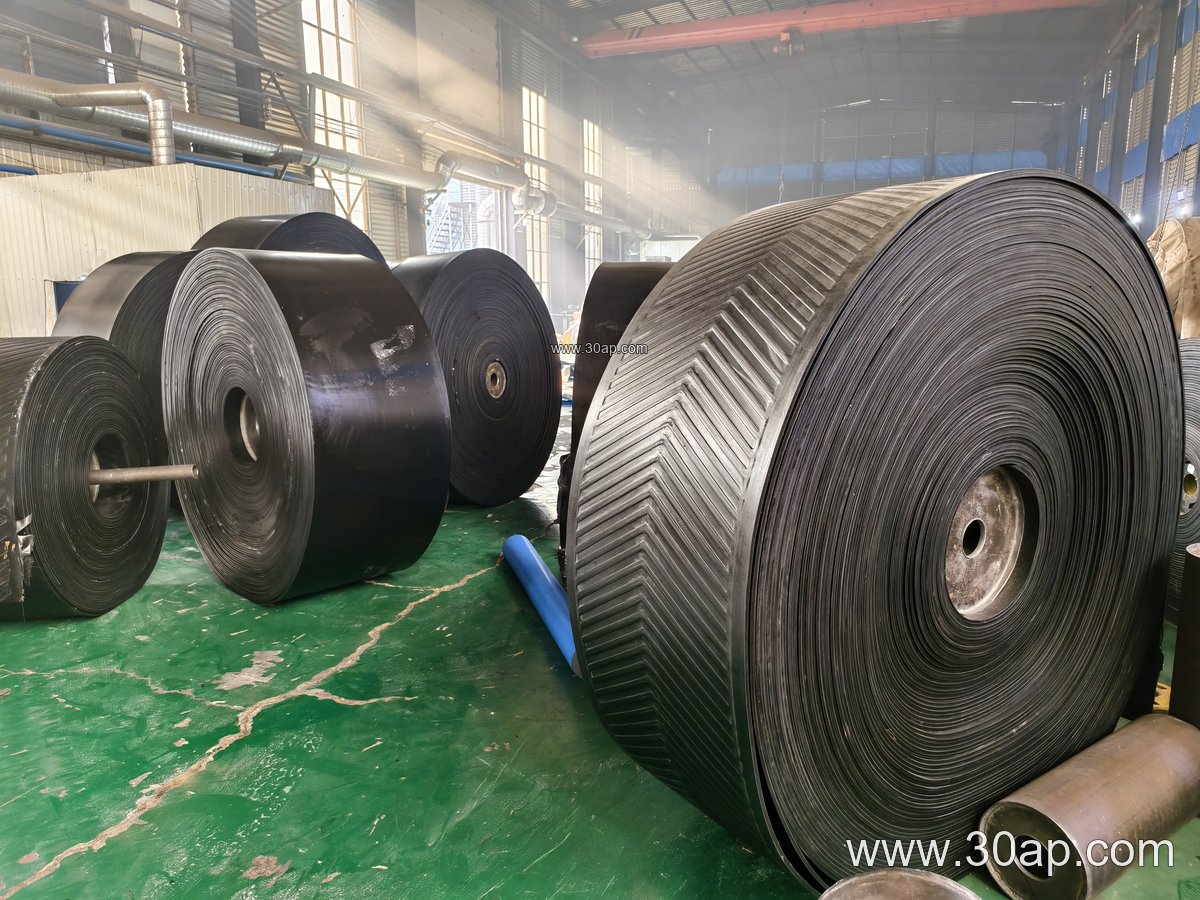
Construction and Common Configurations
Most belts in this width use a fabric core or a steel cord core. Fabric cores are made from polyester or nylon warp and weft, often described as an EP fabric core conveyor belt or an NN conveyor belt. Steel cord designs place parallel steel wires in the carcass for long, heavily loaded lines. Cover rubber is applied to the top and bottom, and the cover thickness is usually written as a pair, for example 6+2 mm or 8+3 mm, where the first number is the carrying side.
The table below shows typical reference values for this width class. These are common ranges, not fixed rules, and actual specifications are confirmed per project and per manufacturer.
- Belt width: 1600 mm nominal
- Carcass options: EP fabric, NN fabric, steel cord
- Fabric plies: commonly 2 to 6 layers, depending on strength grade
- Strength grades (fabric): EP200 to EP2000 range, selected by tension calculation
- Cover thickness: 4+2, 5+2, 6+2, 8+3 mm are typical pairings
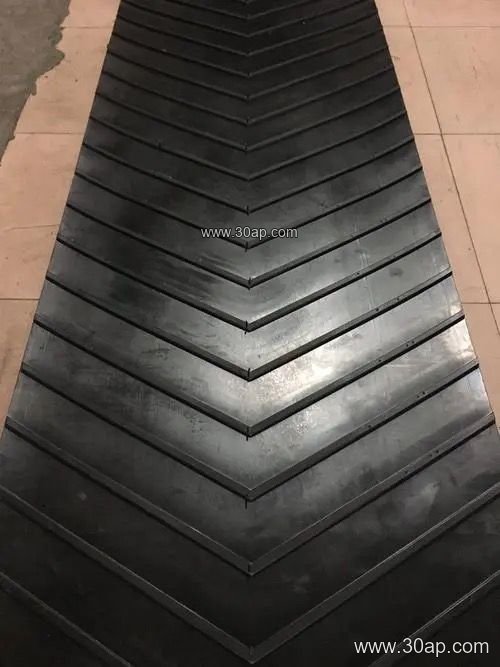
- Surface forms: plain, chevron, skirted, corrugated sidewall
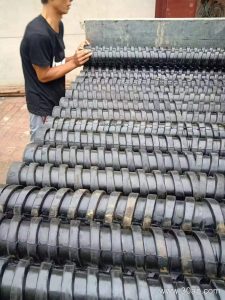
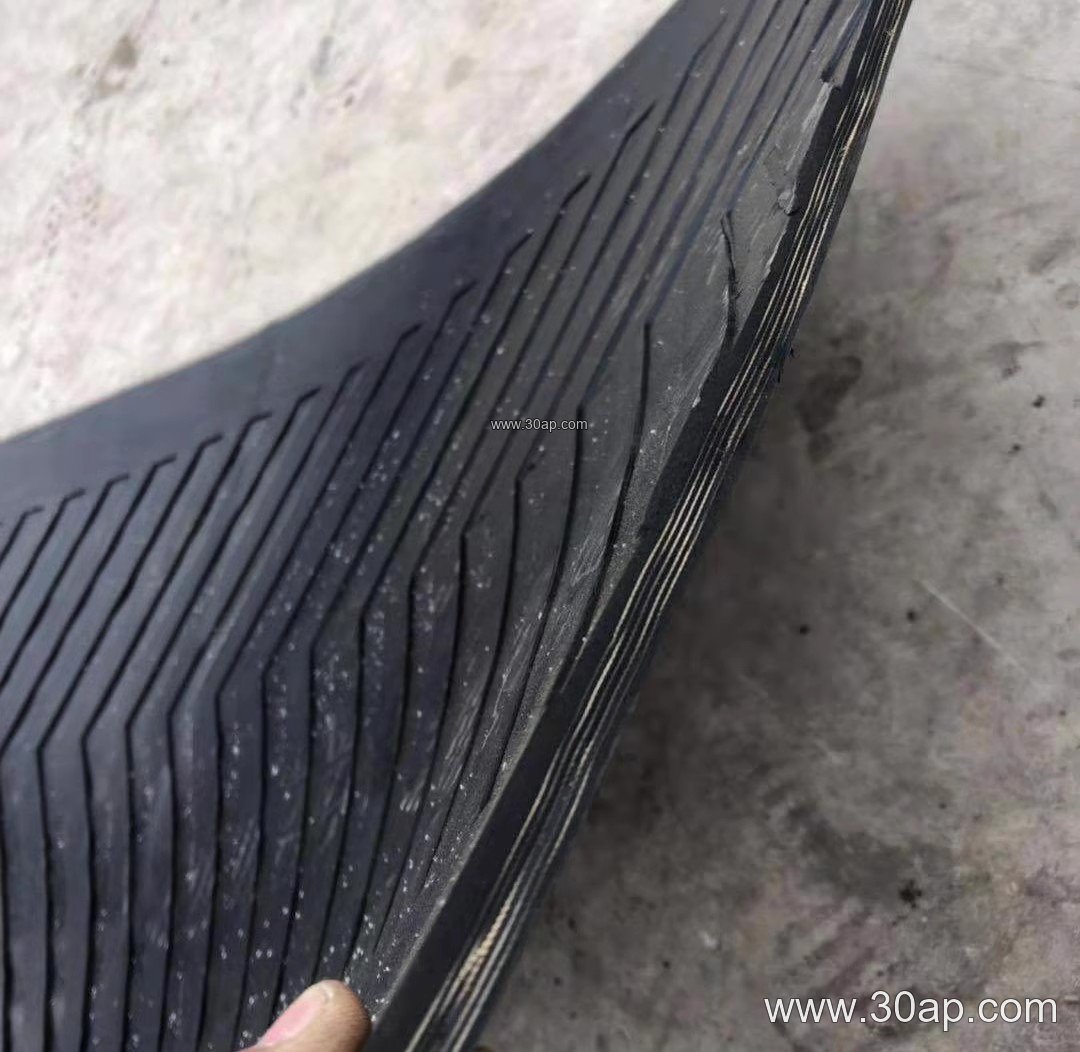
Surface form matters in the field. A chevron conveyor belt adds raised ribs to stop material from sliding back on inclines, while a corrugated sidewall conveyor belt uses raised edges to contain material on steep or space-limited routes. A skirted conveyor belt keeps fines from spilling at transfer points. For dusty or potentially explosive environments such as coal handling, a flame retardant conveyor belt or anti-static conveyor belt grade is often requested.
Where This Width Fits
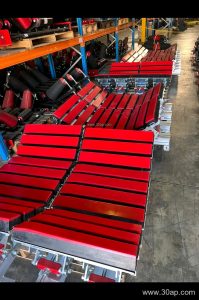
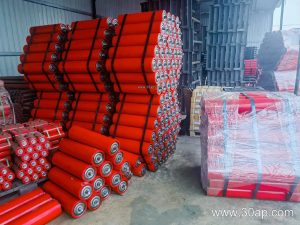
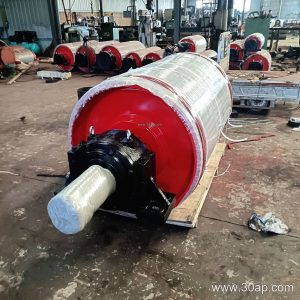
Wide belts are common in mining, coal preparation, cement plants, power plants, quarries, and port loading systems. A 1600mm conveyor belt can carry crushed rock, ore, clinker, aggregate, and similar bulk material at high tonnage. In a mine or a sand and gravel plant, the belt may run over multiple idler rollers and pass over drive, tail, and bend pulleys, each with its own role. The drive pulley transmits power, the tail pulley returns the belt, and bend pulleys guide the path; they are not interchangeable parts.
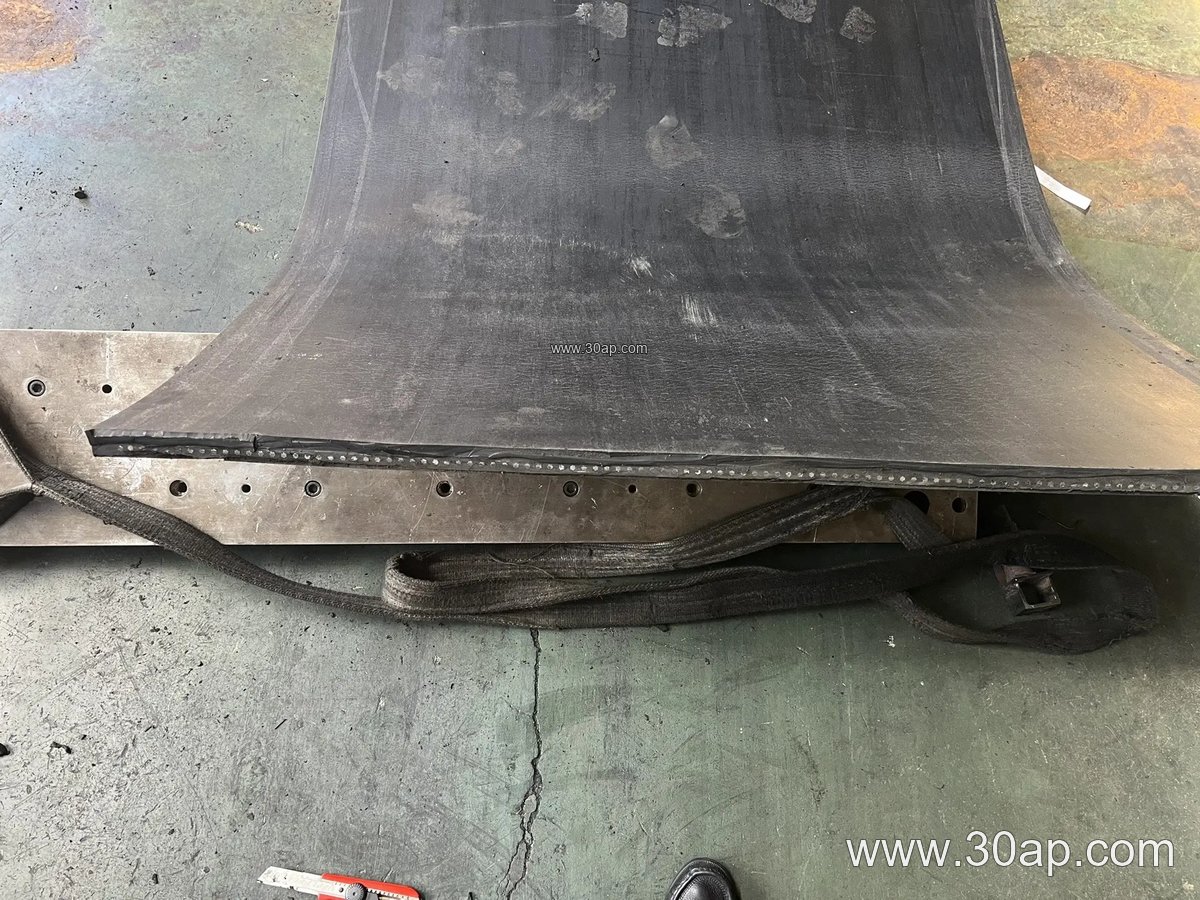
Material conditions guide the cover choice. An abrasion resistant conveyor belt suits sharp crushed stone, a heat resistant conveyor belt suits clinker or sinter, and an oil resistant conveyor belt suits oily or recycled material. Cold resistant grades are used in freezing climates, while acid and chemical resistant covers appear in some processing plants. For long overland routes, a steel cord conveyor belt is often chosen to reduce the number of splices.
Selection Points for Buyers
Specifying a belt by width alone is not enough. The design should start from the required capacity, the material lump size and temperature, the incline angle, and the calculated belt tension. From there, the carcass grade and cover thickness follow. A 1600mm belt matched to a light duty will waste money, while an undersized carcass on a heavy line will fail early.
Check the pulley diameters and the transition distances, because a thick, stiff carcass needs larger pulleys to avoid ply separation. Confirm the idler roller spacing and trough angle, since a wide belt needs proper support across its full width. Also review the conveyor bracket layout and the take-up arrangement. For inclined routes, decide early whether a chevron or corrugated sidewall design is needed. Finally, ask for the splice method and the recommended spare length, and confirm that the delivered belt matches the ordered width, cover thickness, and strength grade.
With the right carcass, cover, and surface form, a 1600mm conveyor belt can serve as the backbone of a high-capacity bulk handling line in mining, cement, power, and aggregate operations.