What a Conveyor Idler Bracket Does
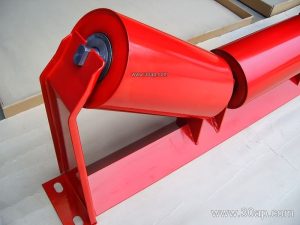
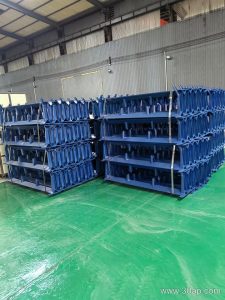
A conveyor idler bracket is the structural component that holds idler rollers in position along a conveyor frame. It sets the trough angle, keeps the rollers aligned with the belt, and transfers the load from the belt and material into the conveyor structure. In a quarry or a coal handling system, these brackets are the quiet workhorses that determine how smoothly the belt tracks and how long the rollers last. The bracket is not a glamorous part, but when it is poorly matched to the belt width, roller diameter, or load profile, the whole conveyor suffers.
Also called a conveyor bracket or idler frame, this part comes in several forms. Troughing brackets support the carrying side and create the trough shape that keeps bulk material centered. Return brackets hold the rollers under the belt on the return run. Transition and adjustable brackets handle changes in belt path or trough angle. Each type has a specific job, and they are not interchangeable with drive pulleys, tail pulleys, or bend pulleys, which serve entirely different functions in the conveyor drive system.
Construction and Common Materials
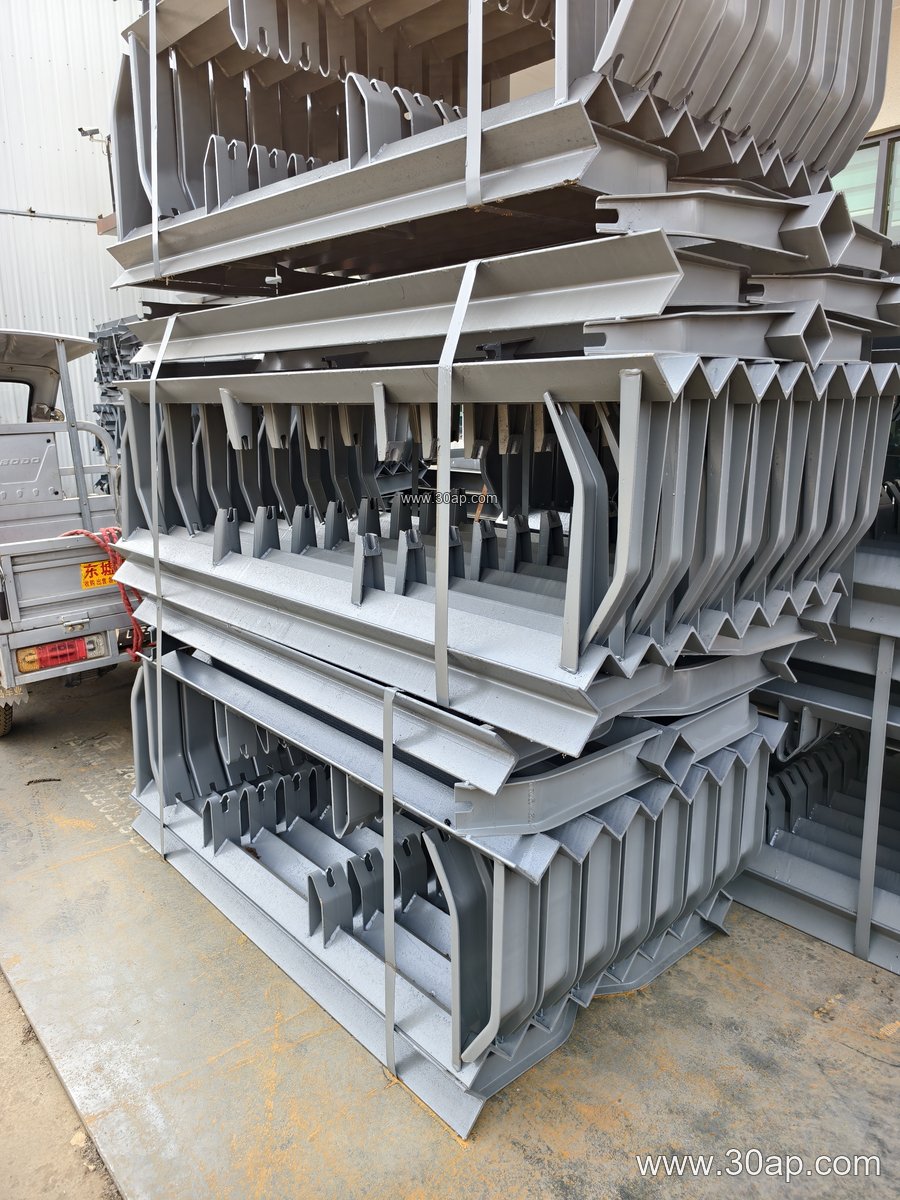
Most conveyor idler brackets are fabricated from angle steel, channel steel, or formed steel plate. The choice depends on the load and the environment. In a cement plant or a power plant coal yard, a heavier channel steel bracket may be used for the carrying side where impact and abrasion are constant. In lighter duty or where corrosion is a concern, formed plate with a suitable coating is common. The bracket includes mounting slots or holes for the idler shaft, and these are positioned to match the required trough angle and roller spacing. Installation hole spacing and beam length are not fixed numbers; they are determined by belt width, trough angle, and the specific conveyor design.
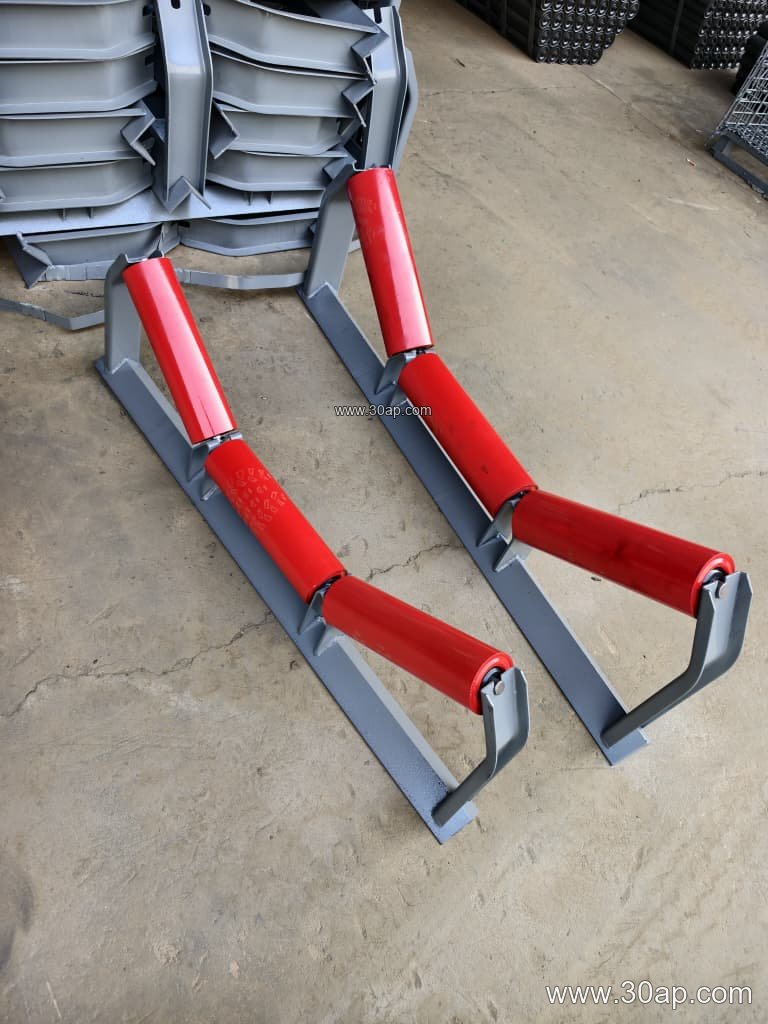
Common trough angles are 20, 30, 35, and 45 degrees. Adjustable brackets allow the angle to be changed within a range, which is useful when a conveyor handles different materials or when fine-tuning belt tracking. Forward-leaning brackets, often set at about 1.5 to 2 degrees, help the belt self-center. Roller diameters such as Ø89, Ø108, Ø133, Ø159, and Ø194 are matched to the belt width and load. For example, a B800 belt might use a 35-degree bracket with Ø108 rollers, while a B1200 conveyor could run a 45-degree bracket with Ø133 rollers. These are common combinations, not strict rules; the final choice is made by design.
Where These Brackets Are Used
You will find conveyor idler brackets in almost every bulk material handling operation. In a limestone quarry or a sand and gravel line, troughing brackets keep the belt stable through continuous loading. In a coal washing plant or underground mining conveyor, flame retardant and anti-static belt properties are critical, and the brackets must hold the rollers firmly to avoid misalignment that could damage the belt. In a cement plant, heat resistant or abrasion resistant belts are common, and the brackets need to withstand dust and vibration. Ports and ship loading facilities use wide belts, sometimes 1800 mm or 2000 mm, where heavy-duty brackets and large roller diameters are typical. Steel plants and sintering operations also rely on robust idler brackets to handle hot or abrasive materials.
Related equipment such as the conveyor belt, idler roller, and conveyor pulley all work together with these brackets. A fabric core conveyor belt like an EP conveyor belt or NN conveyor belt needs consistent roller support to avoid edge damage. A steel cord conveyor belt used in high-strength applications also depends on properly aligned brackets to maintain belt life. Even a chevron conveyor belt or a corrugated sidewall belt, which has a different profile, still uses idler brackets on the carrying and return sides.
Selection and Maintenance Tips for Buyers
When specifying a conveyor idler bracket, start with the belt width and the required trough angle. Confirm the roller diameter and the shaft size that the bracket must accept. Check the mounting hole spacing against the conveyor frame; this is not a universal dimension and must match the existing structure. Consider the environment: in a coal mine, flame retardant and anti-static properties of the belt are important, but the bracket itself should be selected for corrosion resistance and strength. In a fertilizer or grain silo, avoid brackets that trap material and clean them regularly.
Maintenance is straightforward. Inspect brackets for bending, loose bolts, or worn mounting holes. A bent bracket can cause the roller to sit at the wrong angle, leading to belt mistracking and edge wear. Replace damaged brackets promptly and use the opportunity to check roller rotation. Adjustable brackets should be locked at the correct angle after adjustment. Keep spare brackets on hand for critical conveyors, especially in remote quarry or mining sites where downtime is costly.
For more information on conveyor components and belt options, visit rubber conveyor belt and mining conveyor belt resources. Matching the right conveyor idler bracket to your belt and rollers is a simple step that pays back in longer belt life and fewer tracking problems.