What a Rubber Spiral Idler Does
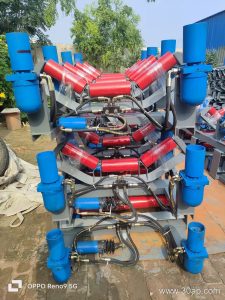
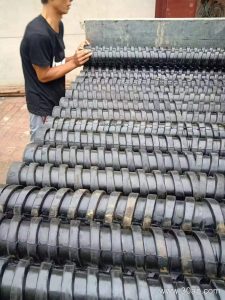
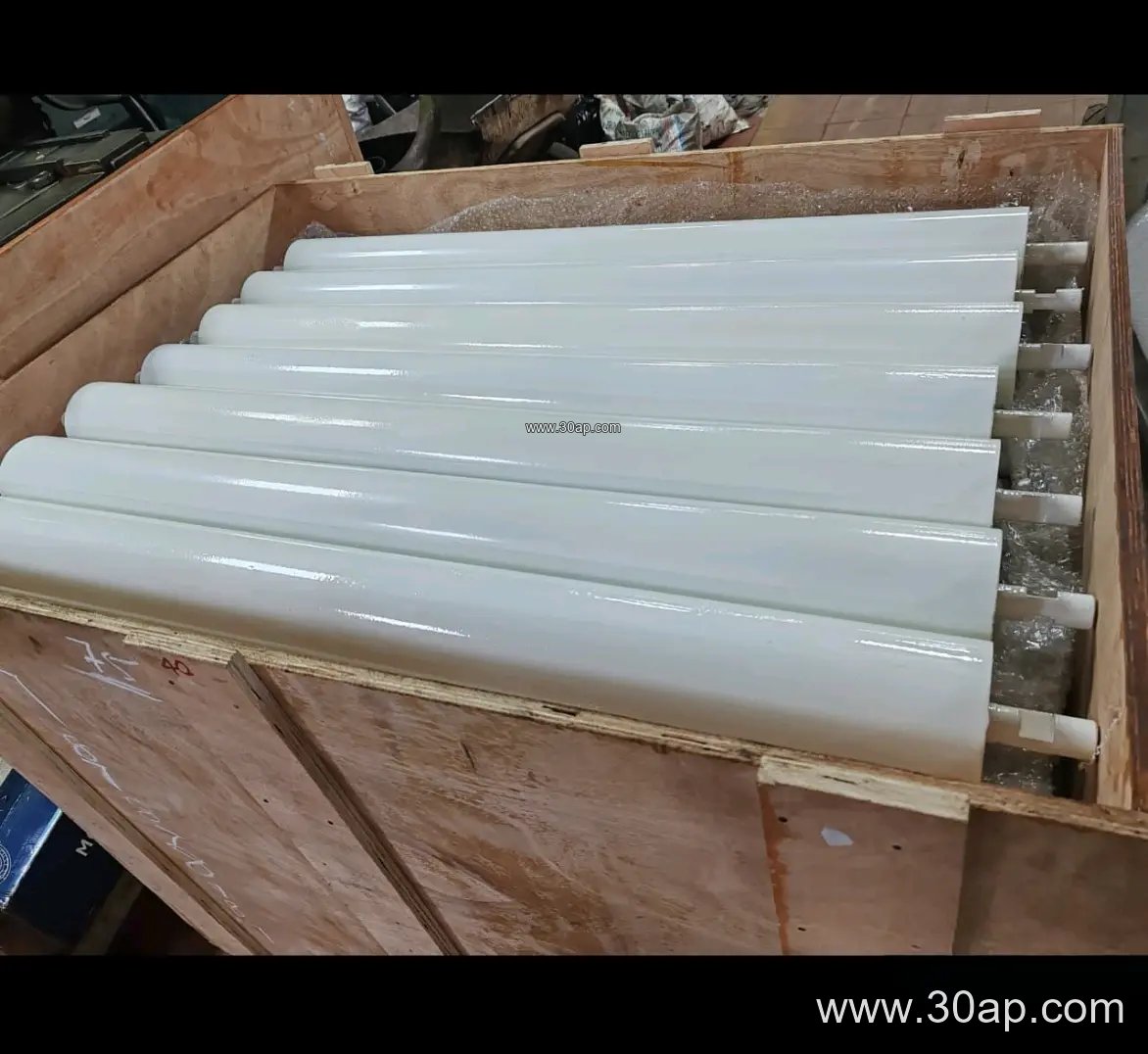
A rubber spiral idler is a return-side idler roller built with a helical rubber covering wrapped around the shell. Instead of a smooth steel surface running under the belt, the spiral profile contacts the belt and continuously scrapes and guides it. The result is a self-cleaning idler that sheds fines, mud, and moist carryback rather than letting them pack onto the roller face. On a conveyor belt handling wet sand, clay, or washed aggregate, this difference shows up quickly in belt tracking and in the amount of material thrown off at the tail.
The product is also called a rubber helix return roller or spiral rubber idler. These names describe the same item and can be used interchangeably; the spiral covering, not a change of function, is what separates it from a plain return roller.
How the Spiral Rubber Roller Is Built
The core is usually a steel tube fitted with a through shaft and sealed bearings. A rubber helix is bonded or vulcanized onto the shell, with the spiral running in a direction that pushes debris toward the belt edges as the roller turns. Common bearing sizes include 6205, 6305, 6306, and 6308, with the exact selection depending on load and shaft design. Roller diameters for return positions often fall in the range of Ø89, Ø108, Ø127, Ø133, and Ø159 mm, while lengths follow the belt width and frame layout.
- Steel shell with a vulcanized rubber spiral cover
- Sealed bearing housings to resist dust and moisture
- Spiral direction matched to belt travel
- Mounting through a conveyor bracket or bolted frame
Because the rubber is flexible, the spiral tends to flex slightly under belt pressure, which helps release sticky fines instead of trapping them. The covering also reduces the chance of the roller shell wearing a polished groove into the belt back.
Typical Dimensions and Reference Data
Buyers often ask for a size table before anything else. The values below are common examples, not fixed combinations; final dimensions are set by the conveyor design, belt width, and frame.
| Reference Item | Typical Range or Example |
|---|---|
| Roller diameter | Ø89, Ø108, Ø127, Ø133, Ø159 mm |
| Belt width reference | B650, B800, B1000, B1200, B1400, B1600 |
| Roller length example | 250 mm for B650; 315 mm for B800; 380 mm for B1000; 465 mm for B1200 |
| Bearing options | 6204, 6205, 6305, 6306, 6308 |
| Surface form | Rubber spiral covering |
These figures should be read as reference points. A B1000 conveyor does not automatically use one shaft diameter, and a given belt width does not lock the roller to a single diameter or bearing size. The return idler spacing, belt tension, and material load all influence the final choice.
Where the Spiral Return Idler Fits Best
This idler earns its place in plants where carryback is a constant problem. In a sand and gravel line, a quarry conveyor, or a concrete mixing station, wet fines cling to the belt and drop onto the return strand. A spiral rubber roller keeps working as a cleaner and a support at the same time. Coal handling and power plant coal yards also use it where dust and moisture combine, and cement plants appreciate it on clinker and raw material routes with fine, abrasive residue.
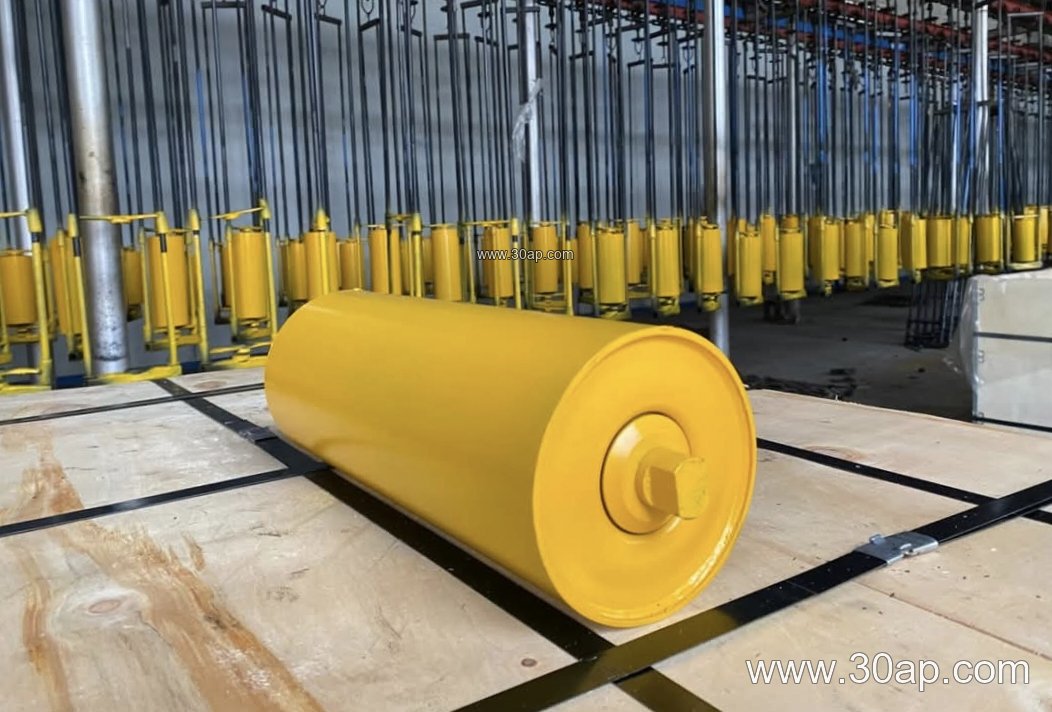
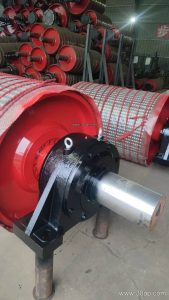
It is a return-side component. Do not confuse it with a conveyor pulley at the drive, tail, or bend position; those are separate components with different duties. Likewise, a troughing idler on the carrying side, a buffer idler at a transfer point, and a self-aligning idler each solve a different problem. A rubber spiral idler is compared with a plain return roller because both support the empty belt, but only the spiral version is designed to shed sticky material.
Selection and Maintenance Notes
Match the spiral direction to the belt travel so the helix pushes debris outward rather than inward. Check that the rubber cover is compatible with the material temperature and any oil or chemical exposure; in hot or oily service, a heat resistant or oil resistant belt may be paired with a suitable idler cover. Keep the return strand alignment in mind, since a spiral roller can help guide the belt but is not a substitute for proper training idlers.
During inspection, look for worn spiral edges, cracked rubber, and seized bearings. A roller that stops turning will flat-spot the cover quickly. Grease or sealed-for-life bearings should be checked against the manufacturer’s schedule, and any roller with a damaged shaft or housing should be replaced rather than repaired in place.
For bulk material conveyors, the rubber spiral idler is a practical upgrade over smooth return rollers where sticky fines are routine. It supports the belt, resists build-up, and keeps the return run cleaner between maintenance stops.