What a Rock Conveyor Belt Has to Handle
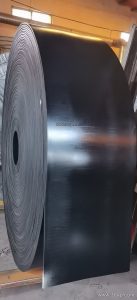
A rock conveyor belt is a heavy-duty rubber belt built to move crushed stone, ore, gravel and other abrasive bulk materials from one stage of a plant to the next. The duty is rarely gentle: sharp edges, large lumps, drop heights and dust all work against belt life. That is why many buyers look beyond a general-purpose conveyor belt and specify a heavy-duty mining conveyor belt or an abrasion resistant conveyor belt with a thicker cover and a stronger carcass.
The name describes the job rather than a single construction. A rock conveyor belt may be an EP conveyor belt, an NN conveyor belt, a multi-ply fabric core belt, or a steel cord conveyor belt, depending on the lump size, the discharge height and the center distance of the conveyor. In many quarry conveyor belt and aggregate conveyor belt systems, an abrasion resistant rubber conveyor belt with an EP carcass is a practical starting point; long overland runs from a crusher often call for a steel cord design.
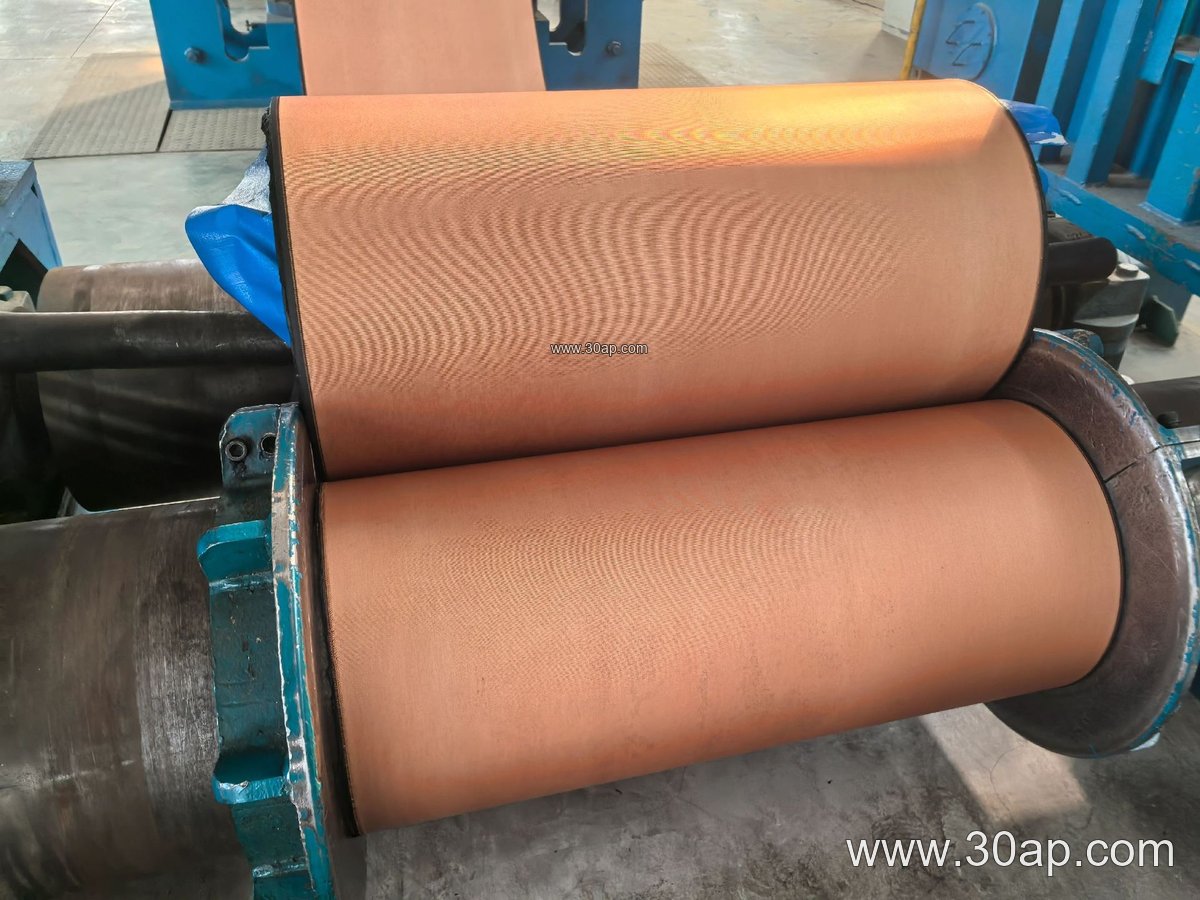
Construction and Common Specifications
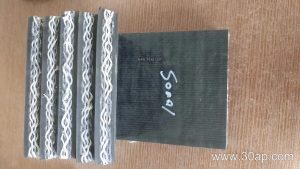
The belt usually consists of a rubber cover on the carrying side, a thinner cover on the return side, and a fabric or steel cord carcass between them. The carcass carries tension, while the top cover absorbs impact and sliding abrasion. For rock duty, common cover grades include abrasion resistant and impact resistant compounds, and flame retardant or fire resistant versions where the plant or mine requires them.
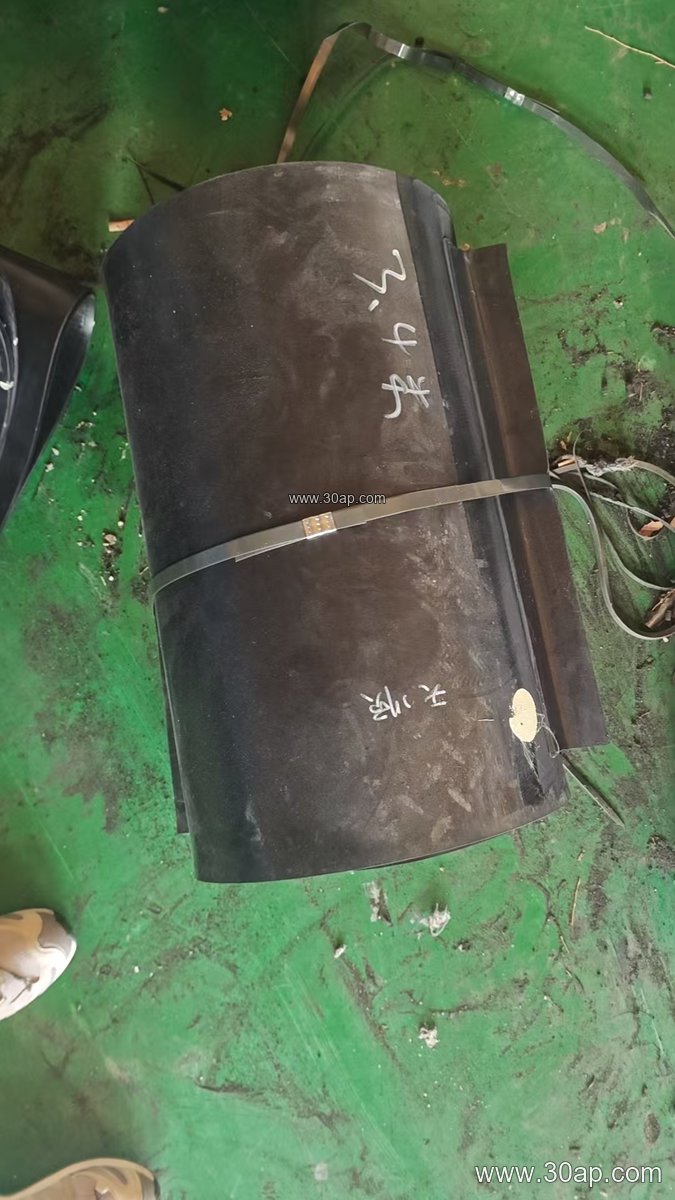
Typical reference values are shown below. They are common ranges, not fixed rules, and final figures should be confirmed with the belt manufacturer for each conveyor design.
| Item | Common Reference |
|---|---|
| Belt type | EP conveyor belt, NN conveyor belt, steel cord conveyor belt, multi-ply fabric core |
| Fabric strength grades | EP200, EP315, EP400, EP500, EP630, EP800, EP1000, EP1250 |
| Belt width | B500, B650, B800, B1000, B1200, B1400, B1600, B1800 |
| Cover thickness (top + bottom) | 4+2 mm, 5+2 mm, 6+2 mm, 8+3 mm |
| Carcass plies | Usually 2 to 6 layers for fabric core belts |
Surface forms also matter. A chevron conveyor belt or a corrugated sidewall conveyor belt helps hold material on an incline, while a skirted conveyor belt contains material at transfer points. These are variations of the same product family, not replacements for the main belt type.
Where It Fits in the Plant
Rock belts appear in mines, coal preparation plants, cement works, power stations, sand and gravel pits, and port loading systems. In a stone crushing line, a crusher conveyor belt takes discharge from the primary crusher and feeds screens; in a cement plant, the same belt family moves limestone and clinker. Underground coal mining conveyor belt installations usually add flame retardant and anti-static properties, while iron ore and copper ore duties favor high abrasion resistance.
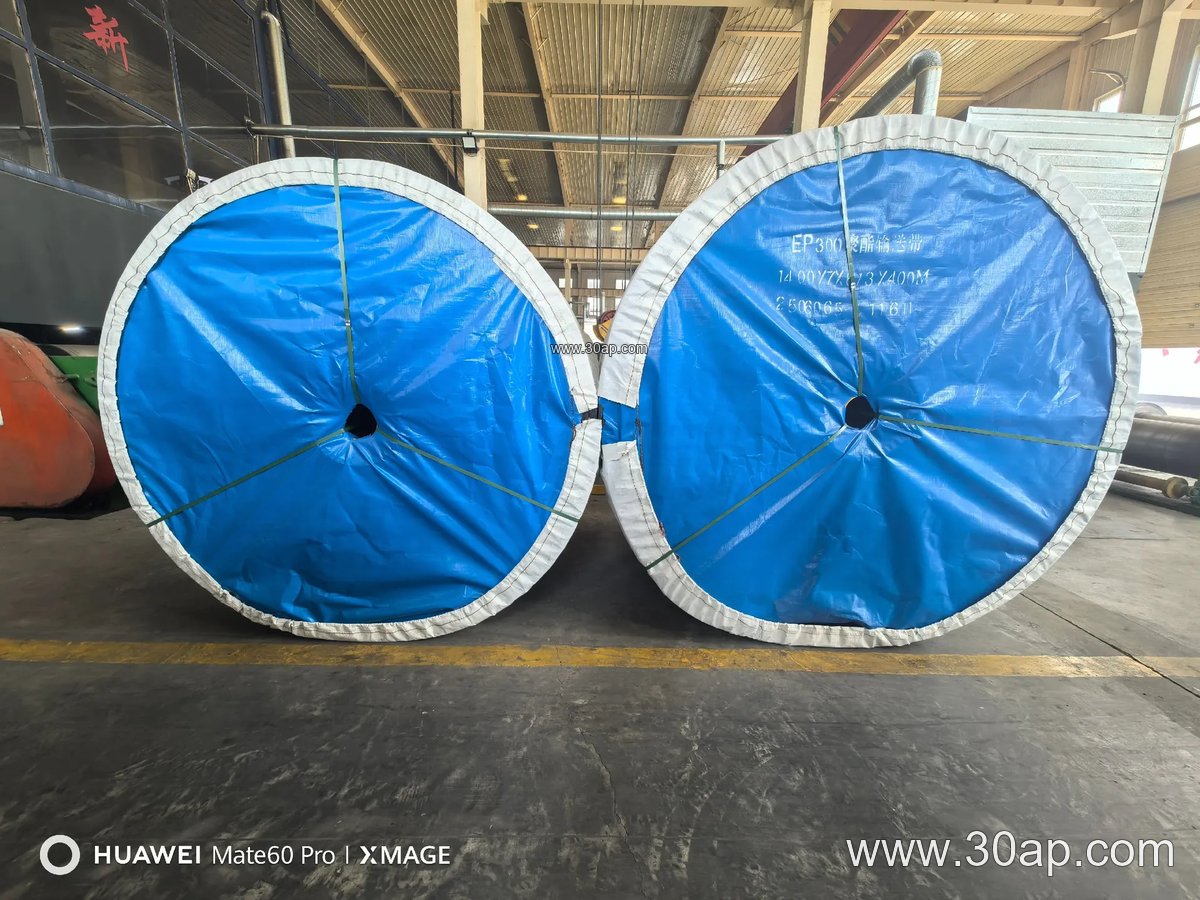
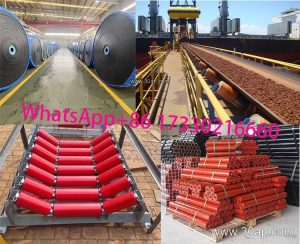
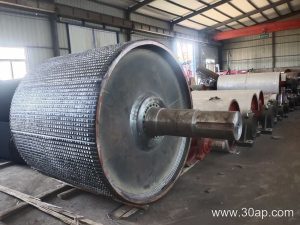
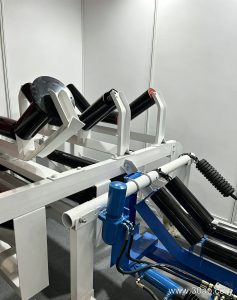
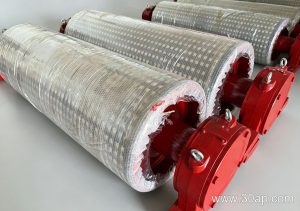
Supporting equipment matters too. A conveyor pulley at the drive and tail ends, idler rollers along the carrying and return sides, and a conveyor bracket at each frame point all influence belt tracking and wear. A well-aligned pulley and freely turning idlers extend cover life far more than a thicker cover alone.
Selection Points for Buyers
- Match belt width to the lump size and required capacity, not only to the existing frame. A 1200mm conveyor belt may be right for one crusher line and oversized for another.
- Choose the carcass by tensile demand. EP1000 and EP1250 grades suit many medium-length quarry belts; steel cord grades such as ST1600 or ST2000 are used on long, high-tension runs.
- Pick the cover compound by the dominant wear mode. Abrasion, impact, heat, oil and cold each call for a different compound.
- Consider splice type and whether an endless conveyor belt is needed to reduce joint failures.
- Ask for the actual cover thickness and ply count in writing, since the same strength grade can be supplied in different builds.
Maintenance is mostly about observation. Check cover wear at transfer points, watch for edge damage and keep idler rollers clean so material does not build up under the belt. A rock conveyor belt that tracks straight and runs on free rollers usually delivers a long, predictable service life in the harshest parts of a mine or quarry.