What a Recycling Conveyor Belt Does in a Recovery Line
A recycling conveyor belt moves mixed and sorted material between shredders, screens, magnetic separators, eddy current units and balers. The duty is rarely gentle. Material arrives in irregular lumps, sharp fragments and wet clumps, so the belt must resist cutting, impact and abrasion while staying flexible enough to track on the conveyor frame. This is why the recycling conveyor belt is usually specified as a heavy-duty abrasion resistant conveyor belt rather than a light general-purpose product.
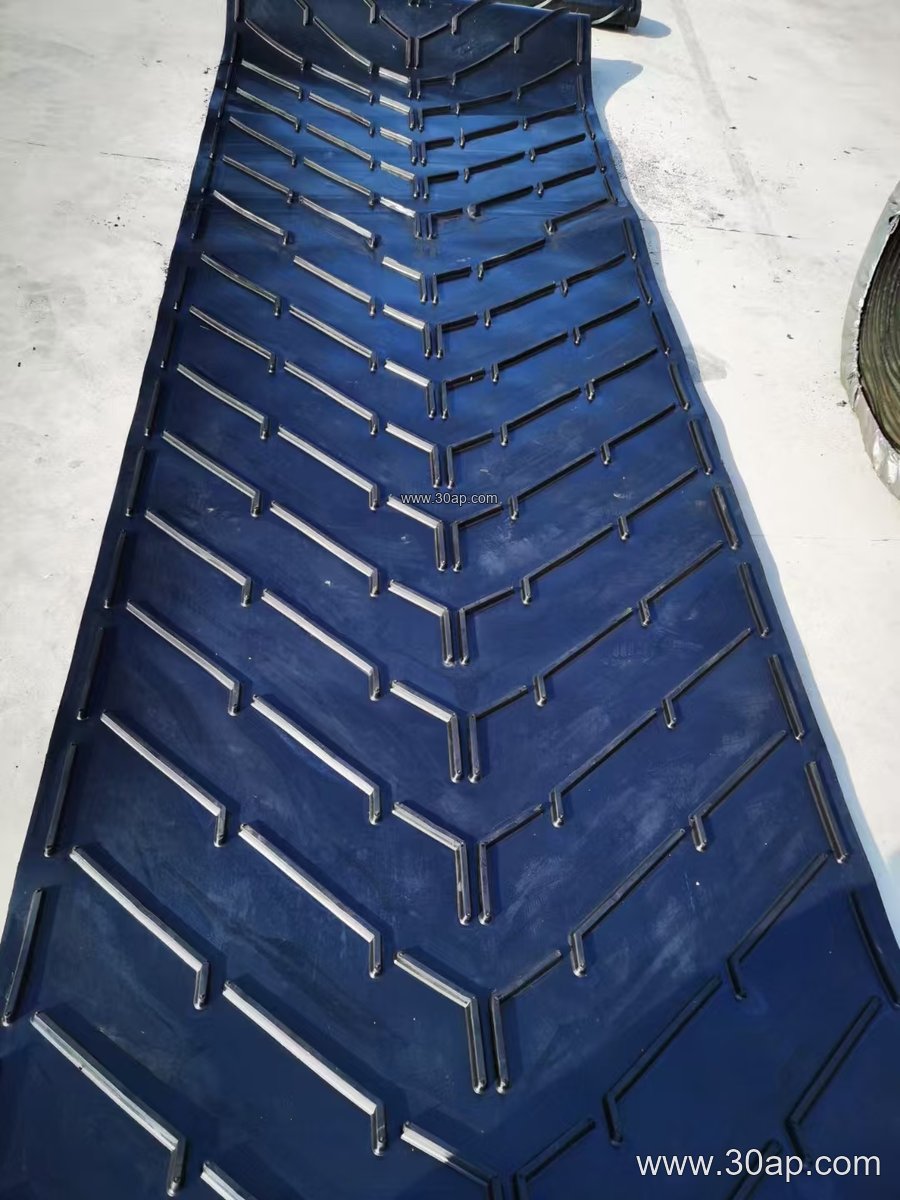
On many sorting lines the belt surface also has to release material cleanly. A smooth rubber cover works well on transfer sections, while a chevron conveyor belt or a corrugated sidewall conveyor belt helps control material on inclines where loose film, paper and light plastics tend to roll back.
Construction and Common Belt Types
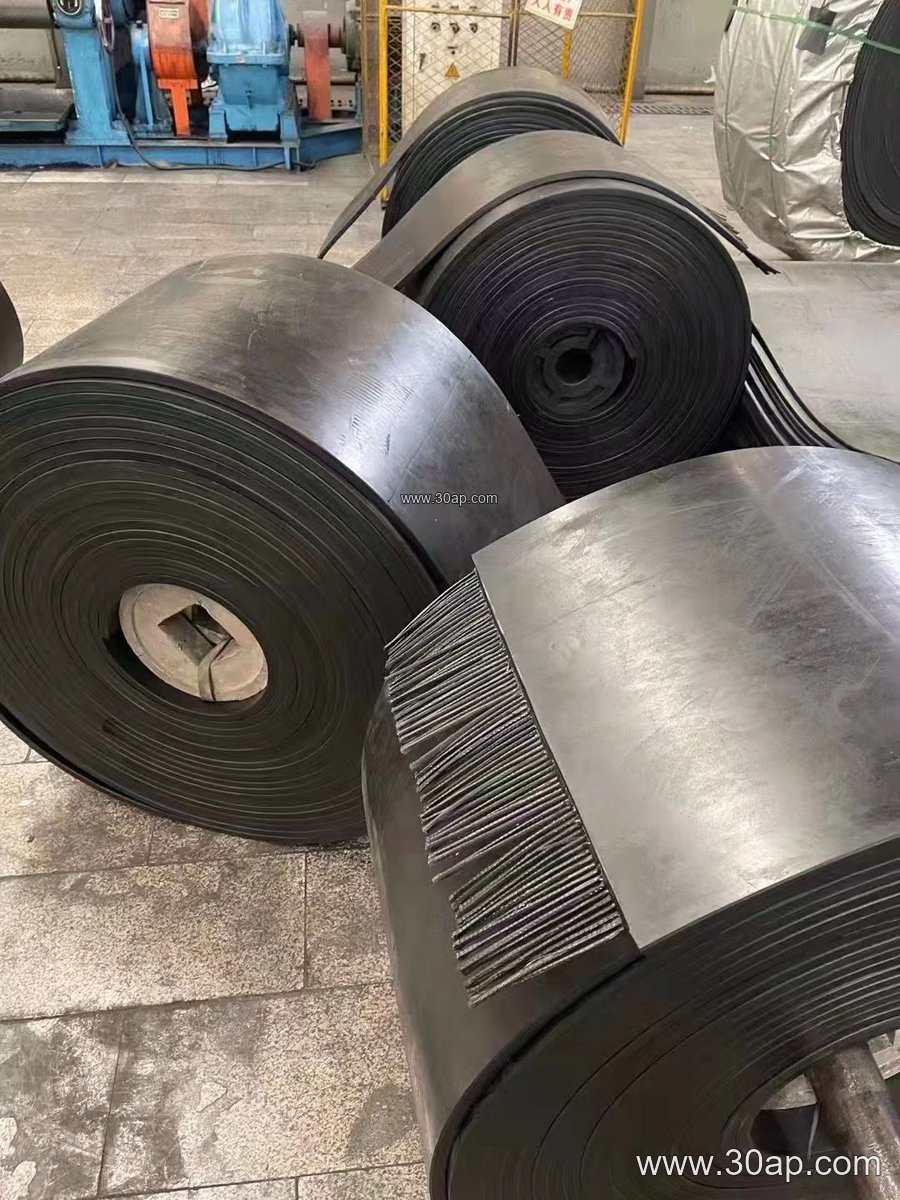
The carcass carries the load and the covers protect it. Fabric core belts dominate recycling duty because they tolerate impact and are easier to repair on site. Common constructions include EP conveyor belt and NN conveyor belt carcasses, with 2 to 6 plies typical. A multi-ply fabric core conveyor belt is often chosen where tear resistance matters more than minimum weight.
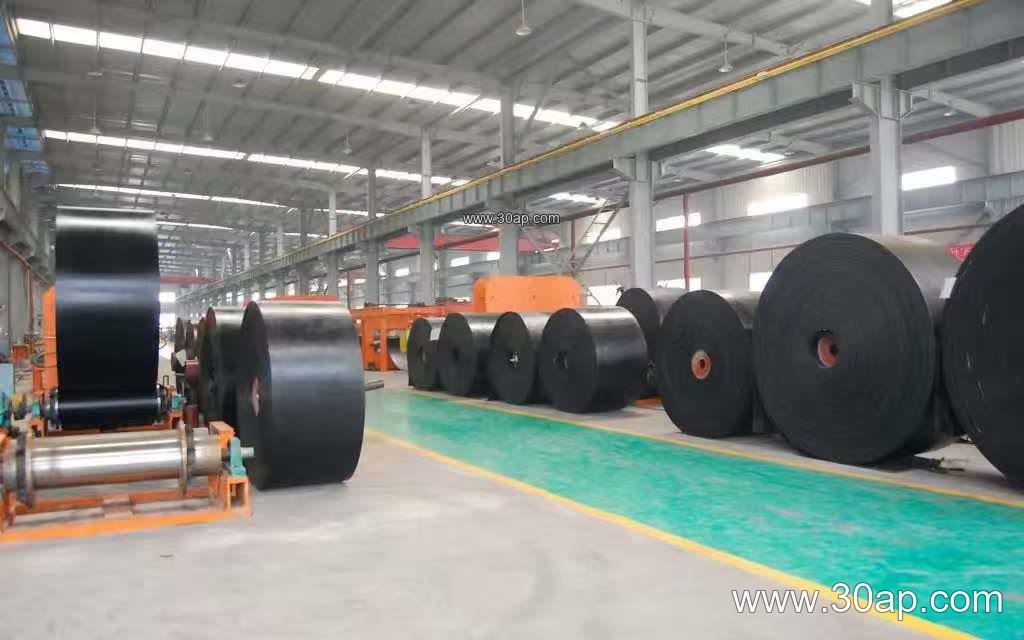
For heavier feed from shredders or high-throughput transfer points, a steel cord conveyor belt or a high strength conveyor belt may be used on the main trunk conveyor. Rubber Conveyor Belt grades are selected by cover compound: abrasion resistant, oil resistant for baler and hydraulic areas, flame retardant where required, and anti-static where dust is present.
Reference Parameter Examples
The values below are common reference ranges only. Final construction follows the conveyor design, material size and loading conditions.
| Item | Common Reference |
|---|---|
| Fabric carcass types | EP200, EP315, EP400, EP500, EP630, EP800, EP1000 |
| Steel cord strength grades | ST1000, ST1250, ST1600, ST2000 |
| Belt width | B500, B650, B800, B1000, B1200, B1400, B1600 |
| Cover thickness | 3+1.5 mm, 4+2 mm, 5+2 mm, 6+2 mm |
| Ply count | 2 to 6 layers, by design |
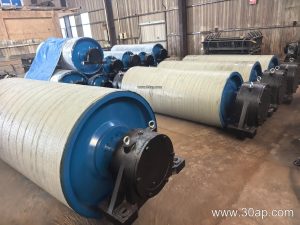
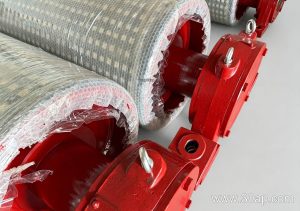
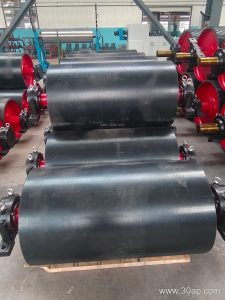
Width and pulley size are matched through the belt’s minimum pulley diameter requirement, not by a simple fixed rule. A wider belt does not automatically dictate one shaft diameter; the drive pulley, tail pulley and bend pulley are selected separately for tension and wrap angle. The drive pulley and tail pulley are not interchangeable, and neither is a bend pulley.
Where It Is Used
Recycling conveyor belts appear in municipal recovery facilities, construction and demolition sorting plants, scrap yards, compost and organic waste lines, e-waste dismantling, and RDF preparation. Similar belt constructions are also used in quarry conveyor belt, aggregate conveyor belt, crusher conveyor belt and cement plant conveyor belt service, where abrasion is the main enemy. In dusty or enclosed plants, an anti-static conveyor belt and flame retardant conveyor belt grade may be required by the site risk assessment.
Buyer Checklist
- Describe the material: size range, sharpness, moisture, oil or chemical contact, and temperature.
- Confirm the conveyor geometry, including incline angle and transition distance, before choosing a cleated or skirted design.
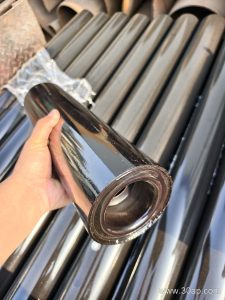
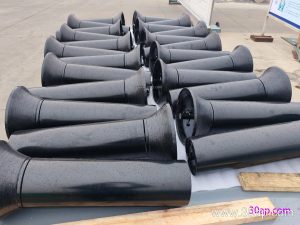
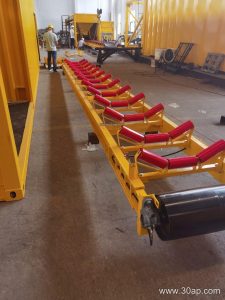
- Check the minimum pulley diameter for the selected carcass and cover, and review all conveyor pulley and idler roller positions.
- Specify cover grade and thickness together with the carcass grade rather than width alone.
- Plan splicing. An endless conveyor belt made at the factory reduces joint risk on critical lines, while field splicing suits long or hard-to-access conveyors.
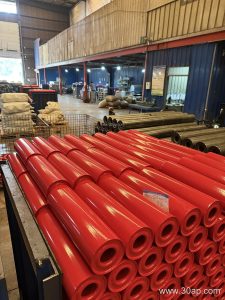
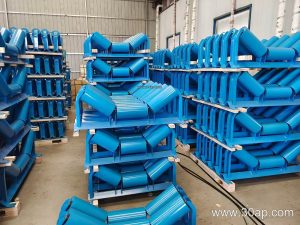
- Keep spare conveyor bracket and roller parts consistent with the belt tracking requirements.
For a reliable recycling conveyor belt, match the cover compound to the dirtiest part of the duty, then confirm carcass strength and pulley compatibility. A belt that is over-specified on width but under-specified on cover abrasion will still fail early. Buyers can review related conveyor belt, idler roller and conveyor pulley options at gdconveyorbelt.com before finalizing a specification.