What a Belt Conveyor Trough Idler Does
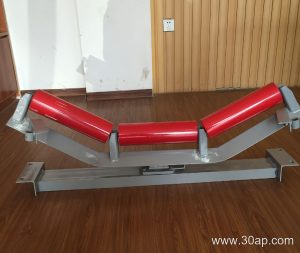
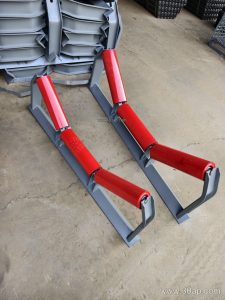
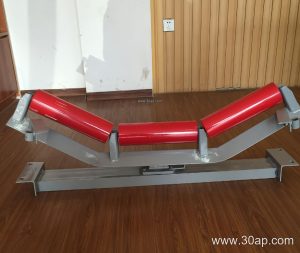
A belt conveyor trough idler is the group of rollers that supports the carrying run of a conveyor belt and shapes it into a shallow trough. The angled rolls keep loose material centered on the belt, reduce spillage, and spread the load across the belt width. In a quarry, a coal handling plant, or a cement kiln feed line, these idlers are the parts that touch the loaded belt most often, so their condition directly affects belt life and energy use.
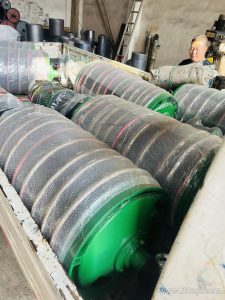
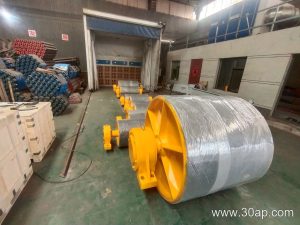
The same item is often called a troughing idler or carrying idler set. Whatever name is used, it refers to the same assembly: two or three rolls mounted in a frame under the loaded side of the belt. It should not be confused with a return idler, which supports the empty side, or with a conveyor pulley at the head or tail of the machine.
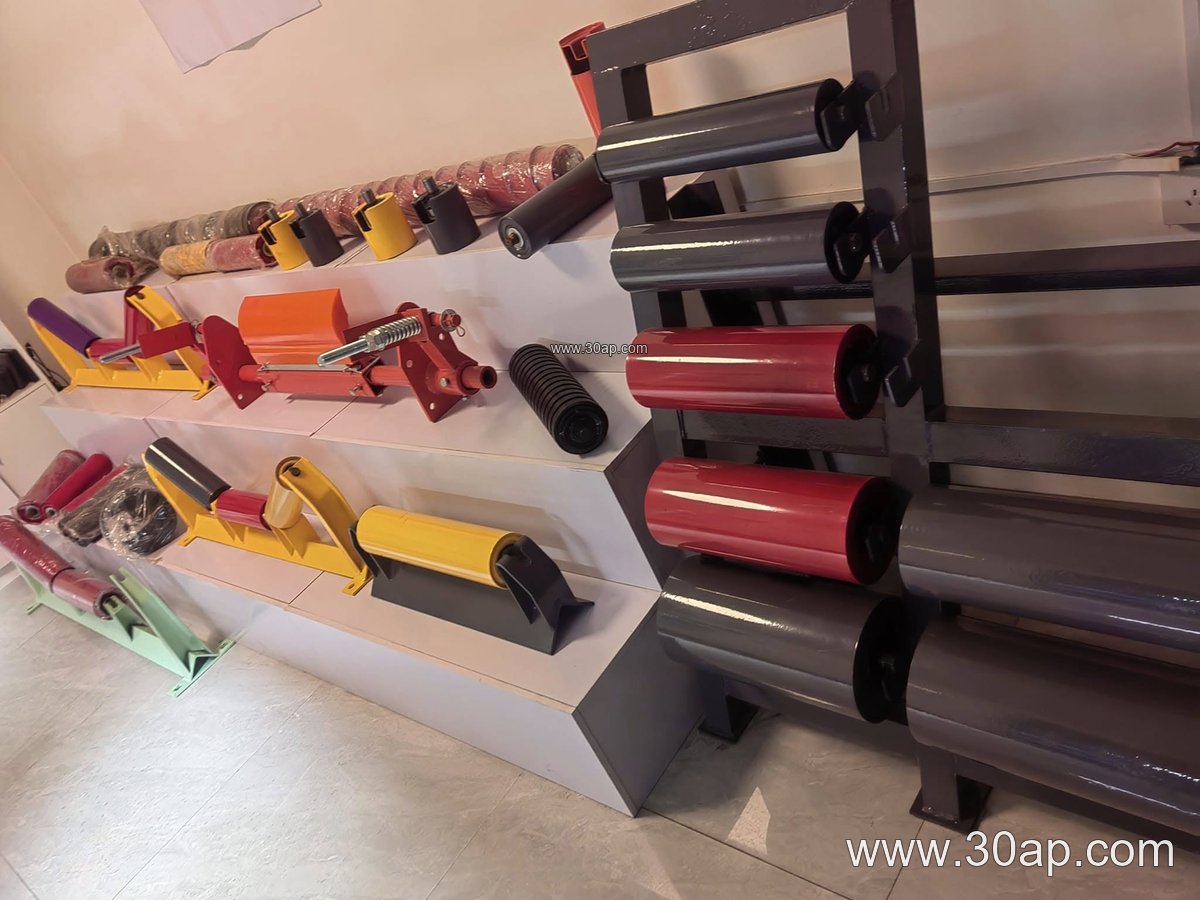
How the Assembly Is Built
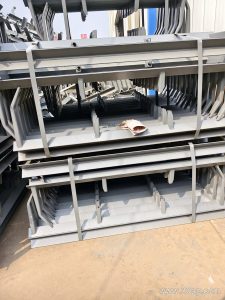
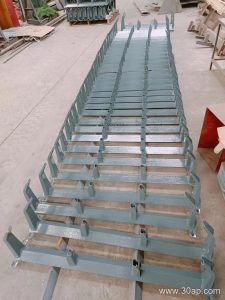
A typical troughing set has a steel frame, a shaft, bearing housings, and rolls with a shell and end caps. Seals matter as much as the shell. Dust from crushed rock or coal fines will destroy a bearing quickly if the labyrinth seal is poor. Common bearing sizes include 6204, 6205, 6305, 6306, 6308, and 6310, matched by the idler maker to the roll diameter and load rather than to belt width alone.
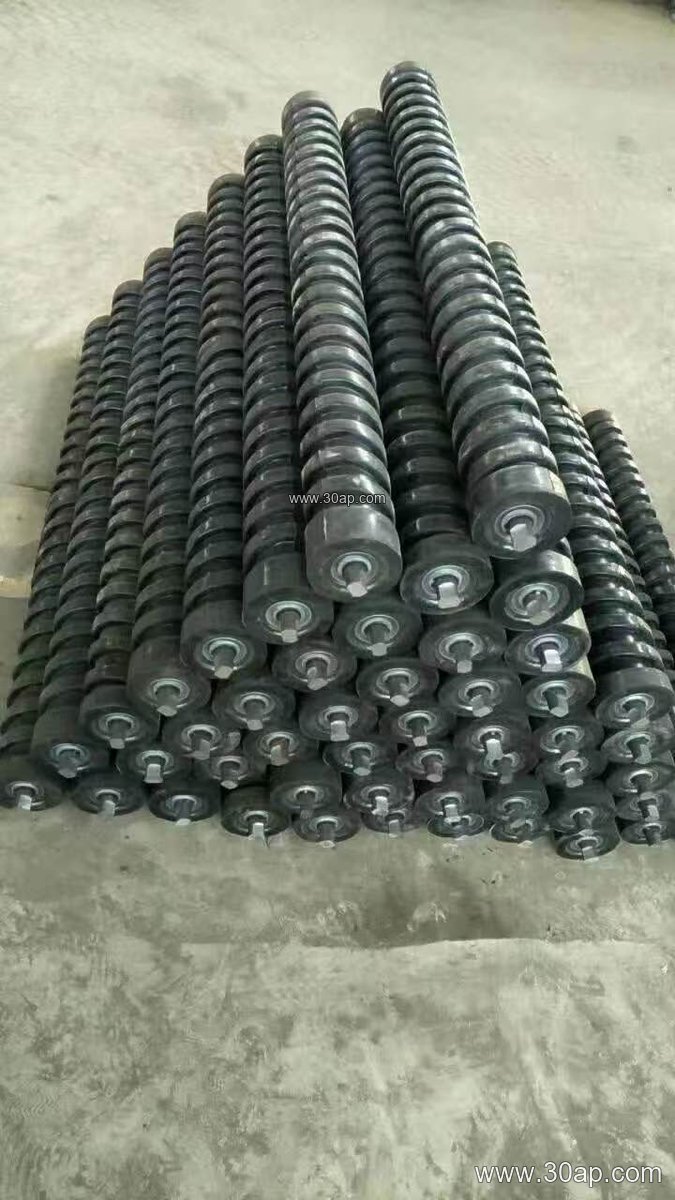
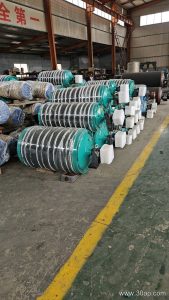
Roll diameters commonly run from Ø63 and Ø76 up to Ø159, Ø178, Ø194, and Ø219 for heavy duties. Smaller diameters suit lighter belts; larger rolls turn more slowly and last longer under abrasive loads. Shell surfaces may be plain steel, nylon, ceramic, or rubber rings. Rubber rings are useful at transfer points where impact is high.
Trough Angles and Roll Arrangement
Trough angle controls how deep the belt sits in the frame. Common angles are 20, 30, 35, and 45 degrees. A 20-degree set suits flat, wide belts and light material; 35 or 45 degrees gives better capacity and centering for coal, ore, and aggregate. A three-roll set is the usual choice, while two-roll and single-roll sets appear on narrower or special conveyors. Transition idlers are placed near pulleys to ease the belt from flat to troughed without stress.
Roll length changes with belt width, trough angle, and frame type. For a three-roll troughing set, common roll lengths are roughly 200 mm at B500, 250 mm at B650, 315 mm at B800, 380 mm at B1000, 465 mm at B1200, 530 mm at B1400, 600 mm at B1600, 670 mm at B1800, and 750 mm at B2000. Side rolls and center rolls may differ, and these figures are examples rather than fixed pairings.
Where These Idlers Are Used
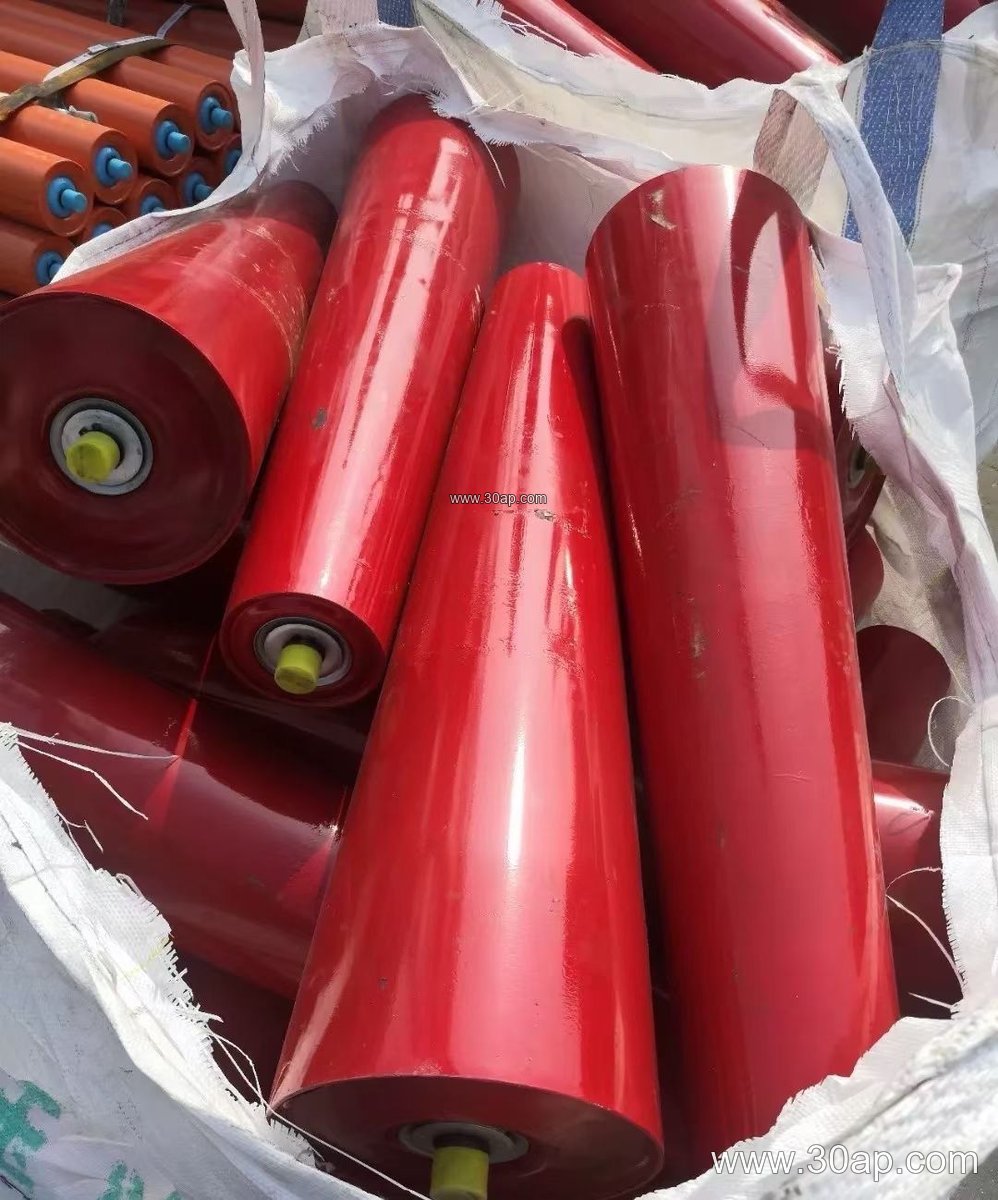
In an iron ore or copper ore concentrator, troughing idlers carry heavy, abrasive feed toward the mill. In a coal washing plant they work with flame retardant and anti-static belting, where static build-up and fire risk must be controlled. Sand and gravel lines use them under crusher discharge, and power plant coal yards use them on long overland runs. The belt itself may be an EP conveyor belt, an NN conveyor belt, or a steel cord conveyor belt, and the idler selection should follow the belt tension and load, not the other way around.
Buyer Checklist
- Match roll diameter and bearing class to the actual load and belt speed, not only to belt width.
- Confirm trough angle and frame dimensions against the conveyor drawing.
- Check seal type for dusty or wet conditions; a good seal extends bearing life more than a thicker shell.
- Decide on shell surface: plain steel for general use, rubber rings for impact zones, ceramic for severe abrasion.
- Ask how the rolls are lubricated and whether they can be replaced individually.
- Review spare parts stock, since idlers are consumables in any bulk handling line.
Maintenance is mostly about rotation. A seized roll will flat-spot the belt and wear the frame. Walk the line regularly, listen for squealing bearings, and check that every roll turns freely. Keep the belt tracking straight, because a misaligned belt loads one side of the troughing set and shortens roll life. For a new project, ask the supplier for a dimensional drawing and confirm that the mounting brackets fit the existing conveyor bracket spacing before ordering.