What a Conveyor Carrying Bracket Does
The conveyor carrying bracket is the structural component that holds the troughing idlers in place along the carrying side of a belt conveyor. It sits between the conveyor frame and the idler roller, maintaining the correct trough angle and spacing so the conveyor belt can move bulk materials efficiently. In quarry, cement plant, and power plant coal handling systems, these brackets are often the first line of support for the loaded strand of the belt.
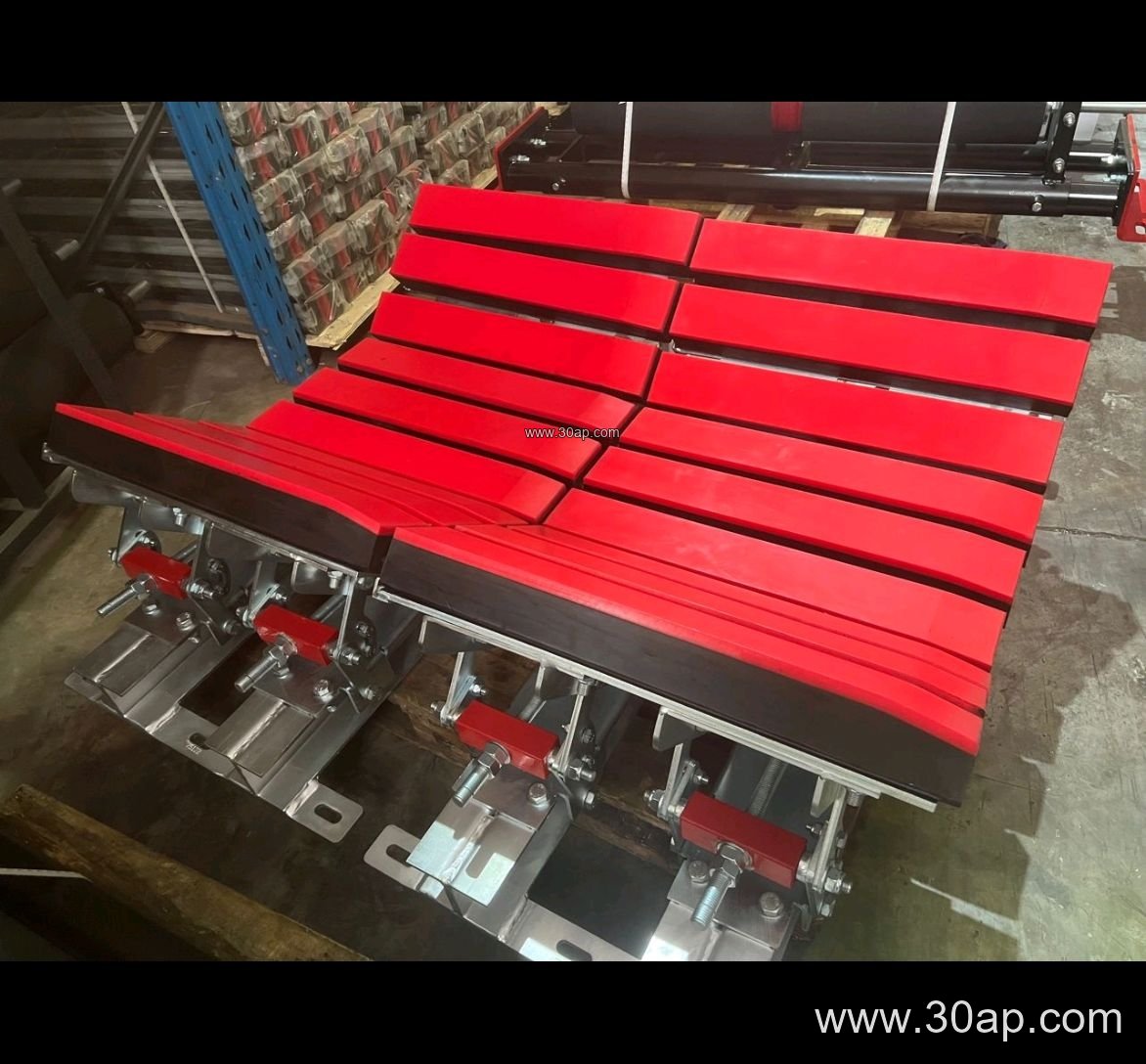
While the term is specific to the carrying side, similar brackets exist for the return strand (return brackets, V-return brackets) and for impact zones (impact idler brackets). Each subtype serves a distinct function; a return bracket, for example, is not a substitute for a carrying bracket because it supports the belt from below with a different geometry.
Construction and Materials
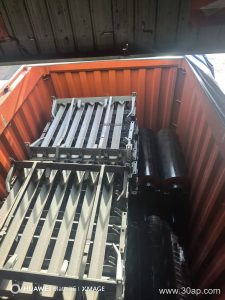
Most carrying brackets are fabricated from angle steel, channel steel, or bent steel plate. The choice depends on load requirements and environmental conditions. In a limestone mine or a sand and gravel line, brackets may be galvanized or painted for corrosion resistance. In a steel plant or sintering facility, heat-resistant coatings might be specified.
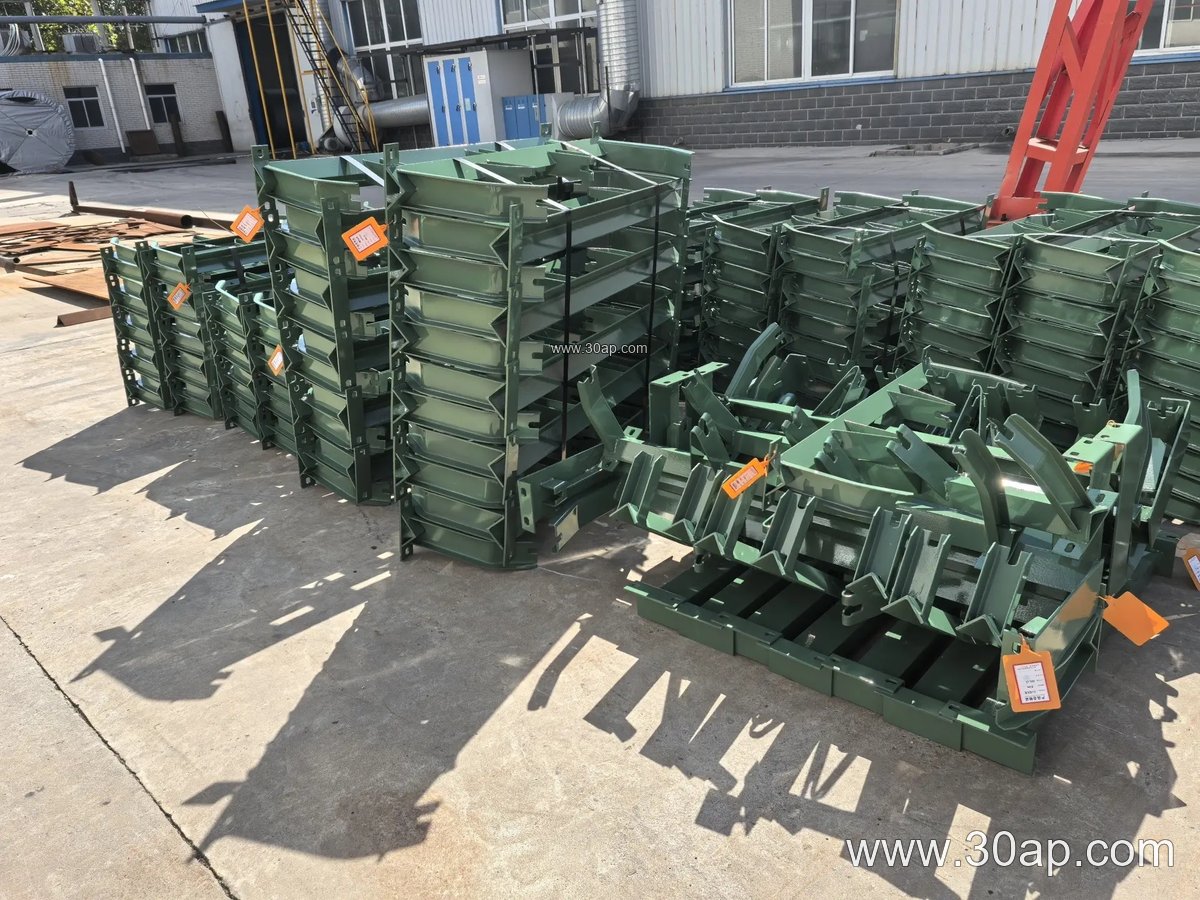
Typical construction features include:
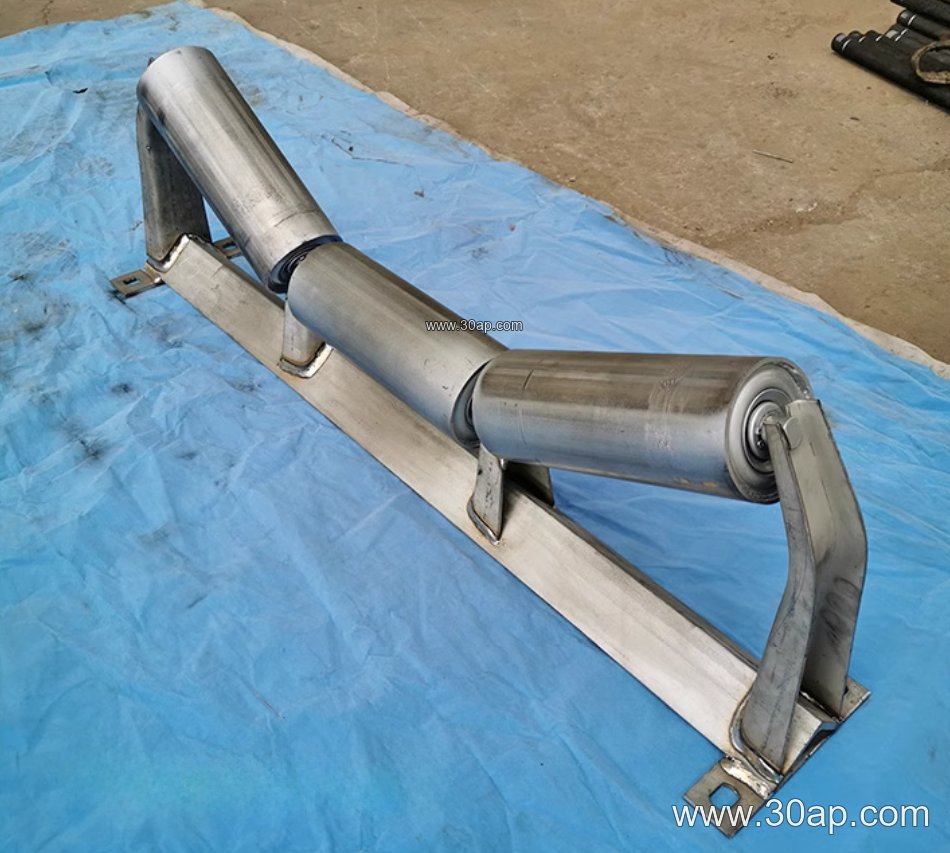
- Slotted or drilled mounting holes for adjustment
- Reinforced corners for rigidity
- Provisions for 20°, 30°, 35°, or 45° trough angles
- Optional forward tilt (approximately 1.5° to 2°) for belt training
Adjustable brackets allow the trough angle to be changed on site, which is useful when a conveyor is repurposed or when material characteristics change. Fixed brackets are simpler and often more economical for stable applications.
Where It Fits in the Conveyor System
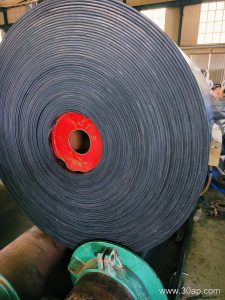
The carrying bracket works together with the conveyor belt, idler roller, and conveyor pulley to form a complete material handling line. In a typical 800mm or 1000mm wide conveyor, the bracket supports three idlers arranged in a trough. The bracket’s dimensions—such as crossbeam length and hole spacing—are determined by belt width and trough angle, not by a single universal size.
Common belt width and idler diameter combinations include B800 with Ø108 idlers at 35°, or B1200 with Ø133 idlers at 45°. These are reference examples; actual selection depends on load, belt speed, and material lump size.
Selection Considerations for Buyers
When specifying a conveyor carrying bracket, consider the following:
- Belt width and trough angle: Ensure the bracket matches the conveyor’s design. For instance, a B650 conveyor at 30° may use Ø89 idlers, while a B1400 system at 45° might use Ø159 idlers.
- Material and coating: In coal mining or underground mining environments, flame retardant and anti-static properties may be required for the belt, and brackets should be compatible with that environment. In food grade or chemical applications, stainless steel or special coatings may be needed.
- Adjustability: If future changes in trough angle are anticipated, an adjustable bracket can save on replacement costs.
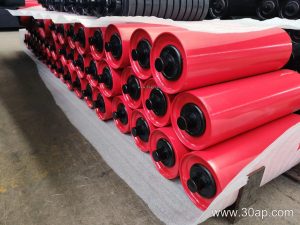
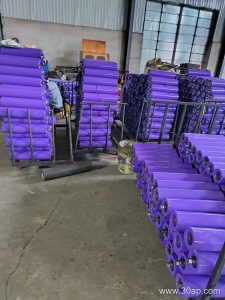
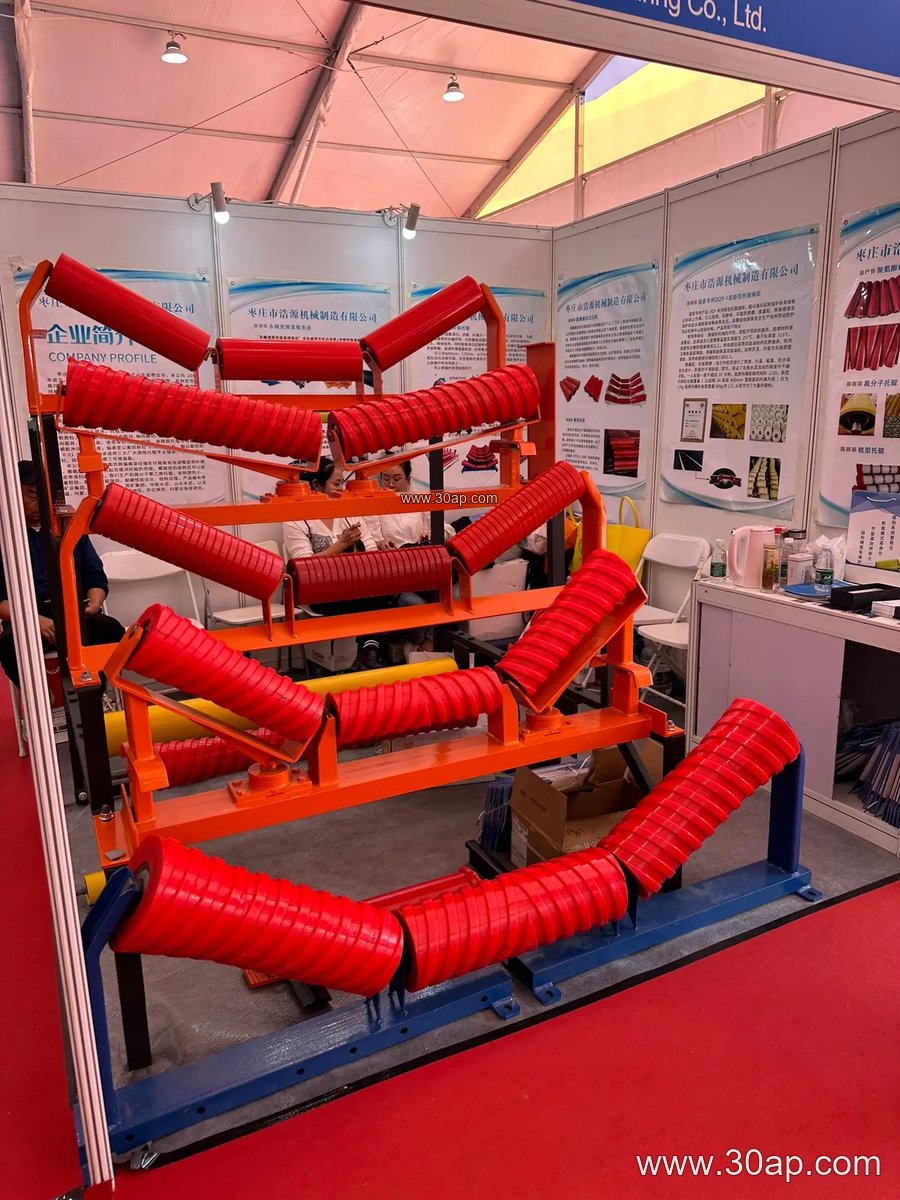
- Compatibility with idler type: The bracket must accept the chosen idler roller—whether a standard steel idler or a rubber-disc impact idler in a crusher discharge area.
Buyers should also verify that the bracket’s mounting holes align with the conveyor frame. Hole spacing varies with belt width and trough angle, so it is not a fixed value.
Maintenance and Long-Term Reliability
Regular inspection of carrying brackets helps prevent belt misalignment and premature idler wear. Check for loose bolts, bent steel, or corrosion, especially in washdown areas or fertilizer handling facilities. In cold climates, ice buildup can affect bracket alignment; cold resistant conveyor belts and appropriate bracket materials may be advisable.
Replacing a worn bracket is straightforward if the mounting pattern is standardized. However, mixing bracket types—such as using a return bracket in a carrying position—can lead to poor belt tracking and reduced component life.
Related Equipment Notes
While the carrying bracket is the focus here, it is part of a broader system that includes the conveyor pulley, idler roller, and conveyor belt. For high-abrasion applications like iron ore or copper ore, abrasion resistant conveyor belts and heavy-duty brackets are often paired. In port and ship loading facilities, wide conveyor belts (e.g., 1800mm or 2000mm) may require specially designed carrying brackets with larger idler diameters such as Ø194.
Understanding the role of the conveyor carrying bracket helps maintenance teams and procurement staff make informed decisions that keep bulk material handling systems running smoothly.