What a Mining Fire Resistant Conveyor Belt Is
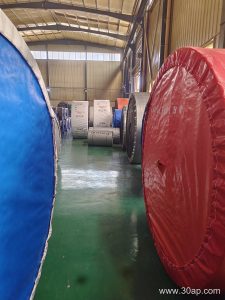
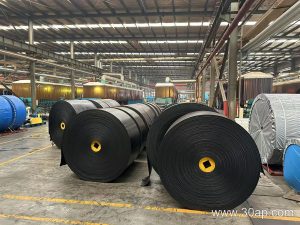
A mining fire resistant conveyor belt is a heavy-duty rubber belt built to carry coal, ore, aggregate and other bulk materials while limiting the risk of flame spread in tunnels, transfer houses and processing plants. It belongs to the flame retardant conveyor belt family, and in day-to-day purchasing it is often called a fire resistant conveyor belt or a mining flame retardant conveyor belt. The three names describe the same product; the fire resistance is a property of the whole belt, not a coating added later.
Because mines combine dust, confined spaces and continuous operation, this belt is usually specified together with anti-static performance. A belt that resists flame but accumulates static charge is not a safe choice underground, so buyers should treat the two requirements as a pair.
How the Belt Is Built
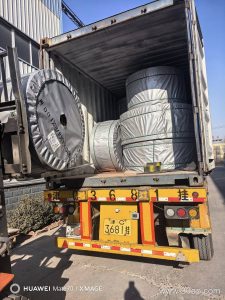
Most mining fire resistant conveyor belts use a fabric core or a steel cord core. Fabric core versions include EP conveyor belt constructions (polyester warp, nylon weft) and NN conveyor belt constructions (nylon warp and weft). A multi-ply fabric core conveyor belt is common in main haulage and panel belts, while a steel cord conveyor belt is chosen for long distances and high tension.
The cover compound is where fire resistance is engineered. Formulations are designed to resist ignition, slow flame propagation and self-extinguish after the ignition source is removed. Cover thickness is usually stated as top plus bottom, for example 4+2 mm or 6+2 mm, and the carcass may have 2 to 6 plies depending on load.
Common construction reference
| Element | Typical options |
|---|---|
| Core type | EP fabric, NN fabric, steel cord, PVG solid woven |
| Strength grades | EP200 to EP2000; ST1000 to ST3150 for steel cord |
| Belt width | B500, B650, B800, B1000, B1200, B1400, B1600, B1800, B2000 |
| Cover thickness | 3+1.5, 4+2, 5+2, 6+2, 8+3 mm |
| Ply count | Commonly 2 to 6 layers in fabric cores |
These figures are reference values. Actual construction is set by the conveyor design, and different manufacturers offer different combinations.
Where It Is Used
The obvious home is underground coal mining, where a fire resistant conveyor belt runs on the main incline, the gateway and the panel conveyor. It also appears in metal mines, cement plants, power plant coal yards, quarries and sand and gravel operations where a flame retardant conveyor belt is required by the site’s fire plan.
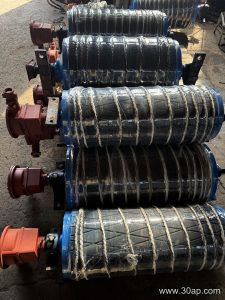
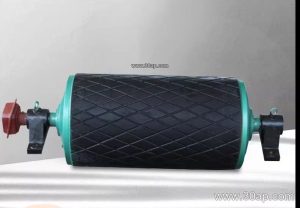
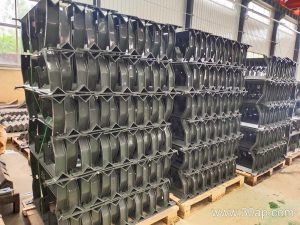
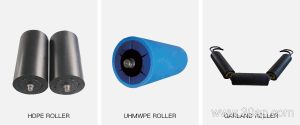
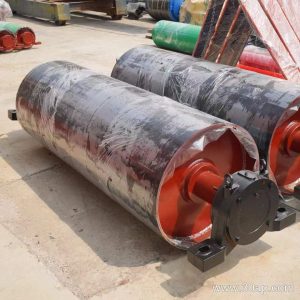
On a typical conveyor, the belt is supported by an idler roller set, trained around a conveyor pulley at the drive and tail, and held by a conveyor bracket and frame. Fire resistance does not remove the need for good alignment: a misaligned belt rubbing on structure is a heat source regardless of compound quality.
Selection Points for Buyers
- Core and strength. Match the belt to the calculated tension. A short panel conveyor may only need an EP200 or EP315 belt, while a long overland run in an iron ore or copper ore operation may call for a steel cord belt such as ST1600 or ST2000.
- Fire and static performance. Ask for the test method and the reported result, not just the phrase fire resistant. The same question applies to anti-static behavior.
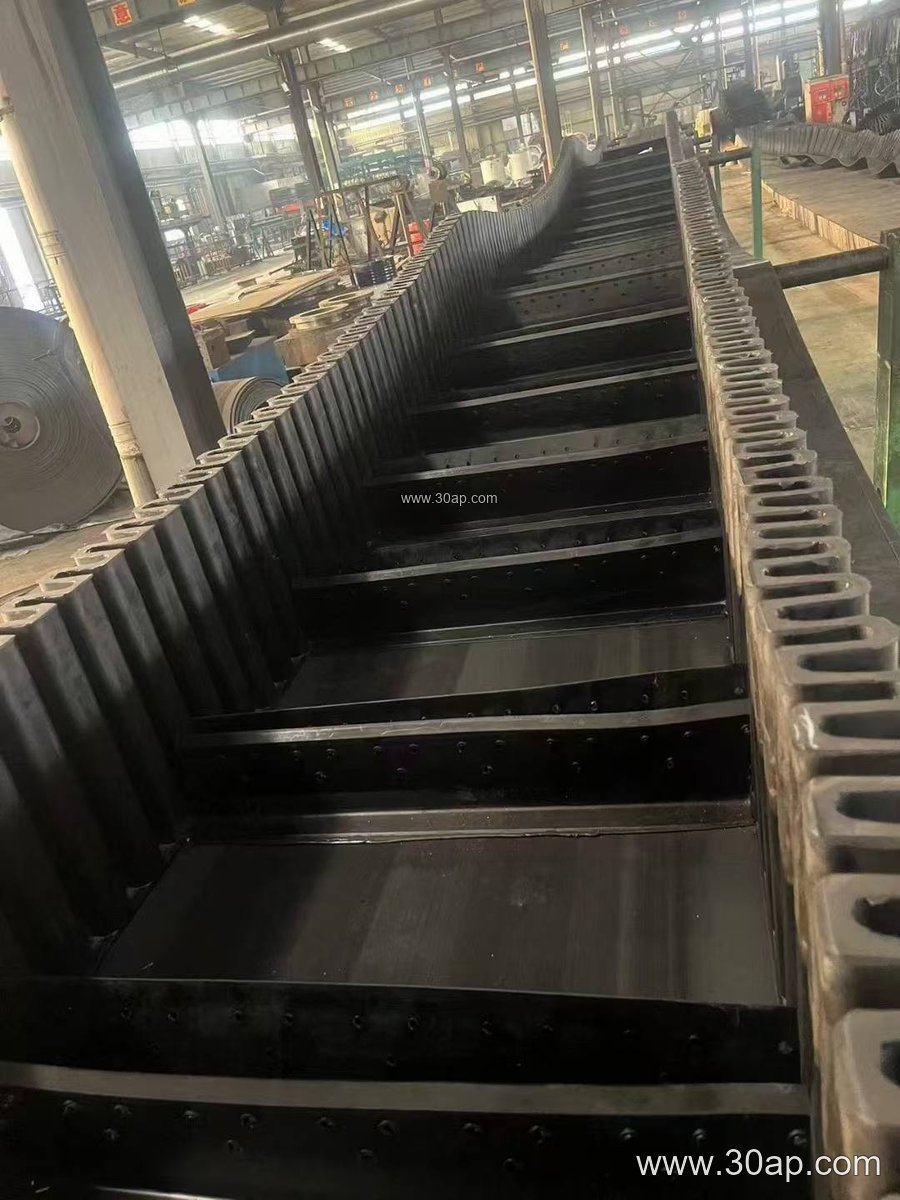
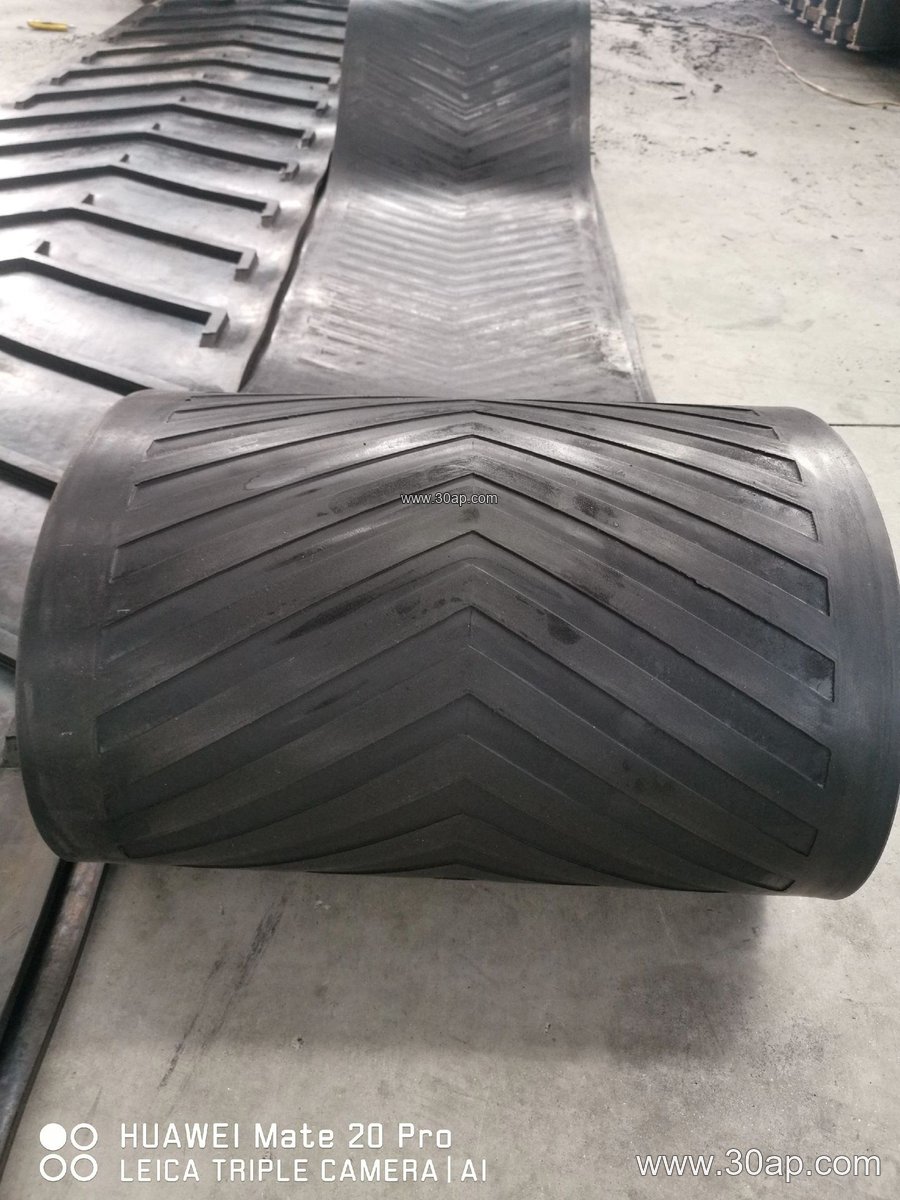
- Abrasion and impact. Coal and rock are abrasive. Where a fire resistant belt also faces sharp lump impact at the transfer point, an abrasion resistant cover or an impact resistant construction helps life. A chevron conveyor belt or a corrugated sidewall belt may be considered on steep inclines, but only as a comparison for the application, not as a substitute for the fire rated belt itself.
- Width and site fit. A 1200mm wide conveyor belt is common on main lines, while narrower B800 or B650 belts suit gate roads and secondary conveyors. The width must match the pulley face and the frame, and no single width dictates one pulley diameter.
- Environment. Cold climates may call for a cold resistant grade, and oily transfer points may need an oil resistant cover, provided the fire performance is still met.
Installation and Maintenance Notes
Store belts away from direct sunlight and ozone sources, and keep them clear of oil and heat. During splicing, follow the belt maker’s step length and cure schedule; a poor splice is a weak point and a potential heat source. Check the conveyor pulley lagging and the idler roller rotation regularly, since a seized roller can rub and heat the belt. Inspect skirt rubber and chute liners so material does not spill and build up against the running belt.
Keep records of cover wear. When the top cover on a Mining Fire Resistant Conveyor Belt wears thin, both abrasion life and fire performance can drop, so plan replacement before the carcass is exposed. For related belt options and technical discussion, see the fire resistant conveyor belt range and the wider mining conveyor belt selection.