What the Ø108 Mining Idler Is
The Ø108 mining idler is a heavy-duty carrying roller with a nominal shell diameter of 108 mm, commonly used in bulk material handling systems. It is a specific size within the broader family of conveyor idlers, and its dimensions make it a practical choice for medium to wide belt conveyors in industries such as quarrying, limestone mining, iron ore processing, and coal preparation. The Ø108 designation refers to the outer diameter of the roller shell, a dimension that influences load capacity, belt support, and the overall geometry of the idler set. This article focuses on the Ø108 mining idler as a product, covering its construction, typical applications, and points to consider when selecting and maintaining it.
Construction and Components
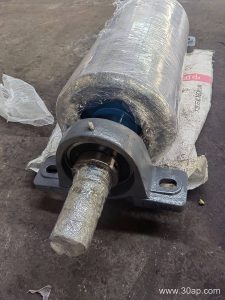
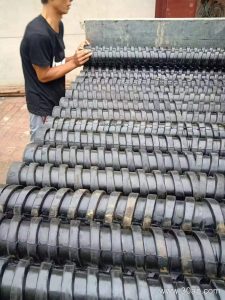
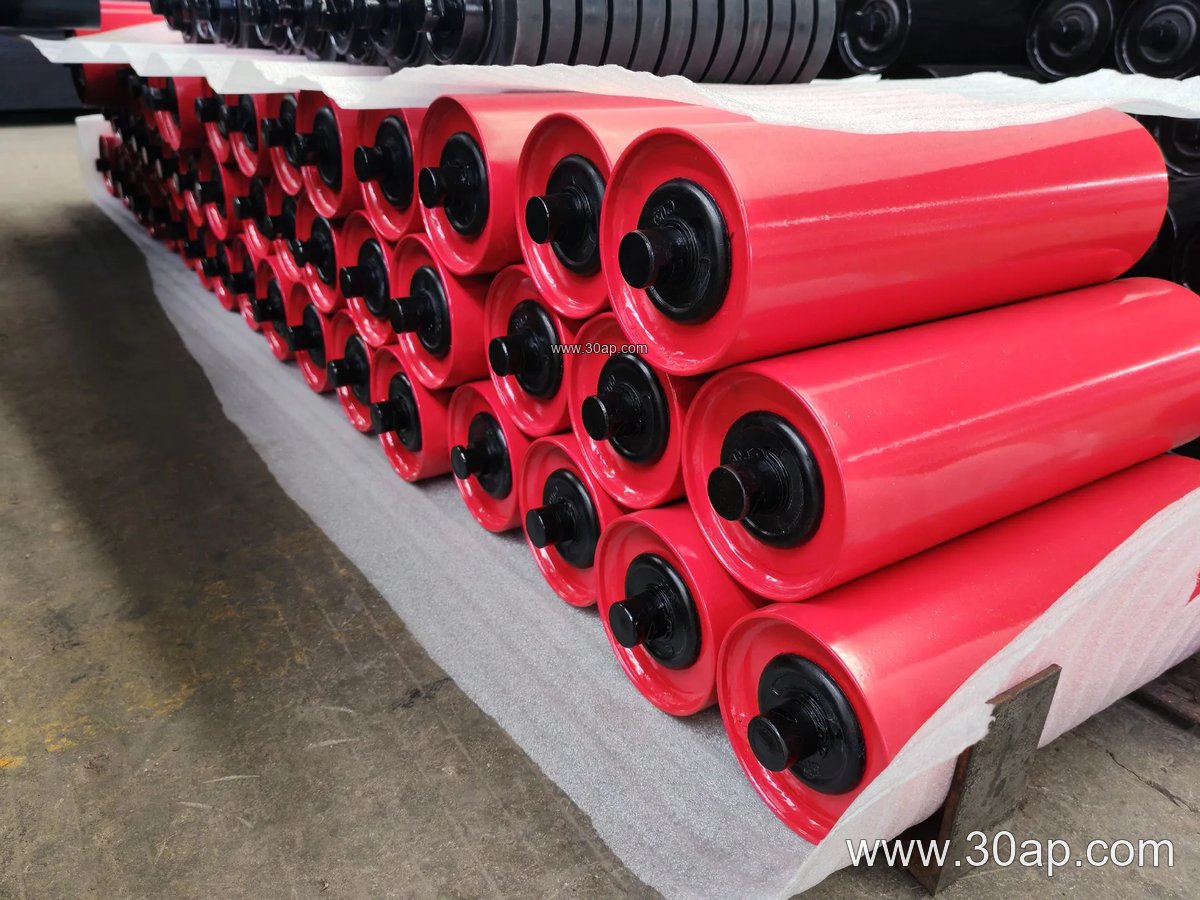
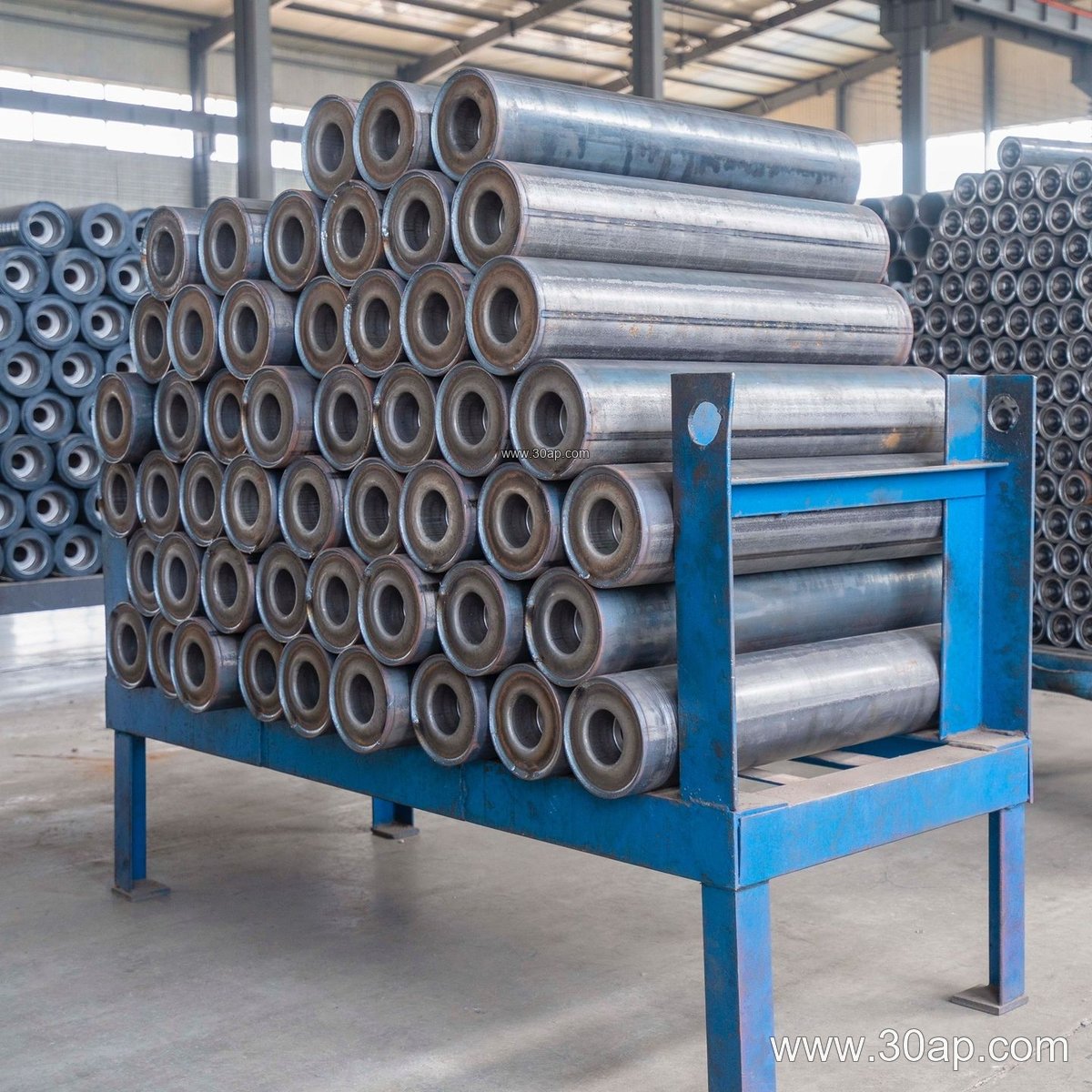
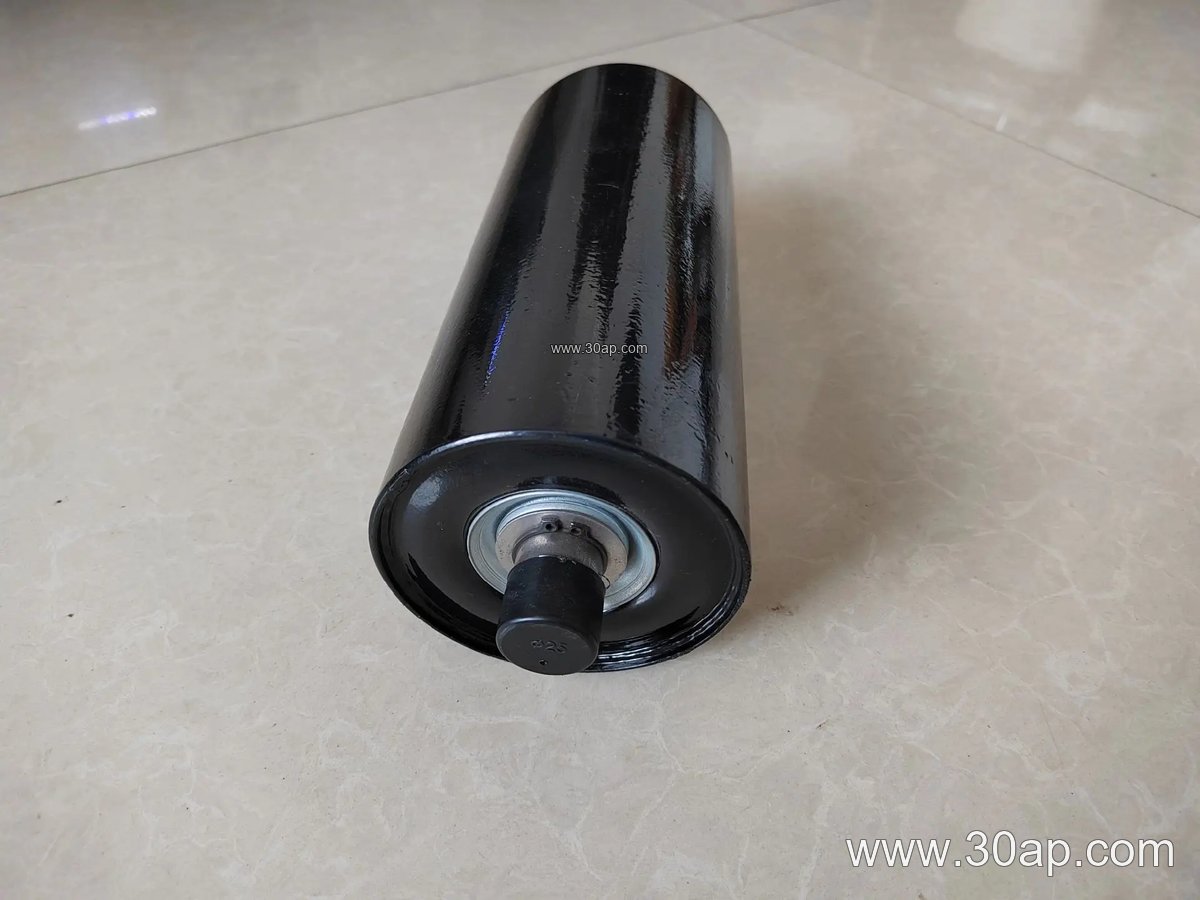
A typical Ø108 mining idler consists of a steel tube shell, bearing housings, a shaft, and sealing arrangements. The shell is often made from seamless or welded steel tube, machined at the ends to accept the bearing assemblies. Inside, deep groove ball bearings are common, with 6205, 6305, or 6306 sizes appearing in many designs; the exact bearing depends on the load rating and the manufacturer’s engineering choices, not on the roller diameter alone. Seals are critical in dusty environments, and many mining idlers use labyrinth or contact seals to keep out fine particles and moisture. The roller surface may be plain steel, or it may feature rubber rings, polyurethane, or ceramic coatings for specific wear or material carry-back conditions. The shaft ends are usually flattened or fitted with a locating feature to sit securely in the conveyor bracket.
Where It Is Used
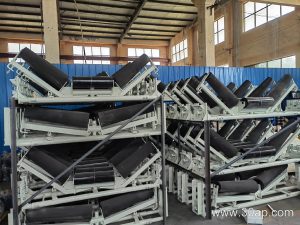
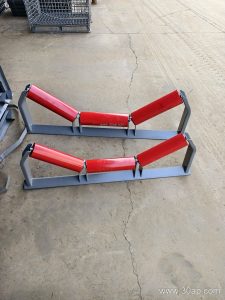
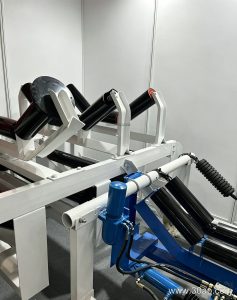
The Ø108 mining idler is frequently found in the carrying side of belt conveyors, particularly in three-roll troughing sets where the belt must be shaped into a trough to contain bulk material. In a limestone quarry or an iron ore concentrator, these idlers support the conveyor belt as it transports crushed rock, ore, or aggregate. They also appear in coal handling systems and power plant coal yards, where reliability and dust resistance matter. While the Ø108 size is not limited to a single belt width, it is often paired with belts in the range of 800 mm to 1400 mm, depending on the trough angle, load, and idler spacing. In addition to carrying idlers, the same diameter may be used in impact idler sets at transfer points, where rubber rings or other cushioning elements absorb the shock of falling material. Return idlers, however, often use a different diameter and profile, such as a flat or V-shaped return roll, and should not be confused with the carrying troughing idler described here.
Key Parameters and Selection Considerations
When specifying a Ø108 mining idler, several parameters interact. The table below lists common reference values; actual dimensions should be confirmed with the manufacturer for a given conveyor design.
| Parameter | Common Reference | Notes |
|---|---|---|
| Nominal roller diameter | 108 mm | Outer shell diameter |
| Belt width examples | B800, B1000, B1200, B1400 | Not a fixed pairing; depends on trough angle and load |
| Trough angle | 20°, 30°, 35°, 45° | Affects material containment and belt stress |
| Roller length (three-roll set) | Approx. 315 mm for B800, 380 mm for B1000, 465 mm for B1200, 530 mm for B1400 | Side and center rolls may differ; values are examples only |
| Bearing sizes | 6205, 6305, 6306 | Selected by load rating, not by diameter alone |
| Shell material | Steel tube | May be coated or fitted with rubber rings |
Buyers should consider the operating environment. In a quarry or aggregate line, abrasion and dust are primary concerns, so seals and shell wear resistance deserve attention. In a coal preparation plant, flame retardant and anti-static properties may be required for the conveyor belt and related components, although the idler itself is typically steel. The idler must also match the conveyor bracket dimensions and the shaft end configuration. Idler spacing is another factor: too wide a spacing can cause belt sag and premature wear, while too narrow a spacing increases cost and maintenance. The Ø108 mining idler is one option among several diameters, and it should be selected based on load calculations and belt tension, not simply copied from another installation.
Maintenance and Buyer Checklist
Routine inspection of idlers helps prevent belt damage and downtime. Listen for unusual noise, check for seized rollers, and look for material buildup on the shell. In dusty operations such as a cement plant or a sand and gravel line, sealing effectiveness is a common failure point. When replacing idlers, verify the shaft diameter, mounting dimensions, and roller length against the original specification. Avoid mixing idler types arbitrarily; for example, a training idler or a transition idler serves a different function from a standard carrying idler and should not be substituted without engineering review. Finally, remember that the conveyor belt, pulley, and idler work as a system. A well-matched Ø108 mining idler contributes to smooth belt travel and extended component life in demanding bulk handling environments.