What Is a Conveyor Support Bracket?
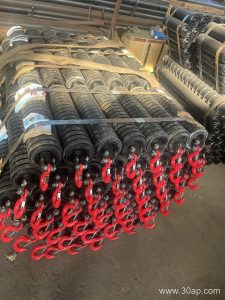
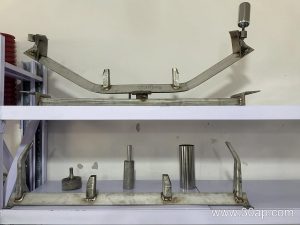
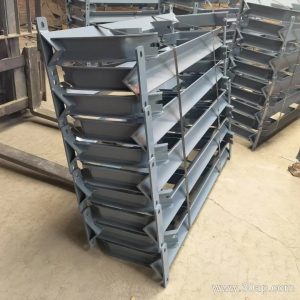
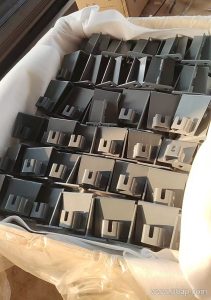
A conveyor support bracket is the structural component that holds the idler roller in place along the conveyor frame. It connects the roller shaft to the main steel structure, maintaining the correct belt line and trough angle. Without a sturdy bracket, the conveyor belt would sag, misalign, and wear prematurely. In mining, coal preparation plants, cement works, and power station coal yards, these brackets are essential for keeping bulk material moving efficiently.
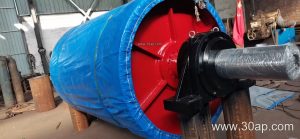
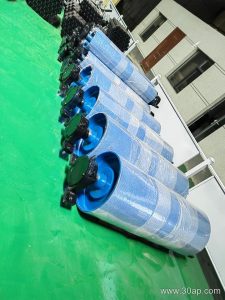
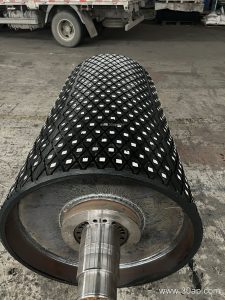
Often called a conveyor bracket or idler support bracket, this part is distinct from the conveyor pulley (drive, tail, or bend pulley), which transmits power or changes belt direction. The bracket simply supports the rollers that carry the belt.
Construction and Materials
Most conveyor support brackets are fabricated from angle steel, channel steel, or folded steel plate. The choice depends on load and environment. For heavy-duty mining conveyor belts carrying iron ore or coal, thicker channel steel is common. In dusty cement plants, galvanized or painted finishes help resist corrosion.
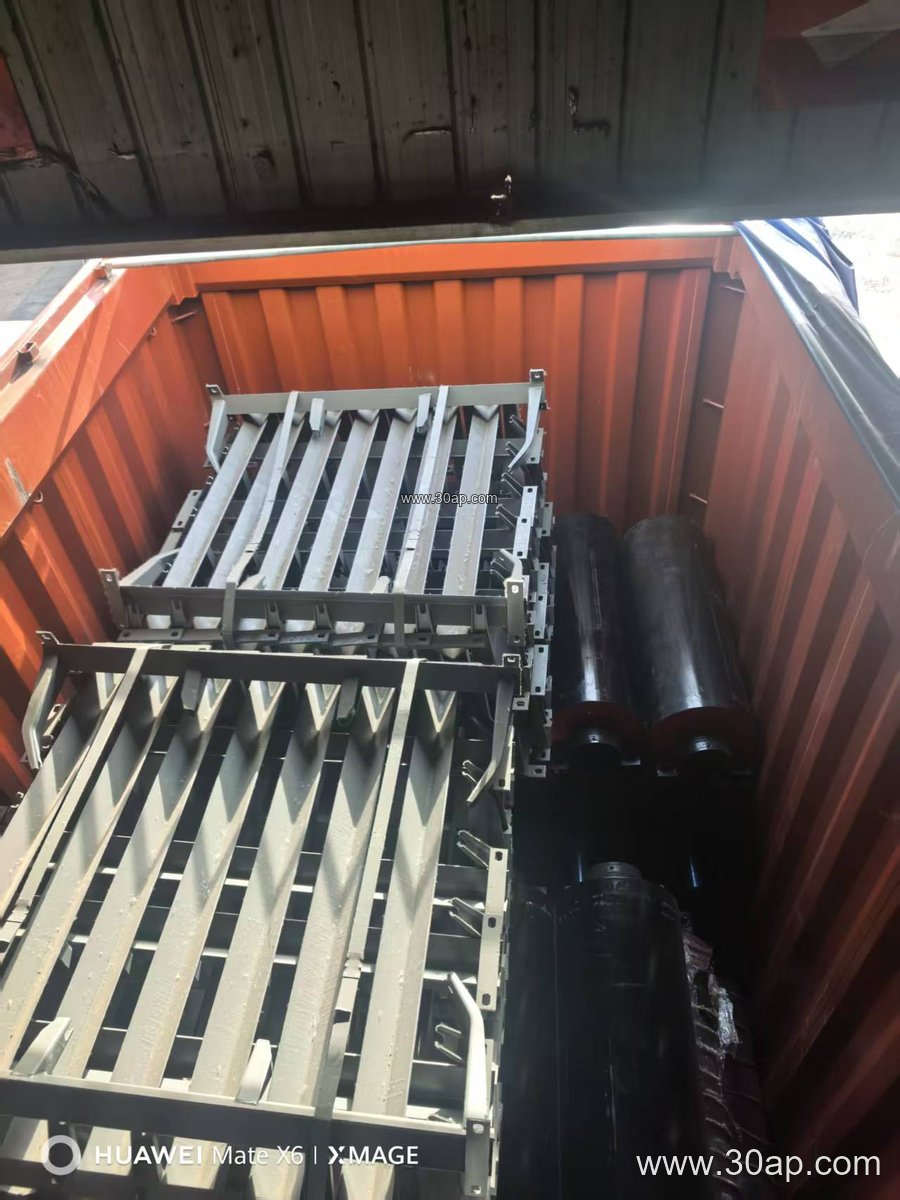
Key features include:
- Slotted or fixed mounting holes for precise roller alignment
- Reinforced gussets at stress points
- Adjustable versions that allow trough angle changes from 20° to 45°
Typical roller diameters matched to these brackets include Ø89, Ø108, Ø133, Ø159, and Ø194 mm. The bracket design must accommodate the chosen roller shaft without play.
Types and Applications
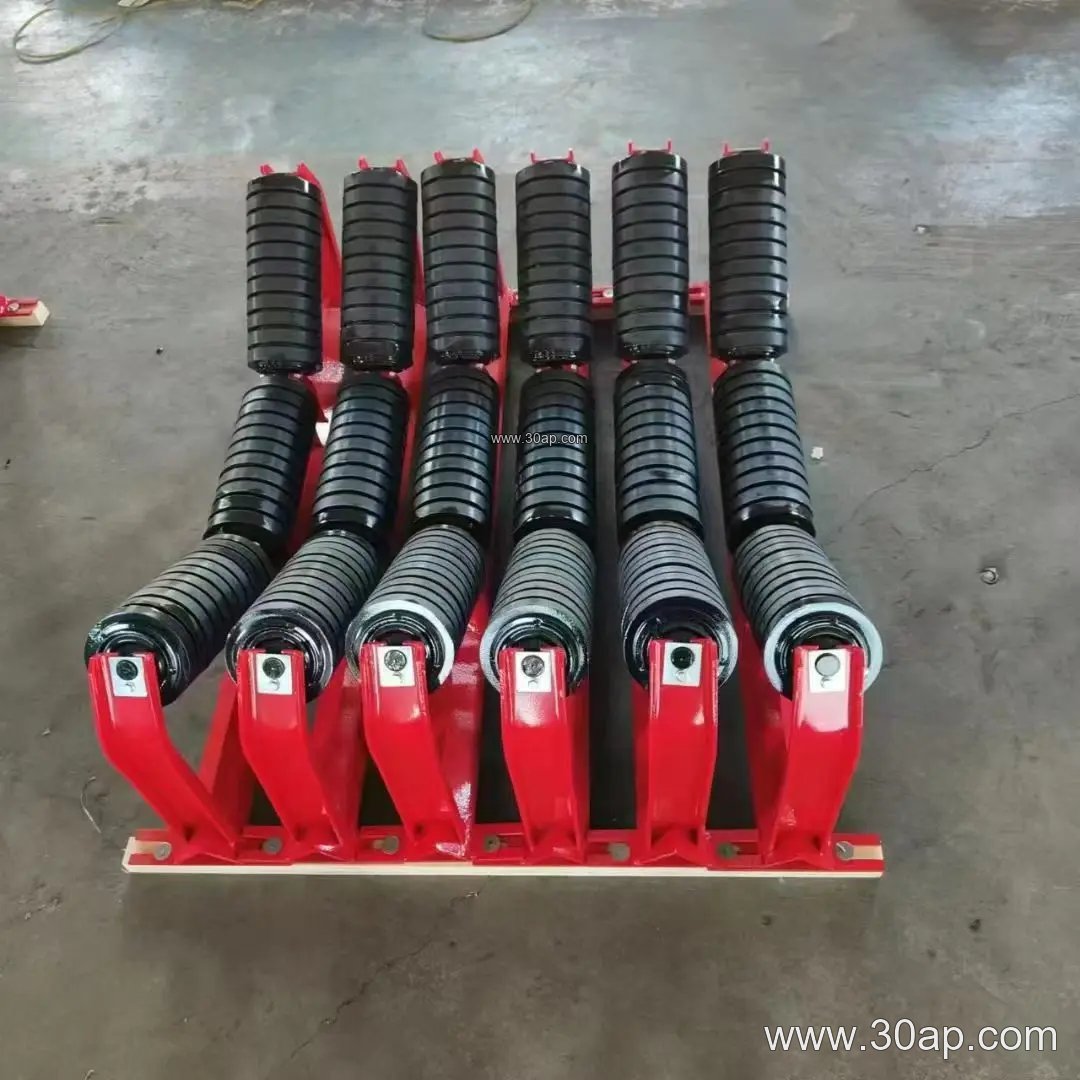
Different positions on the conveyor require different bracket types. Troughing brackets (upper trough brackets) hold three rollers in a trough shape, with common trough angles of 20°, 30°, 35°, and 45°. Return brackets support the belt on the return run, often as flat or V-return designs. Impact brackets with rubber cushions absorb shock at transfer points, while self-aligning brackets help correct belt tracking.
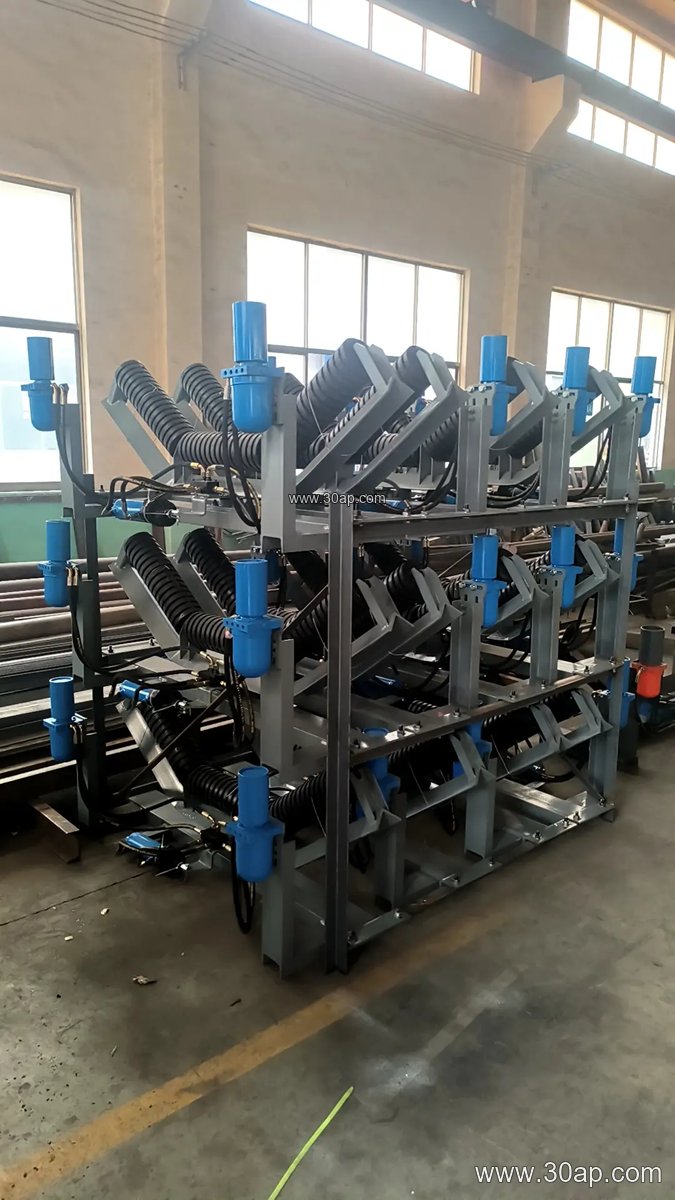
Adjustable brackets let maintenance teams fine-tune the trough angle or belt training without replacing the whole assembly. Fixed brackets are simpler and common in stable, well-aligned installations.
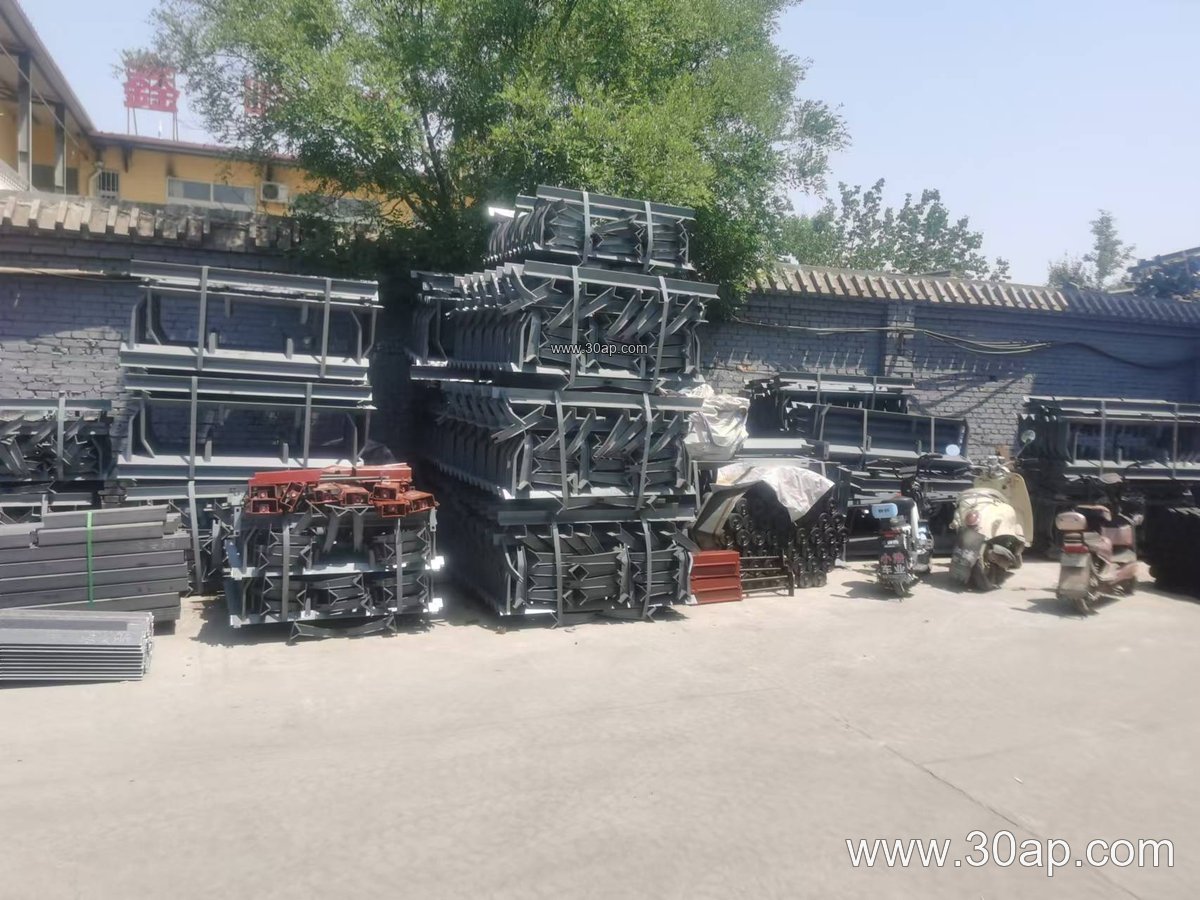
Applications vary widely. In a quarry or sand and gravel line, troughing brackets with 35° angle and Ø108 rollers are frequent. In a coal mining conveyor system, flame retardant conveyor belt and anti-static conveyor belt run over heavy-duty brackets that resist dust and impact. Cement plants use abrasion resistant conveyor belt on brackets that endure constant grit. Power plants handling coal rely on sturdy brackets to keep the conveyor pulley and idler roller aligned.
Selection and Sizing Notes
Belt width and roller diameter guide bracket selection, but they are not rigidly linked. A B800 belt might use Ø108 or Ø133 rollers depending on load and speed. Common belt widths include B500, B650, B800, B1000, B1200, B1400, B1600, B1800, B2000, B2200. Installation hole spacing and crossbeam length change with belt width and trough angle, so always confirm dimensions with the conveyor frame design.
For reference, the table below shows typical combinations, but these are examples only—not mandatory pairings.
| Belt Width (mm) | Typical Trough Angle | Common Roller Diameter (mm) | Bracket Type |
|---|---|---|---|
| B500 | 20°–30° | Ø89 | Troughing |
| B650 | 30° | Ø89–Ø108 | Troughing / Return |
| B800 | 35° | Ø108 | Troughing / Impact |
| B1000 | 35°–45° | Ø133 | Troughing / Self-aligning |
| B1200 | 45° | Ø133–Ø159 | Troughing / Adjustable |
| B1400 | 35°–45° | Ø159 | Troughing / Return |
| B1600 | 45° | Ø159–Ø194 | Heavy-duty troughing |
| B1800 | 45° | Ø194 | Heavy-duty troughing |
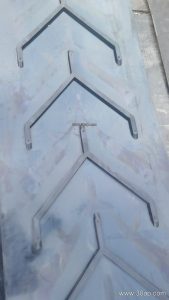
Buyers should specify the belt width, expected load, roller diameter, trough angle, and mounting hole pattern. Mentioning the conveyor belt type—such as EP conveyor belt, steel cord conveyor belt, or chevron conveyor belt—helps the supplier recommend a compatible bracket. For abrasive materials like iron ore or copper ore, consider reinforced brackets and abrasion resistant conveyor belt. For food or grain handling, smooth, cleanable brackets may be preferred.
Maintenance and Buyer Tips
Regular inspection of conveyor support brackets is simple but vital. Check for bent or cracked steel, loose bolts, and worn mounting holes. Replace damaged brackets promptly to avoid roller misalignment, which can damage the conveyor belt and idler roller. In coal mining or underground mining environments, ensure brackets are compatible with flame retardant conveyor belt and anti-static conveyor belt requirements.
When ordering, provide a sketch or photo of the existing bracket and note the belt width (e.g., B1000), roller diameter (e.g., Ø133), and desired trough angle (e.g., 35°). Avoid assuming that one bracket size fits all; the conveyor frame design dictates the exact hole spacing and crossbeam length.
For more information on conveyor components, visit conveyor bracket or explore our selection of conveyor pulley and idler roller options. A well-chosen bracket keeps your conveyor belt running true, reduces downtime, and extends the life of the entire system.