What a 1250mm Diameter Conveyor Pulley Is
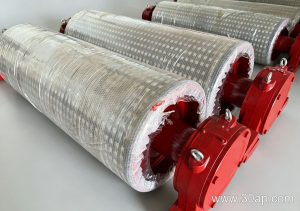
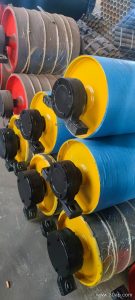
A 1250mm diameter conveyor pulley is a large-diameter drum used to drive, tension, or redirect a conveyor belt in demanding bulk handling operations. At this size, the pulley is typically found in high-capacity systems where belt tensions are substantial and the pulley must transmit considerable torque. While drive, tail, and bend pulleys serve distinct functions, the 1250mm diameter size can appear in any of these positions depending on the conveyor design. This article focuses on the 1250mm diameter conveyor pulley as a product, exploring its construction, applications, and selection considerations.
Construction and Key Components
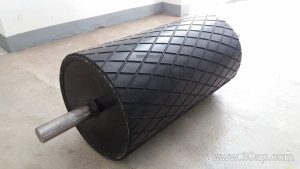
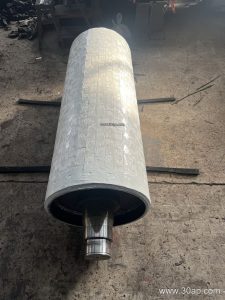
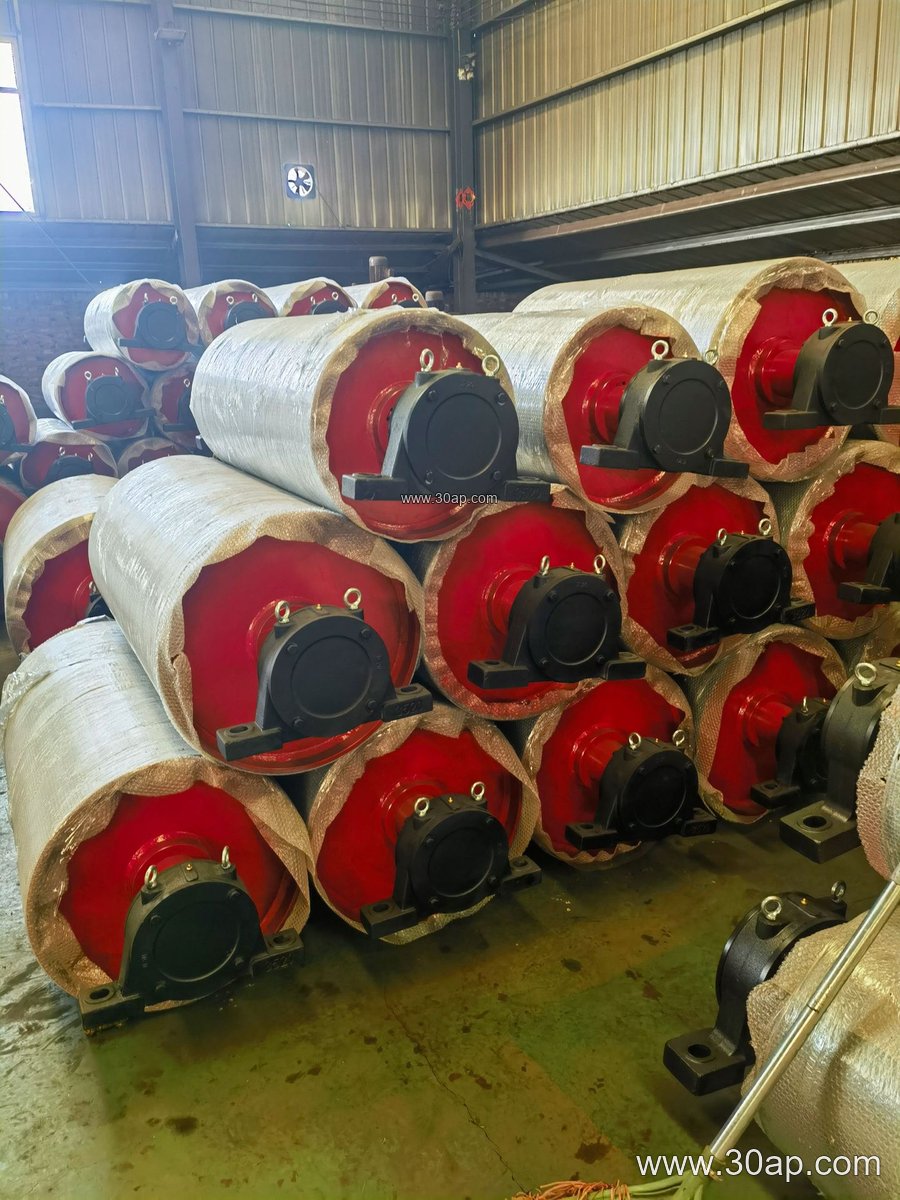
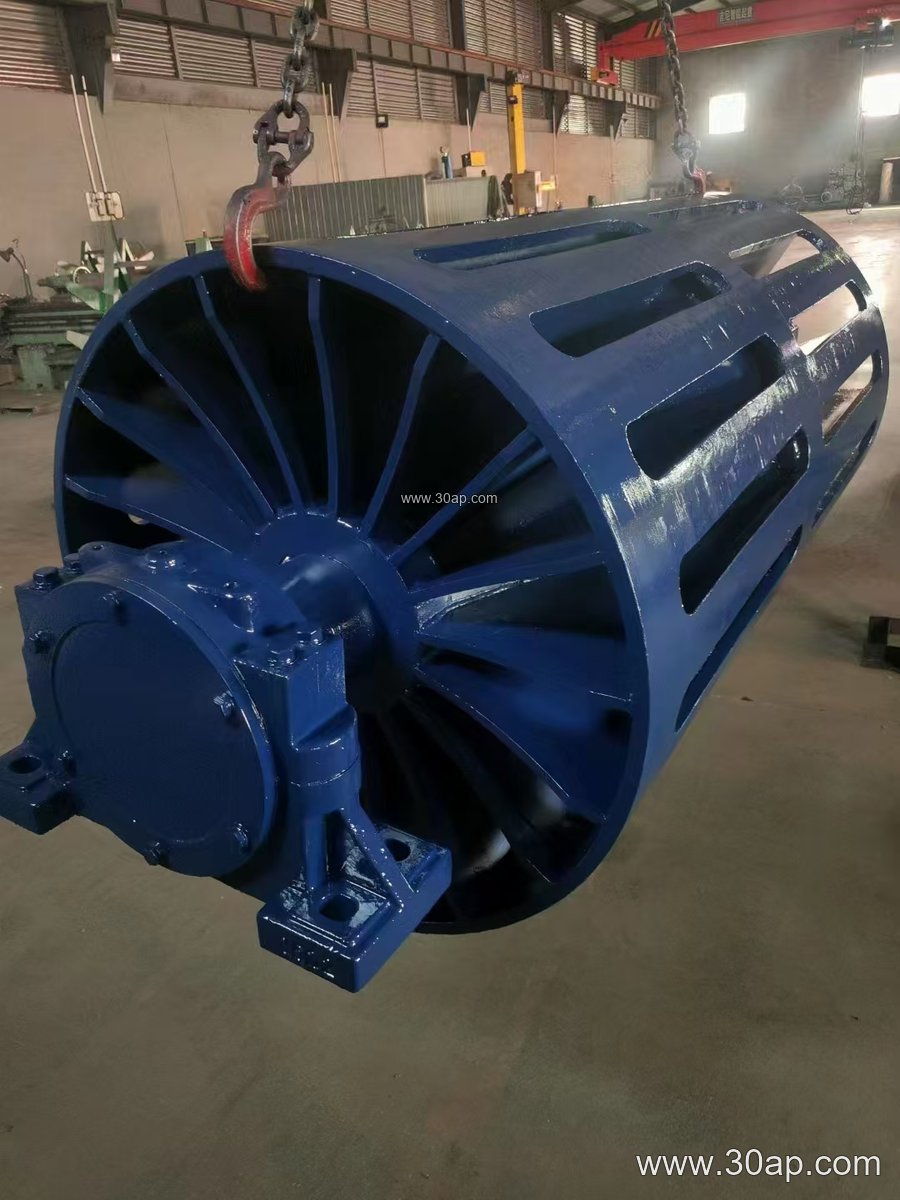
A pulley of this diameter is built around a robust cylindrical shell, usually made from rolled steel plate. The shell is welded to end discs and a central hub, which is bored to accept the shaft. Common shaft diameters for such a pulley range from Ø160 to Ø200, though the final size is determined by torque and load calculations, not by belt width alone. The pulley is often supplied with a lagging surface to improve grip and protect the belt. Lagging options include plain rubber, diamond pattern, chevron pattern, or ceramic tiles, with thicknesses commonly 8, 10, 12, 15, or 20 mm. The pulley face width is typically wider than the belt; for example, a 1400mm face might suit a 1200mm wide belt, but this is a design choice rather than a fixed rule.
Where It Fits in a Conveyor System
In a quarry or aggregate plant, a 1250mm diameter pulley often serves as the head drive pulley on the main line, handling high belt tensions from a long overland conveyor. It may also act as a tail pulley on a secondary crusher feed belt, where impact and abrasion are concerns. In a coal preparation plant, this size might be used as a tension pulley on a heavy-duty inclined conveyor. The large diameter helps reduce bending stress on the belt and allows the use of thicker, stiffer belts such as steel cord or high-abrasion rubber. Whether in a cement plant clinker line or a port bulk terminal, the 1250mm diameter pulley is chosen when belt width and tension demand a robust, low-flexure solution.
Matching the Pulley to the Belt
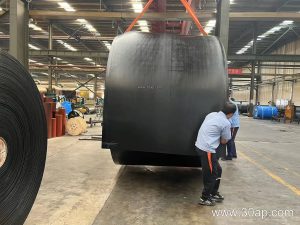
Selecting a 1250mm diameter pulley involves more than picking a size. The belt type matters: a steel cord conveyor belt may require a larger diameter to avoid excessive cord stress, while a fabric core belt such as EP or NN may tolerate a smaller diameter. For a 1200mm wide EP conveyor belt, a 1250mm diameter pulley is a common combination, but a 1400mm wide belt might also use the same diameter if tension allows. The pulley face width should exceed the belt width by roughly 100 to 200 mm, so a 1250mm face could pair with a 1000mm or 1200mm belt. Always confirm the shaft diameter through torque calculations; typical shaft sizes for this pulley range from Ø120 to Ø200, but the final value depends on the drive arrangement and load.
Surface Options and Lagging
Lagging on a 1250mm diameter conveyor pulley is selected based on the duty. Rubber lagging (plain, diamond, or chevron) improves friction between pulley and belt, reducing slip in wet or dusty conditions. Ceramic lagging offers superior wear resistance in abrasive environments such as iron ore or copper ore handling. The lagging thickness is often 10mm or 12mm for general use, while 15mm or 20mm may be specified for high-torque drives. For flame retardant conveyor belts in underground coal mining, the lagging material should also be fire resistant to maintain safety standards. The pulley surface can be smooth (unlagged) for non-drive positions like bend pulleys, where belt tracking is the main concern.
Installation and Maintenance Notes
Proper alignment is critical for a pulley of this size. The pulley should be mounted square to the conveyor centerline, and the shaft should be supported by self-aligning bearings. Regular inspection of lagging wear, shaft condition, and locking elements helps prevent unplanned downtime. In dusty operations like a limestone quarry or a sand making plant, keep the pulley surface clean to maintain friction. Lubricate bearings according to the manufacturer’s schedule, and check for belt tracking issues that could indicate misalignment. When replacing a 1250mm diameter pulley, verify the shaft diameter, keyway, and bearing centers match the original design to avoid costly modifications.
Buyer’s Checklist
- Confirm the pulley’s position (drive, tail, bend, or tension) and the required lagging type.
- Specify the belt width and type (e.g., EP1000, ST1250, or flame retardant) so the pulley face and diameter can be matched.
- Provide the calculated shaft diameter and torque requirements; do not assume a shaft size from belt width alone.
- Decide on lagging thickness and pattern based on material abrasiveness and environmental conditions.
- Check that the pulley diameter suits the belt’s minimum bend radius to avoid premature belt fatigue.
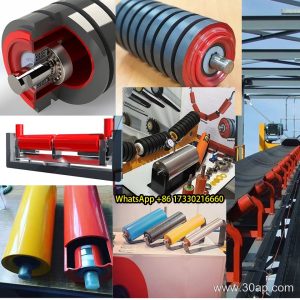
For more information on conveyor pulleys and related components, visit our site at www.example.com/conveyor-pulley or explore our range of conveyor belts and idler rollers.