What a Plastic Idler Is and Where It Fits
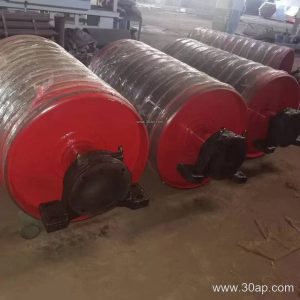
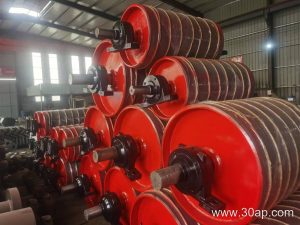
A plastic idler is a conveyor roller whose outer shell and often end caps are made from engineering polymers rather than steel. It sits under the belt on the carrying or return side, supporting the load and keeping the belt tracking smoothly. In a quarry, limestone mine, or aggregate line, you will often see these lightweight rollers on secondary conveyors where corrosion or belt wear is a concern. They are not a replacement for drive pulleys, tail pulleys, or bend pulleys — those are separate components that transmit power and change belt direction. A plastic idler simply carries the belt between those key points.
Because the body is non-metallic, a plastic idler can reduce weight on the conveyor bracket and resist rust in wet or chemical-laden environments. It works alongside the conveyor belt and conveyor pulley to keep material moving from crusher to screen without unnecessary stoppages.
Construction and Common Configurations
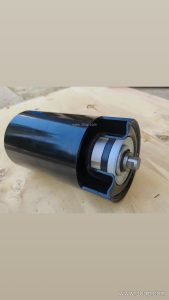
Most plastic idlers use a polymer tube — often UHMWPE or reinforced nylon — fitted with sealed bearings and polymer end caps. The shaft may be steel or stainless steel, depending on the duty. Roller diameters commonly range from Ø63 to Ø159 for plastic designs, though larger sizes exist for special applications. Bearing sizes such as 6204, 6205, 6305, and 6308 are typical, but the bearing should be selected by load and speed, not by roller diameter alone.
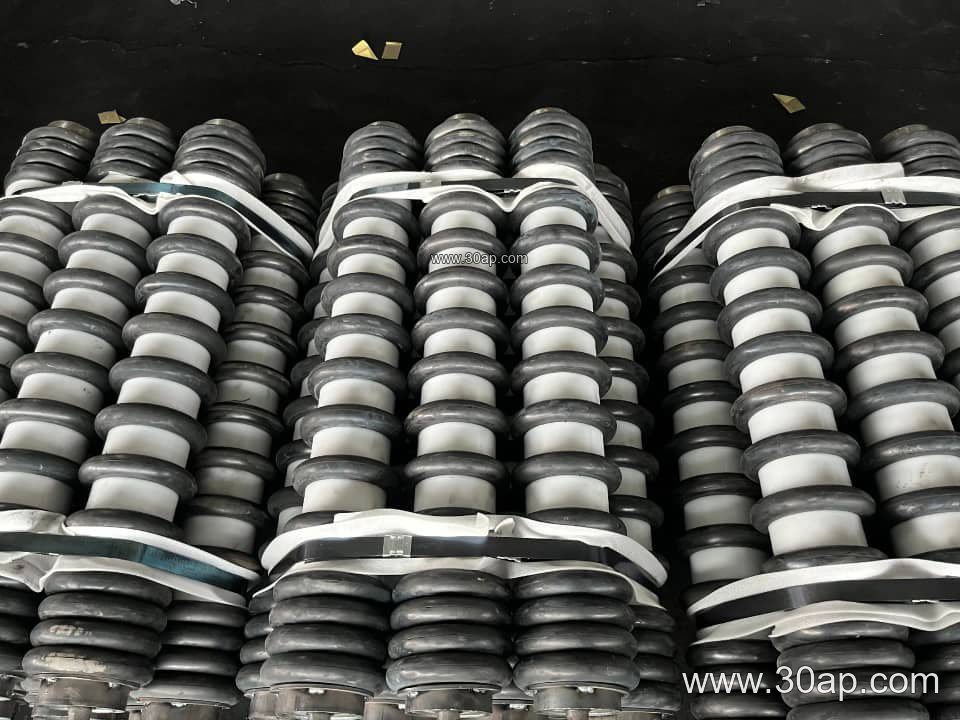
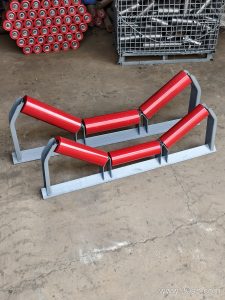
Plastic idlers appear in several arrangements. Troughing sets with two or three rolls support the loaded belt; return rollers run under the empty side. For comparison, a steel troughing idler may be chosen in heavy primary crushing, while a plastic version suits lighter or corrosive duty. A V-return or flat return plastic idler helps guide the belt on the return strand. The table below gives common reference dimensions — these are examples, not fixed matches.
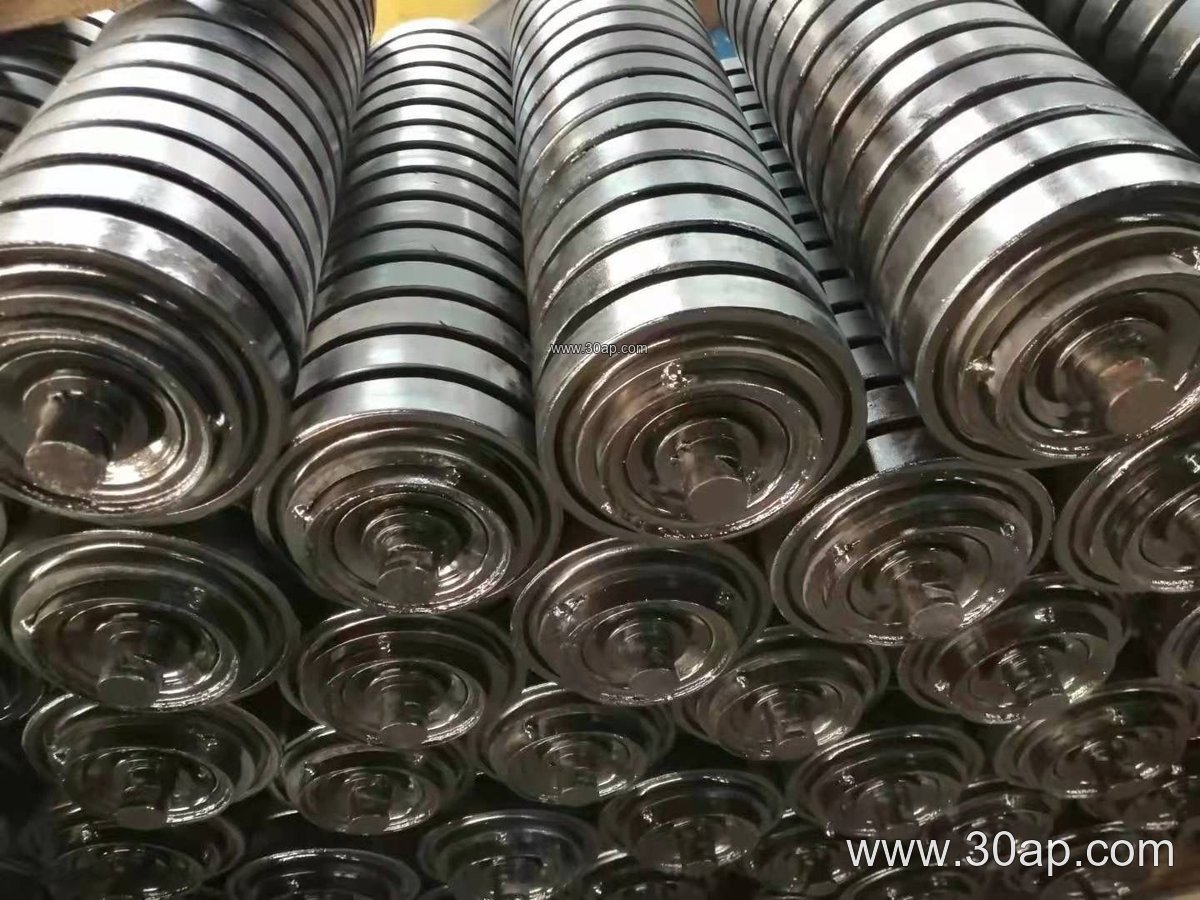
| Belt Width (mm) | Typical Roller Length for 3-Roll Troughing (mm) | Common Roller Diameter (mm) |
|---|---|---|
| B500 | 200 | Ø63–Ø89 |
| B650 | 250 | Ø76–Ø102 |
| B800 | 315 | Ø89–Ø108 |
| B1000 | 380 | Ø102–Ø127 |
| B1200 | 465 | Ø108–Ø133 |
| B1400 | 530 | Ø127–Ø159 |
| B1600 | 600 | Ø133–Ø178 |
Side rollers and center rollers can differ in length, and trough angles of 20, 30, 35, or 45 degrees change the belt profile. A forward tilt of about 1.5 to 2 degrees is sometimes used on training idlers, but this is a design choice, not a universal rule.
Applications Across Industries
Plastic idlers are common in sand and gravel plants, cement plants, and fertilizer handling where moisture or fine dust attacks steel components. They also appear in light-duty sections of power plant coal handling and in recycling lines where belt speed is moderate. In a tunnel mucking operation, a plastic return idler can reduce weight for easier installation in confined spaces. For heavier duty, such as primary iron ore or copper ore conveying, a steel idler or a reinforced plastic design may be more appropriate. The choice depends on load, belt speed, and environment — not on a single rule.
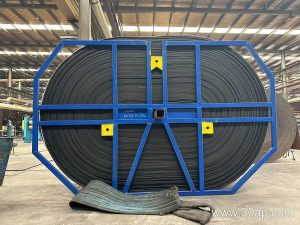
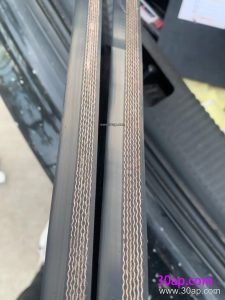
When specifying, consider the conveyor belt type as well. An abrasion resistant conveyor belt or a heat resistant conveyor belt may need a different idler spacing than a standard EP conveyor belt. A flame retardant conveyor belt in an underground coal mine often pairs with anti-static idlers, and plastic versions can be formulated for that purpose. Always confirm compatibility with the belt manufacturer and the conveyor designer.
Selection and Maintenance Notes
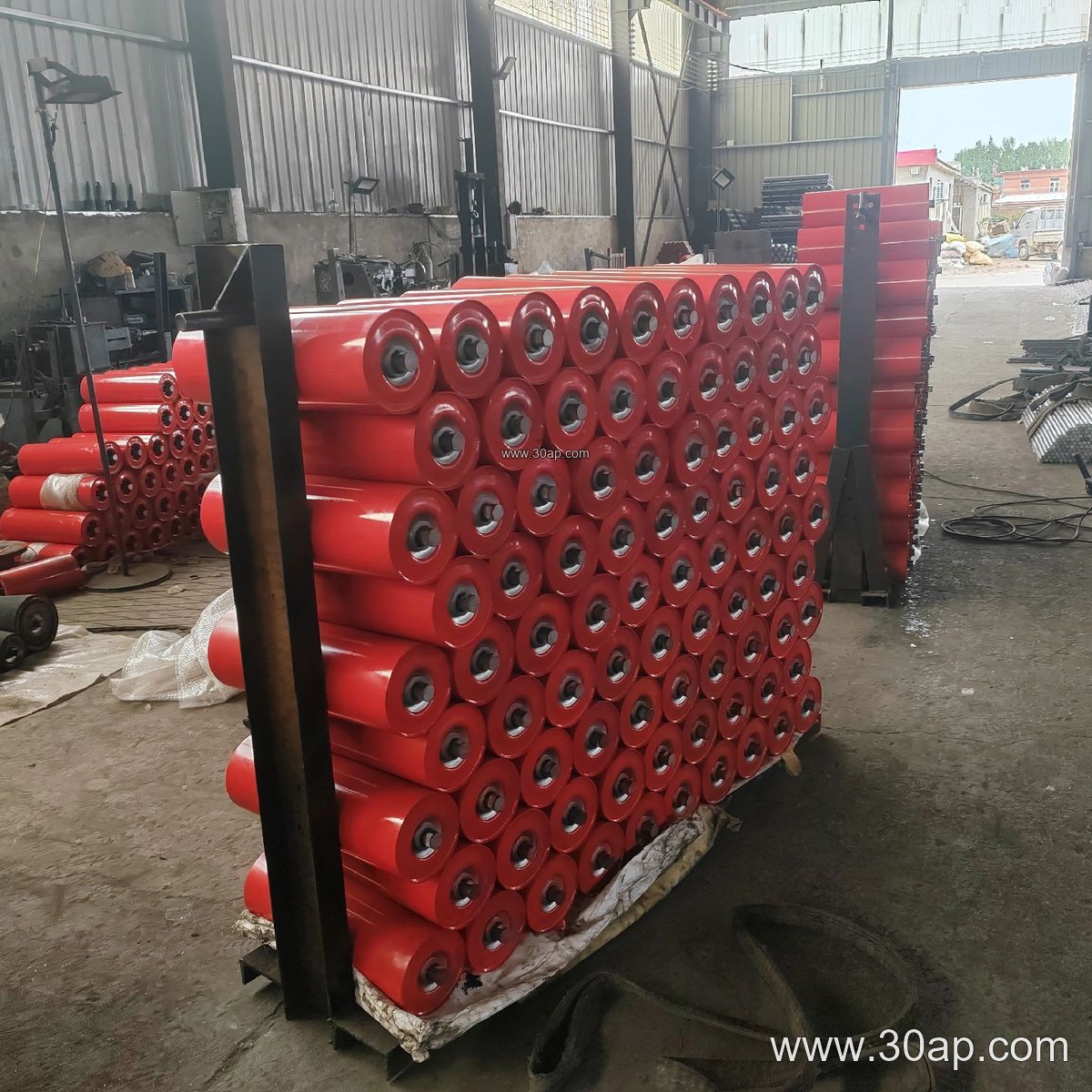
Buyers should check the shaft diameter, bearing seal type, and roller wall thickness for the intended load. Plastic idlers are not automatically interchangeable with steel ones — mounting brackets and shaft ends must match. In a cement plant or a quarry, keep spare rollers on hand; a failed idler can damage the conveyor belt quickly. Inspect for worn shells, noisy bearings, and belt misalignment. Replace any idler that no longer spins freely.
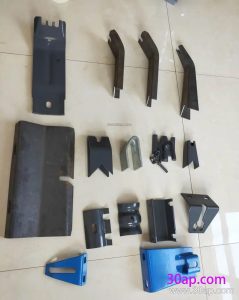
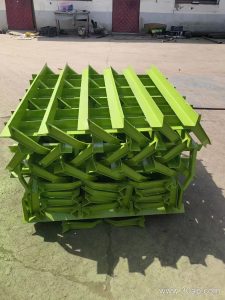
For more information on conveyor components, visit our site at plastic idler and conveyor pulley pages. Our range also includes conveyor bracket options and idler roller variants to suit different belt widths and trough angles.
In summary, a plastic idler is a lightweight, corrosion-resistant roller for supporting a conveyor belt. Match it to the belt width, load, and environment, and remember that drive, tail, and bend pulleys serve different functions. Use common sizes as a starting point, then verify with your conveyor design.