What a High Impact Resistant Idler Does
A high impact resistant idler is a conveyor roller built to absorb the shock of heavy, lumpy material dropping onto the belt at transfer points. In quarry, aggregate, and ore handling lines, the loading zone takes a beating that ordinary carrying idlers cannot survive for long. This impact-resistant roller is usually installed as a buffer idler directly under the skirted area where material hits the conveyor belt, protecting both the belt and the idler frame from premature failure.
The product is also known as an impact conveyor roller or shock-absorbing idler. It belongs to the buffer idler family and should not be confused with standard troughing idlers, return rollers, or self-aligning idlers, which serve different positions along the conveyor.
How the Impact Idler Is Built
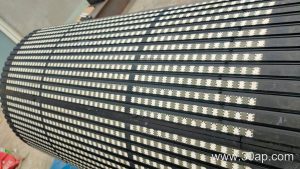
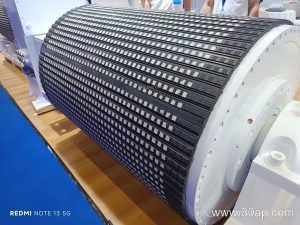
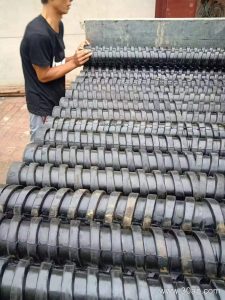
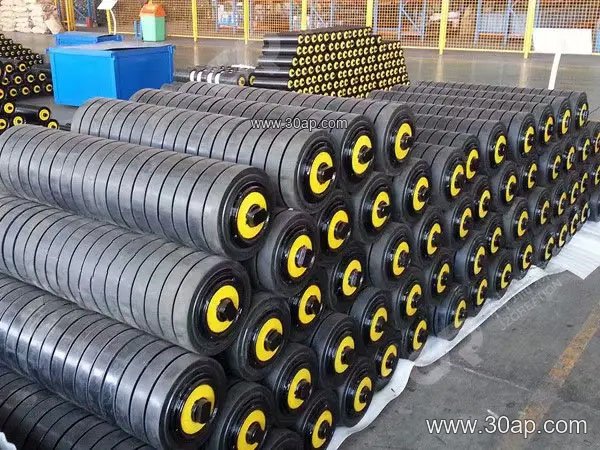
The distinguishing feature is the rubber ring or rubber disc assembly wrapped around the roller shell. These rubber rings are spaced along the shaft and compress under load, spreading the force of falling rock, ore, or clinker. The roller body itself is typically a steel tube, and the rubber rings may be natural rubber or a blended compound selected for cut and wear resistance. Bearings are mounted in sealed housings at each end, with common bearing sizes including 6205, 6305, 6306, and 6308 depending on load and shaft design.
Typical roller diameters for buffer service range from Ø89 to Ø159, with larger diameters used where lump size and drop height are significant. The roller length follows the belt width and troughing arrangement; for example, a three-roll troughing set on a B1000 belt often uses rolls around 380 mm long, while a B1400 set may use approximately 530 mm rolls. These are common reference values, not fixed rules, and side rolls can differ from center rolls.
Where It Fits on the Conveyor
Impact idlers are placed at the receiving point, usually just after the feed chute and before the first standard troughing idler. In a stone crushing plant, the crusher discharge onto the belt is a classic location. In a coal handling system at a power plant or a cement plant, the transfer tower discharge is another. The buffer idler works together with the conveyor belt, the conveyor bracket, and sometimes a conveyor pulley at the head or tail to keep material moving without damaging the belt cover.
Rubber conveyor belts, EP conveyor belts, and steel cord conveyor belts all benefit from a well-placed impact zone, but the idler choice should match the belt width, load, and material size. A high abrasion resistant conveyor belt may tolerate sliding wear, yet the impact idler still protects against punctures and edge damage from large lumps.
Choosing the Right Buffer Idler
Buyers should consider the belt width, the maximum lump size, the drop height, and the material weight per meter. A three-roll troughing set with 30-degree or 35-degree trough angle is common for bulk material, while 45-degree sets are used where material containment is critical. The idler spacing at the impact zone is often tighter than in normal carrying sections to distribute shock.
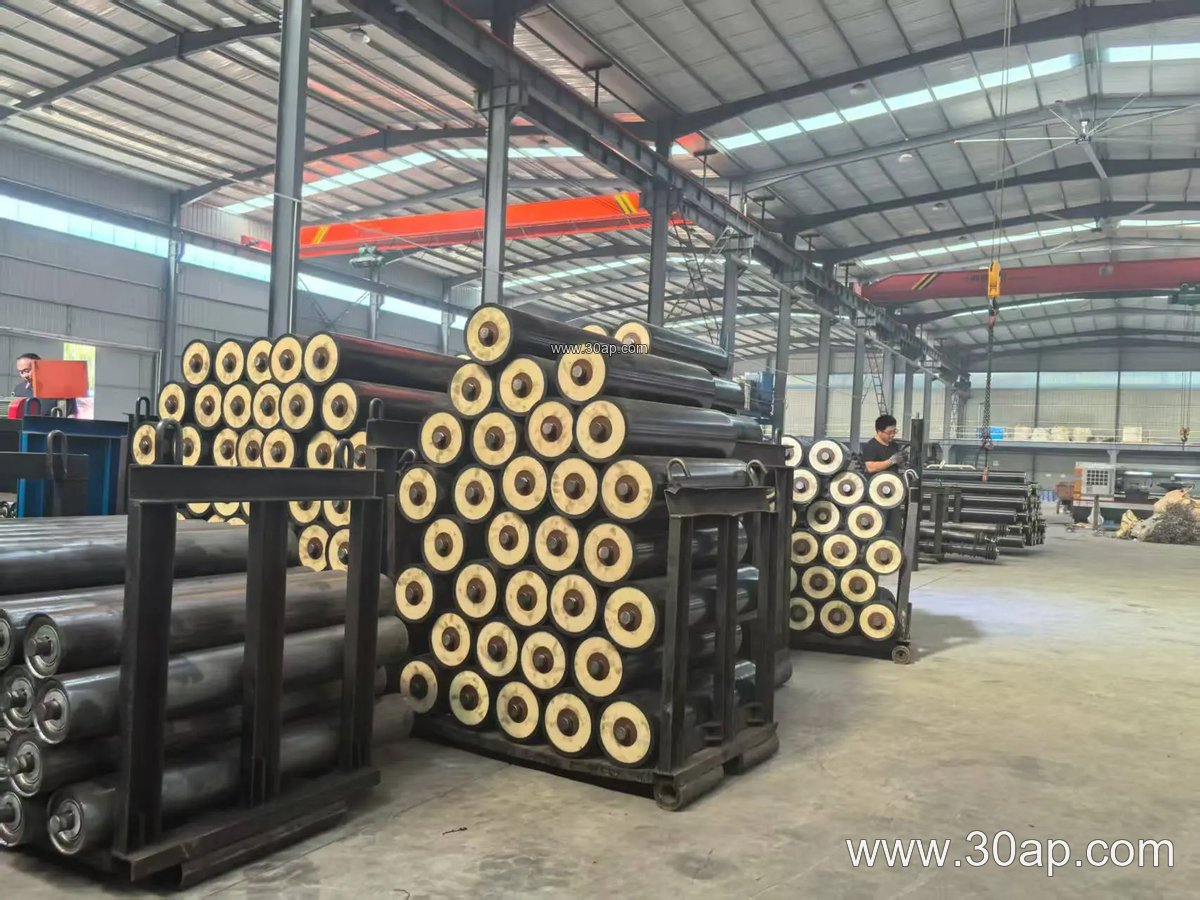
Common roller diameter and bearing combinations are summarized below for reference only; final selection depends on conveyor design.
| Roller Diameter | Common Bearing | Typical Belt Width Reference |
|---|---|---|
| Ø89 mm | 6205 | B500–B800 |
| Ø108 mm | 6305 | B650–B1000 |
| Ø133 mm | 6306 | B800–B1400 |
| Ø159 mm | 6308 | B1000–B1600 |
For heavy-duty mining conveyor belt lines and underground coal mining conveyor belt systems, flame retardant conveyor belt and fire resistant conveyor belt grades are often specified alongside impact idlers. In cold climates, a cold resistant conveyor belt may be paired with rubber rings that remain flexible at low temperature.
Maintenance and Buyer Checks
Inspect rubber rings for cracking, chunking, or flattening, and check bearing seals for dust ingress. A worn impact idler can let material pound the belt cover, leading to premature failure of an otherwise sound abrasion resistant conveyor belt or heat resistant conveyor belt. Keep spare rings and complete rollers on hand for transfer points that see constant heavy loading.
Ask suppliers for the roller diameter, shaft size, bearing type, ring material, and mounting dimensions rather than assuming one size fits every conveyor. A high impact resistant idler selected for the actual duty will outlast a generic roller and reduce downtime in quarry, coal, and ore applications.