What a Tapered Idler Does on a Conveyor
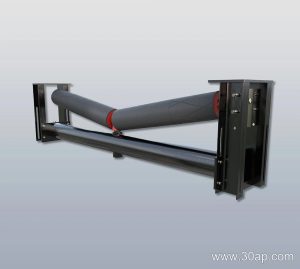
A tapered idler is a type of conveyor idler roller whose shell is conical rather than cylindrical. This shape is used mainly on the return side and at transition points to help keep the conveyor belt centered and to reduce edge damage. In many plants, a tapered idler works alongside standard troughing idlers and return rollers, but its specific geometry gives it a distinct role in belt tracking and support. You will often see it referred to as a conical idler or taper roller, and these are accurate equivalent names for the same product.
Unlike a flat return idler, the tapered version has a smaller diameter at one end and a larger diameter at the other. This taper creates a slight steering effect when the belt drifts, encouraging it to move back toward the center. It is not a substitute for a training idler in every case, but it is a common and effective component in belt alignment systems.
Construction and Key Components
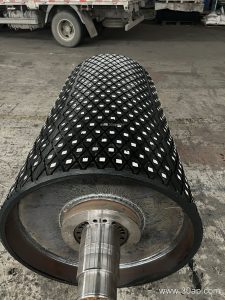
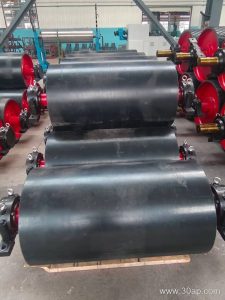
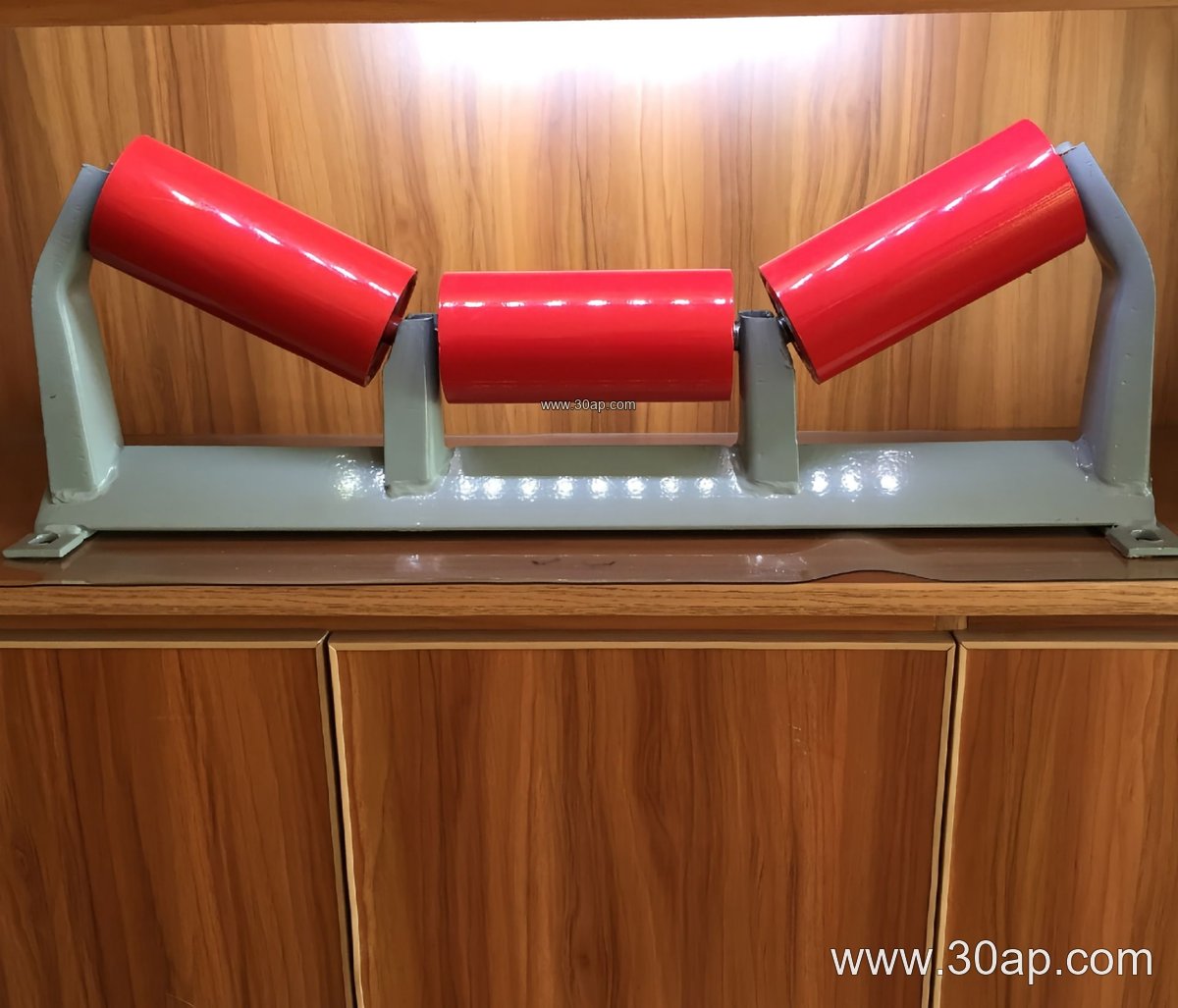
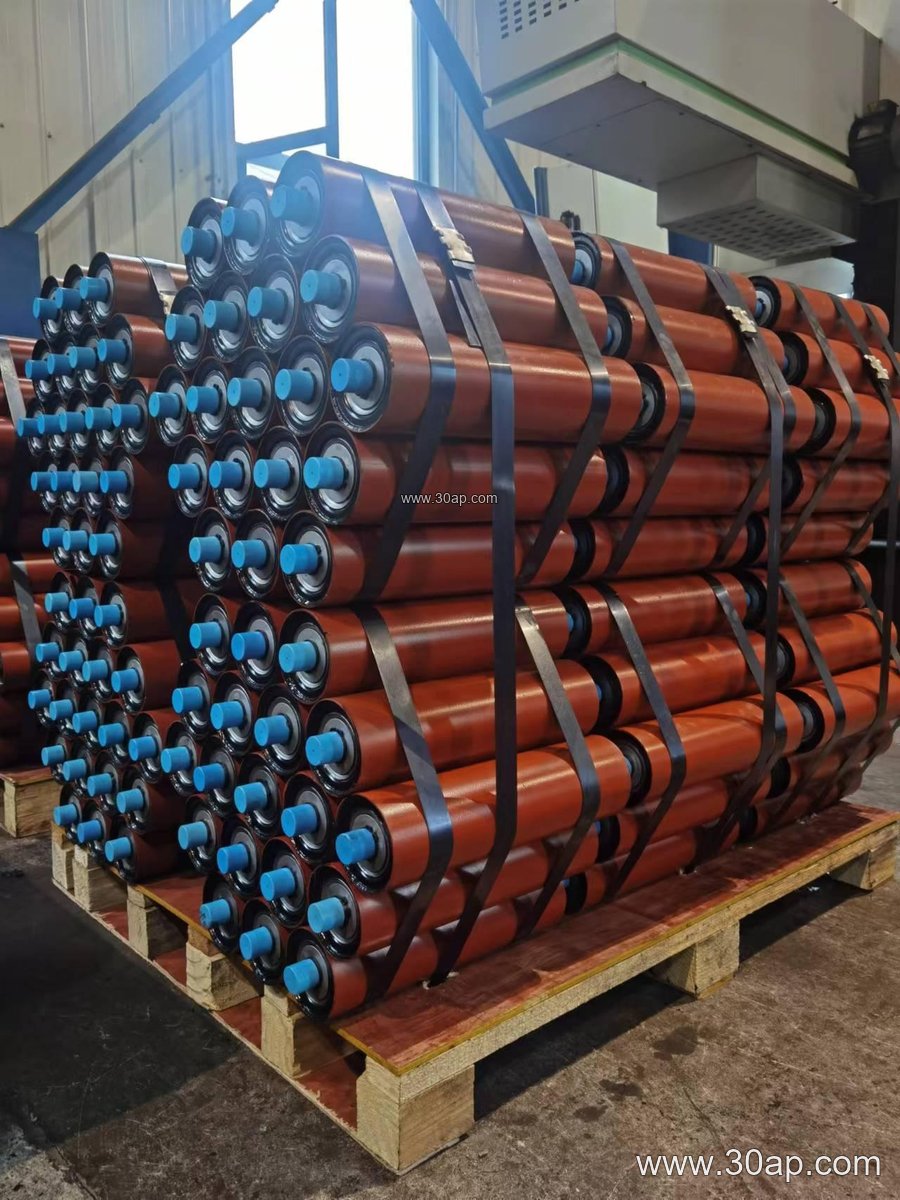
The tapered idler is built around a steel tube that is machined or formed into a cone. The shell may be plain steel, or it can be covered with rubber or polyurethane to improve grip and reduce wear. Inside, the roller runs on sealed ball bearings, typically 6204, 6205, 6305, 6306, 6308, or 6310, depending on the load and shaft size. The bearing housing is designed to keep dust and moisture out, which is critical in dusty environments such as a quarry or a cement plant.
The shaft is usually made from cold-drawn steel and is fixed to the conveyor bracket at each end. The taper angle and the overall length of the idler are matched to the belt width and the conveyor structure. Common roller diameters for tapered idlers fall in the range of Ø63 mm to Ø159 mm, but larger sizes are available for heavy-duty applications. The roller length is not fixed by belt width alone; it is determined by the idler arrangement and the space available in the conveyor frame.
Where Tapered Idlers Are Used
These idlers are frequently found in bulk material handling systems where belt training is a concern. In a coal mining conveyor, for example, a tapered idler may be installed just before the tail pulley to guide the belt into the center. In a power plant coal handling system, it can help control belt wander on long return runs. The aggregate industry also uses them on conveyor belts that carry crushed stone and sand, where off-center loading can cause the belt to drift.
Other applications include:
- Port conveyor systems loading and unloading bulk cargo
- Iron ore and copper ore transport lines
- Fertilizer and grain handling facilities
- Recycling and waste sorting conveyors
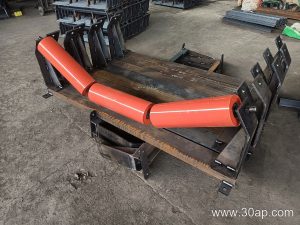
Because the tapered idler is often used in combination with a V-type return idler or a flat return roller, it is important to select the right configuration for the belt width and the expected misalignment. For instance, a 1200mm wide conveyor belt may use a tapered idler with a roller length around 465 mm in a three-roll return set, but the exact size should be confirmed by the conveyor designer.
Selection and Maintenance Tips
When choosing a tapered idler, consider the belt width, the load, and the environment. In a dusty or wet location, choose a idler with good sealing and, if needed, a rubber-covered shell to improve traction. The bearing size should match the shaft and the expected radial load; do not assume that a larger bearing is always better, as it must fit the housing. For a 800mm wide conveyor belt, a roller diameter of Ø89 mm or Ø102 mm is common, but again, this depends on the overall design.
Maintenance is straightforward: check for smooth rotation, listen for bearing noise, and inspect the taper surface for wear or buildup. A worn tapered idler can cause belt misalignment and edge damage, so replace it promptly. Keep the conveyor bracket bolts tight and ensure the idler is parallel to the belt centerline. In a cement plant or a steel plant, where heat and dust are present, use heat-resistant or sealed bearings as appropriate.
For more information on conveyor components, including conveyor idler options and conveyor pulley selection, consult your supplier. A well-chosen tapered idler can extend belt life and reduce downtime in any bulk handling operation.