What a Coal Mine Conveyor Idler Does Underground
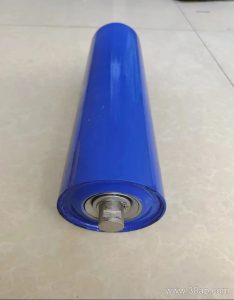
A coal mine conveyor idler is the rotating component that supports the conveyor belt along its carrying and return runs. In an underground coal mining conveyor system, these idlers must cope with coal dust, humidity, uneven loading, and the constant risk of material build-up. Unlike a drive pulley or a tail pulley, which transmit power and control belt tension, the idler roller simply carries the belt and the coal load. That distinction matters when specifying parts: a conveyor pulley and a coal mine conveyor idler are not interchangeable, and neither are the many idler subtypes.
The working environment in a coal mine is rarely clean. Fine coal particles, moisture, and occasional spillage mean the idler seal and bearing arrangement often determine service life. A well-built idler keeps its bearing clean and its roller turning freely, even when the belt is loaded with wet coal or running through a transfer point.
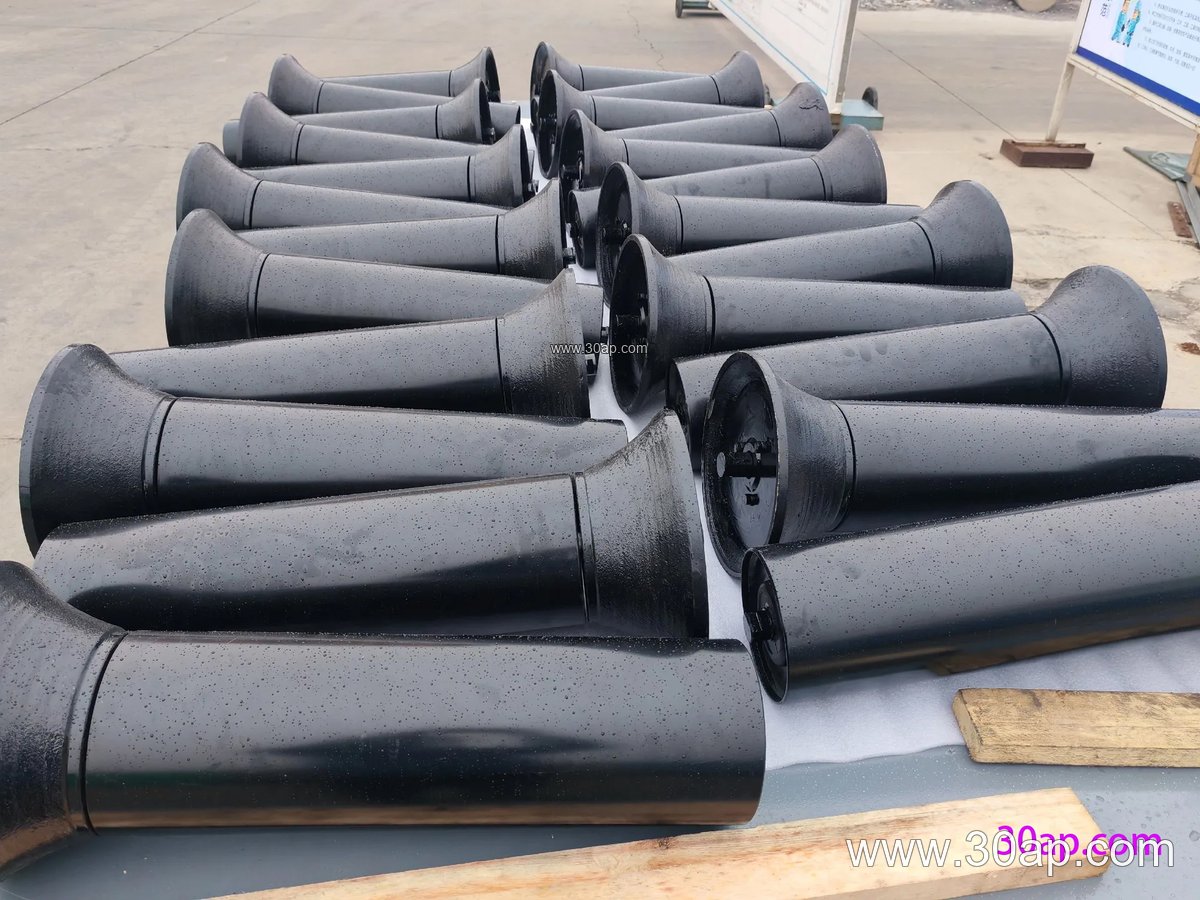
How a Coal Mine Conveyor Idler Is Built
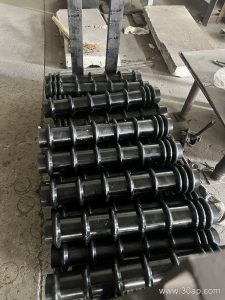
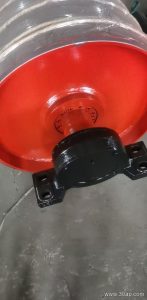
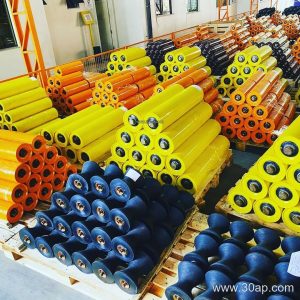
Most coal mine conveyor idlers use a steel tube shell fitted over a shaft, with bearing housings at each end. The roller surface can be plain steel, nylon, ceramic, or rubber-disc covered, depending on whether abrasion, impact, or material sticking is the main concern. Common bearing sizes include 6204, 6205, 6305, 6306, 6308, and 6310, but the bearing is selected together with the roller diameter and load, not by belt width alone.
Sealing is the quiet hero. A labyrinth seal or a multi-stage lip seal helps keep coal dust out of the bearing cavity. In coal mining conveyor belt systems, flame retardant and anti-static properties are often required for the belt itself, and the idler should be matched to the same environment so that static build-up and material accumulation do not become a problem.
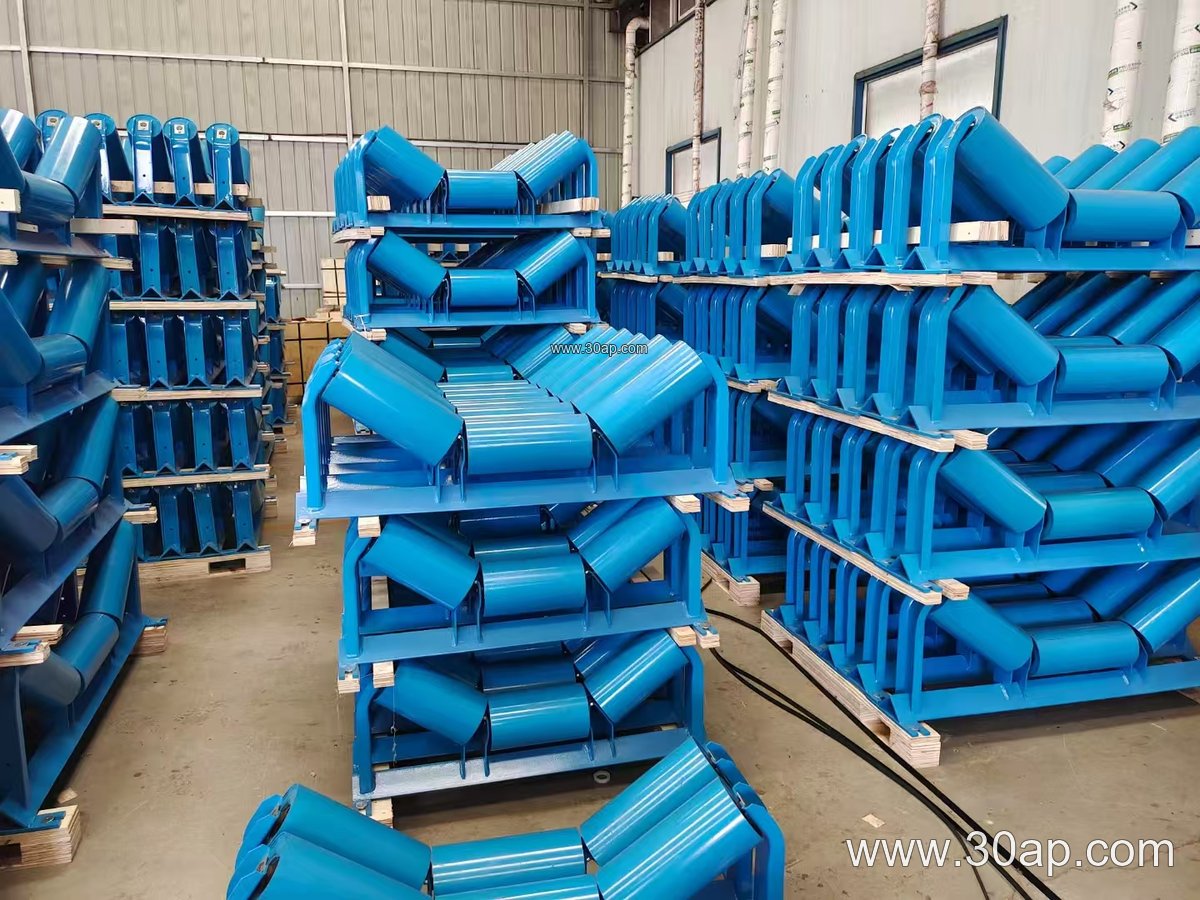
Common Idler Types in Coal Mine Conveyors
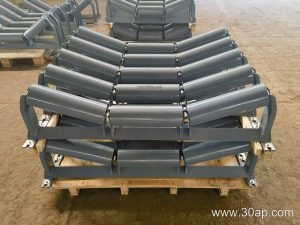
The carrying side usually uses three-roll troughing idlers with a trough angle of 20, 30, 35, or 45 degrees. The return side may use flat return idlers, V-return idlers, or spiral idlers for self-cleaning. At transfer points, impact idlers with rubber rings absorb the drop energy of coal. Training idlers, including friction and conical types, help keep the belt centered.
Typical roller diameters include Ø63, Ø76, Ø89, Ø102, Ø108, Ø127, Ø133, Ø159, Ø178, Ø194, and Ø219 mm. Belt widths range from B400 to B2400, and the idler length follows the belt width, trough angle, and idler arrangement rather than a fixed rule. For example, a three-roll troughing set often uses a roll length around 200 mm for B500, 250 mm for B650, 315 mm for B800, 380 mm for B1000, 465 mm for B1200, 530 mm for B1400, 600 mm for B1600, 670 mm for B1800, and 750 mm for B2000. These are common examples only; side rolls and center rolls can differ, and final dimensions are determined by the conveyor design.
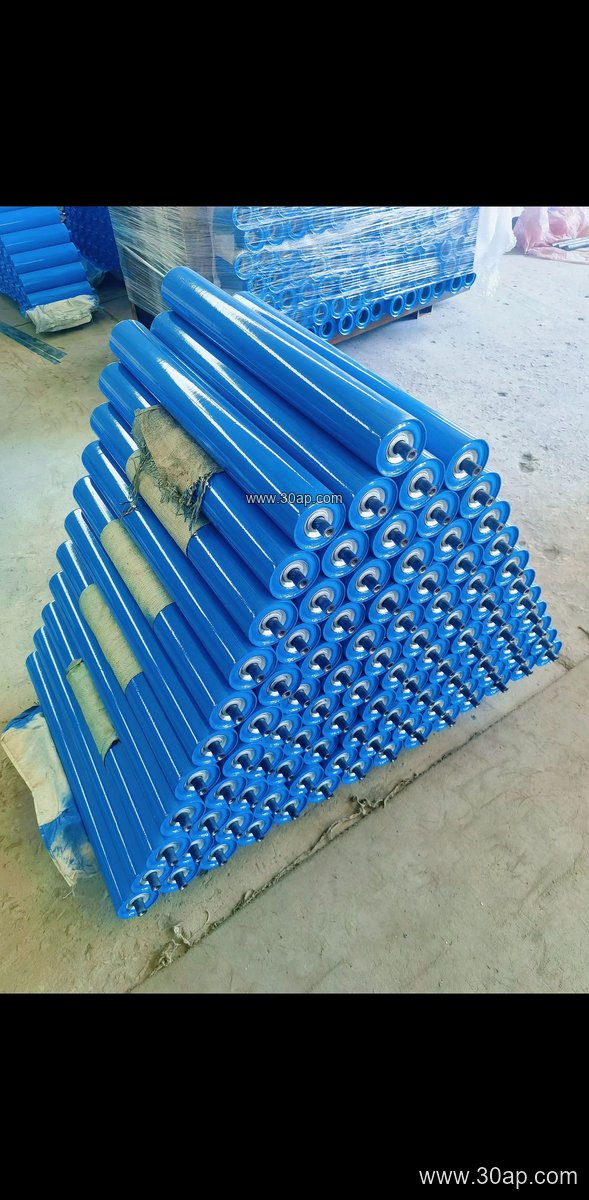
Where Coal Mine Conveyor Idlers Are Used
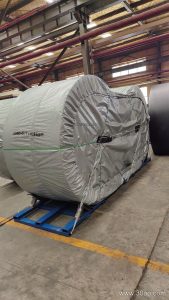
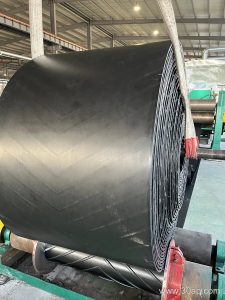
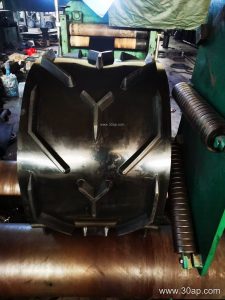
These idlers appear in underground coal mining conveyor belts, surface coal handling systems, and wash plants. They also fit adjacent industries such as cement plants, power plant coal yards, and port coal terminals. In a typical coal mine, the conveyor belt may be a flame retardant conveyor belt or a fire resistant conveyor belt, often with a fabric core or steel cord construction. The idler must work with the belt, not against it: a rough idler surface can wear a conveyor belt quickly, while a poorly sealed idler can seize and cause belt damage.
Related equipment includes the conveyor pulley at the drive and tail, the conveyor bracket that holds the idler frame, and the conveyor belt itself. Each plays a different role, and replacing one with another is not possible.
What Buyers Should Check
- Roller diameter and length should match the conveyor frame and belt width. Do not assume that one belt width matches one pulley diameter or one shaft size.
- Bearing and seal quality matter more than a low price in coal dust. Ask about the sealing arrangement and bearing fit.
- Surface form should suit the duty: rubber rings for impact, ceramic or nylon for abrasion and stickiness, plain steel for general carrying.
- Trough angle and idler arrangement should be confirmed against the conveyor design, especially at transfer points and curves.
- Environmental compatibility with the conveyor belt, including flame retardant and anti-static requirements where applicable.
For more on matching belts and idlers, see our guidance on conveyor idler and conveyor belt selection. A coal mine conveyor idler is a small part of the system, but its reliability keeps the whole coal transport line running.