What a Stainless Steel Pulley Is and Where It Fits
A stainless steel pulley is a conveyor pulley whose shell, and often its end discs and hub, are fabricated from stainless steel rather than painted carbon steel. In a conveyor line, it serves as the rotating drum that supports and drives the conveyor belt. The same product is also called a stainless steel conveyor pulley or stainless steel drum pulley. It is not a substitute for a drive pulley, tail pulley, or bend pulley; those are position-based roles, and a stainless steel pulley can be built for any of them. The material choice matters most in wet, salty, chemical, or food-contact environments where carbon steel would corrode quickly.
Construction Details That Affect Performance
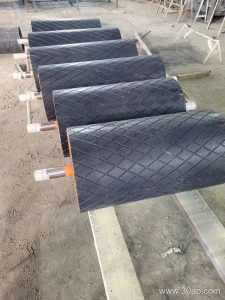
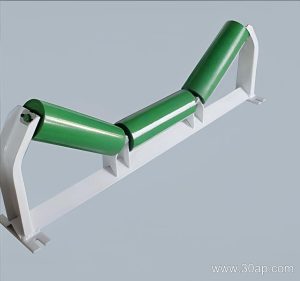
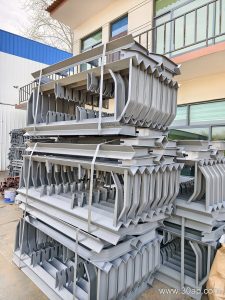
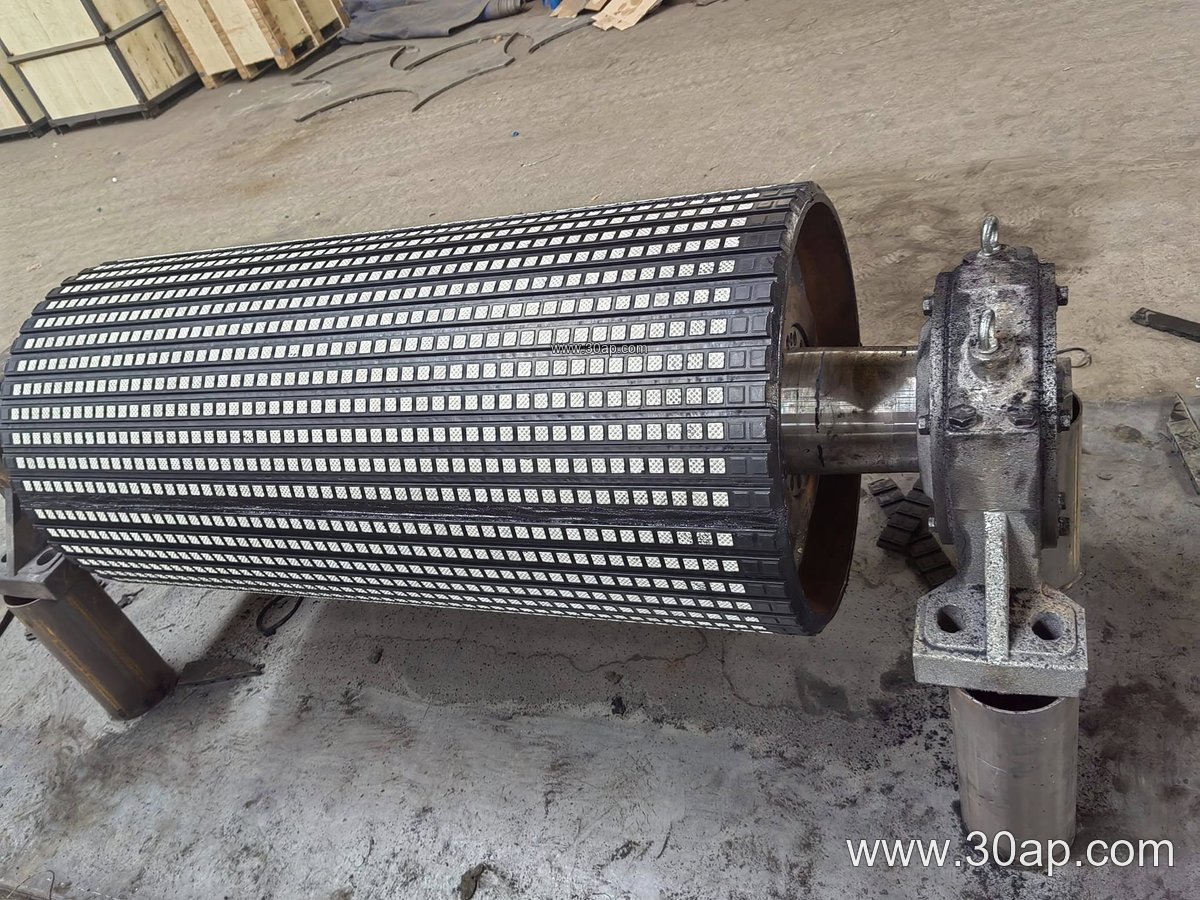
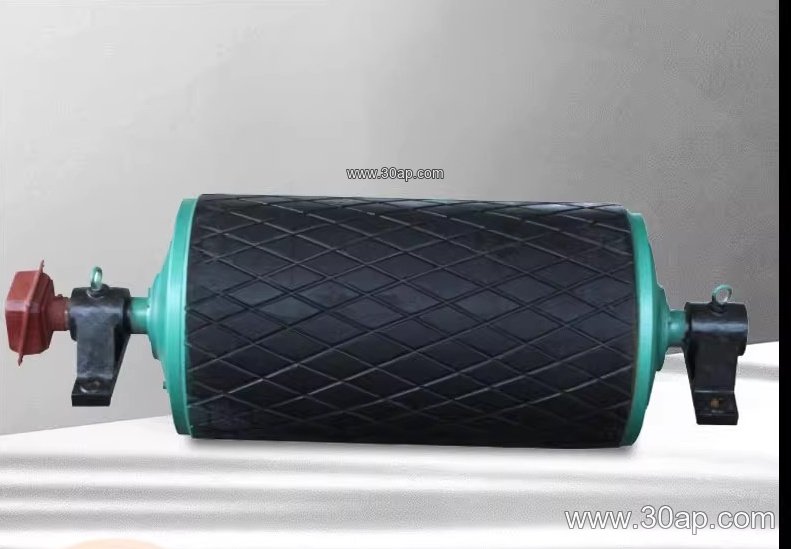
Most stainless steel pulleys use a rolled or welded shell in grades such as 304 or 316, with end discs welded to the shell and a shaft fitted through the hub. The shaft is usually carbon steel or stainless steel, sized by torque and radial load rather than by belt width alone. Common shaft diameters include Ø50, Ø60, Ø70, Ø80, Ø90, Ø100, Ø120, Ø140, Ø160, Ø180, and Ø200 mm. Shell diameters commonly range from Ø200 to Ø800 mm, with larger sizes available for heavy-duty service. Face width is normally wider than the belt: for example, a B800 belt often runs on a pulley with about 950 mm face width, and a B1200 belt on roughly 1400 mm. Surface options include plain finish, rubber lagging, diamond lagging, and ceramic lagging, with lagging thickness often 8, 10, 12, 15, or 20 mm. Stainless steel pulleys are frequently specified with a conveyor bracket that matches the bearing housing and frame.
Where Stainless Steel Pulleys Are Used
These pulleys appear in fertilizer plants, food and grain handling facilities, coastal port bulk terminals, and chemical processing lines where washdown or salt air is routine. In a quarry or sand and gravel line, a stainless steel tail pulley may be chosen for the wet end of a wash screen, while the main drive pulley stays carbon steel with lagging. In a coal mining conveyor or underground coal mining conveyor, stainless steel is less common because of cost, but it may be used in dewatering or sump areas. The pulley works together with the conveyor belt, idler roller, and conveyor bracket to keep the belt tracking and tensioned. For abrasive bulk material, an abrasion resistant conveyor belt reduces wear on both the belt cover and the pulley lagging. In food-grade lines, a food grade conveyor belt paired with a stainless steel pulley simplifies cleaning and reduces contamination risk.
Matching the Pulley to the Belt and the Duty
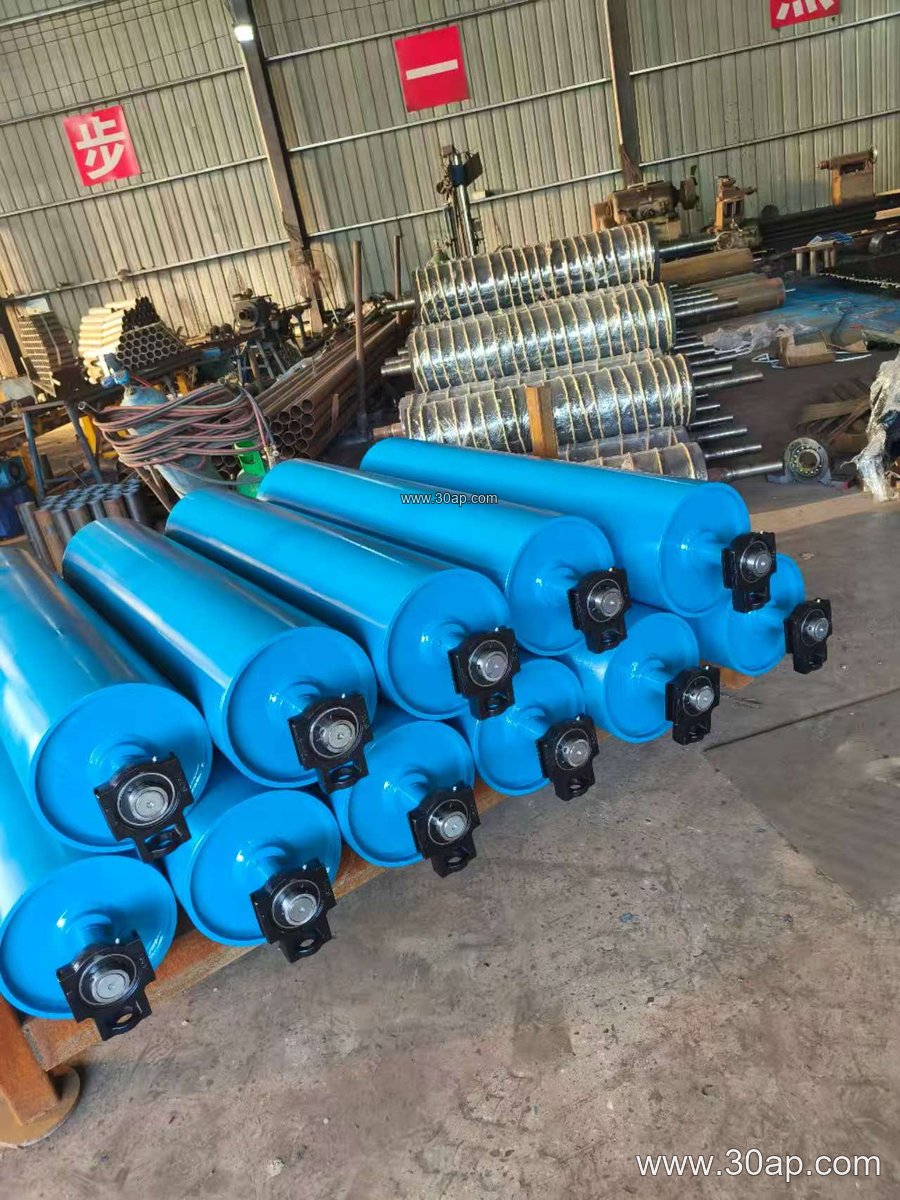
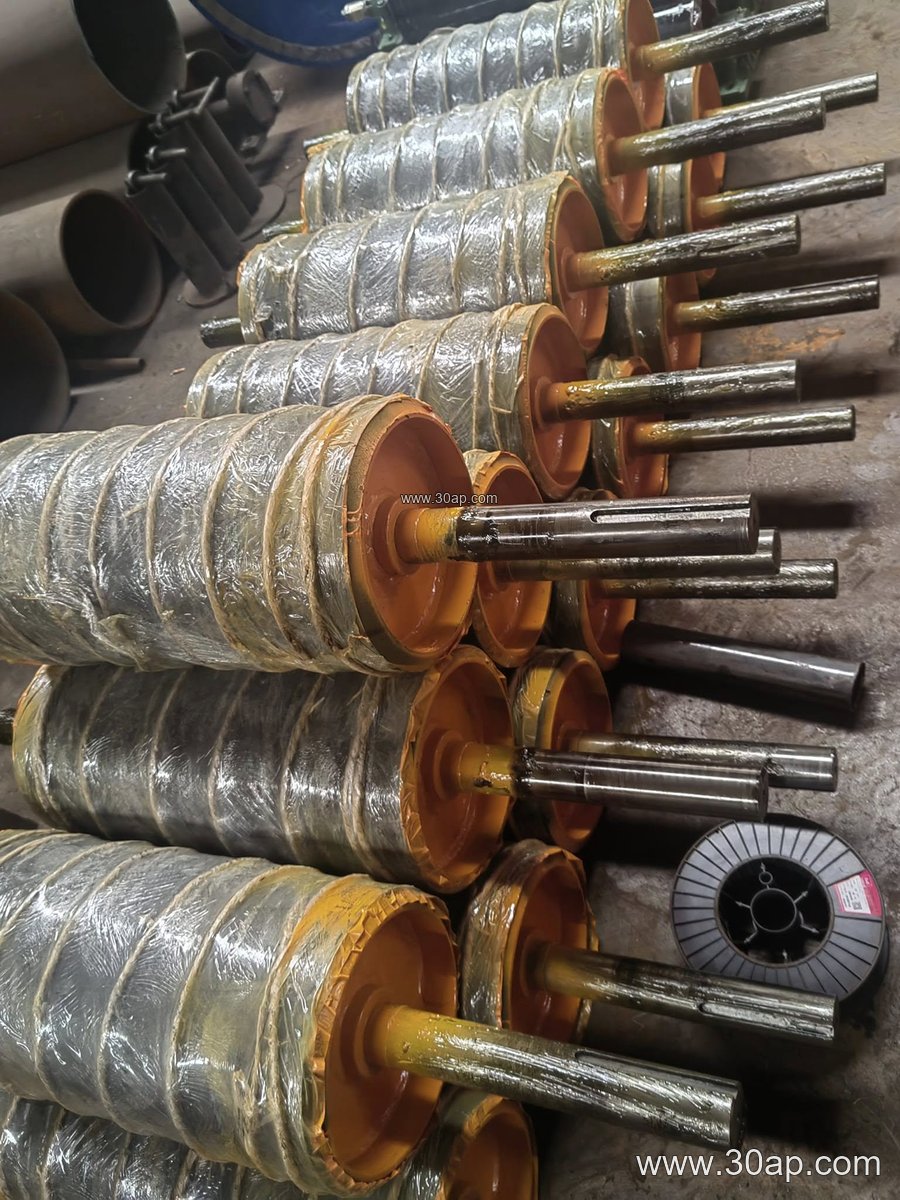
Belt width and pulley diameter are related but not locked together. A B650 belt may run on a Ø315 pulley in a light-duty tail position or a Ø500 pulley in a drive position, depending on tension and wrap angle. The same applies to B1000 and B1400 belts: diameter follows the required torque, belt tension, and shaft load, not a single fixed rule. A stainless steel pulley in a drive position usually needs lagging to transmit traction, while a bend pulley may run plain. When the conveyor carries a steel cord conveyor belt or a heavy-duty mining conveyor belt, the pulley shell and shaft must be sized for higher tension. For a pipe conveyor belt, the pulley arrangement is different and should not be confused with a standard drum pulley. Buyers should confirm the belt type, such as EP conveyor belt, NN conveyor belt, or steel cord, because belt modulus affects starting torque and pulley stress.
Buyer Checklist Before Ordering
- Confirm the pulley role: drive, tail, bend, take-up, or snub, since each has different load and lagging needs.
- State the belt width and the required face width, not just the belt size.
- Provide the belt tension and starting torque so the shaft diameter can be calculated.
- Specify the stainless steel grade and whether the shaft is stainless or carbon steel.
- Choose the lagging type and thickness for the environment, for example plain, diamond, or ceramic.
- Check the bearing housing and conveyor bracket dimensions for a correct fit.
- Match the pulley surface to the belt cover, especially with a heat resistant conveyor belt or oil resistant conveyor belt.
A stainless steel pulley is a long-life component when the grade, lagging, and shaft sizing suit the conveyor. It is not automatically the right choice for every position, but in corrosive or hygienic service it often outlasts painted alternatives. For more conveyor components, visit www.example.com/conveyor-pulley or www.example.com/conveyor-bracket.