What an Acid Resistant Conveyor Belt Is
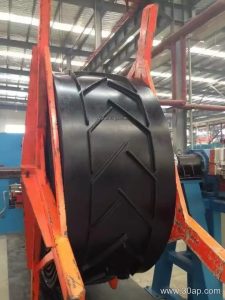
An acid resistant conveyor belt is a rubber conveyor belt built to carry materials or operate in areas where acidic liquids, vapors, or residues would quickly attack a standard belt cover. It is a chemical resistant conveyor belt focused on acid exposure, and it is often specified alongside oil resistant, heat resistant, and flame retardant conveyor belts when one conveyor passes through several hostile zones. In a fertilizer plant, a mineral processing line, or a battery materials workshop, this belt protects the carcass from the slow penetration that causes swelling, cracking, and premature failure.
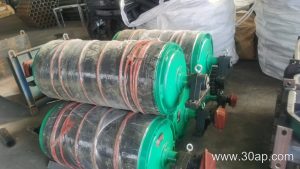
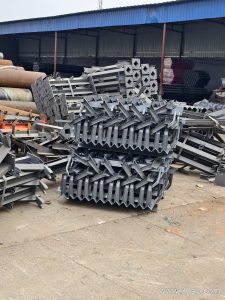
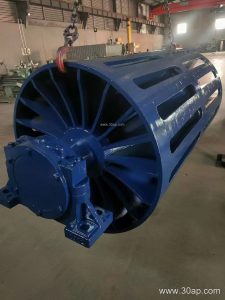
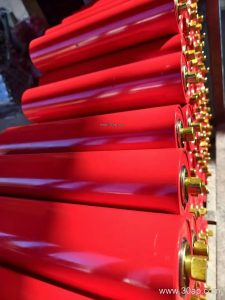
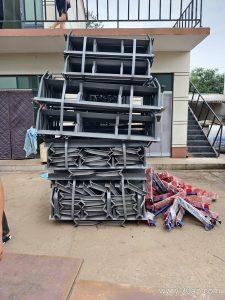
The product is still a normal troughed belt on a normal conveyor structure. It runs over idler rollers, wraps the head and tail pulleys, and is supported by conveyor brackets and frames. The difference is the compound and the way the belt is built, not the conveying principle.
How the Belt Is Built
The working surface and bottom cover use a rubber compound selected for low absorption and good resistance to acidic media. The carcass provides strength and keeps the belt stable under tension. Common carcass options include EP conveyor belt fabric, NN conveyor belt fabric, and multi-ply fabric core conveyor belt constructions; for very long or heavy-duty lines, a steel cord conveyor belt may be considered when acid exposure is limited to splashes and the main demand is tensile strength.
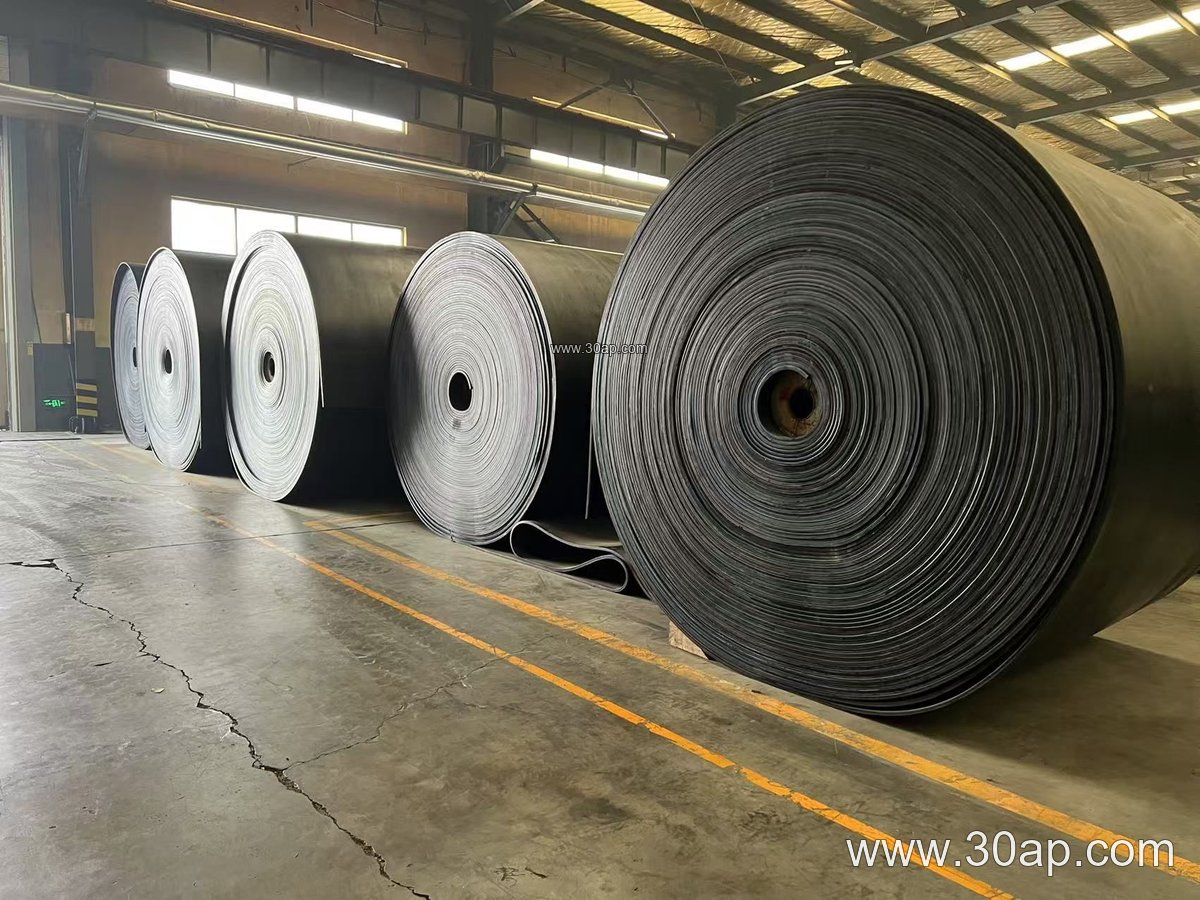
Typical reference data below shows the kind of range a buyer may see. Values are for orientation only and should be confirmed against the actual duty and supplier documentation.
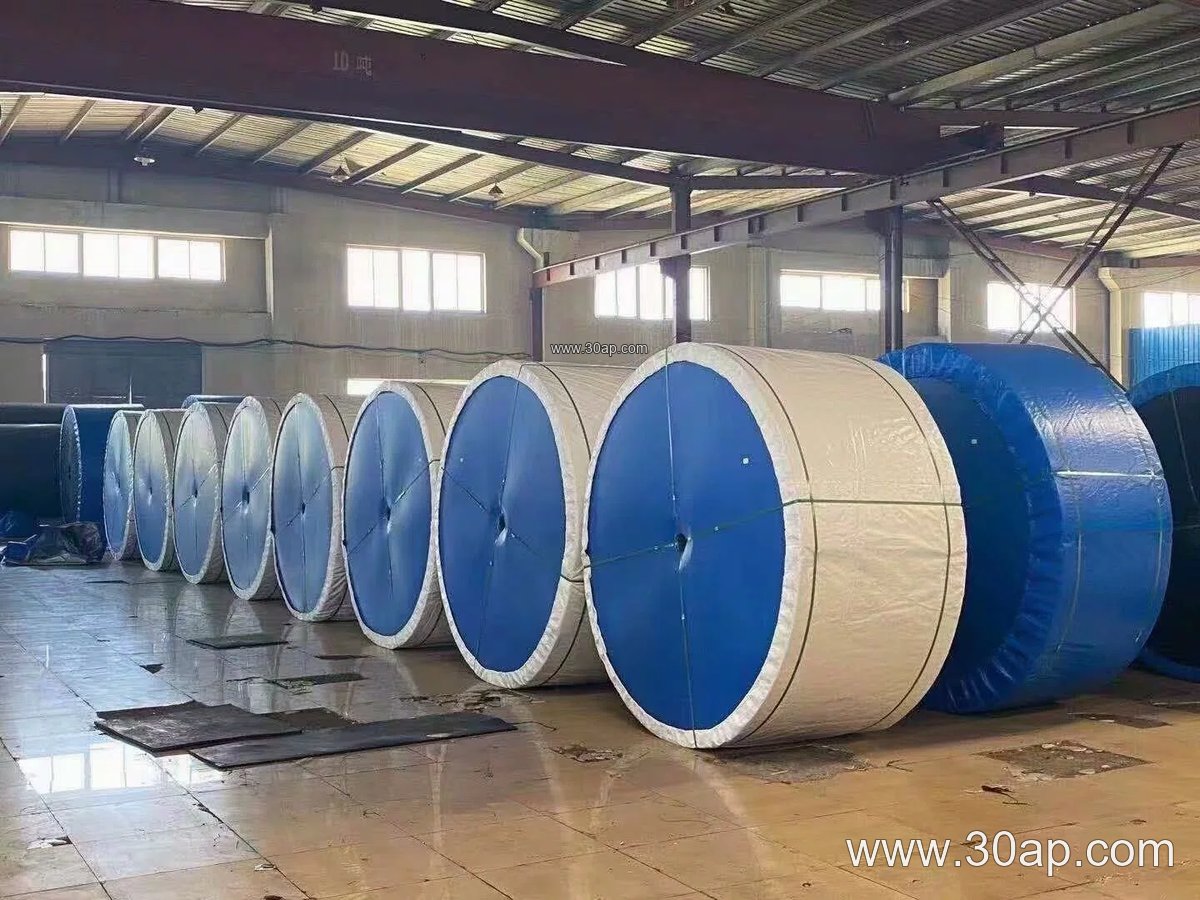
| Item | Common reference values |
|---|---|
| Fabric core types | EP200, EP315, EP400, EP500, EP630, EP800, EP1000, EP1250, EP1600 |
| Belt width | B500, B650, B800, B1000, B1200, B1400, B1600, B1800, B2000 |
| Cover thickness | 3+1.5 mm, 4+2 mm, 5+2 mm, 6+2 mm, 8+3 mm |
| Carcass plies | Usually 2 to 6 layers depending on strength class |
The cover grade matters most. A thicker top cover can extend service life where acid drips are concentrated, while a thinner cover may suit a short transfer point. If the same line also carries abrasive ore, an abrasion resistant conveyor belt cover may be a better compromise, and if temperatures are high, a heat resistant conveyor belt should be evaluated separately.
Where It Is Used
Acid resistant belting appears in chemical plants, fertilizer and phosphate handling, some ore processing circuits, wastewater sludge transport, and industrial sites where spillage is acidic rather than oily. It can also be found in quarry and aggregate operations that wash material with acidic process water, and in cement or power plant lines where flue gas condensate or reagent dust creates a mild acid environment.
For open-pit and underground mining conveyors, the acid resistant conveyor belt is usually one part of a wider specification. A coal mining conveyor belt may need flame retardant and anti-static properties, while an iron ore conveyor belt or copper ore conveyor belt may face acidic drainage together with heavy impact. In such cases, the belt, idler roller, and conveyor pulley selection should be reviewed together, because acid attack on metal parts is just as damaging as attack on rubber.
Selection Points for Buyers
Start with the chemical itself. The concentration, temperature, and contact time of the acid determine whether a standard acid resistant cover is enough or whether a special compound is needed. Splash exposure and full immersion are very different duties.
- Confirm the actual acid type and concentration, not just the word acid.
- State the material carried, lump size, and any sharp edges that call for impact resistance.
- Give the conveyor layout, including incline, transfer points, and pulley diameters, so the belt can be matched to the drive and bend pulleys.
- Ask whether the belt must also be flame retardant or anti-static for the site.
- Check cover thickness and carcass strength against the duty, and keep a spare length for repairs.
Do not assume one belt width fixes one pulley diameter, and do not treat a single reference table as a universal specification. A 1200mm wide belt on a large quarry conveyor and a 1200mm wide belt on a short chemical transfer can need very different pulley sizes and tension ratings.
Care and Service Life
Acid resistant belts still need good housekeeping. Clean spillage promptly, check the idler rollers for acid build-up, and inspect the conveyor pulley lagging and conveyor brackets for corrosion. Keep the belt tracking straight to avoid edge damage, and repair small cover cuts before acid reaches the fabric core. With the right compound, sensible cover thickness, and a layout that avoids sharp impact, an acid resistant conveyor belt can deliver reliable service in chemical, mining, and aggregate environments.