What a Port Conveyor Idler Does at the Terminal
A port conveyor idler is the rotating support that carries a conveyor belt and its cargo along the length of a ship loading or unloading line. In a bulk terminal, the belt may run hundreds of meters from the stockyard to the berth, lifting coal, iron ore, fertilizer, or grain onto a loader. Every few meters, an idler roller keeps the belt in shape, limits sag, and reduces friction so the drive can move tonnage efficiently. The port environment adds salt air, dust, and long operating hours, which is why this component needs attention beyond the basics of a general industrial roller.
Although the port idler is a simple-looking part, its condition affects the whole conveyor. A worn or seized roller can damage the belt cover, raise power demand, and create spillage at transfer points. For a terminal handling a heavy-duty mining conveyor belt or a steel cord conveyor belt, idler selection is part of the reliability plan, not an afterthought.
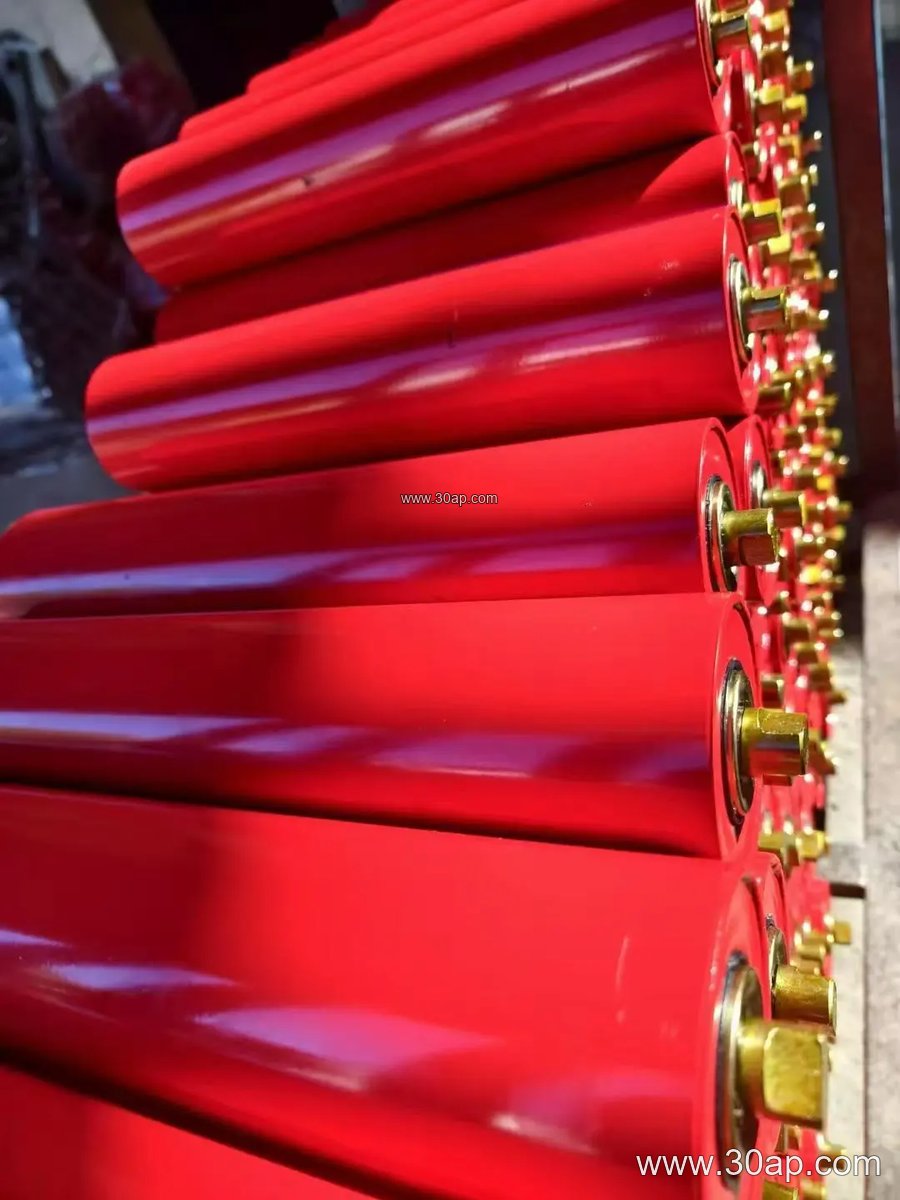
Construction Details That Matter in Salt Air
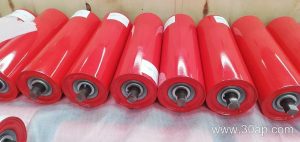
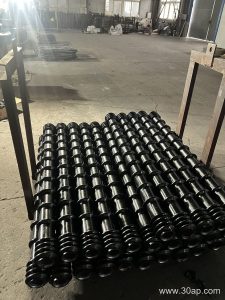
A typical port conveyor idler consists of a steel tube shell, a shaft, bearing housings, and a sealing arrangement. The roller surface may be plain steel, nylon, ceramic, or covered with rubber rings where impact is expected. Bearings such as 6205, 6305, or 6308 are common depending on load and roll diameter, but no single bearing is tied to one roller size. Sealing is the critical detail at a port: labyrinth seals and grease retention keep fine ore dust and moisture away from the bearing cavity.
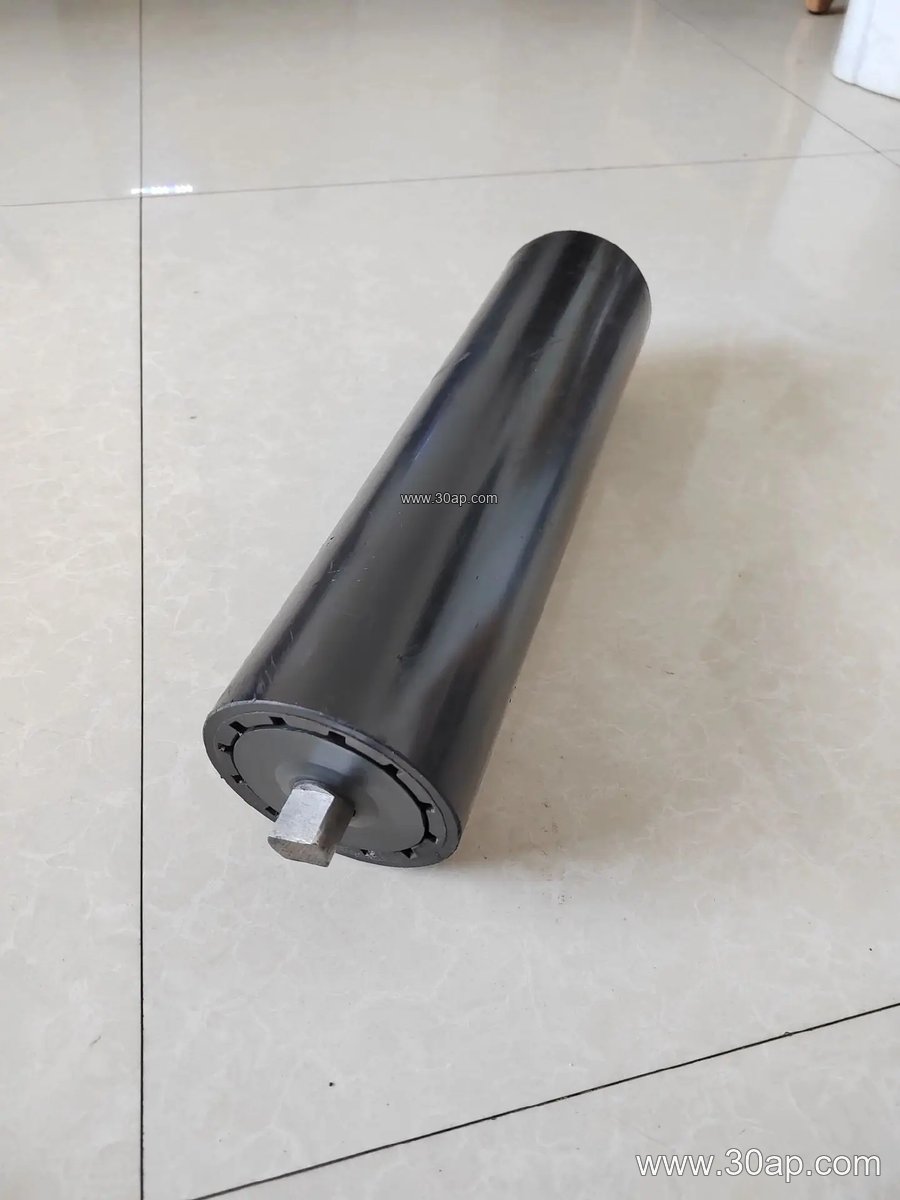
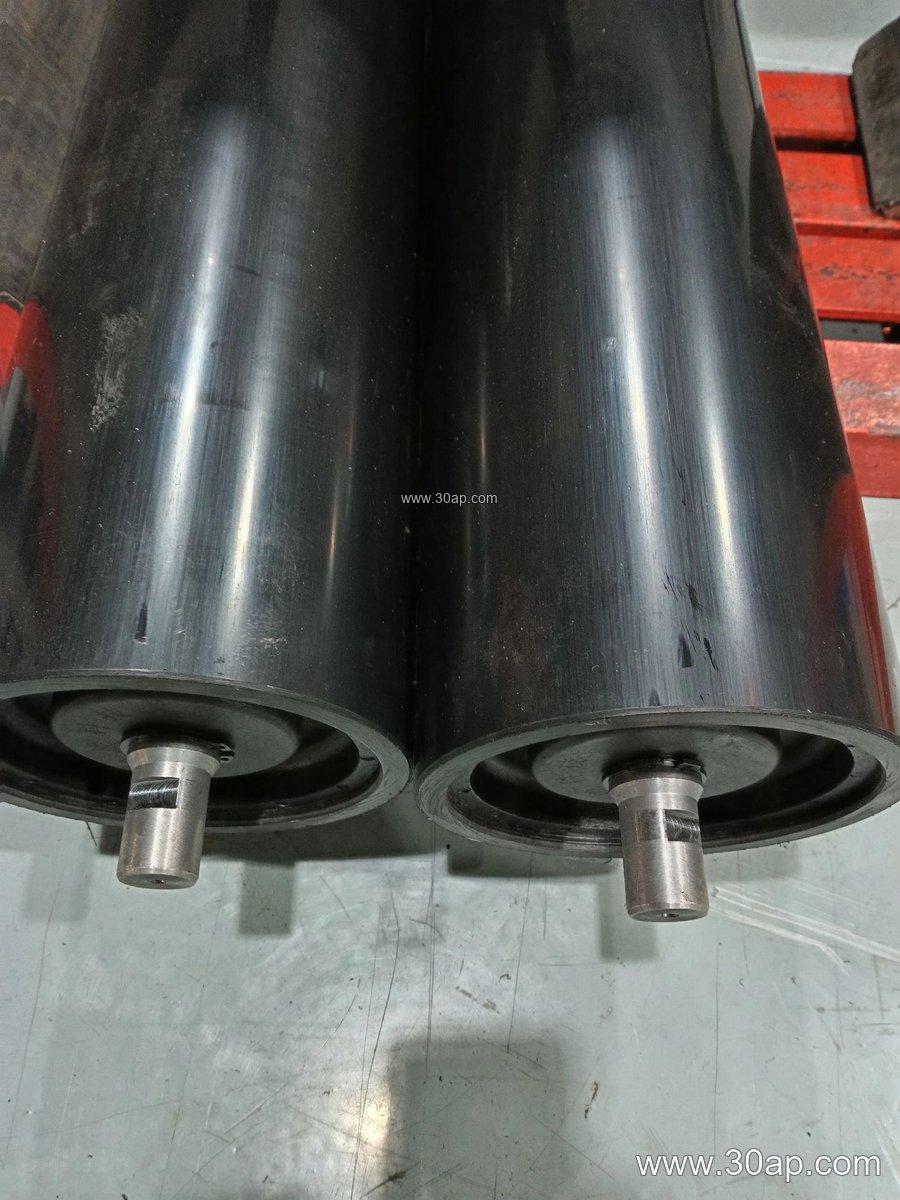
The shell should be straight and balanced. An out-of-round roller will thump against the belt and shorten cover life. Buyers should also check shaft end machining, since the roller sits in a conveyor bracket and any mismatch causes vibration or premature wear. Welded end discs need good runout, and the paint or coating should suit coastal humidity.
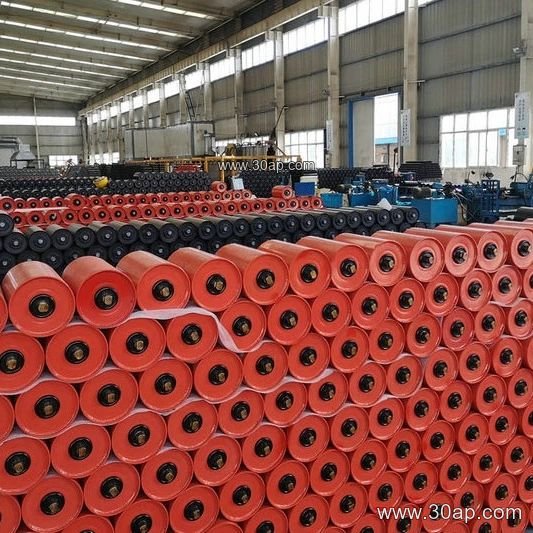
Where Port Idlers Sit on the Line
On a ship loading conveyor, troughing idlers form the belt into a trough on the carrying side. A three-roll troughing set is common, with side rolls set at 20, 30, 35, or 45 degrees. On the return side, flat or V-return rollers support the empty belt. At the transfer point below a stockpile or a crusher, impact idlers with rubber rings absorb the fall of lump ore. Transition idlers ease the belt from flat to trough near the head and tail.
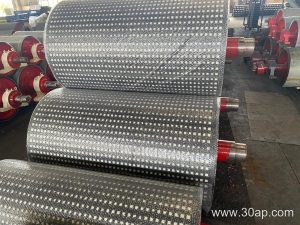
Other equipment works alongside but is not interchangeable with the idler. The conveyor pulley at the drive, tail, and bend positions turns and tensions the belt, while the idler only supports it. A drive pulley, tail pulley, and bend pulley each have distinct roles and cannot be swapped for one another. Similarly, a troughing idler is not a replacement for a return idler or an impact roller.
Typical Reference Ranges
The table below gives common reference values. Actual selection depends on belt width, capacity, lump size, and the conveyor design.
| Item | Common reference values |
|---|---|
| Roller diameter | Ø89, Ø102, Ø108, Ø127, Ø133, Ø159, Ø178, Ø194, Ø219 |
| Belt width | B500, B650, B800, B1000, B1200, B1400, B1600, B1800, B2000 |
| Trough angle | 20°, 30°, 35°, 45° |
| Roller surface | Steel tube, nylon, ceramic, rubber rings |
| Bearing examples | 6204, 6205, 6305, 6306, 6308, 6310 |
| Troughing roll length examples | B500 about 200 mm, B800 about 315 mm, B1000 about 380 mm, B1200 about 465 mm, B1400 about 530 mm, B1600 about 600 mm, B1800 about 670 mm, B2000 about 750 mm |
These are examples, not fixed pairings. Side rolls and center rolls can differ, and a given belt width does not dictate one pulley diameter or one shaft size.
Selection and Maintenance Notes
- Match the roller load rating to the belt and cargo weight, allowing for surge loading at the berth.
- Use impact idlers under the chute where ore or coal drops onto the belt.
- Consider self-aligning idlers on long port runs where belt tracking drifts.
- Check seal quality and grease type for humid, salty conditions.
- Inspect for seized rollers, flat spots, and build-up of sticky cargo such as fertilizer or wet coal.
Ports handling abrasive ore often pair robust idlers with an abrasion resistant conveyor belt, while coal terminals may specify a flame retardant conveyor belt for safety. A quarry conveyor belt feeding the berth stockpile has different demands from a food grade belt used for grain. Matching the idler to the belt and the cargo is the practical route to fewer stoppages. For terminal operators sourcing components, the port conveyor idler should be treated as part of a system that includes the belt, the pulleys, and the supporting structure.