What a Thermal Power Plant Conveyor Pulley Does
A thermal power plant conveyor pulley is the rotating drum that drives, tensions, or redirects the belt in a coal handling system. In a typical coal-fired station, the coal conveyor moves fuel from the stockyard or unloading point to the crusher house and then to the boiler bunkers. The pulley is the component that transfers torque from the drive unit into the conveyor belt, so its condition directly affects whether coal keeps moving at the required rate.
Most of the time, the pulley is hidden under the belt, but it carries the full belt tension and the load of the coal on the carrying side. In a 600 MW unit, the coal handling conveyor may run continuously, and pulleys are sized for heavy-duty service. A worn or under-specified drum can cause belt tracking problems, slipping, and unplanned shutdowns that interrupt coal supply to the mill.
How the Pulley Is Built
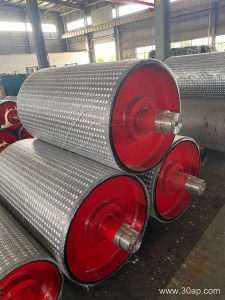
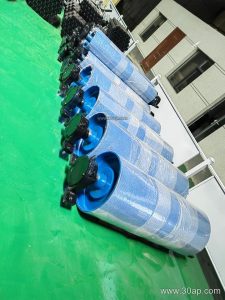
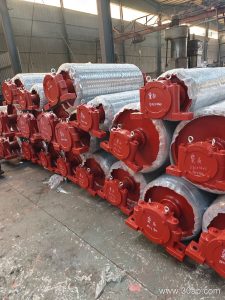
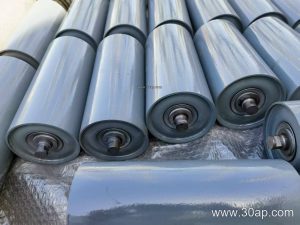
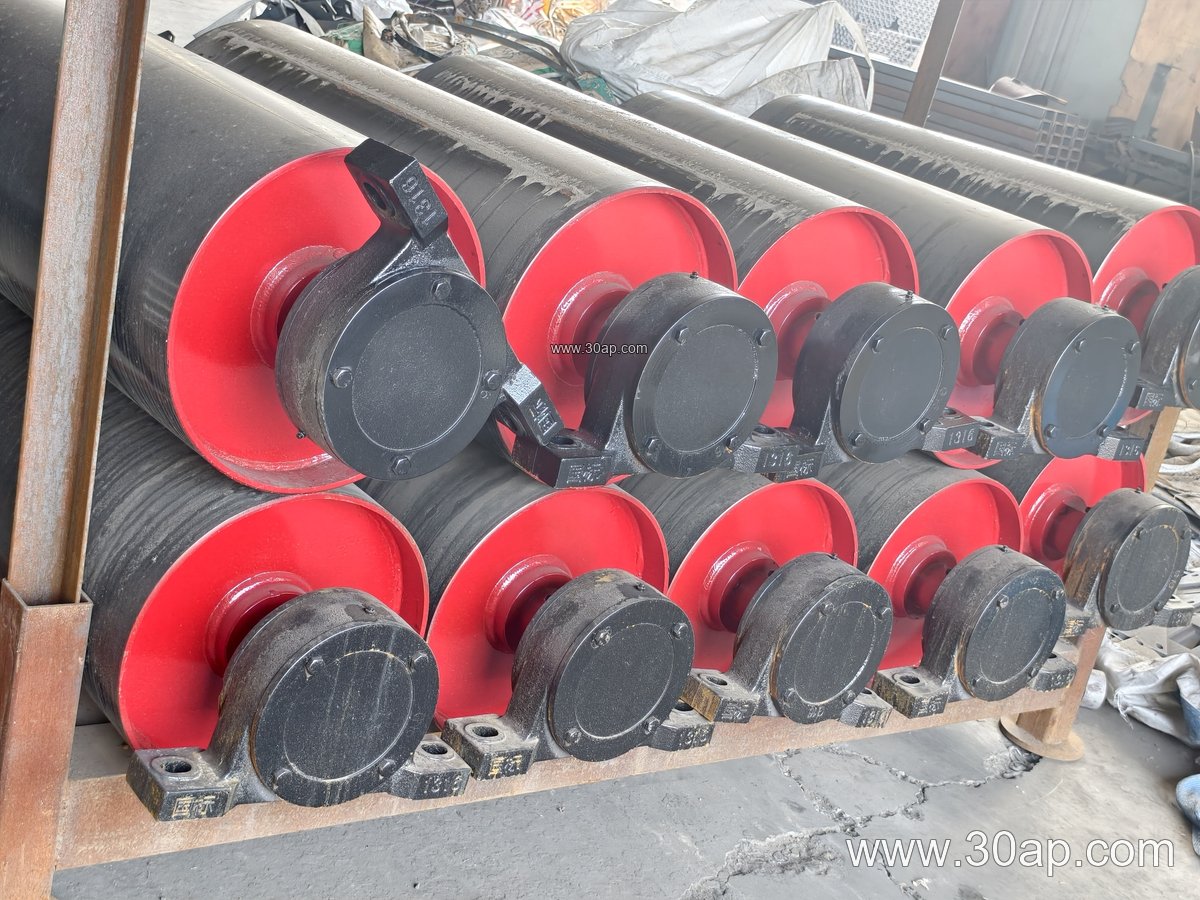
The basic assembly consists of a cylindrical shell, two end discs, a shaft, and bearing housings. The shell is usually made from rolled steel plate and machined to a true diameter. The shaft is keyed or shrink-fitted into the end discs. Bearing selection and shaft diameter are calculated from the torque and radial load of the conveyor, not from belt width alone. Common shaft diameters run from Ø50 to Ø200, but the final value depends on the drive design.
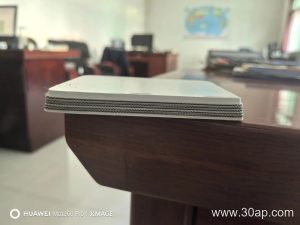
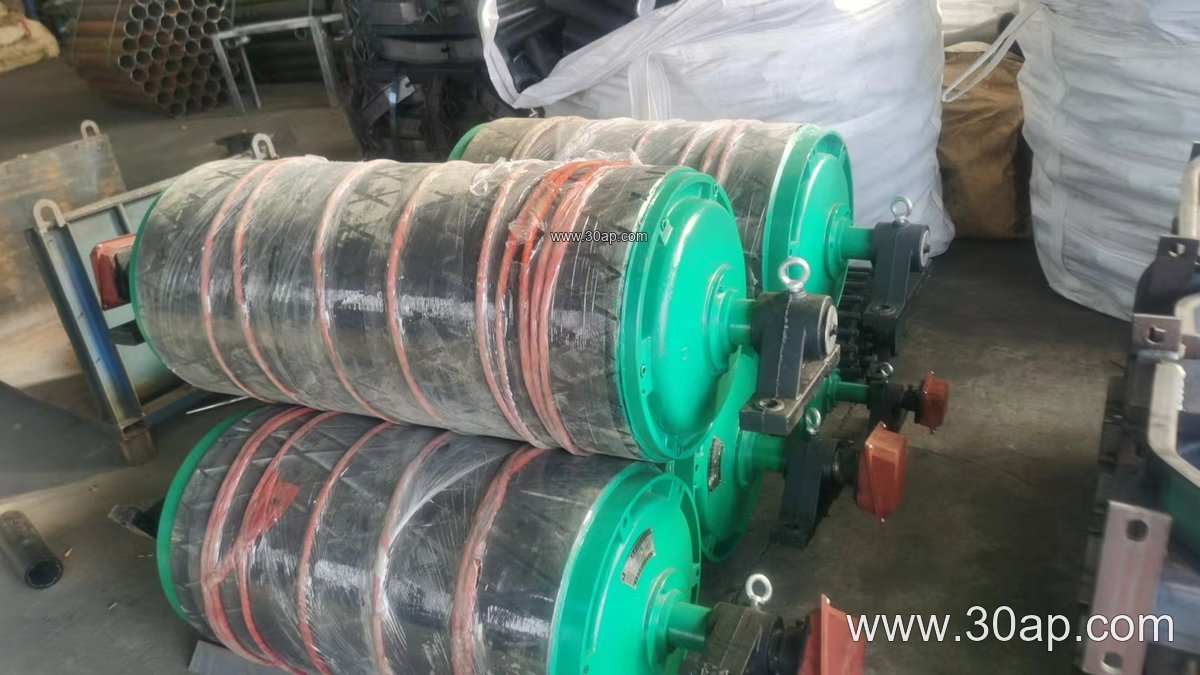
Surface treatment matters in a coal handling environment. A plain machined face is common on tail and bend positions, while drive pulleys often receive rubber lagging to improve grip. Lagging may be applied as cold-bonded rubber, hot-vulcanized rubber, diamond groove, or ceramic tile. Lagging thickness is commonly 8, 10, 12, 15, or 20 mm. The right choice depends on whether the pulley needs friction, wear protection, or both.
Position Determines the Type
A thermal power plant conveyor pulley is not a single role. At the head of the conveyor, the head or drive pulley pulls the belt and discharges coal into the transfer chute. At the tail, the tail pulley supports the return side and helps maintain tension. Between them, bend pulleys and take-up pulleys route the belt through the tensioning system. Each position has different loads, so the drum diameter and lagging can differ along the same conveyor.
- Drive or head pulley: transmits power, often lagged for grip.
- Tail pulley: guides the belt at the loading end, usually plain faced.
- Bend pulley: changes belt direction with moderate load.
- Take-up pulley: works with the tensioning device to keep the belt tight.
These are not interchangeable parts. A drive pulley and a bend pulley may share a similar shell diameter, but the shaft, bearing, and lagging requirements are different. A plant should keep position-specific spare parts rather than treating all drums as one stock item.
Sizing and Belt Compatibility
The pulley face width is normally wider than the belt. For example, a B800 belt usually runs on a pulley with roughly 950 mm face width, and a B1200 belt on about 1400 mm. Diameter is selected from belt tension, wrap angle, and belt stiffness. Common diameters include Ø500, Ø630, Ø800, Ø1000, and Ø1250. A combination such as B1200 × Ø1000 or B1400 × Ø800 is common, but no single belt width locks the pulley to one diameter.
| Belt width | Typical pulley face width | Common diameter range |
|---|---|---|
| B650 | about 750 mm | Ø400 to Ø630 |
| B800 | about 950 mm | Ø500 to Ø800 |
| B1000 | about 1150 mm | Ø630 to Ø1000 |
| B1200 | about 1400 mm | Ø800 to Ø1250 |
| B1400 | about 1600 mm | Ø800 to Ø1400 |
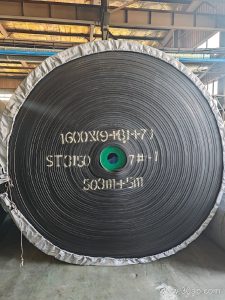
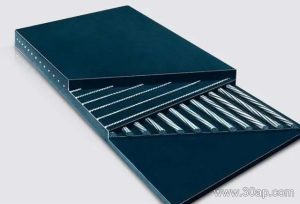
The belt itself also affects pulley choice. A heavy steel cord conveyor belt needs a larger drum diameter than a thin fabric core belt because bending stress increases as diameter decreases. In coal handling, flame retardant and anti-static grades are often specified, and the pulley lagging should be compatible with the belt cover. Where coal is abrasive, an abrasion resistant conveyor belt and a ceramic-lagged drum work together to reduce wear.
Buyer Checklist
Before ordering a thermal power plant conveyor pulley, confirm the belt width, the measured face width, the shaft diameter, the bearing type, and the mounting bracket dimensions. Ask for the lagging material and groove pattern if the pulley is a drive unit. Check that the pulley will fit the existing conveyor bracket and that the bearing housings match the frame. For replacement work, measure the old drum rather than relying only on the belt width.
Inspection after installation should cover belt tracking, bearing temperature, and lagging wear. Coal dust and fines can build up on the return side, so a pulley that is slightly misaligned will show edge wear quickly. Keeping spare lagging and monitoring shaft runout helps a plant avoid sudden coal feed interruptions. A well-matched drum, belt, and idler roller set keeps the coal handling line stable through long operating hours.